

The Blood of Dawnwalker is the latest proof that Polish RPGs should now be seen as a genre in their own right, like JRPGs are. There’s a distinct approach to the genre that comes out of studios like CD Projekt Red, Questline, Reality Pump and now Rebel Wolves, that have created a distinct “genre” in their own right. Dawnwalker is an ambitious first outing for Rebel Wolves, and it largely succeeds in planting its own bloody, dark flag in the space.
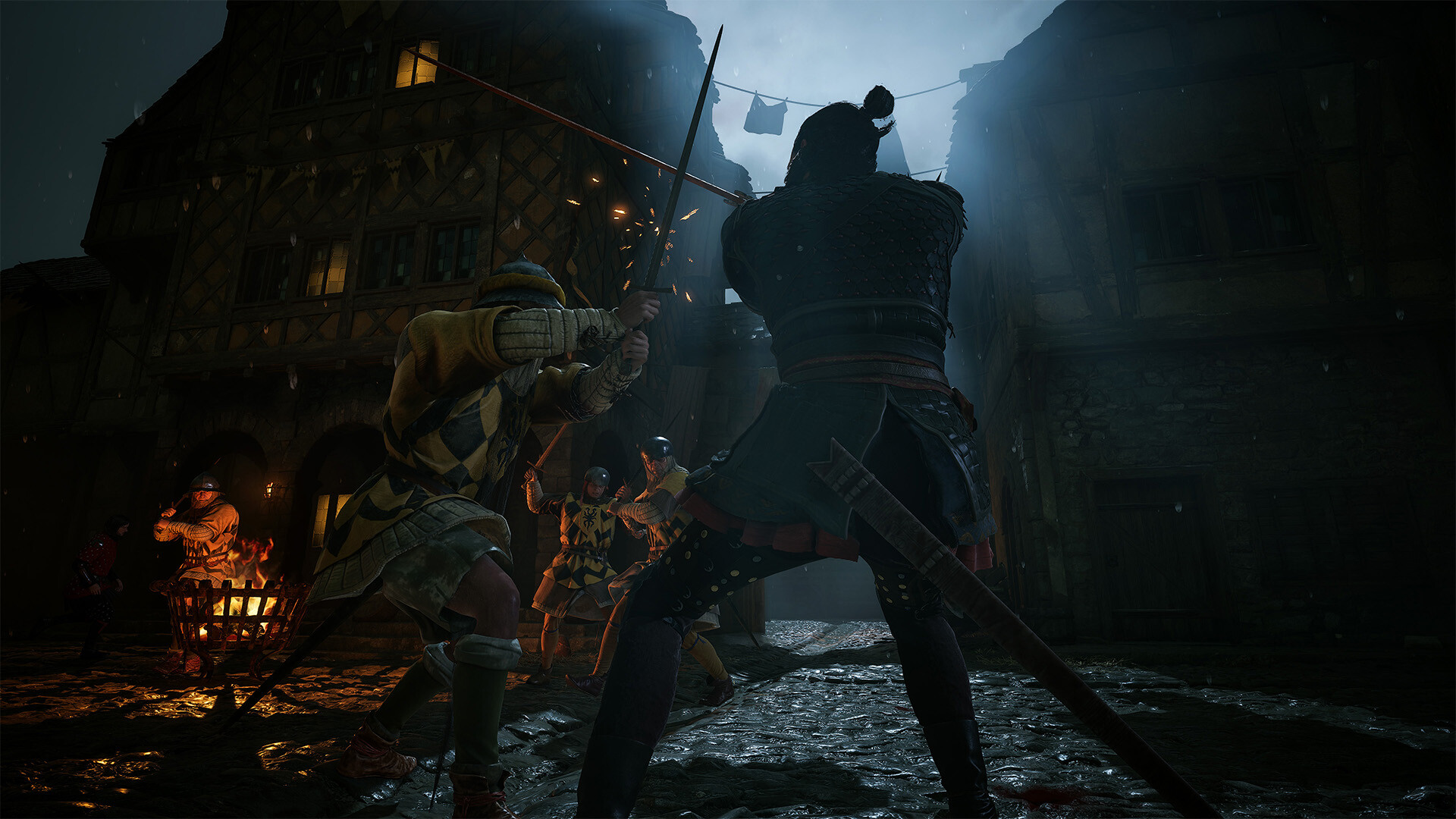
I do want to start with the combat, though, because it proved to be something that nearly ended my interest in the game in the early hours. The best way to describe it is as a simplification of the combat system of the Kingdom Come series, developed by Warhorse Studios from neighbouring Czechia. Firstly, and most core to the combat system, the basic swordplay is heavy on counterattacking. An enemy will launch an attack from one of four angles (up, down, left, right), and your job is to counter that by either blocking or dodging in the same direction, and then counterattacking while the enemy is momentarily off-balance.
In one-on-one combat, this system largely works by requiring a twitch-like responsiveness and creating tension in the dance of waiting for the enemy to attack so you can respond.

The problem is that enemies typically come in groups, and Dawnwalker becomes a bit of a mess then. Enemies frequently attack from all around, meaning the in-flow of information can become frenetic despite the countering system requiring precise timing. Additionally, the auto-target frequently jumps between enemies (usually to the one about to launch an attack), and Coen (that’s the Geralt of this particular story) can get stuck against trees, carts, and other locations, making it impossible to have him duck out of the way and remain mobile, and that puts him in an enormously vulnerable position.
That’s only the early game, though. With experience and after completing quests, Coen starts unlocking skills that can help him control the crowd and more nimbly navigate his way when fighting groups. As it does, combat becomes an incredibly interesting and rich balance between defence and offence, and sufficiently open-ended with the skills that you can land on a fighting style that works for you (rather than needing to come to grips with the way the game wants you to play it). It just means that, ironically, the game is at its most difficult in the first ten hours or so immediately after the tutorial, and I did find it frustrating until my combat tools started opening up.
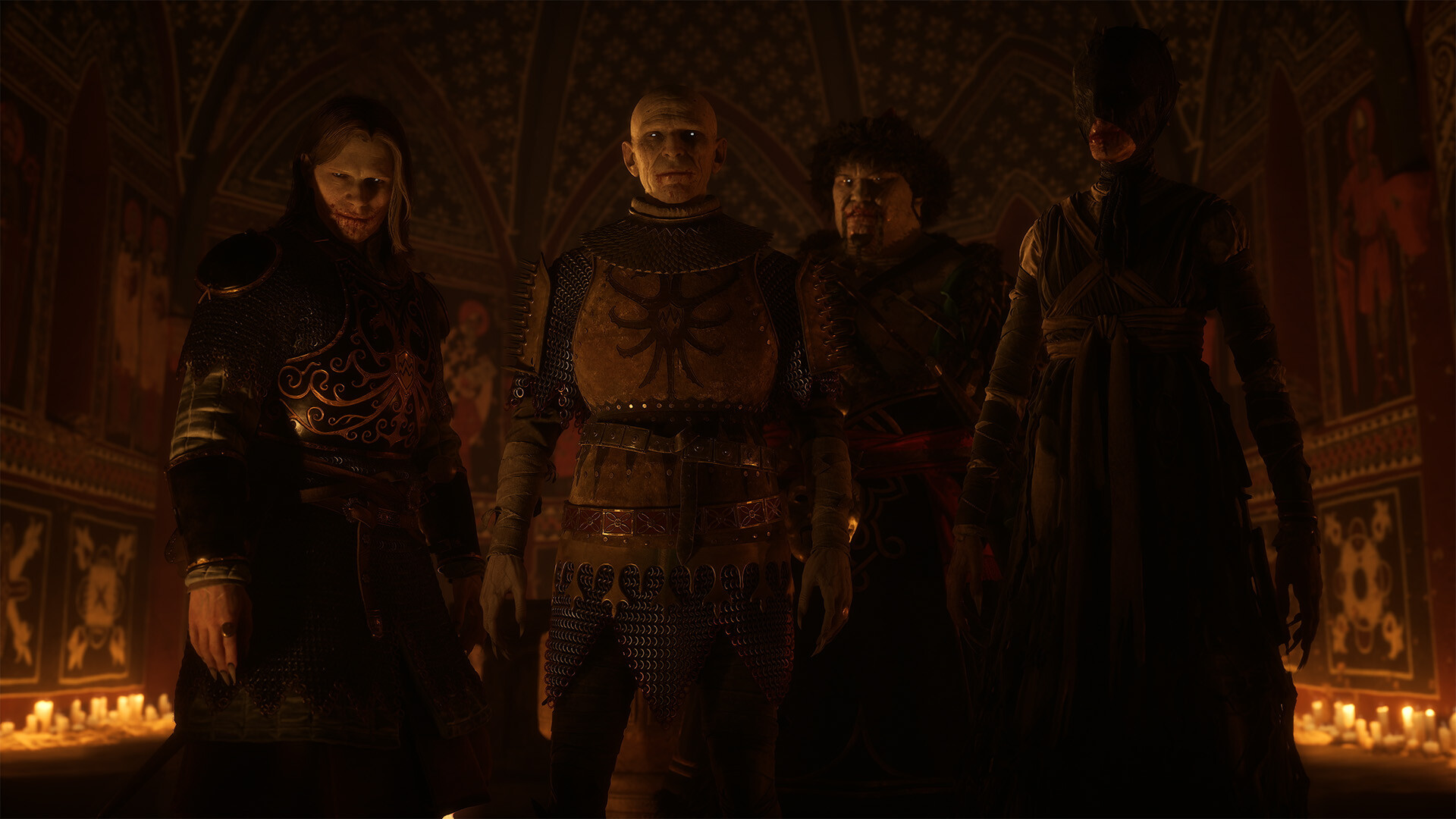
What kept me going through that first section was the storytelling, and Dawnwalker is consistently well-written and highly engaging. The world is a dark one, set in the Carpathian Mountains during medieval times. Vampires have taken over and rule with an iron fist, requiring the human population to regularly supply blood and, of course, labour to the vampires’ profit.
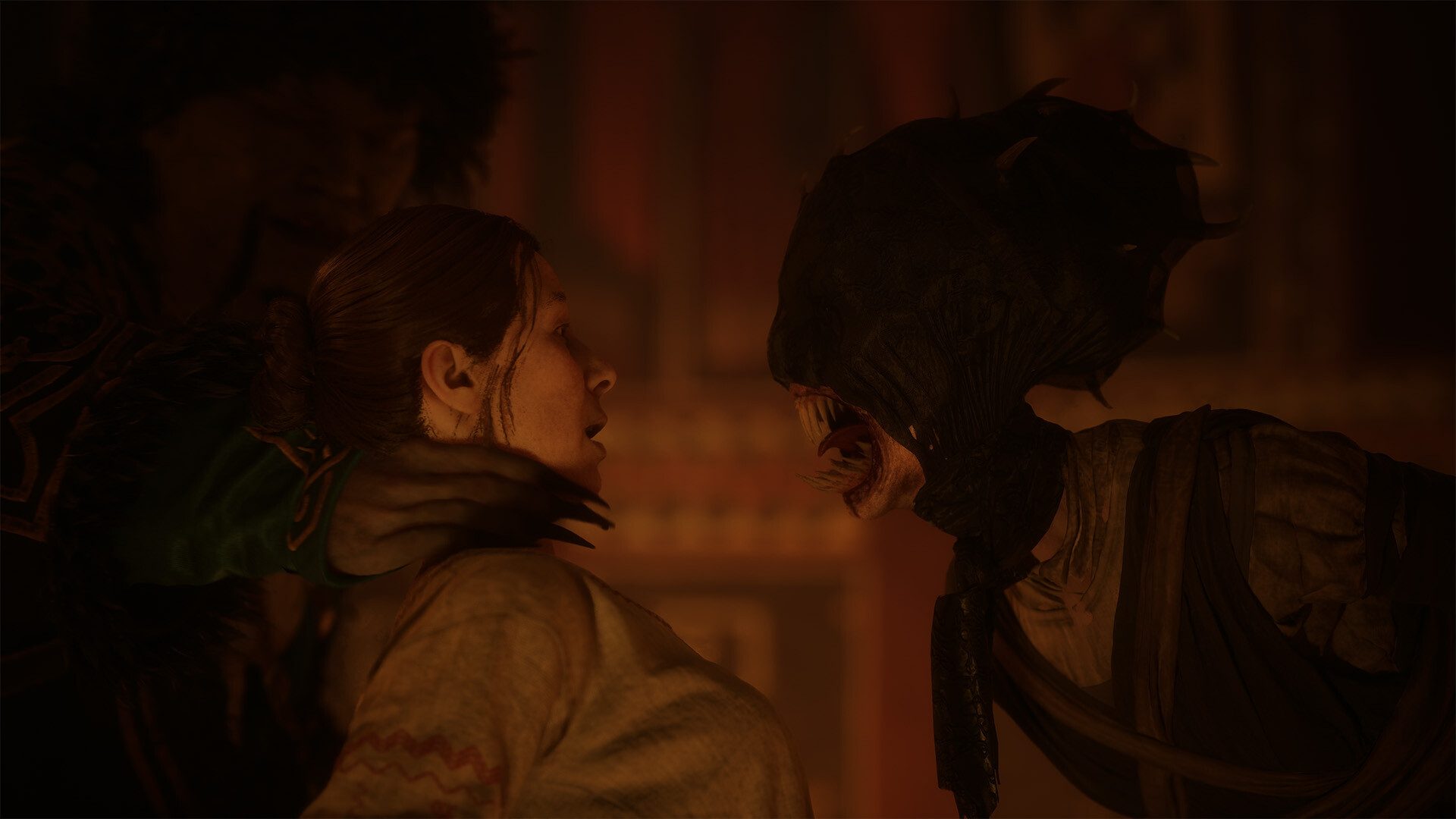
But there’s an underground resistance movement seeking to remove the vampires. Coen signs up to do his bit, and this group stealthily attacks a silver mine, with the intention of getting enough silver to smith into weaponry to make those vampires suddenly killable. Unfortunately, one of their number betrays them, and before he knows what’s happening, the vampires have slaughtered almost everyone. They capture Coen’s family, intending to use them as a sacrifice for a ritual coming up in a month, and as some kind of sick joke, turn Coen into a vampire himself. Only for some reason the ritual doesn’t work properly. Coen becomes a vampire at night, yes, but during the day, rather than turning to ashes, he instead becomes a human again and can wander freely in the daylight.
This ability to be both human and vampire is a contrivance for the sake of game mechanics, I have to say. This is what a werewolf story would look like, and while I know modern pop entertainment culture sees everything as a potential crossover, werewolves are, thematically, different creatures from vampires. The daywalker abilities allow Coen to have both “human” and “vampire” abilities, and the game does play differently at night than during the day. That is objectively interesting and keeps the action varied. However, I also found this unfortunate from the thematic point of view. A vampire’s weakness to sunlight is core to the entire philosophical concept of a vampire. It becomes something they both fear and yearn for over their immortal existences and allows the vampire to symbolically represent what the darker side of humanity looks like personified. While the other vampires in the game are beholden to this rule, allowing Coen, as the protagonist, to just wander around as normal during the day undermines the entire vampire ethos.
There are other things that are core to what the vampire mythos thematically represents that are completely ignored by the game. The big one is sex. Vampires, from Dracula to Lestat and everything in between, are meant to be inherently sexual, transgressive creatures, because, again, they represent the deeper impulses – the ones we usually push down – unbounded. Consequently, the creatures themselves are both monstrous and deeply erotic. That’s something that Robert Eggers captured particularly well in his recent Nosferatu film, making the monstrously hideous vampire at the heart of the story something that the humans found impossibly seductive.
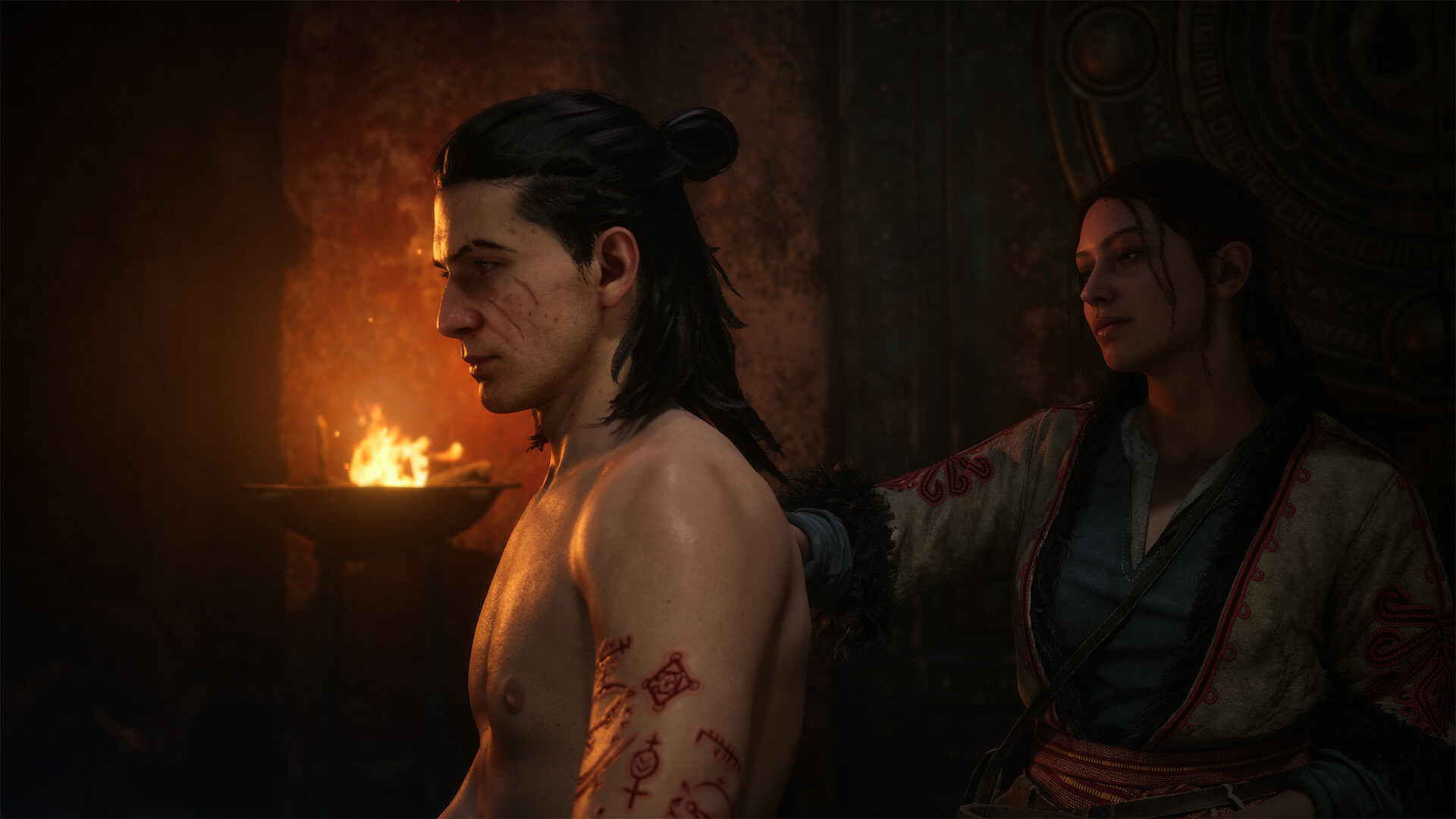
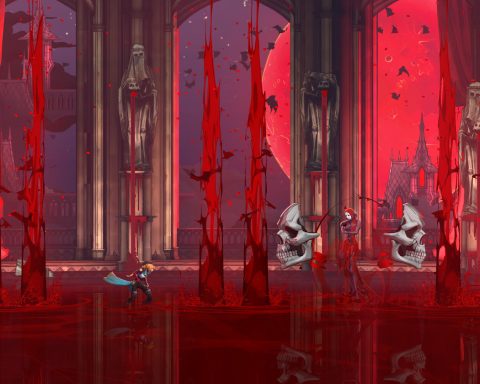
It probably goes without saying, really, but Dawnwalker is a modern blockbuster video project that targets the mainstream, and, as the most on-point piece of critique about the vast majority of modern artistic projects says, everyone is beautiful and no one is horny. The reasons for this trend are many and varied (and that Blood Knife essay does a good job of delving into it), but I only raise it to highlight that while Dawnwalker has some excellent vampire mechanics and the brooding, gothic visuals are on-point, time and time again it undermines the vampire theme, to the point where, thematically, it’s toothless.
With that said, whatever issues I have with how the game engages with philosophical themes, the writers have done a truly masterful job with the dramatic storytelling. The characters are universally engaging. This is a dark world with a broken society, so the depictions of various forms of misery and anxiety are drummed home brilliantly, but at the same time there are some wickedly fun moments of humour too. One early quest has particularly stuck with me, with a guy who calls himself “the brave” deliberately allowing himself to be captured by the vampires, with a grandiose plan to break an entire fortress worth of prisoners out and, in doing so, be rewarded with acceptance into the underground resistance movement. He’s bonkers, and yet also calibrated just right to be believably so and amusing without breaking the otherwise oppressive atmosphere.
The game’s use of time also becomes a masterstroke for its storytelling. Coen has 30 days and nights to rescue his family, but the clock doesn’t tick down as you play. Rather, day and night alike are both broken down into eight “turns”. You’re free to move around the world however you like without any time passing, but certain actions will consume one or more “turns.” These actions range from fighting enemies to exploring certain areas to learning particularly powerful skills. When all eight of the turns are used up the day switches from day to night, or night to day, and Coen’s family gets one step closer to their doom.
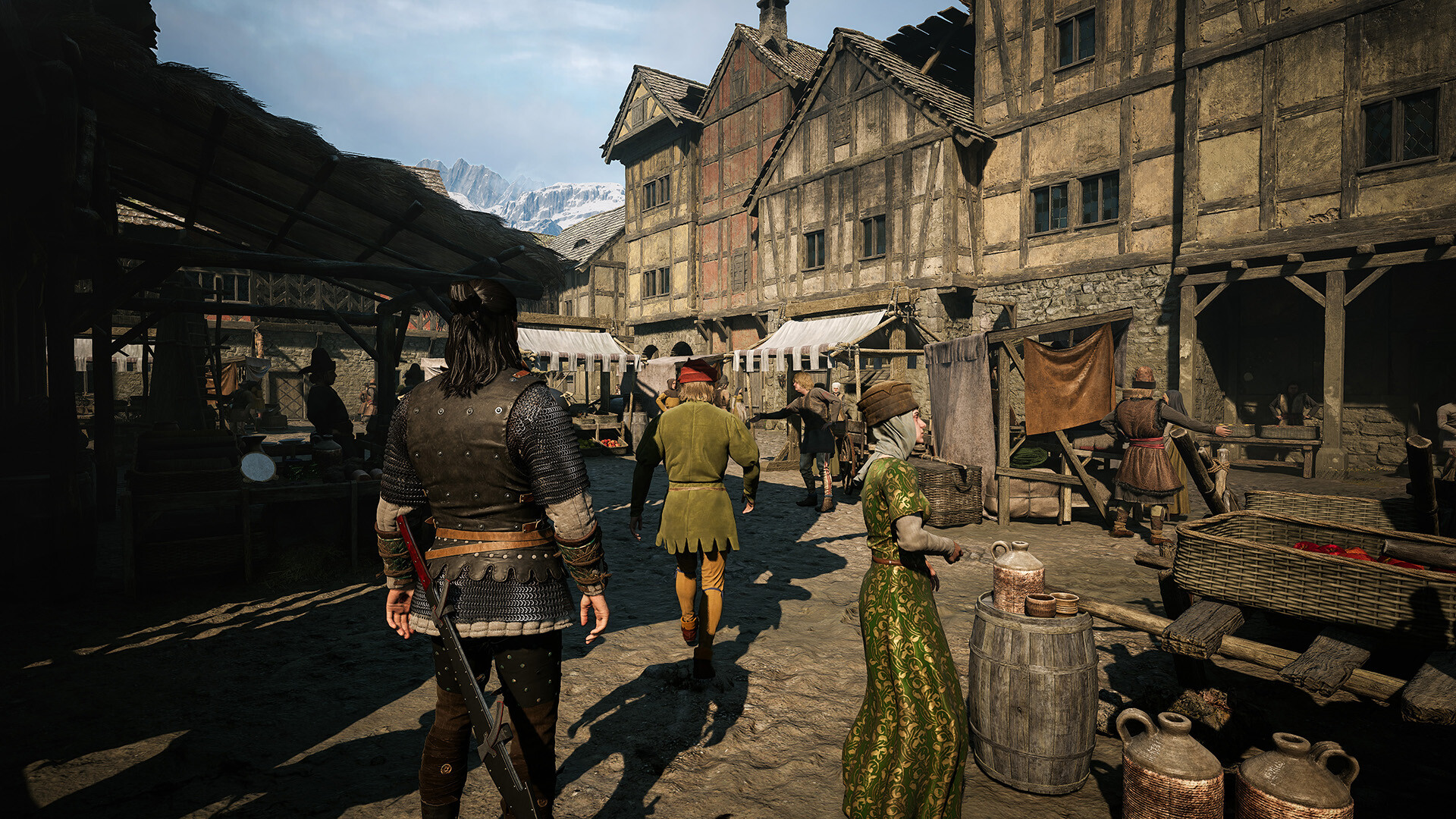
It doesn’t take long to realise that you’ll run out of time well before you run out of things to do, and you’ll want to carefully plan out what you do actually get done with your time. This feeds into the narrative because it means that at times you are going to need to let good people suffer or leave bad people alone because you simply cannot afford them the time of day. Combined with the frequent moral questions that the story throws at you during quests and interactions, and the overarching question of whether you’ll allow Coen to give into his growing bloodlust or not, and I found Dawnwalker to be a particularly effective set of “trolley problem” style morality questions, with plenty of instances where I put the controller down for a long moment to think through what I actually thought was the best answer.
Perhaps none of what I described is unique to Dawnwalker, and indeed, outside of the game’s day/night and vampire/human mechanic is a fairly straightforward modern RPG, with a massive, sprawling and gorgeous open world to explore and all the quests being written to be little narrative arcs in their own right. The developers learned well from the heritage of The Witcher 3. But what is impressive is just how much there is in Dawnwalker and how much control you have over how that narrative plays out. When I was talking to the developers about the game, they were pretty emphatic that they’re not only comfortable with players not seeing all the narrative parts, but they almost hope that players don’t replay it so they can have a “canon” experience of Coen that differs from what another person does.
That’s obvious spin, and I’m sure the developers will also be very happy if players work through the game the half dozen or so times it seems would be necessary to see every quest and story arc play out, but it does highlight nicely just how much of the storytelling experience sits with you. Dawnwalker might have a single end game that it’s driving towards, but your pathway there is truly nonlinear, and it never feels like you’re being pulled or even subtly pushed in a single direction.
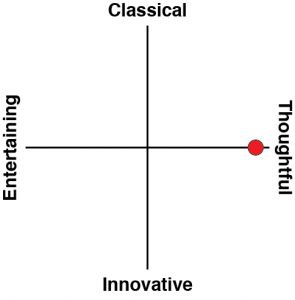
Rebel Wolves has said that they envisage this to be only the first chapter in an ongoing saga and, beyond Coen, a potential legendarium of related stories across a long history. Given the location of the Carpathian Mountains, it could well turn out to be like a western RPG spin on the same broad idea as the Castlevania franchise. That, of course, is contingent on The Blood of Dawnwalker being a commercial success, and I do believe it deserves to be. The narrative might be subservient to the mechanics, and not as thematically evocative as I might like, but excellent writing does combine with quality, well-executed mechanics to give us the equivalent of a pulp fantasy page-turner, and like the stories of dark pulp fantasy writer, Robert E. Howard, it’s really (really) difficult to put down.