

It was originally a Wii title that, famously, fans had to fight really hard to get localised. Then it had a 3DS port because Nintendo needed something to showcase the power of a more powerful edition of the console. Then it got a port to the Switch. Now it’s enhanced for the Switch 2. Xenoblade Chronicles is a classic and Nintendo likes playing with it almost as much as George Lucas likes playing with Star Wars. Thankfully, unlike Lucas, Nintendo hasn’t screwed the legacy of the game up with these tweaks.
On a basic level, I don’t have much else to say about Xenoblade Chronicles that I haven’t in my previous review of the Switch release, or the New Nintendo 3DS before it. It’s the same base game, and the most critical part of it – the narrative – is untouched. Xenoblade is the same beautifully intelligent, philosophically rich treatise against authoritarianism and a yearning for humanity to have a semi-agrarian mindset with regards to technology and social organisation.
Given what’s happening with datacentres at the moment, the point Xenoblade is making is, if anything, more poignant now. Not that anyone pays attention to these things. If Terminator’s Skynet wasn’t enough to warn people about AI and robots, it seems like nothing will get them there. So enough of the completely fanciful story where people resisted being essentially colonised and subjected to the machines, folks.

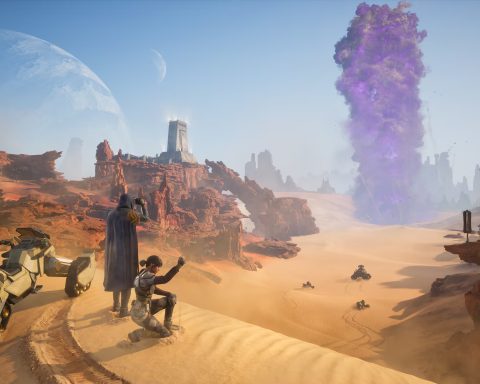
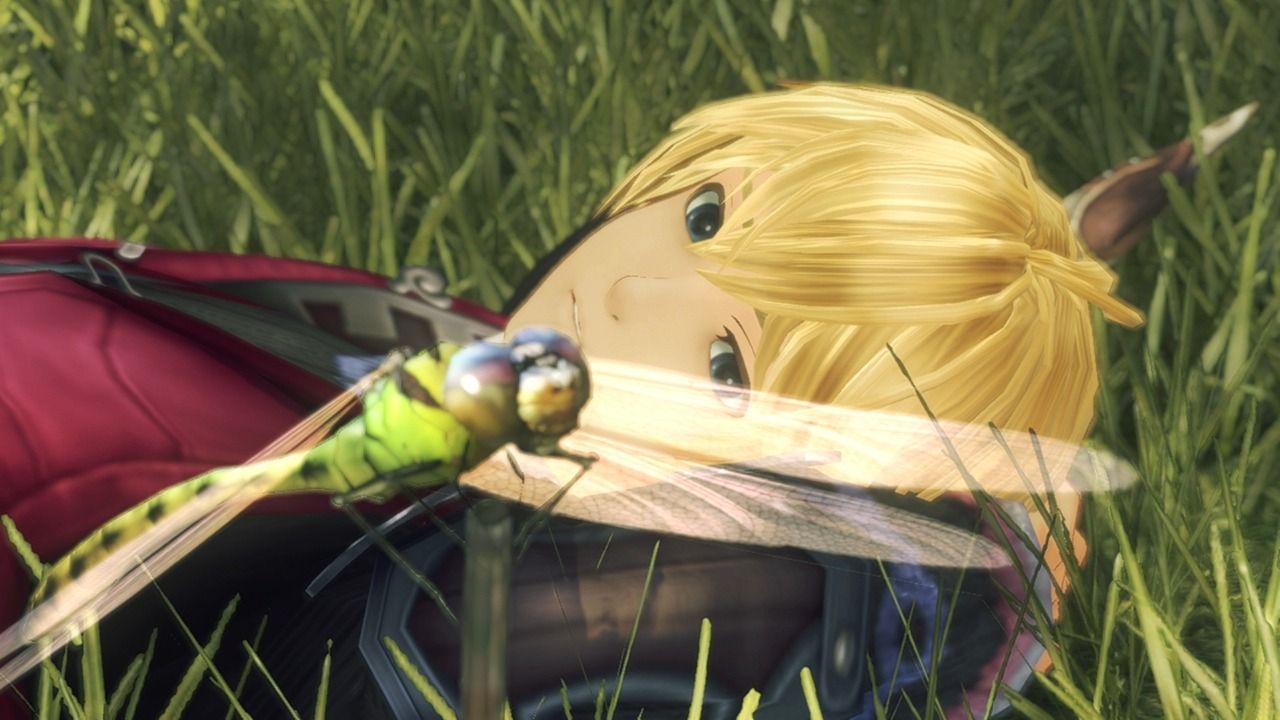
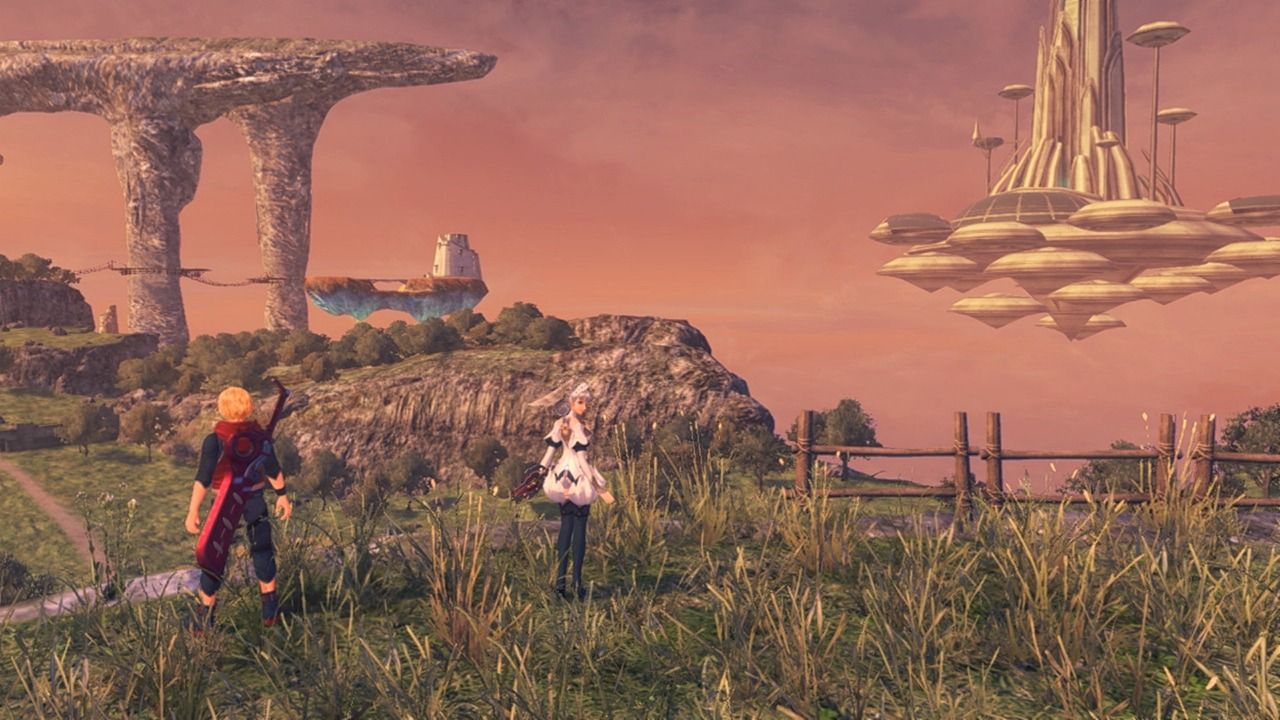
While the narrative is unchanged, there are some areas where Nintendo has tweaked the game, always for the better. First of all, there is an upgrade to the graphical engine, with the Switch 2 edition of Xenoblade Chronicles having a (mostly) steady frame rate that aims for 60 fps, and up to 4K resolution, if you play on the TV. I will say that the game does look better in handheld mode, though. This is a Wii game, originally, and while the game has had a facelift to fit the HD era, the heritage is still there in the character models and texturing. Xenoblade Chronicles is a game that wowed for sheer scope on a very under-powered console. The art direction remains as gorgeous as ever but in terms of technical prowess, it’s not exactly as incredible as seeing the Final Fantasy VII remakes on the console. And Fiora, as lovely and tragic as she is, isn’t quite Jessie, either…
I digress. Another impressive feature is that all the heart-to-heart moments are now voiced. For the uninitiated, heart-to-heart moments are extended character interactions that you unlock as characters grow closer, then visit particular parts of the world. In previous versions of the game they were text-only narrative elements. Given how important they are to the characterisation, it is nice to see that they’re now fully voiced, even if it is painfully obvious that the voice actors are now almost 20 years older than they were when they first played these character roles.
Those heart-to-heart moments were a reason to backtrack to earlier parts of the world, and that is now made much easier thanks to the biggest single new addition to the game – hoverbikes! Much like how getting the bicycle made the original Pokemon Red/Blue far less irritating to get around, midway through the game you now earn these machines that significantly speed you up through the world. With the amount of backtracking and exploring the quest system of Xenoblade Chronicles requires, these bikes will cut entire hours out of the game’s run-time. There are also some fun mini-games thrown in for good measure.
None of these enhancements and new features make Xenoblade Chronicles substantially better. They merely refine a game of almost incredible scope and direction. If nothing else, this release has been an excuse to play a JRPG that has grown on me to become one of my favourites of all time. It is and remains one of the most intelligent, emotional, beautiful and expansive visions in the genre’s history, so I’m not complaining about its release at all.