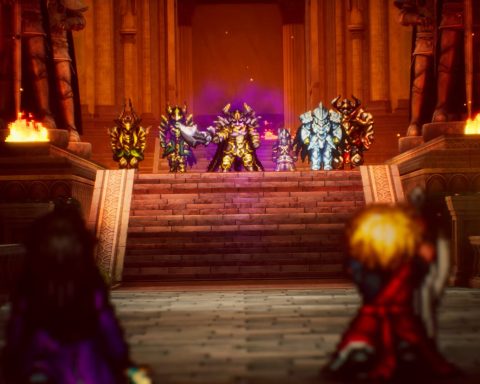


I have lost track of how many times I’ve played Final Fantasy X (and X-2) now. I remember playing it for the first time on the PlayStation 2, and then getting into fights on early-era bulletin boards on who was best out of Rikku, Lulu and Yuna (Rikku, of course). And then I’ve ended up with every release that has come since. And now there’s the Switch 2 release of the Remaster, which was already on Switch, but I couldn’t help but get stuck back into it again. Any excuse to replay it, frankly.
Related reading: On FFX’s relationship to Gothic literature.
It’s easy to look at FFX and X-2 and wonder what the fuss is about, because a lot of the impact that these games had was of their time, even when they’ve been polished up so nicely for the modern HD console. FFX was one of Square’s last major games before it merged with Enix, and it was a massive blockbuster at that point in time. Consider that the previous Final Fantasy was IX, and you can imagine the impact that the graphics and general design of the game must have had on players back then. FFX was the first where people looked basically like people (and that’s why you could have proper waifu fights, no less). It was a full-on cinematic experience, and the developers really took full advantage of that.
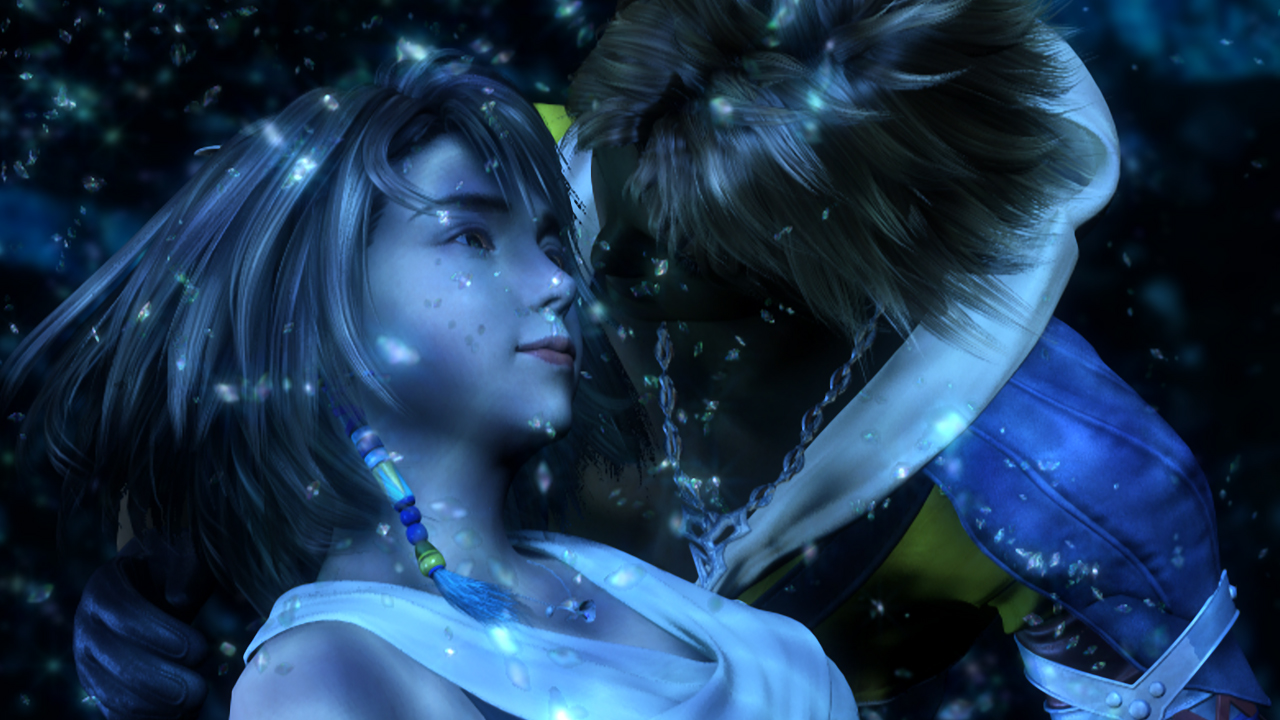
It was the first game that got me to actually cry, for example. Final Fantasy had always appealed to me intellectually because each game in the series explored (often complex) themes, in a way that many other games, even JRPGs, didn’t. It wasn’t just a quest to save the world. It was a reflection on determinism (FFIV), nihilism (FFVI), eco-terrorism (FFVII), and determinism again (FFVIII), and determinism one more time for good measure (IX). Final Fantasy X had that in the way it deconstructed and critiquing the power of organised religion over a people, but unlike the previous titles in the series, the detailed graphics, and persistent voice acting, both of which seem primitive now, allowed for an emotional engagement in the game as well. By the time I got to the scene where protagonist Tidus, realises the full context of their quest and what it will do to his love interest, Yuna, and they go “swimming in the pool” to the hauntingly beautiful Suteki Da Ne, I was so totally immersed in the beautiful melancholia of it that, yes, I teared up.

And yes I do realise that, looking back at it in 2026, the whole pool scene is as unsubtle and clumsy as erotic symbolism comes (hah, comes!) and I don’t think your typical modern player playing FFX for the first time will feel the same weight of emotions, but the point I’m making here is that FFX had an oversized impact on me and my opinion of the way games have progressed as an art form since. THAT is what I think many critics of the series are essentially angling at when they argue that Final Fantasy as a series has lost some relevance. It’s not that FFXII through XVI are poor games, necessarily, but rather it’s that they don’t have quite the same transformative impact on a person (XIV aside, potentially, though as an MMO that’s not generally one people think of as a “numbered” Final Fantasy in the same way to most of the rest of the series). They’re “just” blockbusters now, rather than something that redefines what we should expect from JRPGs.
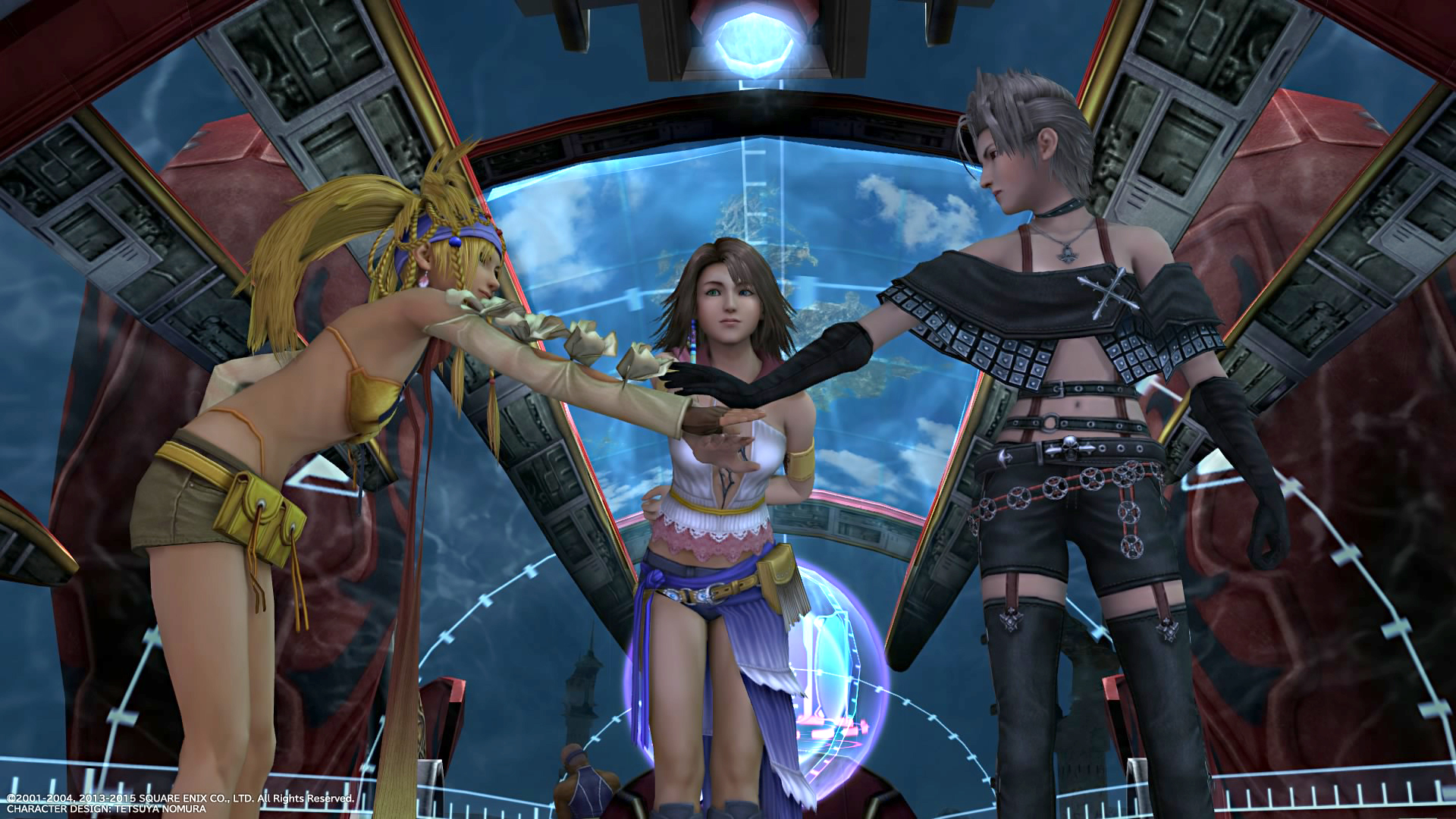
Things got even better with FFX-2. This was a game that was dismissed a bit, even by players back then, because where FFX was an emotional story of a dark pilgrimage and sacrifice, FFX-2 had an idol’s energy. And it put Yuna in short shorts and Rikku in a bikini. A really, really good bikini. It may well have been the first JRPG to get critics to roll eyes over it for “fan service.” But in my view, it was brilliant. Final Fantasy X-2 asked the question of what happens to a society once the hypocrisy of organised religion is exposed and people break free of its yoke. They turn to pop idols. If there was ever a game more relevant to the tension in Japanese culture between traditions and old religion and its modern love of idols, AKB48 and Snow Man, I’ve not encountered it. FFX-2 is a true sequel in a way that we rarely see; where most video games are organised as “franchises” and each new game is an opportunity for a thematic reset, even if the characters are maintained from one to the next, FFX-2 can only exist and should only be played after FFX is fully complete and digested.
I know that just about anyone reading this already knows FFX and X-2, and I’m largely preaching to the choir about them being special games, but it is useful to remember just why they are special sometimes, because otherwise you could let yourself be convinced that while the art direction remains as breathtaking as ever, some of the other features, like the character models, have obviously been superseded by modern productions. But then, just as Lord of the Rings still has a better visual depth and creative passion than the Marvel films, despite the visual effects being clearly improved on, so too is FFX still in so many ways superior to what has come since. In fact, in this era of homogenised content, where every blockbuster game is yet another massive open world experience, structured in exactly the same way as every other one, FFX’s focus on a coherent and linear story, paced carefully so you’re not spending hours chasing icons between each shallow breadcrumb (leading you to more icons to chase for more hours), is almost refreshing.
Square Enix is being a little brazen in releasing this as a separate purchase to the Switch 1 release of the Remaster. Yes, while many other publishers allow you to upgrade from a Switch to Switch 2 release for a nominal fee, this is a full new purchase. It does look great on the Switch 2’s screen, and there are many quality-of-life upgrades, such as the ability to turn encounters off if you’re feeling stuck in a dungeon or increase the speed of playing to help you grind experience levels quickly. Load times are also blistering fast, too. But really, it really should have been an upgrade.
If DDNet were a buyers guide site, then I would find it difficult to justify giving this collection a high score, but only because if you already have the Switch Remaster you’d have to be a hardcore fan like me to consider the Switch 2 release. But we’re not. DDNet is here to celebrate good art, and FFX and X-2 are both genuine masterpieces, and this is technically the best version of both games you can get. I’ve certainly appreciated the excuse to play through them again.