I don’t really play all that many games at Tokyo Game Show. This is in part because I’ve got too much else to do, in meeting contacts and observing trends. But also it’s because the lineups for most of the interesting games tend to be so long, and I really hate queuing for anything, let alone a game I’ll be able to buy and play in comfort at home in a few days.
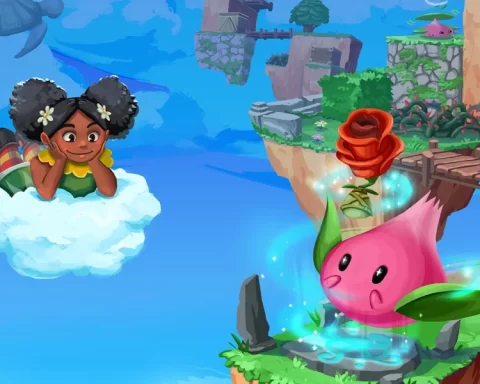
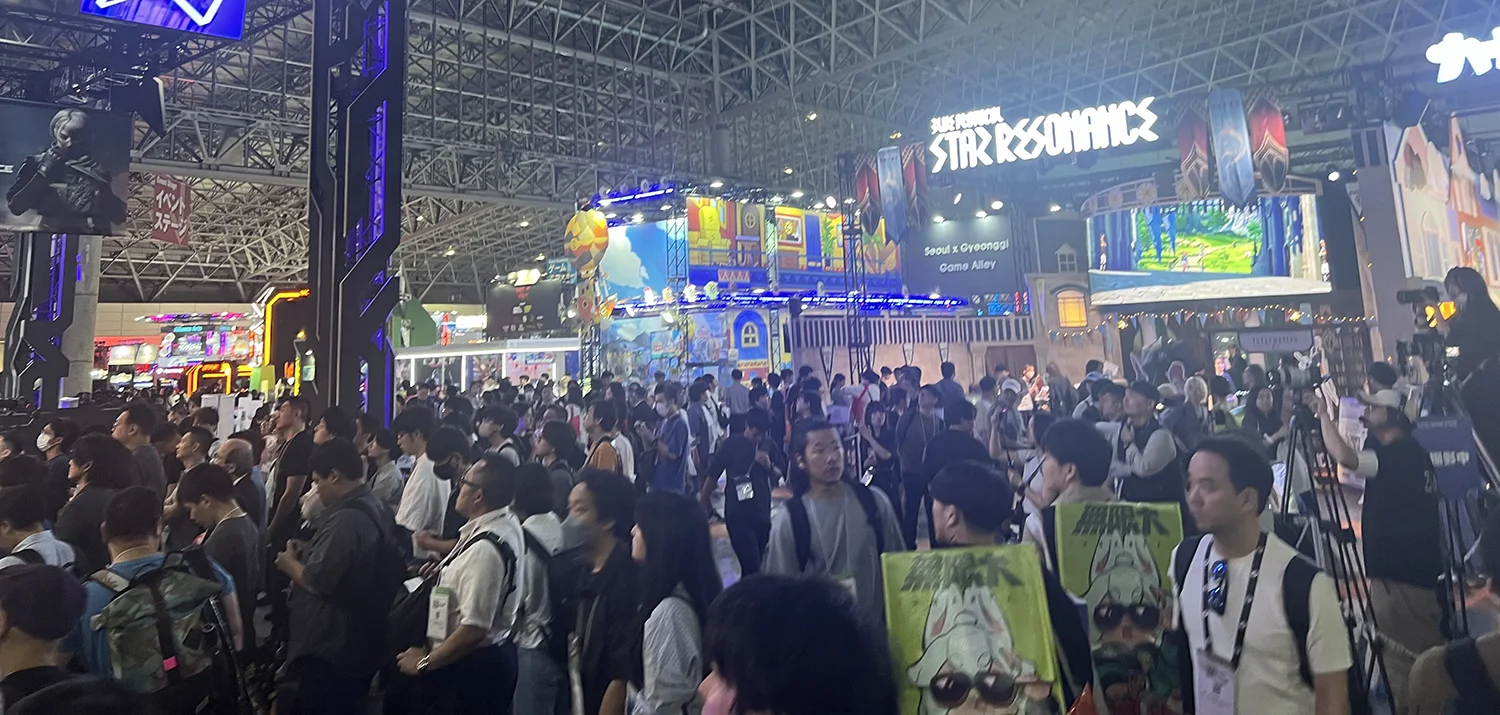
That being said, I did find time to take a crack at some of the weird and wonderful games on display in the indie booth, as well as a couple of the bigger games in the main hall. TGS keeps growing and spilling out into more parts of the event venue where it’s being held. This year the indie section was so large they actually split it into two separate indie sections, and it was good to see the engagement was strong across both for the entire time I was there.
What really struck me, however, is the effort that TGS goes to in supporting the growth of the nations as game development entities. This is something I’ve been observing over many trips to the event now, but it’s really starting to grow into something you want to pay attention to. Essentially, development teams get together with other developers from their nation to set up a “national booth” with several games on display. So at the event you could walk through a “Korea” booth, drop in and see the latest games from Indonesia, Germany, and Sweden, before unwinding with the stuff that teams in Poland, Spain, Thailand and Malaysia are working on.
About a decade ago, Korea was really the only one with a clear delegation space for its developers, and it’s encouraging to see more do it. After all, as video games are an art form, it should stand to reason that games also represent the cultures that make them. For far too long, the push in gaming has been towards homogenisation, to the point where you would simply never guess where the game is from.
This is different to film, music, or literature, where cultural background and even local cultural movements are considered critically important. You know when you’re watching French films, just as Latin American or Afro beats come from specific parts of the world. My theory for this is that a handful of Western countries have had such a stranglehold on the games industry for so long now, and homogenisation is in their best commercial interests. Japan has been the outlier with entire genres given a cultural qualifier (“Japanese RPG”). However, this effort to call out the cultural background with games – indie games in particular – suggests that TGS is aiming to encourage a different way of thinking worldwide, and I love to see it.
Unfortunately, there wasn’t an Australian booth. In fact, I only saw one Australian developer there (and played their game, TopplePOP, which seems cruelly overlooked given how much fun it was – only 36 user reviews on Steam? WHY?!?). This tracks with usual for the show, though. Most years, you’ll see one or perhaps two Australian devs there to show off their work, but no “national effort” as such. Given that Australians actually make excellent indie games, many of which are either of intense interest to the Japanese (we love making visual novels, for one thing), or are excellent representations of Australia’s culture, it would be nice to somehow get a group of Australian devs coordinated with the Australian government for future TGSes.
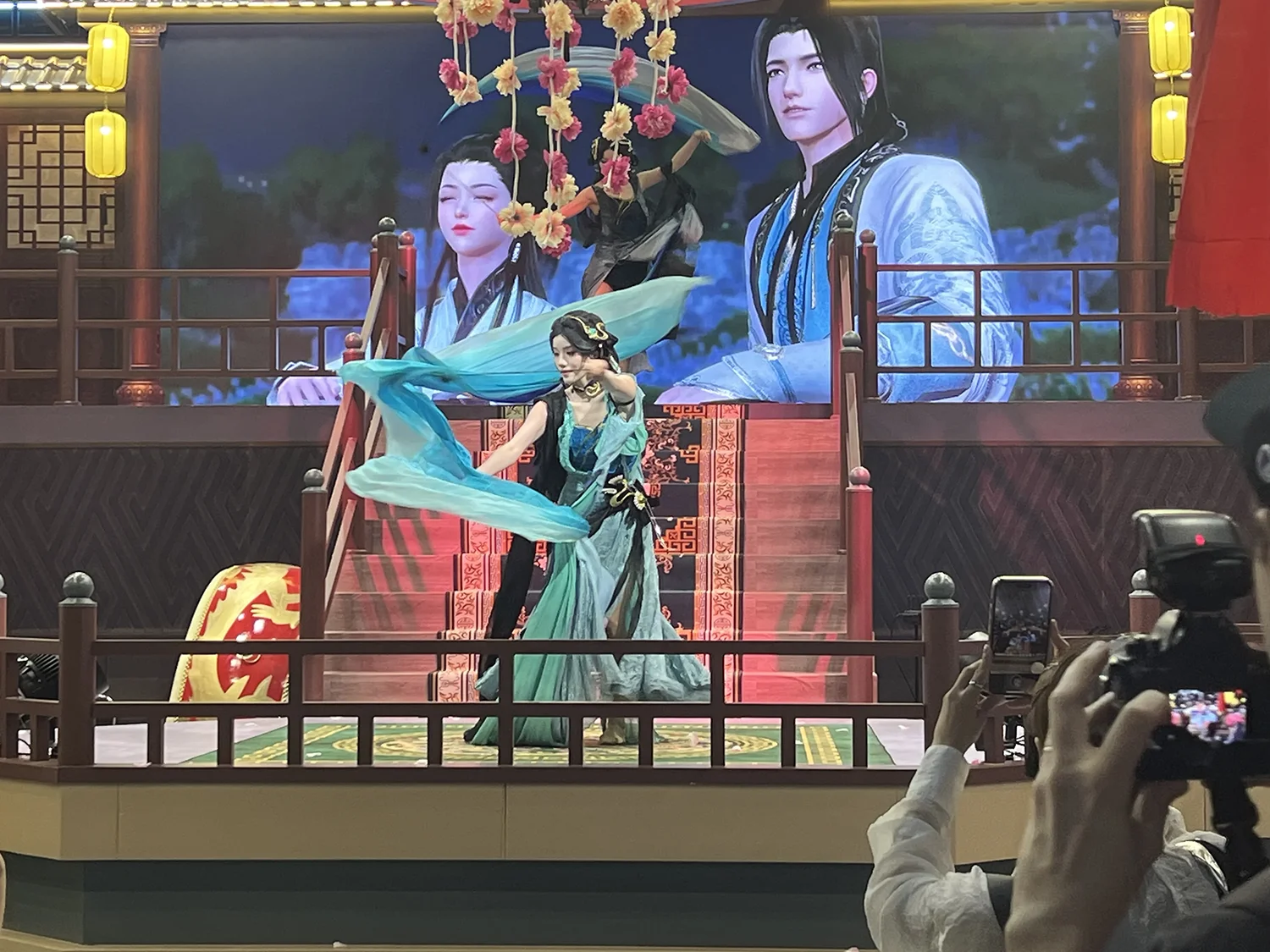
Because it is also important to remember that TGS is half trade show, half public spectacle. While people often overlook TGS because it’s not a place where big announcements are generally made, what happens behind closed doors is significant. Japanese – and increasingly Chinese – publishers scout for interesting projects to localise into the market. Western developers and publishers can talk to dozens of representatives for translation or localisation outfits. Big companies take advantage of everyone being in the same place to find outsourcing opportunities and smaller companies to recruit.
All of this would be a big opportunity for the Australian games industry, the Australian government (art is an export business, after all), and individual Australian game developers. We know it works because the likes of Gamescom and Game Developers Conference do have Australian delegations and support. So why not TGS?
I would argue that the Australian games industry’s best opportunity is to take advantage of the alignment that we have with Asia. We share basically the same time zone as most of the major Asian development locations. China has a population of over a billion people. Japan has more than 100 million. Those two populations alone dwarf Australia for gaming audiences and dollars, and, depending on the game, would be a far bigger opportunity. As the recent foible regarding Hollow Knight: Silksong in China shows (the game is brilliant but a botched localisation resulting in a “mostly negative” Steam rating), getting this right is important. I don’t know if the Hollow Knight developers have come to TGS, but I certainly don’t remember them ever having a booth. How can you expect to engage with a market if you’re not going to put the effort into it.
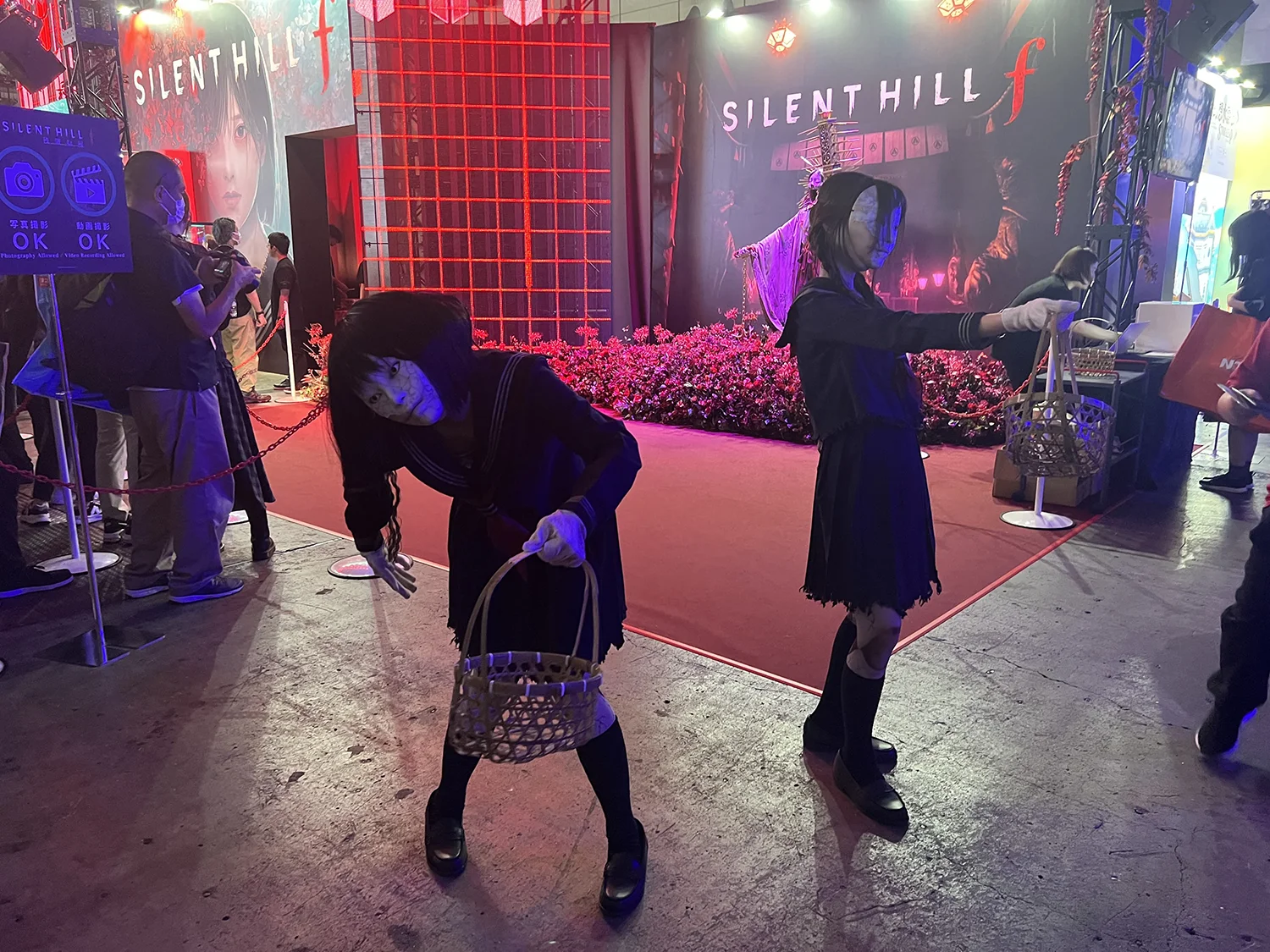
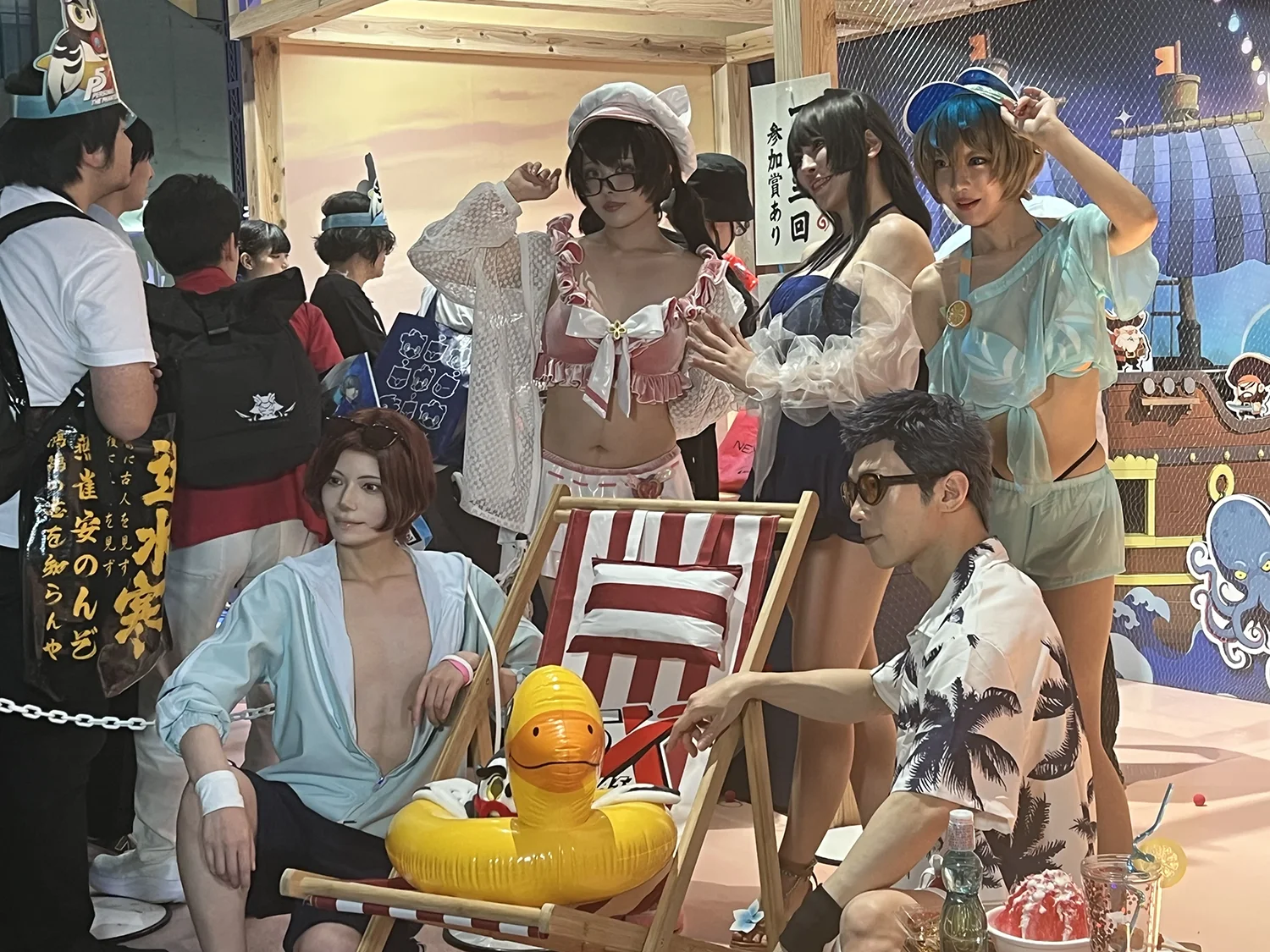
TGS continues to define itself as an event where the spectacle of the AAA space is almost secondary to what goes on in the business and indie spaces. Yes, the big crowds pile in to jump in lines and play Biohazard, or check out the little fanservice theatre performances that seem to get more grandiose each year, but in the (slightly) quieter corners of the show, Japan acts like a gateway to an incredible market, and one that Australia’s games industry still largely ignores.
(Also the indie game section is where the merchandise booths are and WHOO BOY you should see the Marie Rose tapestry I picked up from the Koei Tecmo shop this year. It is my dream to have a Dee Dee one for sale… hopefully very soon).