

The AI: THE SOMNIUM FILES series is inseparable from the creative identity of Kotaro Uchikoshi. Known beyond AI for the cult-classic Zero Escape trilogy, Uchikoshi is the sort of auteur whose style feels irreplaceable. Which makes No Sleep for Kaname Date, a spin-off produced largely without him, a fascinating experiment. Could AI exist without its originator?
As it turned out, it could. If you didn’t know Uchikoshi wasn’t directly leading Kaname Date but rather acting in a Series Director/Scenario Supervisor role, you’d inherently believe that it was every bit as much his project as the other two titles in the series.
For director and scenario writer Kazuya Yamada (the creative head of the project that Uchikoshi supervised), having players perceive Uchikoshi’s involvement was not an abstract question; it was the problem that haunted every moment of development.

“The first thing I wanted to achieve was to see if I could make an AI game without Uchikoshi,” Yamada said plainly. “All through development, I was asking myself: can I make the fans happy just with us, not with him there? That was on my mind the entire time.”
Stepping into another creator’s world is never easy. Yamada describes his first instinct as self-erasure.
“The first thing I focused on was to remove my quirkiness, my uniqueness,” he admitted. “I wanted it to feel like it was actually Uchikoshi writing. But of course, I’m not him. I wasn’t going to be able to replicate the exact way he writes.”
That attempt at mimicry could only go so far. What eventually emerged was a balance: a surface fidelity to AI’s voice, but threaded with moments that reflected Yamada’s own personality. “I think my strength is in creating playful elements,” he said. “So I tried to make sure that came through in this game. That’s my own sense of creativity that I felt I could safely contribute while retaining our vision.”
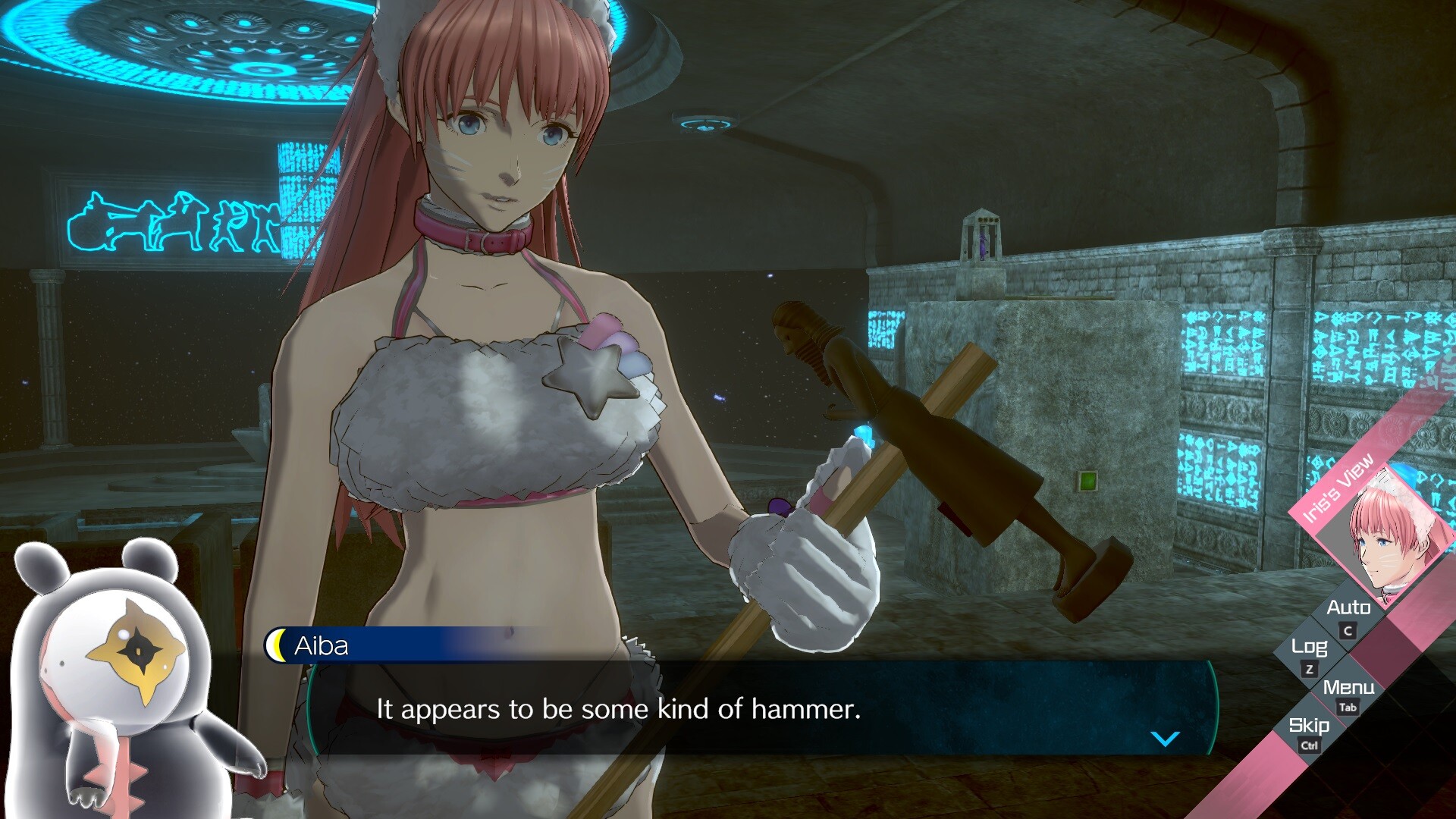
If there’s one thing that defines Uchikoshi’s work, it’s tonal whiplash. Players can be laughing at a slapstick gag in one scene, only to stumble into horror, blood, and tragedy the next. Maintaining that alchemy was essential if No Sleep for Kaname Date was to feel like AI.
“The seriousness and the funniness — that mixture is what Uchikoshi is famous for,” Yamada said. “I mimicked that. Personally, I excel at creating funny stories. But when I first submitted my scenario, the producer told me it was too dark, too sad, that it would make players cry. It was denied.”
The initial vision for the project was explicitly lighthearted. Yet, as Yamada discovered, fans’ appetite leaned the other way. “After the release, a lot of people told me they wished more characters had died,” he said with a wry grin. “So I’ll take that as feedback for the future.”
Dealing With Constraints
If inheriting someone else’s series was one weight, the development schedule was another. Yamada had just a quarter of the usual time to produce the scenario.
“Normally, we’d spend months or years writing,” he said. “This time I had only a fraction of that — one-fourth. That was because of the schedule we were given. It was already short, and within the first month it was broken.”
Complicating matters, a Switch 2 port was added partway through production, stretching resources even thinner. Yamada laughed at the memory: “It was already difficult, but then the Switch 2 version came in during the middle of everything. That was hard.”
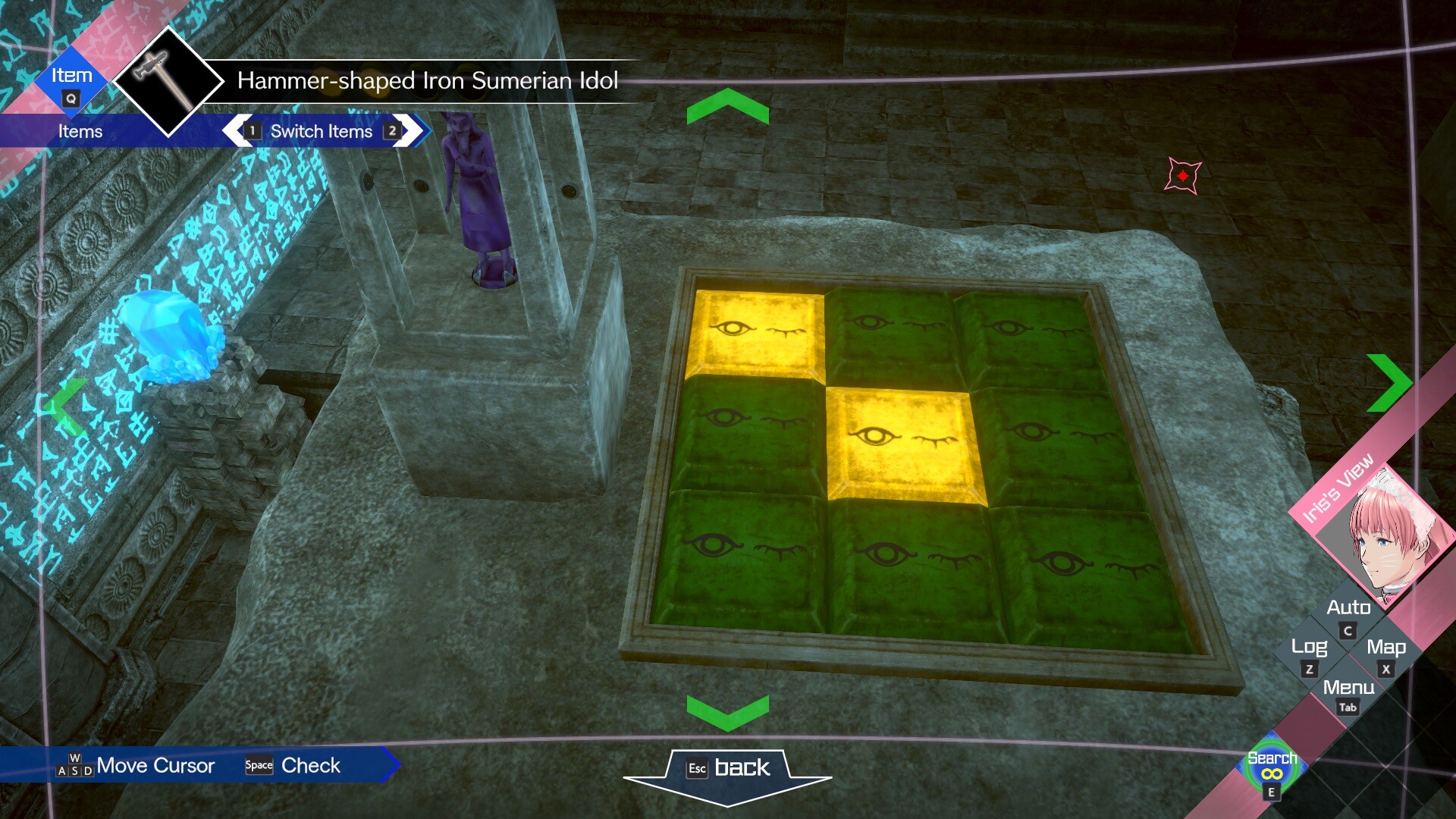
And yet, despite the rush, there were places he pushed for improvements. He points to the escape sections as a milestone. “In the Zero Escape series, the escape parts weren’t fully voiced,” he said. “Here, they are. I feel accomplished that we were able to do something Uchikoshi himself couldn’t have.”
Designing those escape room sequences, as extended puzzle sequences that need to be clever but not alienating, was another substantial challenge. Yamada describes marathon sessions with the team.
“We’d have eight-hour-long meetings to go through every escape puzzle,” he recalled. “Is this too easy? Is this too difficult? We’d play through, then list all the feedback.” At one point, that feedback ran to 2,000 lines of notes. “It was overwhelming, but it was the only way to make sure the difficulty felt right.”
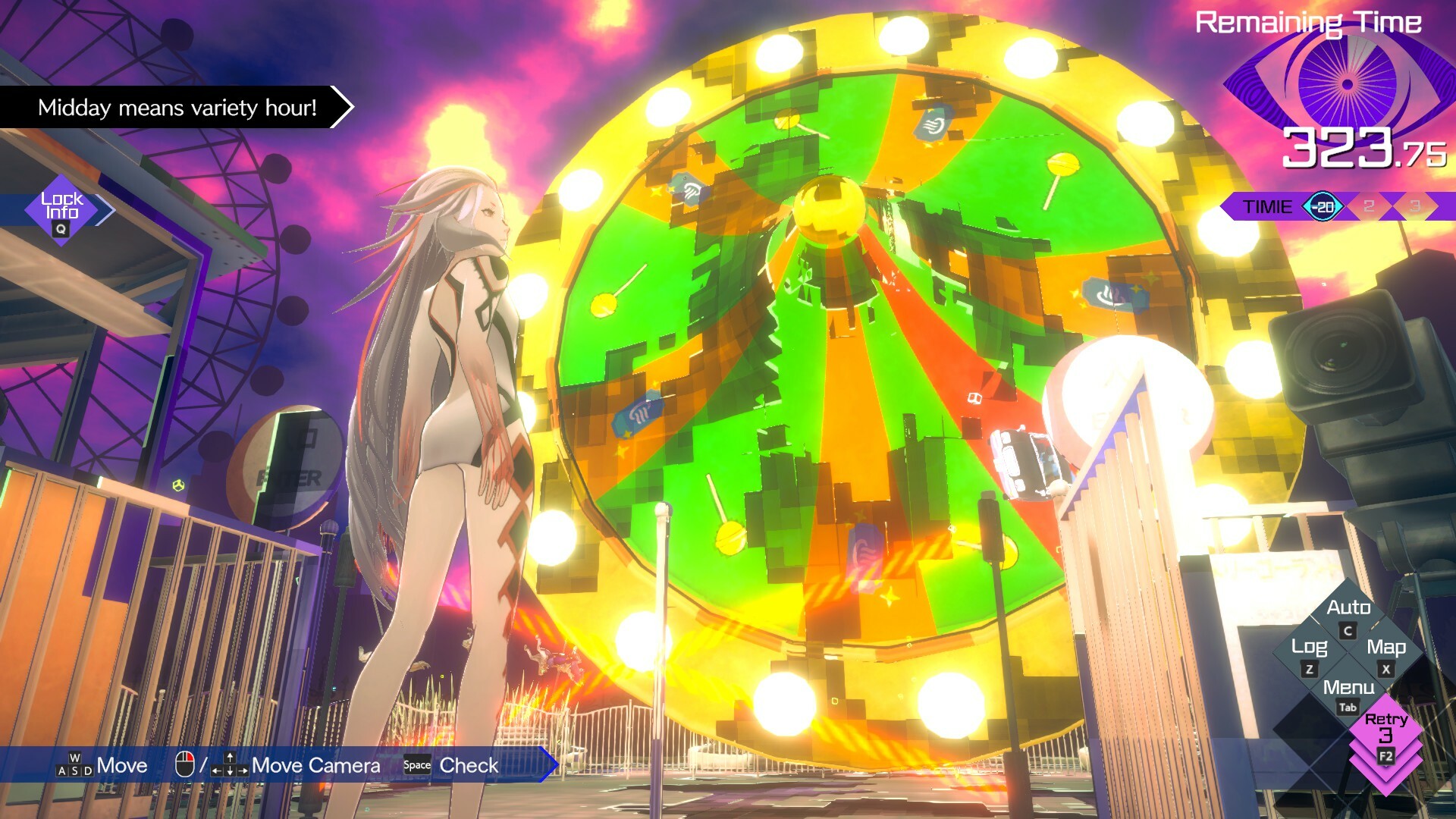
Even then, difficulty is subjective. “What one player thinks is easy, another thinks is impossible,” Yamada said. “That’s why we introduced four difficulty levels this time. It was the only way to give players an experience that matched their expectations.”
For Yamada, puzzles are not standalone amusements but narrative devices. “The puzzle has to fit the scenario,” he insisted. “We set the setting for each escape first, then built the puzzle around it. It had to feel like part of the story, not just something bolted on.”
Fan Expectations vs. Creative Limitations
More than once during the interview, Yamada returns to the weight of fan expectation. He knew players would come looking for a signature “Uchikoshi twist” — some ingenious narrative rug-pull. But he also knew replicating that was a tall order.
“I thought I wouldn’t be able to accomplish that,” he said. “Balancing what the fans expect with what I could realistically provide — that was the hardest part.”
Time and again, his comments circle back to that tightrope: mimic Uchikoshi enough to satisfy, but not pretend he could be Uchikoshi. Insert his own playful humour where possible, but respect the DNA of the series.
When asked what he’d like to achieve in the future, Yamada is hesitant. “This isn’t a series I created,” he said. “I don’t feel like I can declare what I want to put in.”
And yet, he admitted, spontaneous inspiration often sneaks in. “Like in nirvanA Initiative, I thought of something and slipped it into the game. I’ll probably keep doing that. If you see something funny or odd in a future title, that’s probably how it happened.”
Still, he allows himself to dream bigger. “If we were given a large budget and freedom, I’d like to try turning the series into a JRPG. Maybe Iris and Boss as playable characters. Maybe everyone as playable,” he said. “That might never be allowed, but it would be fun.”
No Sleep for Kaname Date was as much about Yamada testing himself as it was about delivering a game. Could he, with a compressed schedule and enormous expectations, prove that AI could live beyond its original creator?
He may not claim the series as his own, but in the act of mimicry, compromise, and playful improvisation, Yamada has left his mark.
“I don’t have some grand plan for the future,” he said. “But if the players enjoyed what we made, then that’s enough.”