

Before I fully launch into my review of Fatal Frame II: Crimson Butterfly Remake, a remake of my favourite horror game ever, bar none and by a considerable margin, I do have to register annoyance about something. Koei Tecmo: It’s only “Fatal Frame” in America, and that’s a far sillier name than its proper title, Project Zero.
Related reading: A remake of Project Zero 3 is also available on Nintendo Switch. Our review.
I understand why Koei Tecmo decided to consolidate the series’ title into one for the English-speaking world. After all, Steam and the various digital storefronts are now all pretty global, meaning that regional titles are more likely to simply confuse people. What I don’t understand is why we have to wear the on-the-nose, subtle-as-a-sledgehammer, very silly American title. Is it because Koei was concerned that Americans would find “Project Zero” too esoteric and not literal enough for their tastes? Probably. But, way to speak down to the rest of the world for the sake of one market, guys.
Anyhow, putting that aside, Project Zero II: Crimson Butterfly Remake is a remake of the most perfect example of Japanese horror that we have in video games, and the decisions made for the remake are, for the most part, good ones.

As I have overviewed several times in the past, Japanese horror is fundamentally different to Western horror. Where western artists tend to embrace the grotesque and create tension by putting characters in extreme physical situations, Japanese horror, with its roots in both yokai and yurei storytelling traditions, has a different focus. In these stories, the horror comes out of tragedy. Characters are still in mortal danger, so that side of the horror is still there. However, it’s the events that lead up to the ghost being created, and what happens to them, that is where the real horror tends to reside. Audiences are encouraged to be fully sympathetic to the plight of both the protagonists and the antagonist, which is different to Western horror where the monster is, typically, an object of abject terror.
Or, as noted in this useful essay and backgrounder to yurei: “Unlike general yokai, which can be whimsical or monstrous Japanese creatures, Yurei represent a more personal and tragic element of the supernatural. Their stories are usually deeply human, rooted in betrayal, loss, or injustice. They’re not always evil, but they are nearly always suffering.”
As a consequence of this different perspective on “the monster” in Japanese ghost stories, those same stories can be elegant, serene, and even beautiful. Indeed, bringing beauty into the stories is a useful technique for deepening the tragedy that Japanese storytellers have capitalised on for hundreds of years.
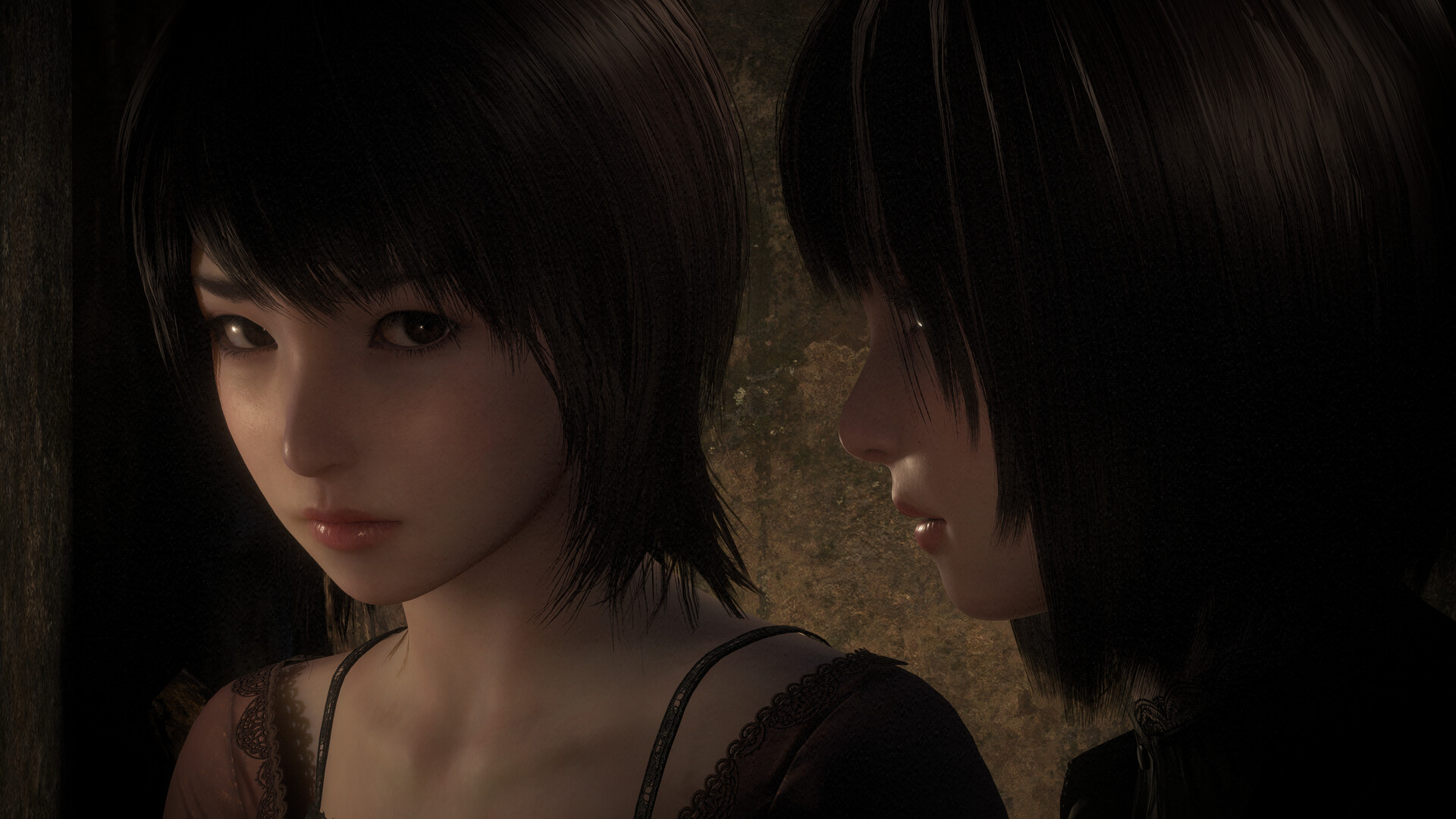
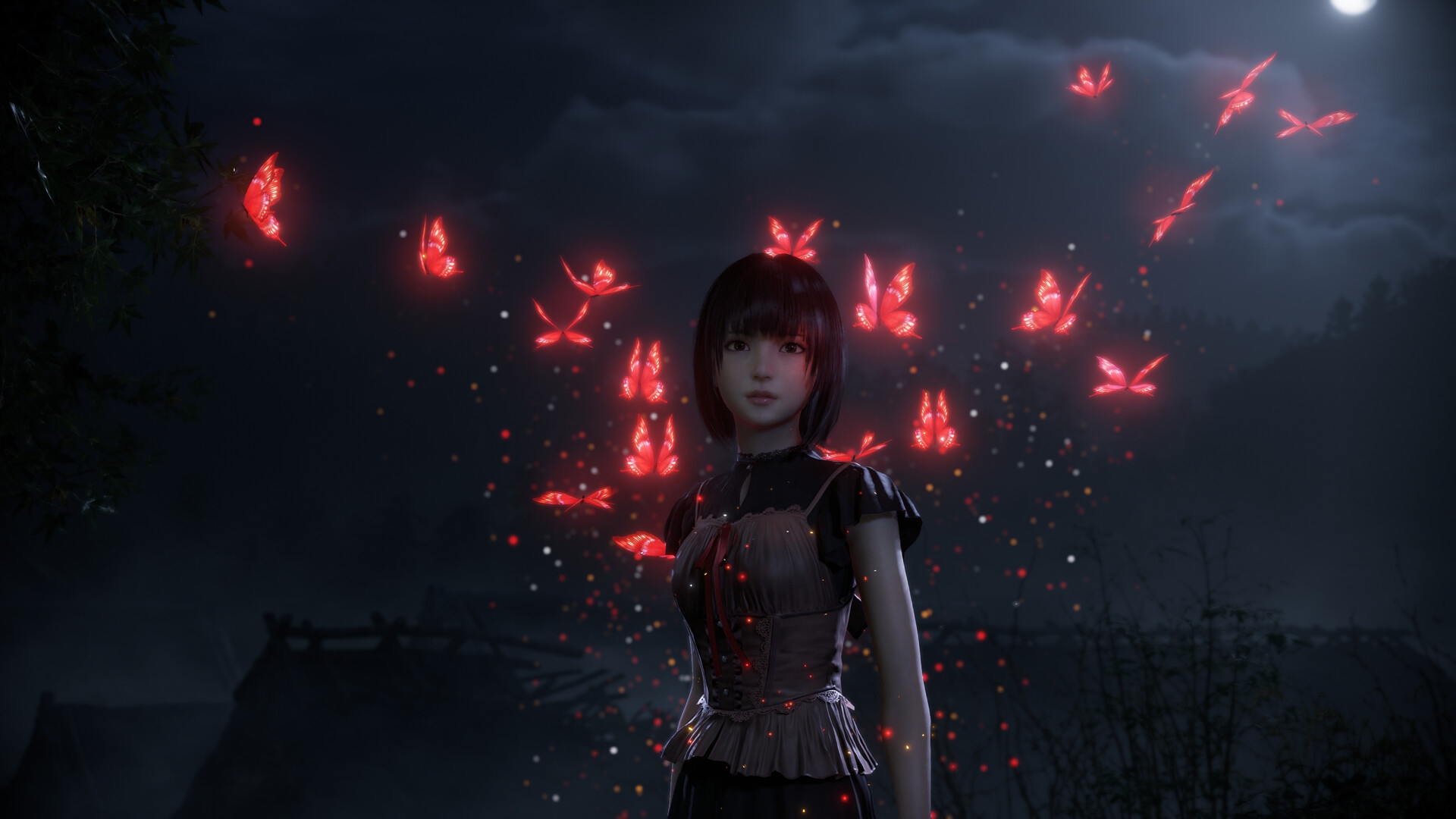
Which brings us to Project Frame 2. In a sharp contrast to the Western-inspired and newly released Resident Evil: Requiem, Fatal Zero 2 leans right into the yurei tradition, giving this game a totally different atmosphere and vibe to Capcom’s behemoth. Above and beyond everything else, this game is beautiful, with aesthetically stunning characters and an environment that, as decrepit and haunted as it is, also represents a particularly beautiful approach to Japanese architecture and urban design.
Backing that sheer beauty up is a sense of ethereal serenity that feels like it should be at odds with the horror, but somehow works, both aesthetically and tonally. Characters move slowly, almost molasses-like, even when running. Mechanically, this dials up the tension since you’ll never feel quite able to manoeuvre and outpace the spirits that haunt you. Thematically, it builds a lingering effect into every new location, every battle, and every action, which subtly enhances the serene beauty of it all.
The result is the kind of horror that won’t be for everyone. That’s Resident Evil, if you are looking for that. 2 Project Frames is more cerebral and introspective, really rewarding people who allow the atmosphere to fully wash over them, and who allow themselves to care about the characters and situations. Do that, and the game will have that deeply haunting quality that you’ll never quite get out of your mindspace. I know I’ve never had to think hard to remember the particularly affecting moments of this haunted house in the many years since I rented the original on PlayStation 2, and didn’t leave my room for days afterwards as I made my way through it.
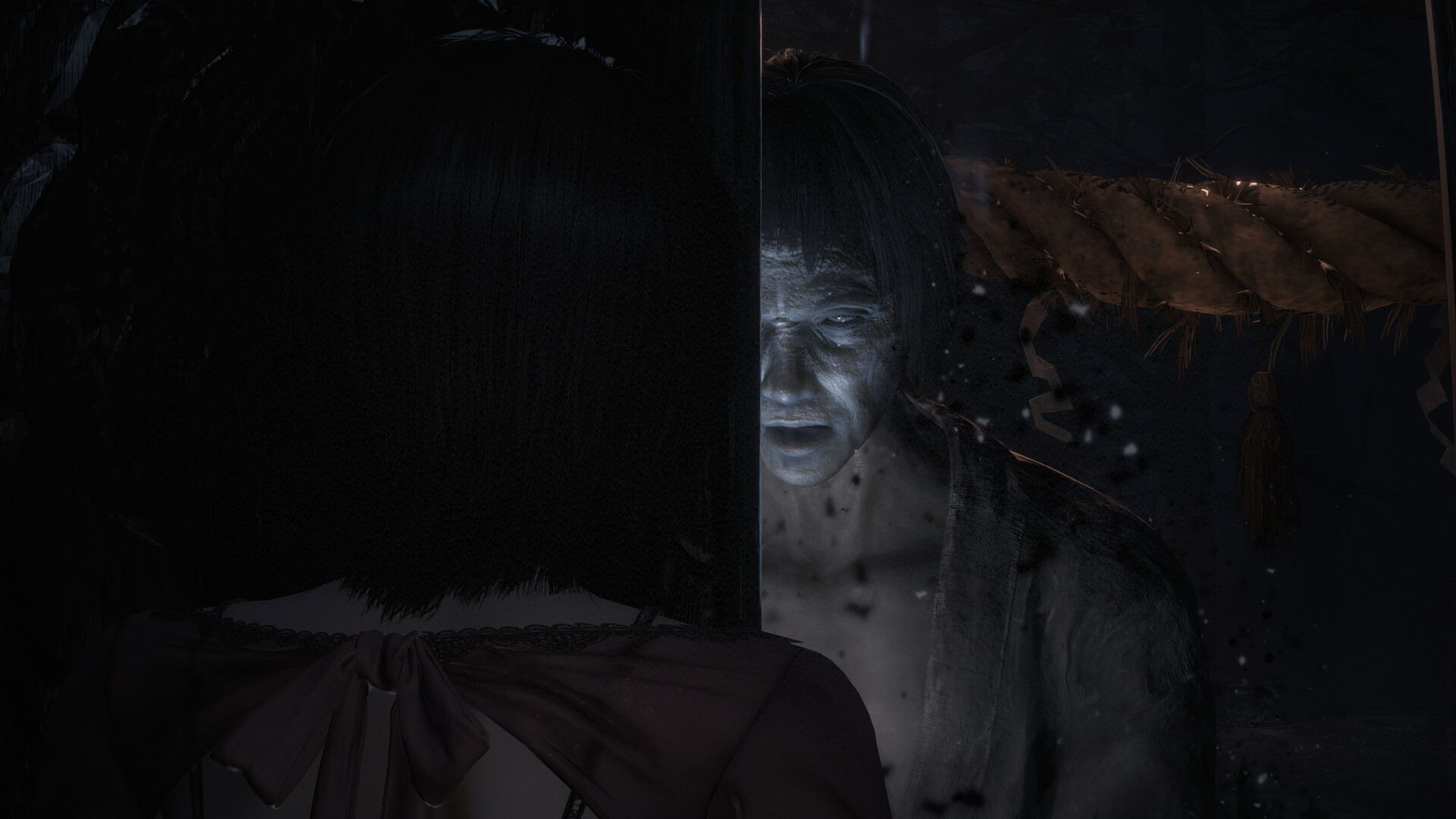
While the remake work that has gone into Project Fatal 2 is not as extensive as we’ve seen in the Silent Hill and Resident Evil remakes, it’s also by no means a lazy port. The graphics have always supported stunning art direction, as we’ve already discussed, and Koei Tecmo has moved all that to a new engine, to allow for higher quality character animation, detailed environments, and the rest. It does come at the expense of frame rate at times – in fact, the game really does stutter at points – but that rarely impacts on playability, and I enjoyed the new perspective on the world.
(There’s also a new ending and additional side-stories, and after playing this game so many times now, I really appreciate that the additional depth to the narrative there).
Gameplay, meanwhile, has been heavily overhauled with an all-new Willpower gauge, giving the ghosts a second “health” bar to whittle down, as well as a new emphasis on stealth and avoiding combat with certain spirits. When you do get into combat, the series’ iconic Camera Obscura has had some much-needed upgrades to give you greater depth and intensity in those battles. The addition of upgradable lenses, in particular, adds a lot to the relatively straightforward mechanics of the original Frame Zero 2.
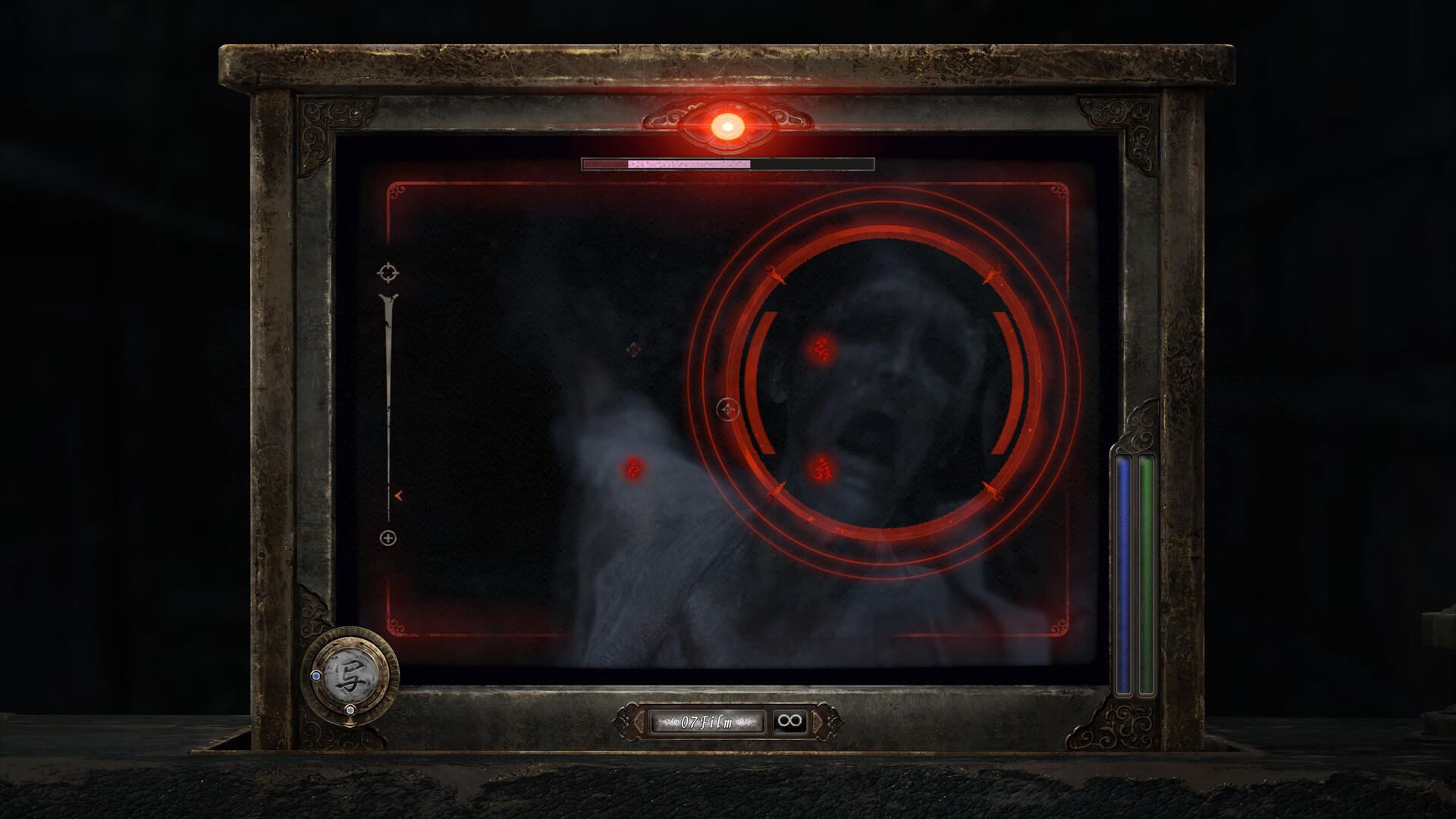
None of the gameplay additions has changed the texture of the narrative of Fatal Frame 2, and if you have played the game before and found that it wasn’t to your taste, these changes aren’t going to turn you around on it. However, it does show that Koei Tecmo wasn’t taking this remake lightly, and that the effort to make it look and play like a 2026 horror game is a genuine one. The only part I didn’t personally get along with was this need to play hide and seek with the ghosts, and try to keep light use and sound down to a minimum. I’m not opposed to that kind of stalker horror that the developers have borrowed from for this feature. I just don’t think it particularly suits a game where the horror comes from having to invite ghosts to get really close to you (so the camera can do maximum damage). This introduces a different layer of horror, and with the dissonance between artistic themes and gameplay, it’s not quite as effective.
Related reading: Hey Capcom, what do we need to do to get a remake of Clock Tower 3 happening?
With that said, and speaking of audio, make sure you play this with the best pair of headphones you can get your hands on. Koei Tecmo has implemented spatial audio this time around, and there’s nothing quite so intense as being fully enveloped in a haunted soundscape.
I’ve played, and loved, Project Zero 2 many times over, with both the PS2 and Nintendo Wii versions. While it would have been nice for Koei Tecmo to get the frame rate under control for the sake of the cinematic quality beating at the heart of Fatal Frame 2: Crimson Butterfly Remake, in every other area, this remake deepens the gameplay mechanics while maintaining the incredible art direction and torturously beautiful story. That makes it the superior version of the finest horror game of all.