

Nintendo’s timing with its no-pressure comfort food games has been fortuitous. Animal Crossing landed at almost the exact moment that people around the world were desperate for some no-stress escapism from COVID-19. Now, Pokémon Pokopia launches right at the time that America massively escalates global tensions by committing war crimes in Iran. Millions of copies have already been sold. Clearly, people need escapism again.
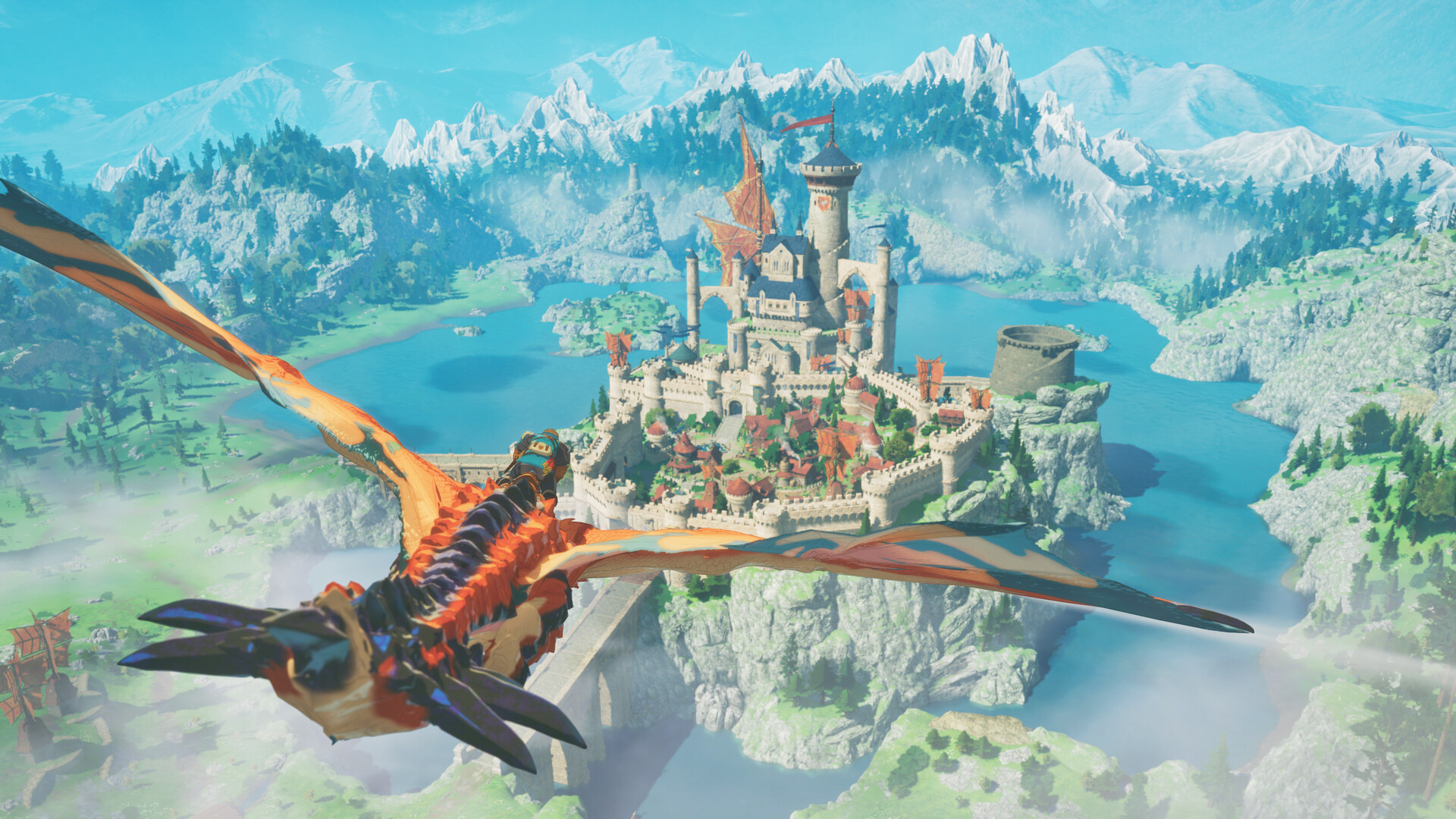
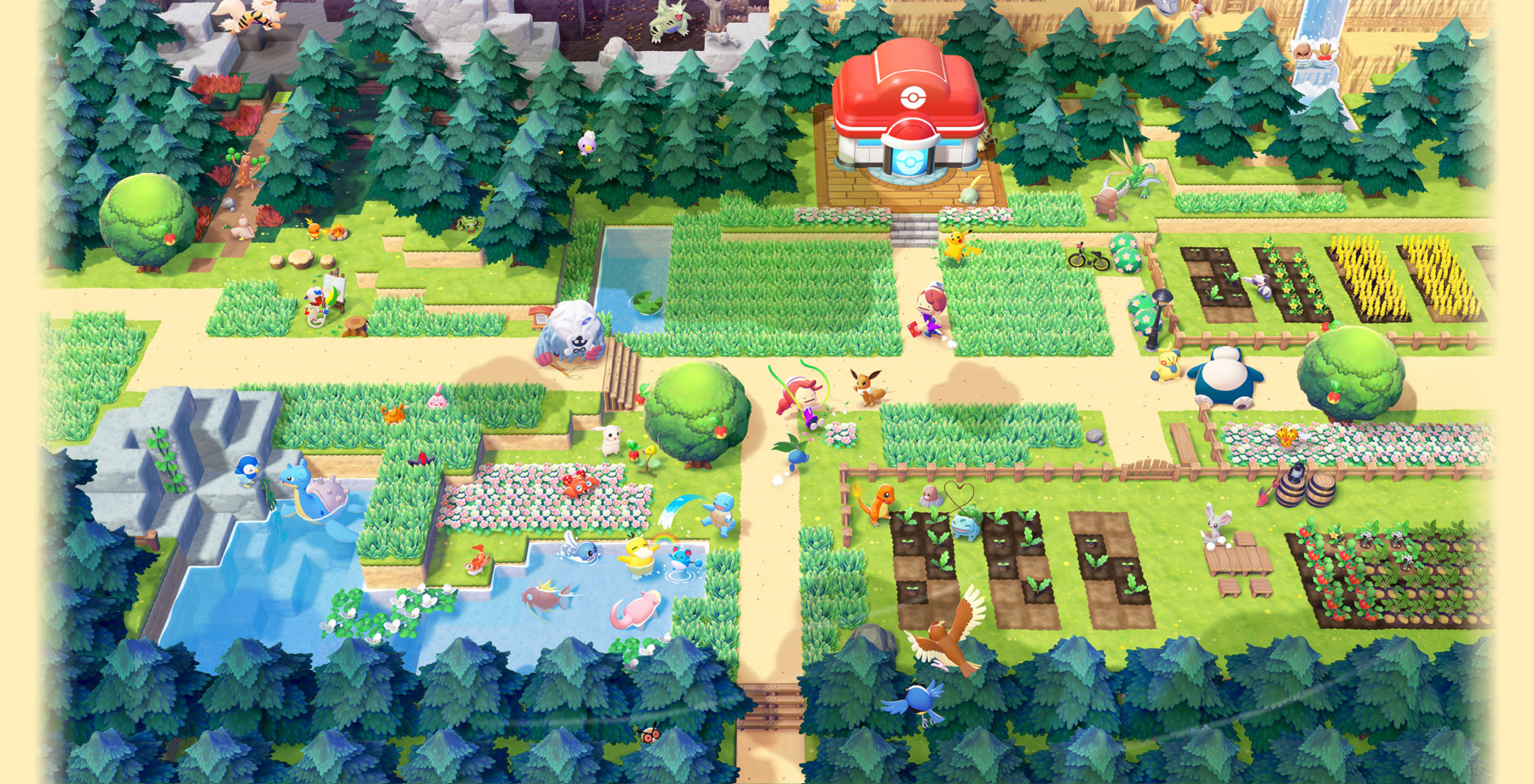
The best way to describe Pokopia is that it’s what would happen if you blended Animal Crossing and Minecraft together, and then threw in the entire Pokedex. If that sounds like a brilliant idea, then that’s because it is, because this game is incredibly moreish right from its opening seconds.
You play as a Ditto that has decided to mimic a human form. The world is empty and devoid of life (both human and Pokémon), and your goal, with no particular time or agenda attached to it, is to bring the world back to life and ultimately fill it with people and critters again.

Initially, you’re very limited in how you can actually do that. You get the ability to water the ground, and also pull up tufts of grass, and that’s about it. But it’s enough. Properly water and grass-up certain patterns, and you’ll create habitats that attract new Pokémon to move in. These Pokémon can give you items and ideas for things to build, which will broaden the kinds of habitats you can create. They’ll also help you with constructing buildings, gain new skills, and be able to explore larger areas.
Basically, Pokopia provides you with an endless checklist of things that you can do, and then leaves you to play in the sandbox on your own terms. It’s a bigger game than Animal Crossing, with far larger spaces to explore, more Pokémon to meet, and more activities to do. But there’s also no pressure to make progress through that checklist. The vibe of the game makes it perfectly clear that if you’d rather spend time decorating your home, or creating interesting spaces around you, then that is a perfectly valid way to spend time in the little world.
You can decorate just about everything you see, too, with a massive range of items to do that with. Every Pokémon habitat starts out with just a few objects, but the residents will frequently ask you to do something to make it prettier or more comfortable for them. There are too many Pokémon to indulge in full (unless you have a LOT of time on your hands), but just looking after your favourites soon fills the world with all kinds of pretty junk.
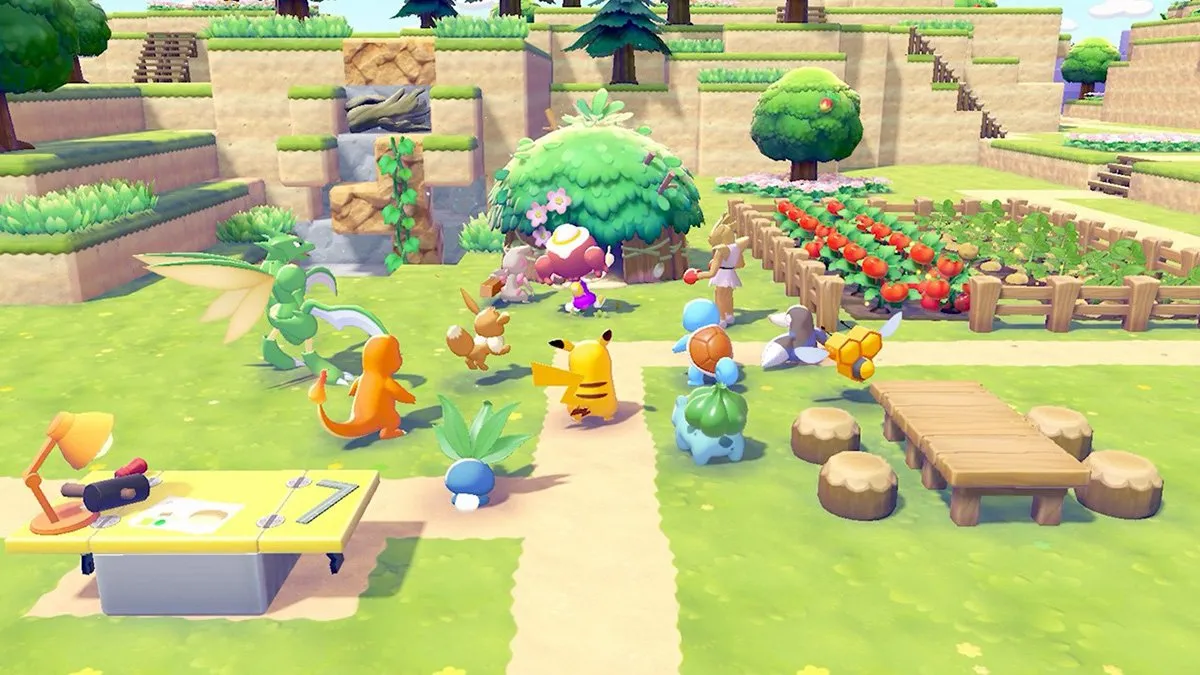
After the first few hours, the spaces start to feel more alive. Each Pokémon wanders about their day, doing their own thing. They’ll chat in little groups with one another, rest and play around you as you work. Each has its own personality and quirks, and once there are dozens of them out there, the once wasteland suddenly feels like a real community.
There is a stronger sense of narrative than either Animal Crossing or Minecraft. Interactions between Pokémon are brief and to-the-point, but there is a line of activities that you can do that will further a plot that is less-than-subtle about its environmental message. Pokémon has always been firm on the idea that people should respect the natural world (and animals) around them, but that has traditionally been undermined somewhat by the fact that you’re throwing your critters into dog (or Psyduck) fights. There’s no combat in Pokopia, which makes the messaging much more resonant.
While Pokopia is totally different to Pokémon’s mainline games, it does have the same core concept of “catching ‘em all”, and it is every bit as thrilling when one of your favourites shows up (Psyduck). But finding your best buddy is not down to the luck of wandering through patches of grass any more. Instead, you need to track down a blueprint for that Pokémon’s favourite habitat. It could be as simple as a couple of patches of grass under a tree. Or you might need to have a specific stool and a fishing pole. Or a gym bench and a punching bag. With 300 monsters to “collect” you’re going to be spending a lot of time manufacturing a dizzying range of items to fill out these habitats.
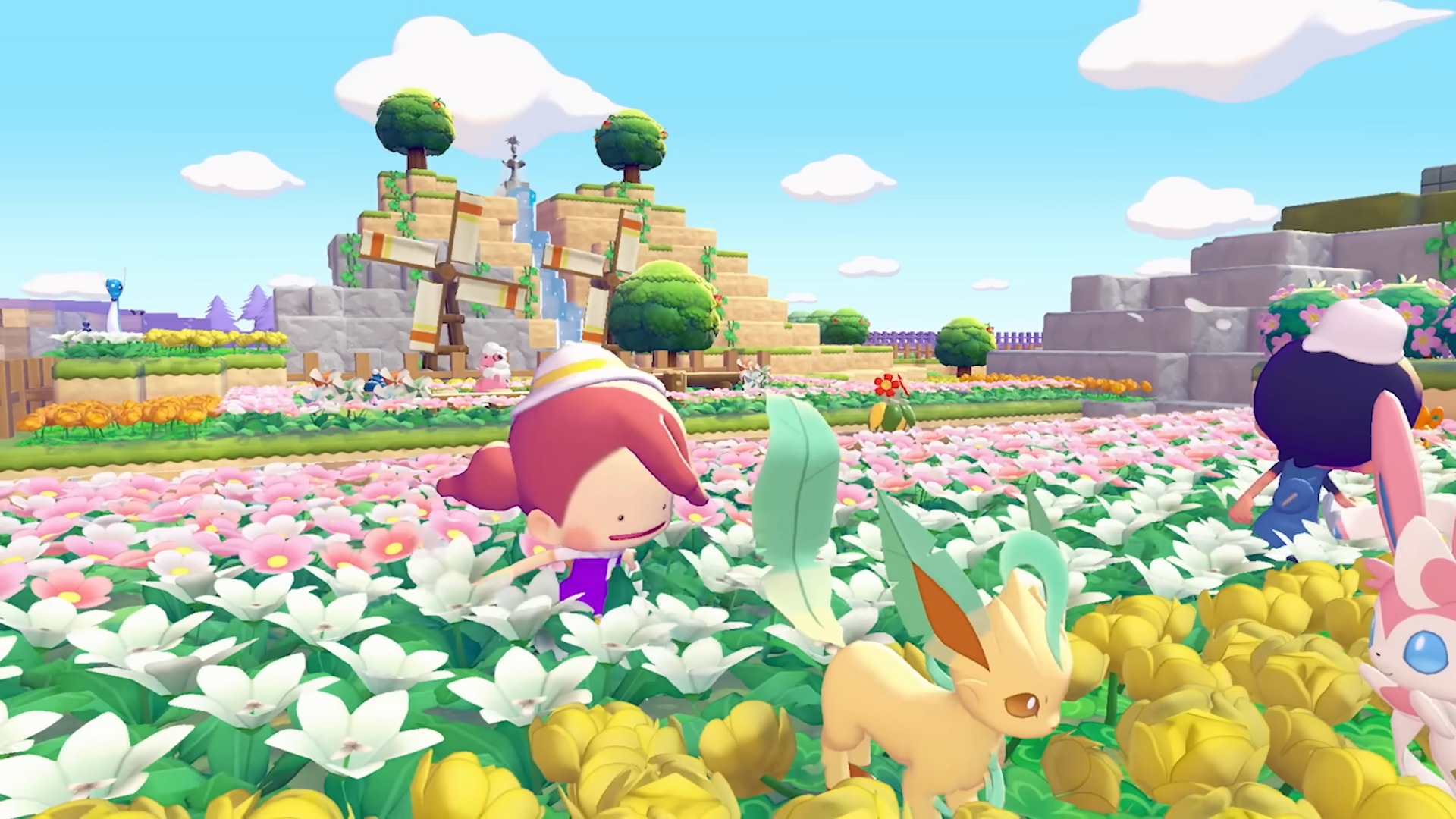
Pokopia is going to occupy you for so many dozens of hours. Even once you’ve completed the main story and collected all the Pokémon, there’s still the core sandbox to play around with. Where Animal Crossing does eventually become a series of routines that you get stuck into until eventually it becomes dull, Pokopia resists falling into the same box by simply giving you so many objectives for when you don’t feel like simply inhabiting the world. Which is just as well, because we’re all going to need a lot of this kind of calming escapism over the next few years.