

I’ve been making my way through the surprise-dropped Tomb Raider Definitive Edition that landed on the Switch a few weeks ago, and with two new Tomb Raider games just announced (albeit with a new publisher), that turns out to have been good timing to remind myself of the direction that Crystal Dynamics has been taking the character and her adventures. This is the third time I’ve played this particular game, and on the Switch 2, it’s an excellent port, albeit of a game that I’m finding more difficult to parse with each pass through it.
To be clear, in many ways it is a very good game. The moment-to-moment action is taut and engaging, with enough variety between combat encounters, “platforming” bits, puzzles and opportunities to explore that you never feel like you’re going through motions. However, it’s not timeless, and that’s the first issue with this remaster.
Originally released more than a decade ago, this Tomb Raider is a product of its time, and at the time, Sony’s Uncharted was at its very peak, so the developers dutifully cribbed from Nathan Drake’s adventures as much as they could. The result was a game that diverged massively from the Tomb Raider titles before it. It played well in comparison to them, and indeed did a good job of capturing the kind of structure that made Drake’s stories so popular, but that came with a consequence that there were patches where this Tomb Raider simply didn’t feel like a Tomb Raider title. The fact that the tombs that you raid were largely shunted off as side quests for bonus loot, and the rest of the time you were busy taking down goods in Uncharted-style pitched battles, meant that if you squinted, you could have easily replaced Lara with Nathan and nothing would have looked out of place. Such an iconic character deserves better.

Then there’s the disconnect between the desperate situation that the cut scenes tell us Lara is in, and her resources and general ability to overcome those challenges. The first few hours, in particular, are pure grindhouse horror stuff and Lara’s so green that she’s barely holding it together. In the cut scenes. As soon as you’ve got control over the action, Lara is an expert marksman with a gun and bow and arrow alike. She also has exceptional stealth skills, is world-class at both mountain climbing and parkour, and resourceful enough to modify her equipment and make sure it never runs out of ammunition.
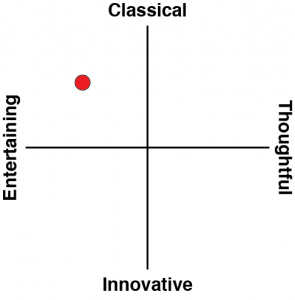
When you play through the game for the first time, none of this is overly evident, because the plot ahead is unknown and the blockbuster pacing means you don’t really have the time to sit down and think it through. Now, though, more than a decade later, the lack of coherence in the plot due to the efforts to crib gameplay from an entirely different franchise leaves the overall experience feeling transient. Is this really an origin story? The gameplay isn’t built around that idea. Is it really Tomb Raider? No, because it wants to be Uncharted. This game has in many ways become symbolic of a problem that a lot of blockbusters from 2010 onwards are going to face as publishers try and dust them off: When you make paint-by-numbers games that have big budget production values but are cobbled together by best practices rather than an effort to give the game its own unique identity, what you arrive at is a dictionary-definition pastiche.
Pastiches tend to be difficult to fully identify and deconstruct at the time, particularly in the video game industry where everything is so carefully calibrated to generate excitement, but eventually the weaknesses in the foundations do become evident, and at that point we all start to realise that the game, as a work of art, just doesn’t have much going for it beneath the most shallow of surfaces.
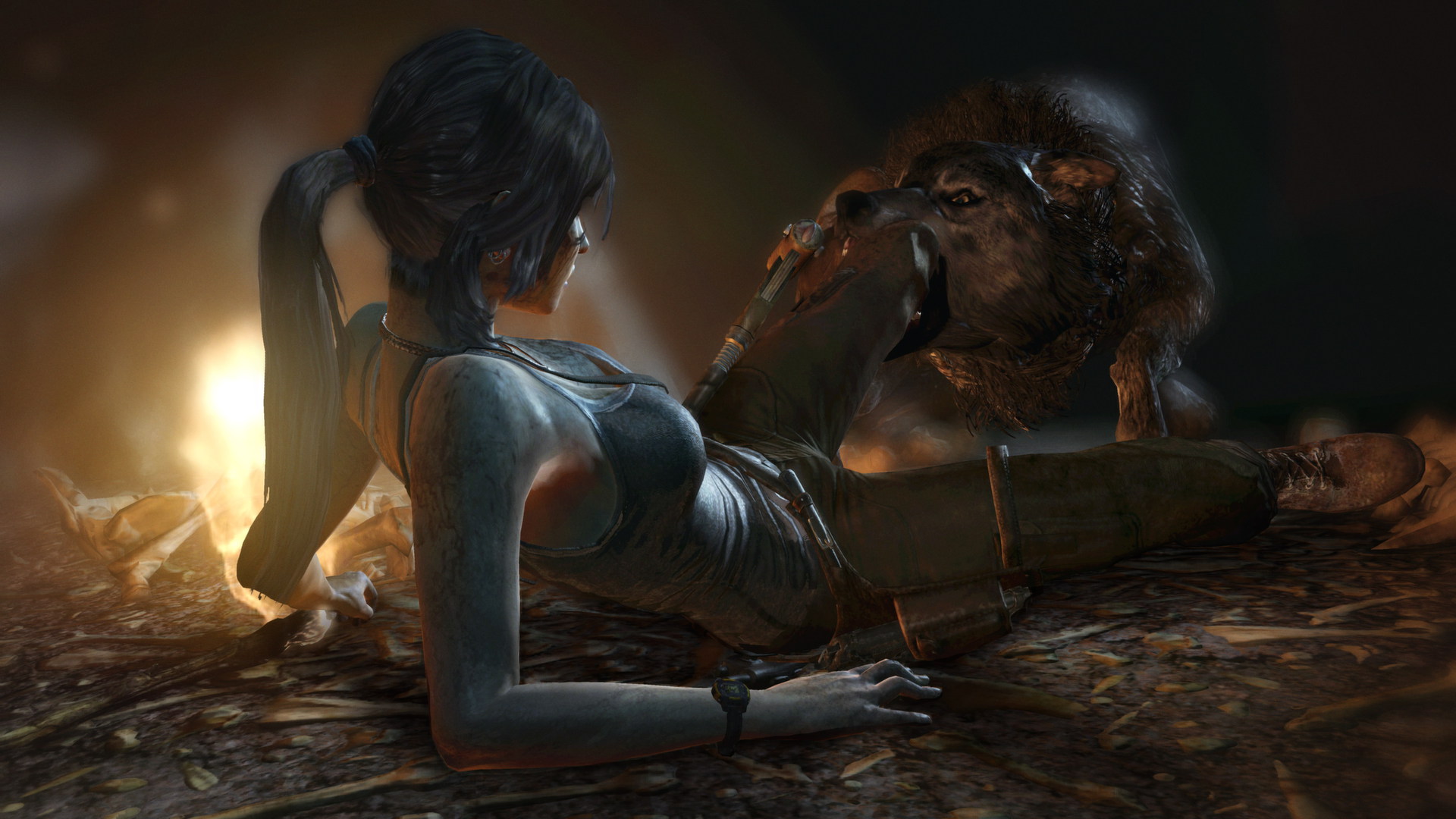
All of this is to say that I’m now looking forward to these next Tomb Raider titles with a healthy trepidation. It’s not that I don’t think they’ll be fun at the time and well-made according to today’s best practices (it’ll be interesting to see what those will be as “best practice” design has now moved away from Uncharted). I’m just not sure that we’ll see Tomb Raider stand out as its own thing any more. For good or bad (and some Tomb Raider games before this one were very, very bad), there is something to be said about developers who stand by a unique voice for their projects.
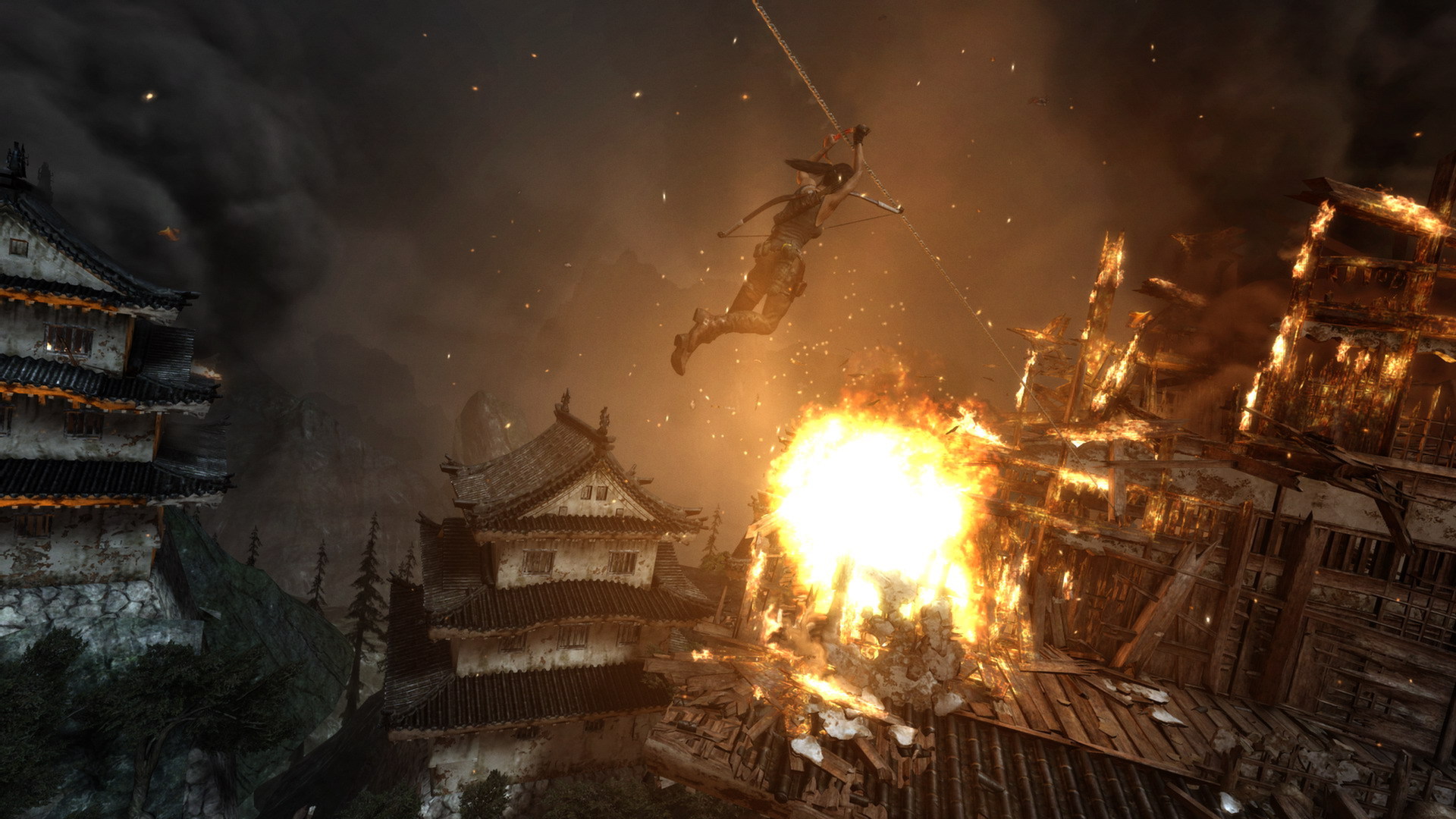
None of what I have said is particularly fair to Aspyr, the developer behind the port. Their work is genuinely impressive. Lara and the world of Yamatai that she’s exploring looks excellent on the Switch 2 in handheld mode. Framerate is smooth at all times, and locked at 60fps, and while it’s possible to get versions of this game that have superior detail in the graphics (Lara’s hair physics being a famous example that is lacking here), the broad strokes art direction is exceptional. As a guy who has a challenging relationship with heights, I still to this day find the scene where Lara has to climb to the top of a rickety radio tower to be sweat-inducing, and that comes down to the excellent cinematic art direction. In general, panning back and seeing the world around Lara is consistently screenshot-worthy, and the gunplay, explosions, and big set moments carry all the energy and drama, combined with subtle and well-done lighting effects. It’s particularly immersive with a good set of headphones on.
If you’ve never played Tomb Raider, then you can grab this and enjoy the ride. It still looks comparable to other modern titles on Switch 2. The action is also taut and, the first time through, exciting. The thing is, though: Tomb Raider just isn’t worth replaying that often. The best games – as works of art – delight over and over, no matter how familiar they become. With Tomb Raider, and so many other blockbusters over the last 15 years, familiarity just makes the lack of creative inspiration behind them and the slavish devotion to risk-free content delivery all the more apparent.