

Raidou Remastered: The Mystery of the Soulless Army was originally released before Persona 3. That was a very different time for Atlus as a company and this entire property. Before Persona 4 and, particularly Persona 5, took the broader Shin Megami Tensei name to the mainstream, SMT were these dark and thematically dense titles, and comparing them to their genre contemporaries was like comparing Palme d’Or award winners to the typical Academy Award winner. If you’ve ever played the Digital Devil Saga titles in particular, you know what I mean.
Raidou comes from that era, and I’m not sure how people weaned on Persona and Shin Megami Tensei V will respond to it. It’s pretty bleak and does make you work for its richer meanings. In writing this review, I looked back at what people had to say about it, and more than a few handwaved the narrative past as “shallow” or “simple.”
It’s not really either. Raidou Remastered takes place during the Taisho era of Japan (1912 to 1926), and this was a monumental period for shaping the nation. It was a brief slice of peace for a country that went through devastating wars on either side of it, and was a period where the nation grew in wealth and international stature significantly, becoming the power that would go so badly in the decades afterwards.

Why it did so has a lot to do with forces that were bubbling along under the surface during that same period of prosperity and peace. Underneath, there were cultural tensions between a desire for modernity and a respect for tradition. There was a strong wave of nationalism being built up as Japan emerged as a major military power. There was a sense of defiance and anger that the country had been so threatened with colonisation by European and/or American powers (as much of Asia around them was), even as they were also fascinated with innovation, particularly from England.
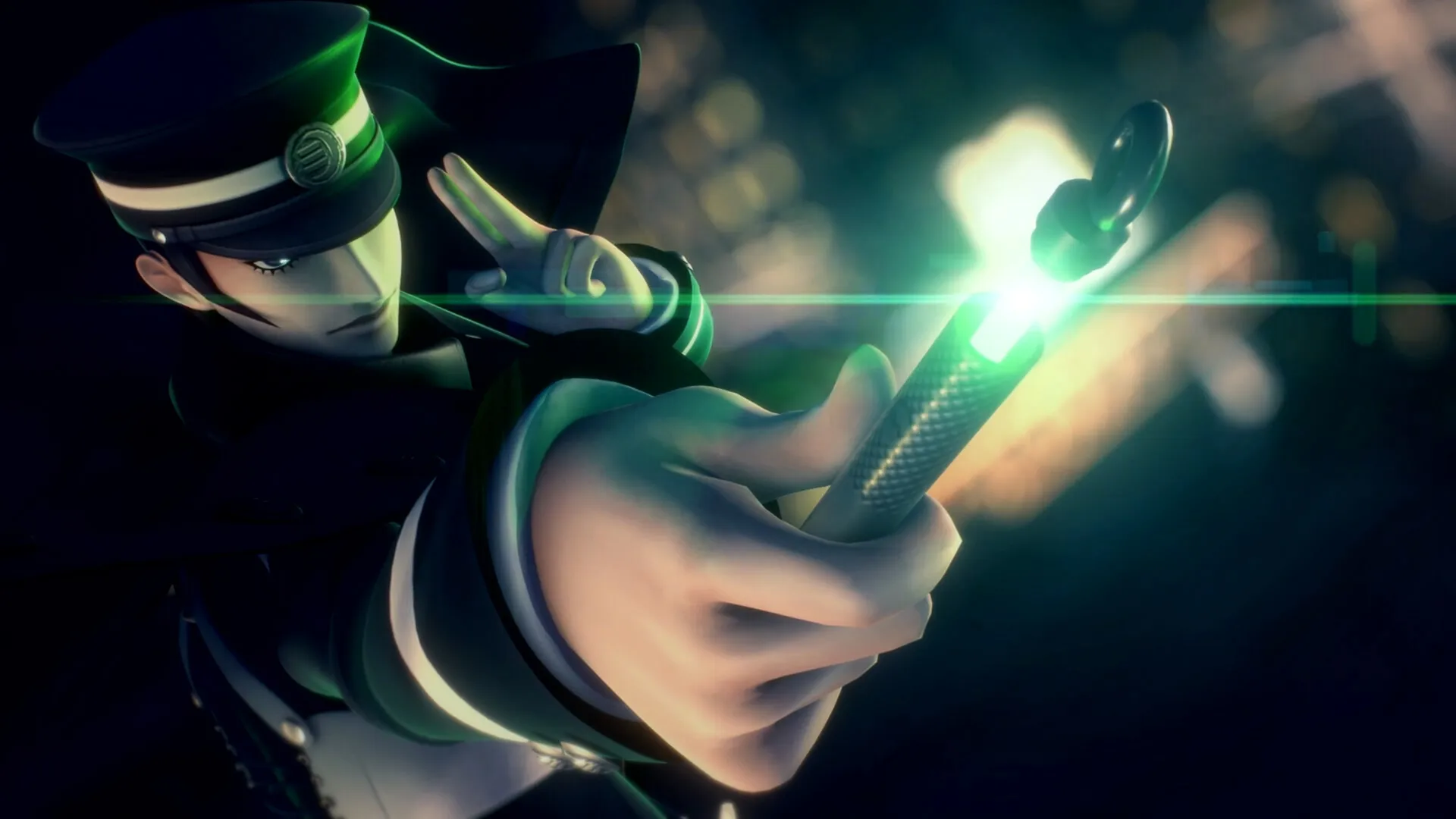
To this day, the Taisho area tends to evoke a mixture of nostalgia and reservation from the Japanese – if you’re interested in reading more about it I highly recommend Japan Story: In Search of a Nation by Christopher Harding. Often we see games, films, anime and whatever set during the Taisho era and gloss past it, enjoying it for the unique aesthetics of the time, but there’s often much more to it than that. People tend to set their works in that era to explore very specific themes around nationalism and that tension between cultural forces, and Raidou Remastered is in that same vein. You play as a detective/student wearing a very military-style uniform (common at that time), navigating a world where there is a bubbling, dark underbelly to society that threatens to consume an outwardly vibrant city community.
Things start out pretty straightforward after a girl approaches you, begs you to kill her, and then is promptly captured by masked red coats demons. In the early stages, this seems like a pretty straightforward investigation and rescue mission, even if there are a lot of demons to fight, recruit, and kill in the process. But it doesn’t take long for the twists and turns to start cutting in, and the deeper you get into Raidou, the more you’ll realise that it’s really quite a smart and insightful game, with some strong themes that are well executed. It’s not the longest JRPG by today’s standards – a leisurely pace will get you to the end in about 35-40 hours, but it does have a way of staying with you, and perhaps inspiring you to learn a little more about the many reference points that culminated in the game.
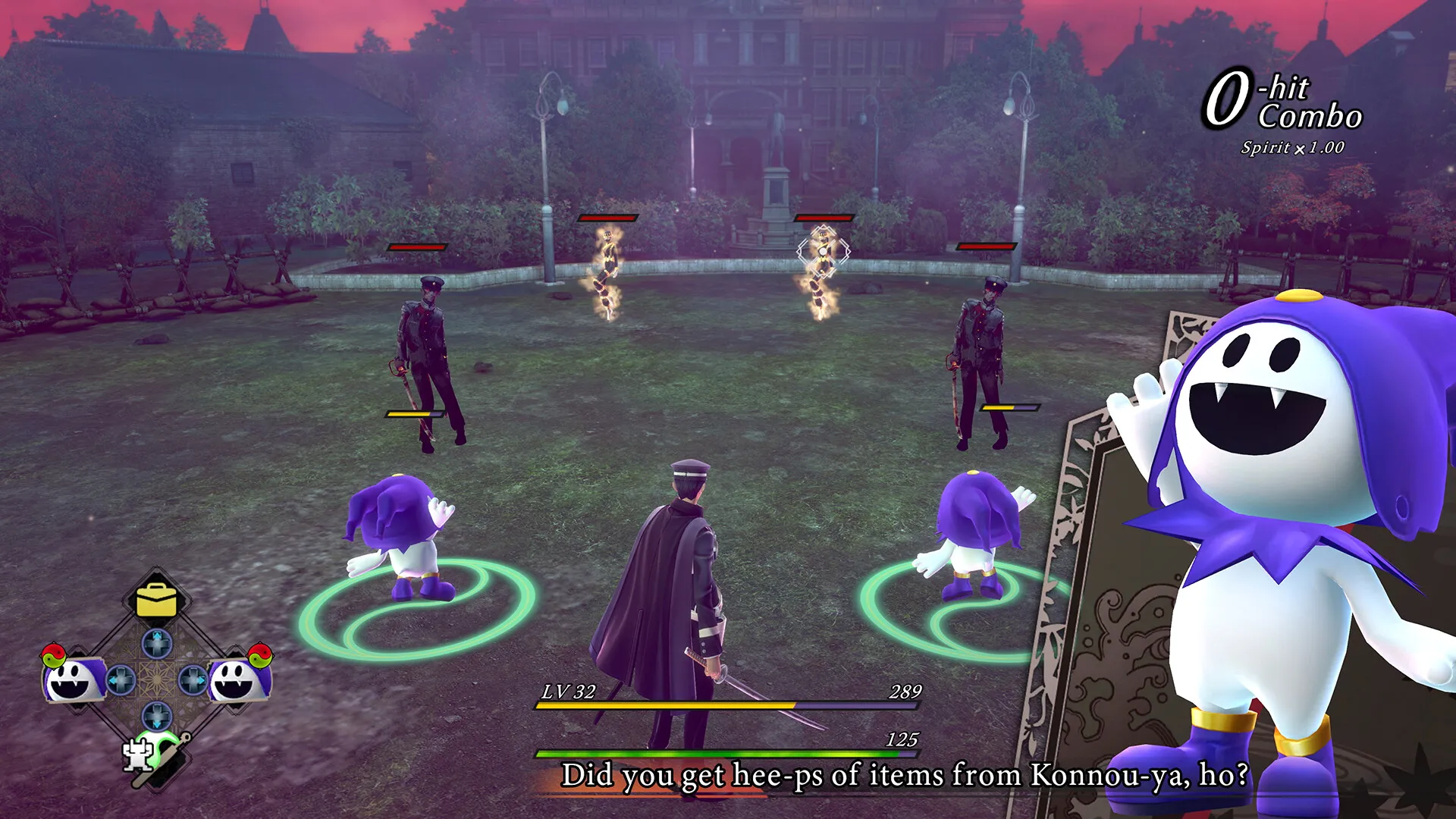
What I was less enthusiastic about as I played was the combat system. Most of the titles in the expanded Shin Megami Tensei franchise are turn-based, and intelligently, challengingly turn-based. You need to carefully exploit enemy weaknesses, make intricate use of a broad mix of abilities, and make sure you’re keeping a good collection of the demons that you collect as you adventure.
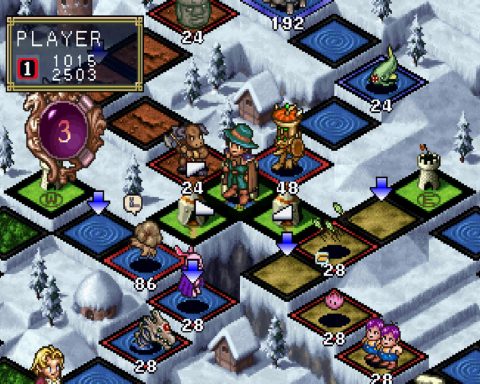
With Raidou Remastered, a lot of that is replaced by an action combat system. You can have a few demon allies out with you, but they largely fight by themselves, much as you’re expected to. They are also at their most effective when you allow them to use their special abilities. You can turn that off, but if you do, they’ll just do normal attacks for minimal result. However, leaving them up to their own devices will drain the collective magic pool that you all share quickly. Normal-strength attacks generate magic, so you’ll spend a lot of time mashing that button trying to keep the resources up, and that becomes tiring fairly quickly.
Otherwise, it’s structured like an SMT title. Demons unlock new skills as they level up, before eventually hitting a ceiling, and it’s at that point that you’ll want to trade them up for a more powerful demon. When you level up you get to improve one of five different statistics and… that’s about it as far as character customisation goes. Raidou Remastered is playable, but it’s also easy to see why Atlus didn’t persist with the action combat system. For this particular series, the ability for turn-based combat to be nuanced and thought-provoking matters.
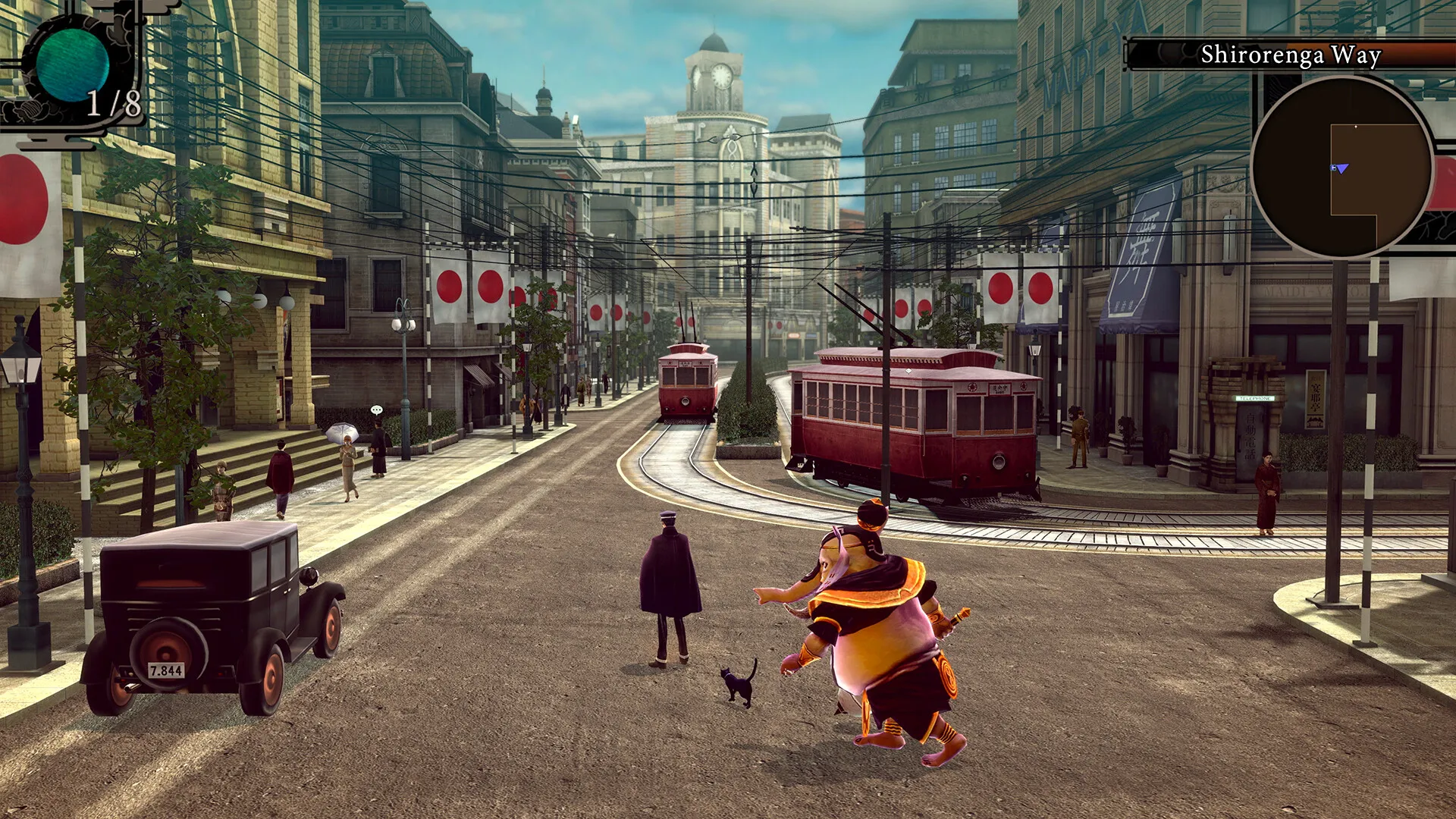
Outside of combat, the detective sections are handled well. Demons play a role here too, as the general population can’t see them, but you can as them to do things like read minds to give you clues about what to do next. These are basic puzzle mechanics, but suit the detective theme nicely and give the out-of-combat sections a neat “Akechi Kogoro” quality. For those who aren’t aware, Akechi was the “Sherlock Holmes-like” creation of Edogawa Ranpo. He first appears in a story right at the end of the Taisho period (1925), is considered the first recurring detective in Japanese literature, and remains enormously influential today. Persona 4 and 5 themselves reference him and his exploits.
The difference between Akechi and Holmes is that the Akechi stories often featured supernatural elements, which makes him all the more perfect for Shin Megami Tensei and this Raidou Remastered. There’s no need to have read Ranpo to enjoy the detective fiction this game puts up, but it is a very clear influence – once again highlighting that a lot of the depth in the narrative comes not from the story itself, but all the various influences and themes that the developers drew on to build it.
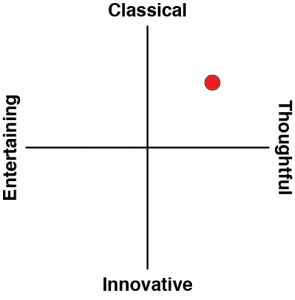
Raidou Remastered: The Mystery of the Soulless Army is one of the more niche Atlus classics, but the remaster has been well worth the time and effort. There is a dark and culturally interesting heartbeat at the centre of this one, and while I do prefer turn-based combat to this action button-mashy stuff from Atlus, I was more than willing to put up with it for everything else about the game.