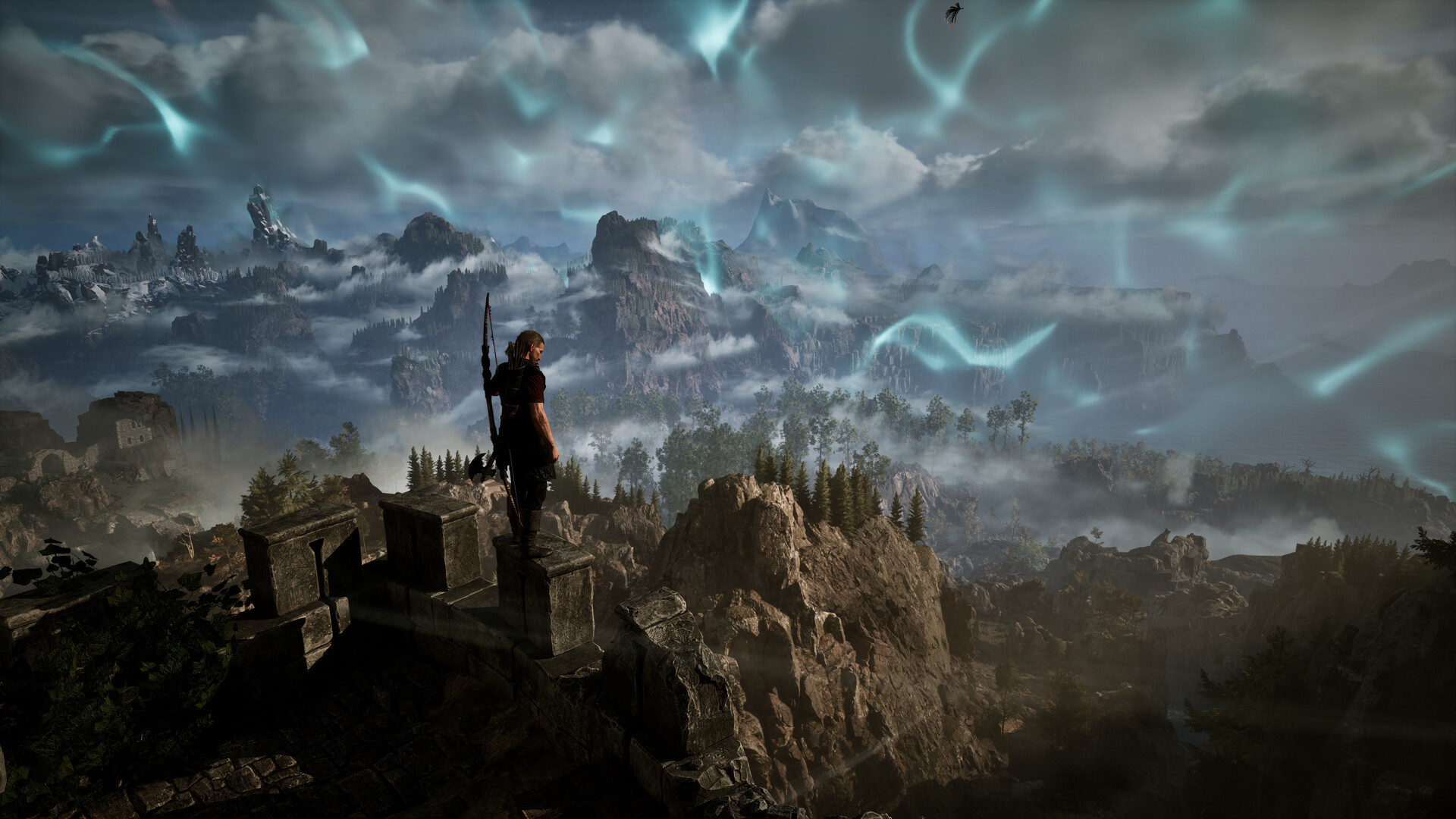


To review the Gothic 1 Remake, I played it side-by-side with the original Gothic, as released on the Nintendo Switch. One hour in the remake, one in the original. Then back to the remake. I did that because Gothic is, in its own little way, an enormously influential classic. It paved the way for what we lovingly call “Eurojank” today; RPGs that are usually made by tiny teams with very big visions, and the results are always more ambitious than technically competent. Yet it is that rough quality that we love about Eurojank. It’s the X-Factor for the “genre”, and I was actually sceptical about the efforts to bring polish and modern production values to Gothic. I worried that it might undermine the very thing that made the original game so wonderful.
Thankfully, the developers did largely nail it.
The first thing you’ll learn about Gothic is that the game is cruel. And perhaps it’s Stockholm Syndrome talking here, but I am so glad that the developers of the remake made it very clear that they weren’t going to mess with that. Take two steps off the beaten path before you’re properly equipped and prepared, and some monster is going to splatter you. What makes it cruel is that Gothic doesn’t signpost the danger areas in its large open world. Or show you where you can go and relatively safely adventure in the early stages. Or really explain anything at all to you.

At the start of the game, you meet a character that offers to walk with you to the first city (and that’s just as well, given that the rule about things being willing to kill you if you step in the wrong direction applies to the “tutorial” too) and… that’s it for hand-holding. The guy answers a couple of your questions, and then you’re left to go and figure it all out yourself.
This means tracking down and speaking to just about every named NPC you can find, and then really paying attention to who they are, what information they have to share, and how they might be involved in your eventual quests. There is a quest logbook, but you’ll likely want to take notes of your own as well – this is one game where you’ll actually want to have a physical notebook.
And you need patience, both for the likelihood that you’ll be loading save files more than a few times, and for the fact that the game is a slow-going slog at times, particularly in the early stages, where finding a rusty sword feels like a major loot haul. Gothic was first released 25 years ago. Pacing was slower back then, particularly in RPGs.
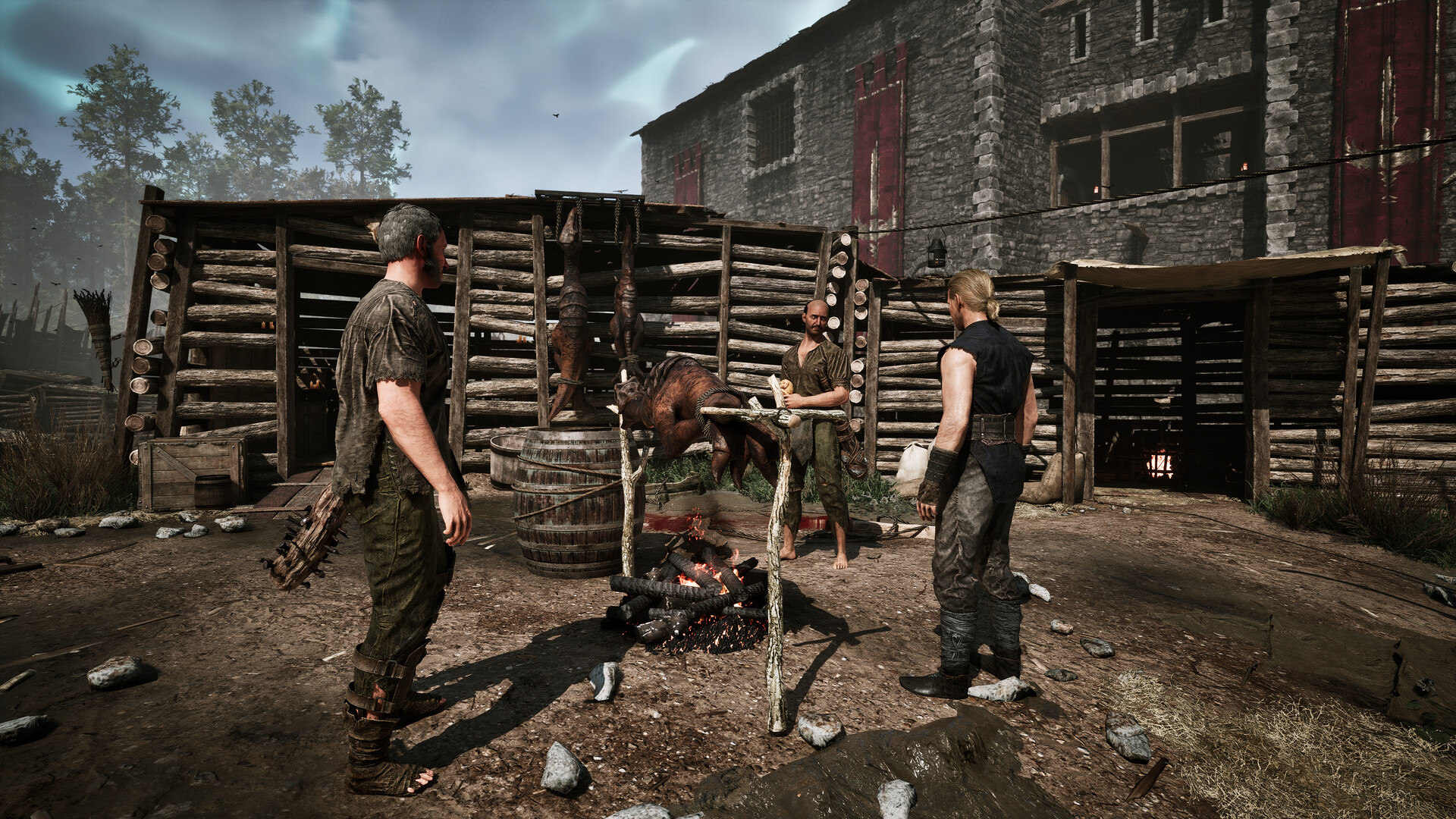
Again, I’m glad they approached this remake in a purist sense and didn’t mess with that quality about it. It’s not for everyone, but it IS for genre fans, so changing that up would have been met with some severe disappointment by the more hardcore end of the fanbase. The developers also haven’t changed up the story too much. It’s a gloriously pulpy thing that the likes of Howard would have loved to write. In it, criminals are forced into an area covered by a giant magical dome. Trying to leave the space, once in, means instant death.
In this world, you play as a nameless “hero” that is recently been dropped into the magic dome, with nothing but a letter to the red wizards who operate within to guide you. From there you’re free to wander around several communities, forging alliances, joining guilds and, of course, doing a lot of killing. Gothic is a dark, intense RPG despite its pulpy plotlines, and the remake does do a lot of presentational lifting to help sell the narrative (more on that soon).
While the overall plot hasn’t changed, the developers did do some work to expand on it. The orcs, which were, in the original, a presence rather than something you really interacted with, have now been fully fleshed out into a faction in their own right, which is plenty enough to give Gothic fans a reason to come back for more. The orcs even have their own language! Tolkien would be proud. There are also expanded quests (a significant number, with the developers claiming an additional 15 hours or so’s worth), and there are additional plotlines and roles for women in the game (the original Gothic was a sausagefest).
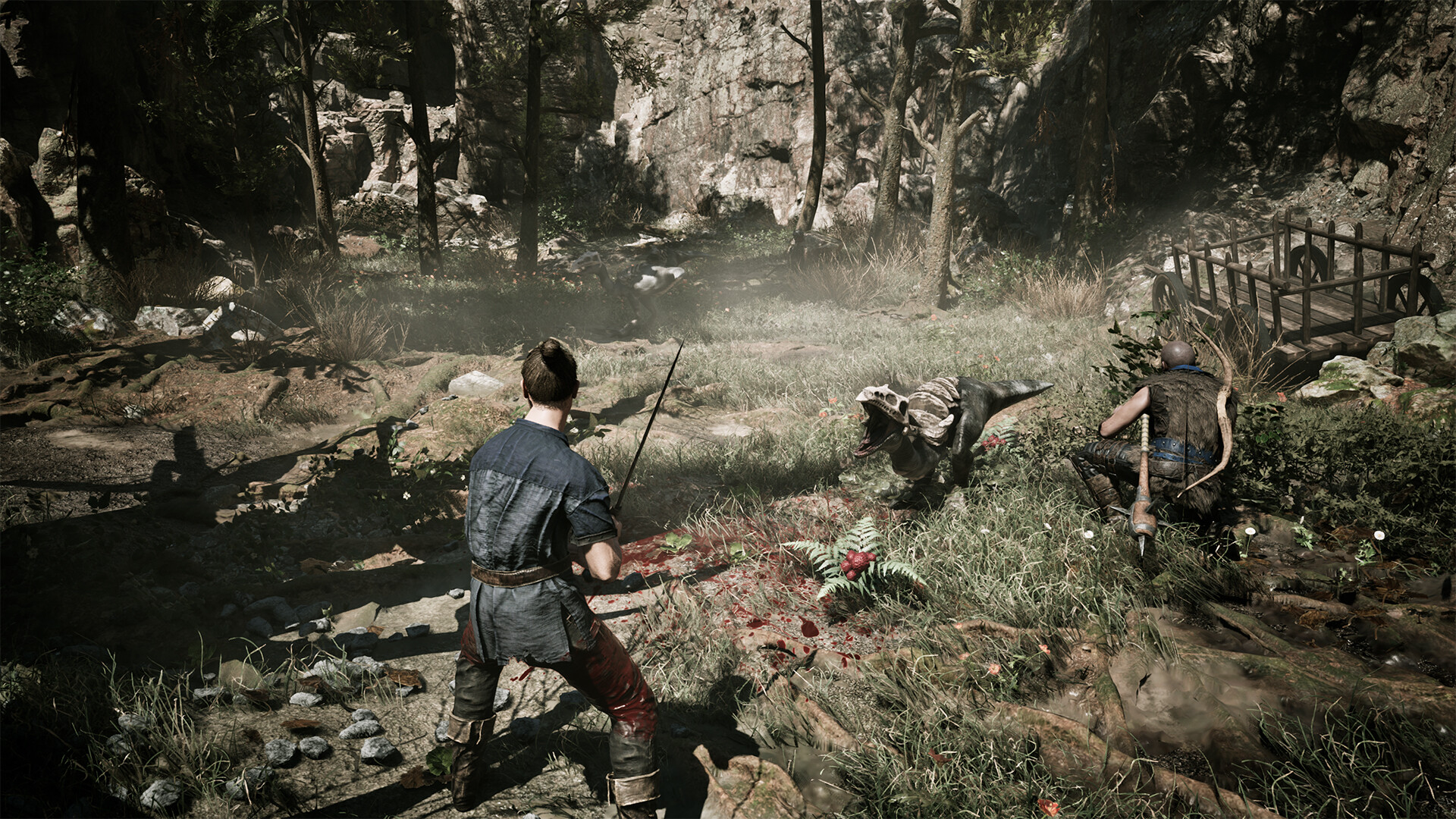
However, the biggest work went into the visuals and combat. Combat in the original Gothic was notoriously clunky and cumbersome. In the new Gothic, there are modern quality-of-life improvements, like a lock-on system, better dodging mechanics, and smoother transitions between attacks. It’s not Elden Ring, but at least now, when you do experience a character death, it’s not going to feel unfair because of the controls.
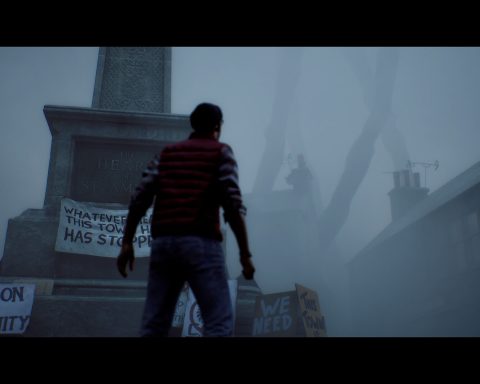
The game also looks vastly better with a total visual overhaul in Unreal Engine 5. In one odd way, it actually makes the game more difficult, as the level of visual detail means that enemies and smaller objects can be missed more easily – the original Gothic was visually basic, and thanks to that, everything stood out. But of course, the trade-off here is that the world of Gothic now looks like a true dark fantasy setting, with better atmosphere to support the narrative.
I wouldn’t necessarily classify Gothic 1 Remake as “accessible.” It’s still a Eurojank RPG, albeit one that has far fewer bugs and glitches, and is far more playable, than we used to get with the genre. However, while it might still be for a niche audience, this is very much an example of how to do a remake correctly. The developers have addressed the big issues in the original Gothic, while maintaining and building on everything that made it such a cult icon.







I don’t know about “far fewer bugs and glitches”, it was almost unplayable for me at launch because the sleep system wouldn’t heal me no matter how long I’d stayed awake for. A patch has now mostly fixed that, but even now the sleep system seems to glitch a bit for me at times. Plus, elements of the sound will frequently cut out (requiring a full restart), and the map key shortcut will often stop working (requiring me to load a save). It’s also not uncommon for two lines of dialogue to play at the same time.
Of course, bugginess is hard to take a confident stance on since some people and platforms will get hit with a lot more than others – case in point, Cyberpunk was almost bug-free for me from day one.
That aside though this is great, and the more time I spend with it the more I’m liking it. They really don’t make them like they used to.
Yeah I had a few bugs, more amusing glitching than anything else, but nothing gamebreaking like you describe. But also that sentence was meant to be in the context of a comparison to Gothic 1 original, which I remember to this day was an absolute nightmare for bugs at times lol.
Eurojank. Gotta love it :D.