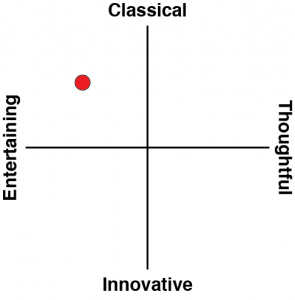


Dungeons & Dragons is great. Really, really great. But it’s a massive time sink and even bigger commitment from the entire group. The last couple of times I’ve tried to get in on a D&D campaign, it has fizzled out once people started to get busy with work, weekends, or life commitments. That then becomes so many hours for both the DM and the player group for what effectively ends in an unsatisfying, unfinished story. Digital miniatures board game platform, Demeo, has come to the rescue with Demeo x Dungeons & Dragons: Battlemarked.
There was a form of Dungeons & Dragons that I absolutely loved about 15 years ago: D&D Miniatures. That was a competitive game where you bought boxes of random miniatures (so, like Magic: The Gathering) and then built warbands of around eight miniatures around them, and then played other players in quick-play, simplified D&D, where a game would last an hour. Battlemarked feels the same, only it’s co-operative rather than competitive, and there’s an actual story to follow.
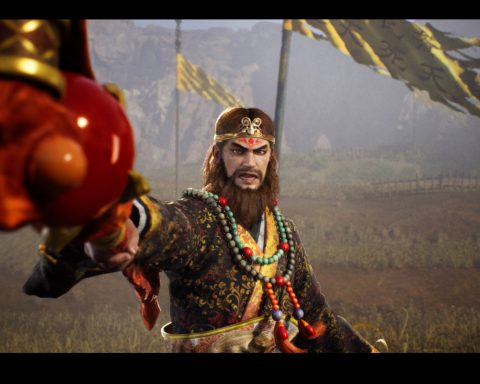
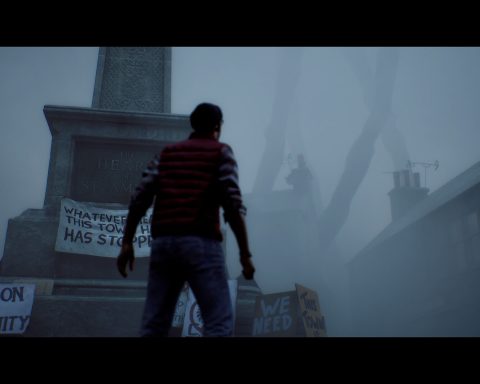
Two stories, in the edition that is on the Switch 2 right now (and I assume a third that was added to the PC version of the game is on its way). As well as a bunch of single-shot scenarios to test your skills after the campaigns finished. These campaigns are meaty and entertaining, with all the drama, big fantasy, questing, dungeons and side-quests that you’d be used to from D&D. It leans heavily into the dual appeal of nerd humour and fantasy melodrama, too. One moment you’re helping a friendly kobold track down maple syrup for his pancakes. Next, you’re up against a Death Slaad and an undead frost giant as you invade a temple to Auril and try to put a stop to her machinations.

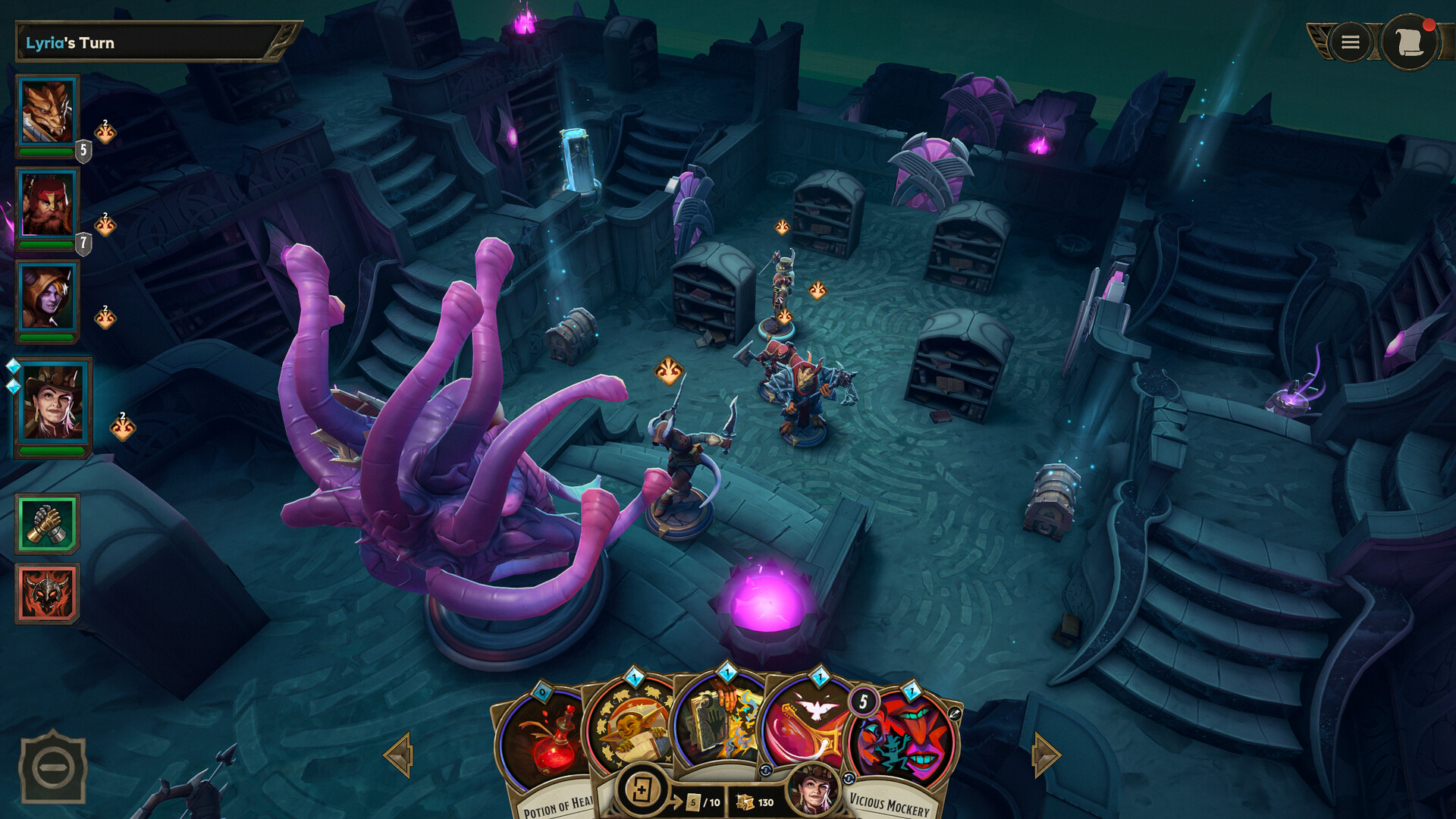
You do this in parties of up to four, and you’re able to control additional characters yourself, so campaigns can easily accommodate any group size of one through four. Each player picks one character, who has some unique skills and traits. After that, you aim to track down powerful cards for additional abilities (earned by completing objectives or killing powerful enemies), while also having some limited customisation options as characters level up. Character growth is nowhere near as intricate as it is in proper D&D, but its sufficient, and you do feel like your character is growing in power and becoming your own as you progress through the campaign.
In the game, your character is represented by a playing piece. As are all the other characters and monsters. These are moved around the “board” by “picking them up” and placing them where you want them to go. To fight an enemy, you either play a card, which will have a small animation, or you “bump” your piece into an enemy piece for a melee attack. Either way, you then roll a D20, but the traditional Dungeons & Dragons D20, numbered 1-20, has been replaced with a die that has three symbols on it: A “skull” for a miss (equivalent to a natural 1), a single sword for a hit (2-19), and two swords for a critical hit (20). On a hit, you do damage, and then it’s the next player or monster’s turn.
It feels very much like a fast-paced, streamlined take on Dungeons & Dragons – hence my earlier comparison to D&D Minis, but still the authentic Dungeons & Dragons experience. A voice-over narrates as a Dungeon Master would, and the pieces have an exquisite tabletop game look and “feel” to them.
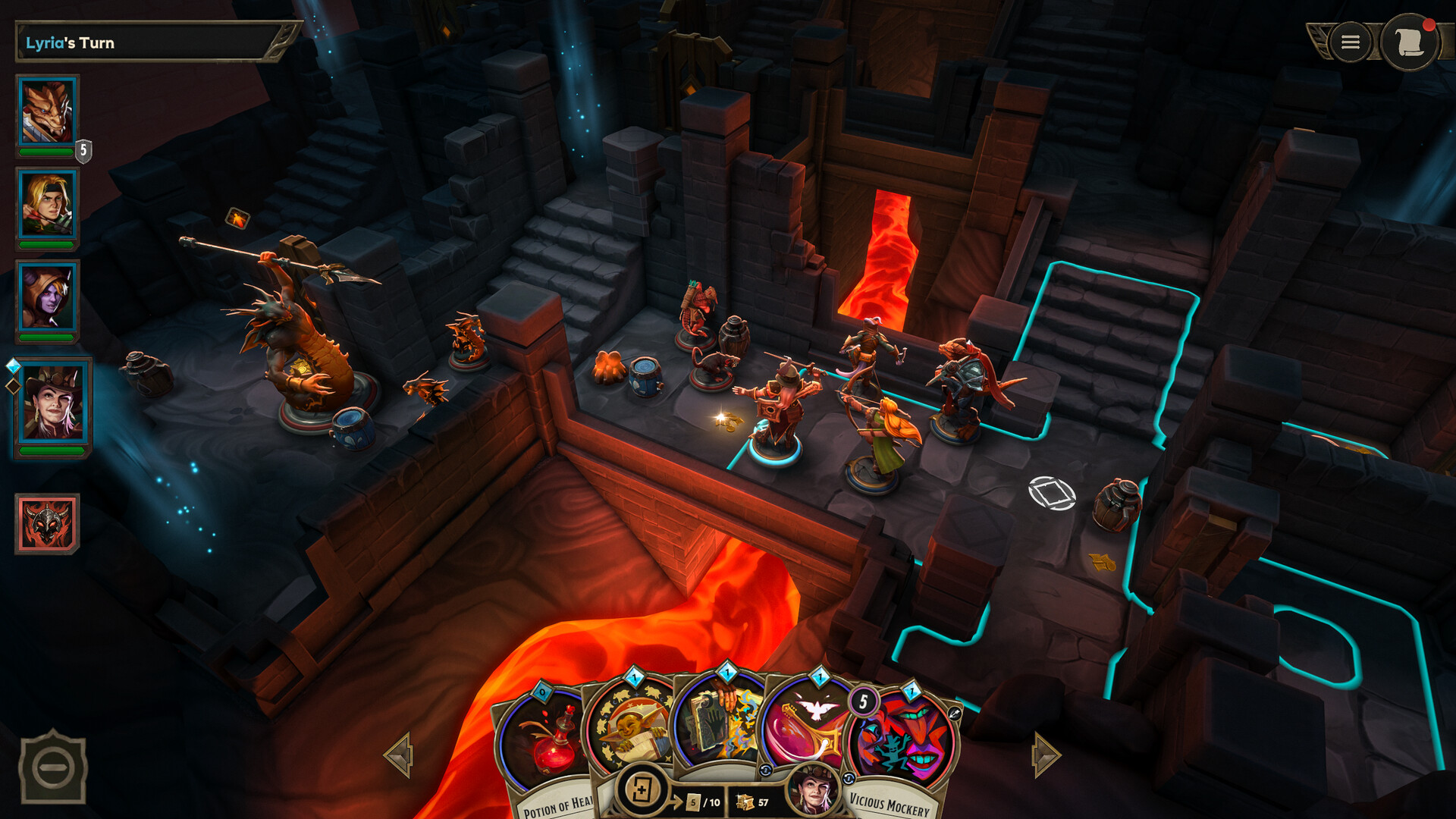
In fact, the single biggest pity about this Switch 2 version is that Demeo was originally designed for VR play, which the Switch 2 doesn’t do. It’s still perfectly playable anyway, but it lacks the tactile experience of donning a headset, looking down on the board, and then physically reaching out to pick up your miniature and move it on your turn. Because Demeo was built around the VR experience, camera angles and the overall layout of the boards and play field is slightly inconvenient when rendered as a 2D user interface. It’s by no means a deal-breaker, but if the game feels slightly cumbersome at first while you get used to the interface, that is why. It wasn’t designed for conventional controllers.
Battlemarked does support mouse controls on the Switch 2, and I know it’s stupid, but I do love playing games with that mouse controller. For whatever reason, it just feels so comfortable and perfect, particularly for slower-paced games like turn-based strategy/RPG/things. Consequently, I do prefer the mouse controls in Battlemarked, though strictly not necessary. Playful gimmicks can be fun!
Finally, and perhaps most importantly, Battlemarked does support crossplay on the Switch 2, and having played it a bunch with a combination of Switch and PC users, the experience is flawless. You’ll have no trouble getting a group of your mates together for it.
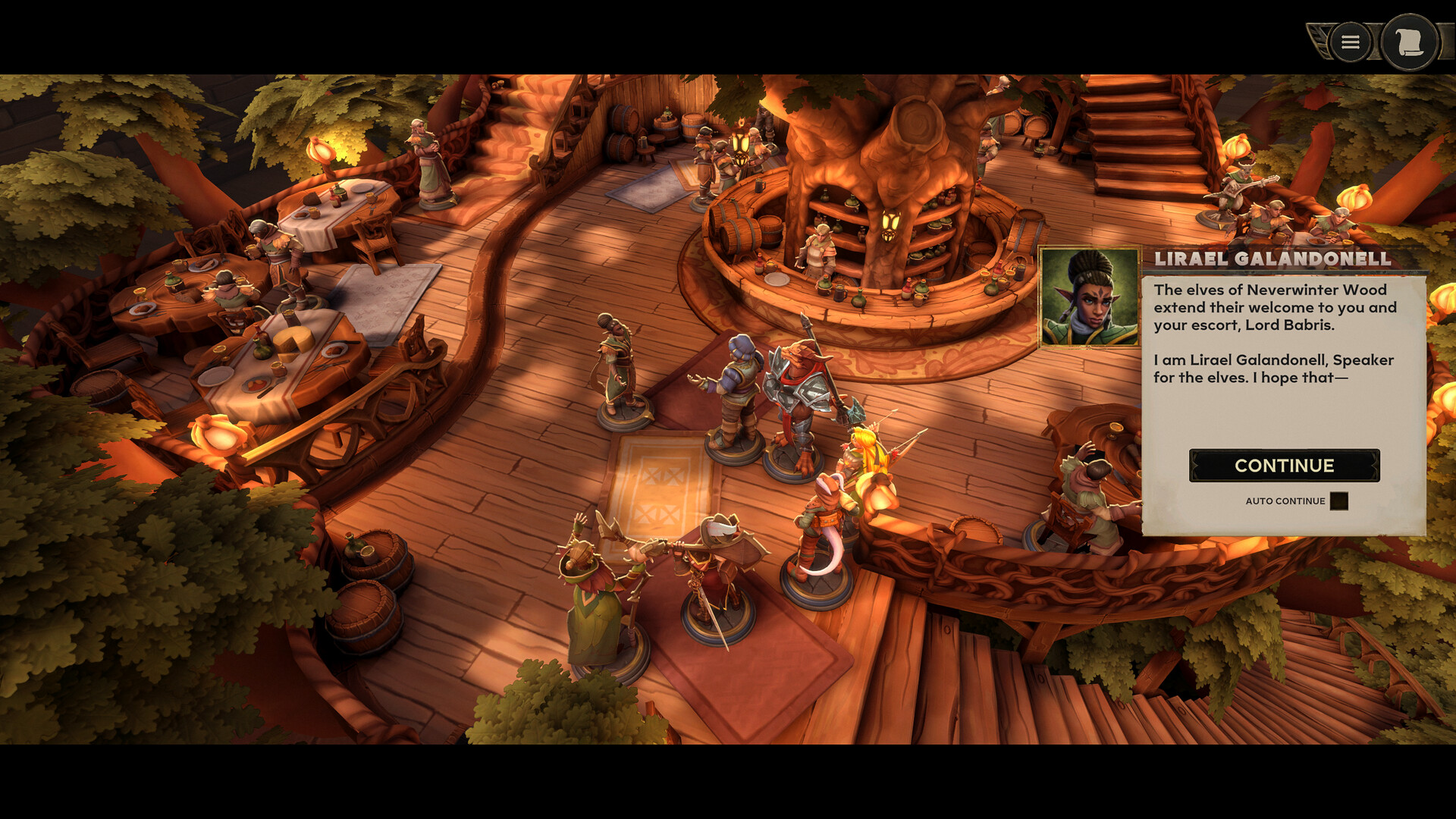
Ultimately, the number of adventures feels a little thin, given that they’re not overly replayable, but they are substantive in scope for that first playthrough, and there’s more than enough in Battlemarked to justify its asking price. Especially if there is a robust pipeline of additional modules planned. I’d like to see some of the official D&D adventures get their own Battlemarked adaptation – bring on Strahd – but either way Demeo’s off to a great start with this collaboration.