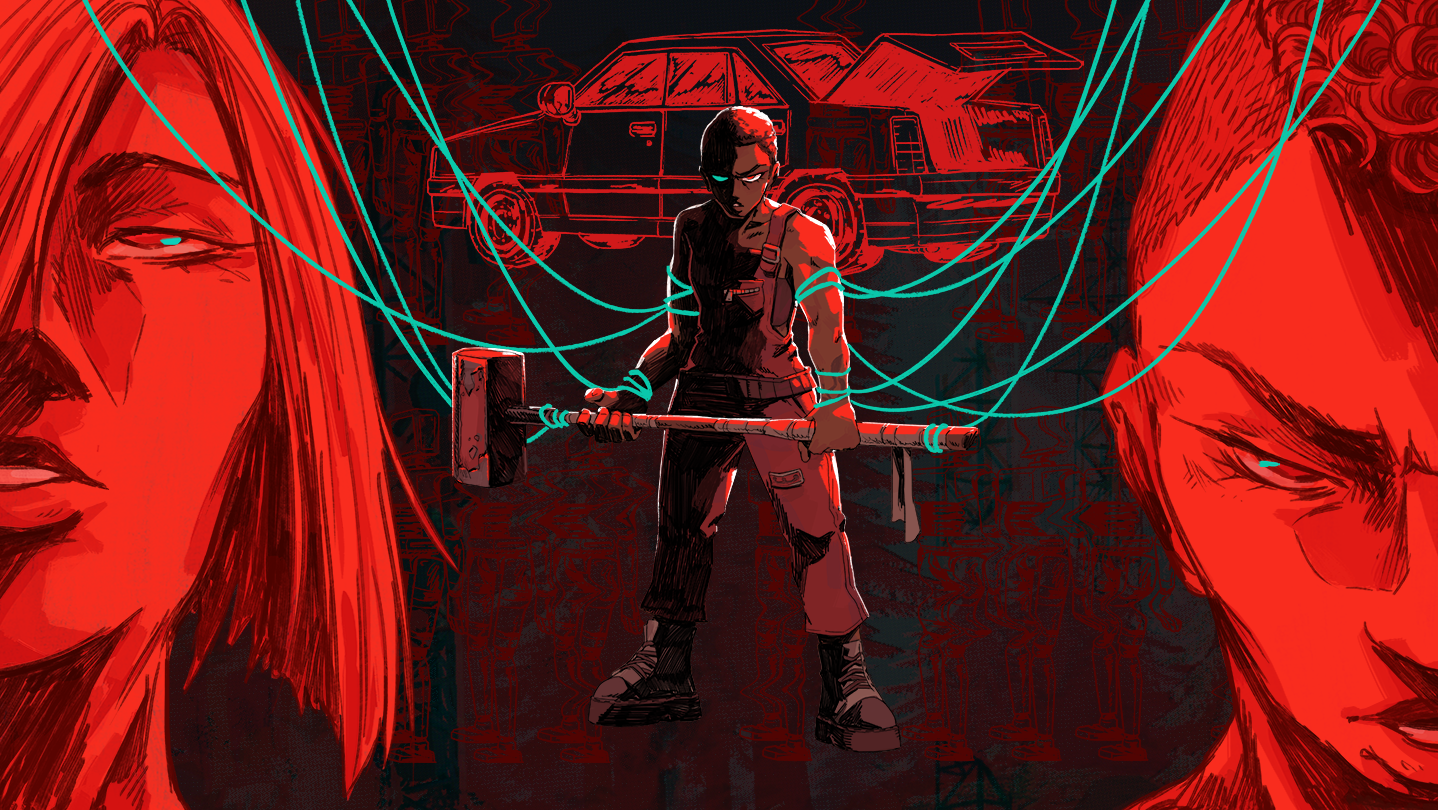


The release of Virtue and a Sledgehammer, the latest from Selkie Harbour, Deconstructeam, and Devolver Digital, is right around the corner. We’re going to have a review of what is a pretty provocative and powerful entry into the “games as art” genre, and we certainly had some questions for the developers about it.
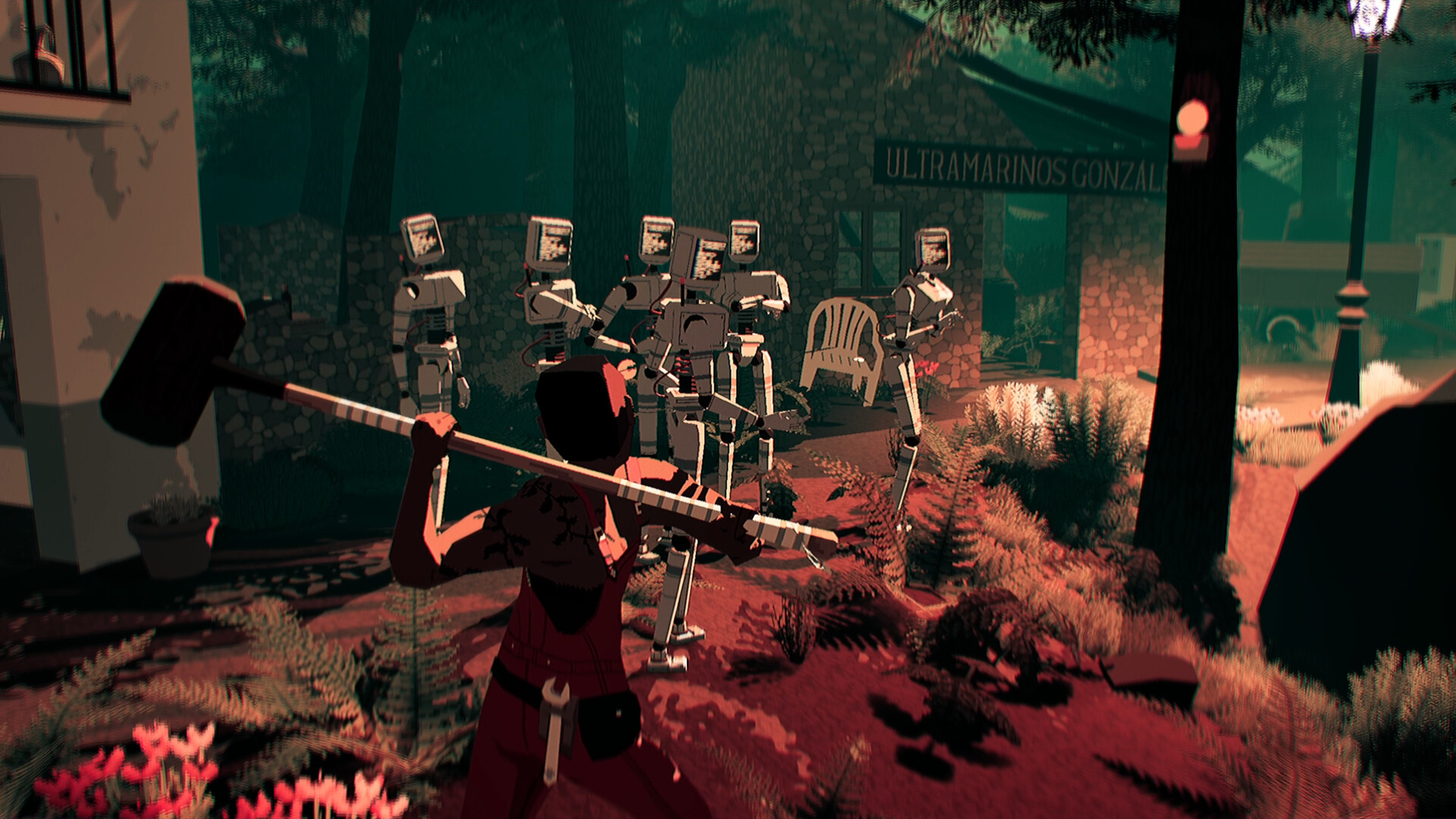
For those who haven’t been following along: Virtue and a Sledgehammer puts you in the role of a human in a world where, for reasons, everyone else has “downloaded” their conscious selves into robots. You can – and indeed must – use that sledgehammer to eliminate at least some of these “people”, and the quotation marks I use there is very much the point and big question that the game asks its players.
Despite being so incredibly busy with the imminent release, Creative Director of Deconstructeam, Jordi de Paco, took a moment to quickly field some of the questions that we put to him.
DDNet: There is clearly some anger behind the design of this game. Was there any particular moment or experience that led you to develop it?
Jordi de Paco (JP): Nothing in particular! It may be the times. I feel like the zeitgeist right now is a bit too nihilistic, feeling powerless before corporations, and being able to bring all things ugly down with a sledgehammer is a very powerful feeling.
DDNet: What did you want players to be feeling in the moment they put the game down?
JP: I can’t really say… Like, for real, this game was a bit of a trip for us as well. But I think there’s something really valuable in feeling sad and confused by media. I’m happy if we created a space for people to reflect on their past and how they relate to the people they love.
DDNet: Deconstructeam’s games have always been about listening and talking things through. There’s not a lot of talking in this one – what made you want to focus on violent action?
JP: Let’s be honest. Violence is fun. So many games are built around it. Our take on it, though, was to make violence always feel complicated throughout this game. It may look like a power fantasy from the outside, but our intention was to rarely make any swing feel easy.
DDNet: What conversation were you hoping Virtue and a Sledgehammer would start once it’s in players’ hands?
JP: I’m looking forward to discovering that. But I’m expecting it to maybe reopen some wounds… in a therapeutic way, I hope! It can be valuable to talk about past trauma and what we endure for the people we love and/or hate.
DDNet: Why did this story need to be a game? What could you say through interactivity that a film or novel couldn’t?
JP: I usually say that any media can pose questions, but only videogames can force you to answer them.
The best part of a videogame is that the players get to be a performer i
n the story; there are as many executions of this story as there are players. Watching different people test the game, we saw so many different behaviours that we jokingly started saying this game was just a too-elaborate personality test. I loved seeing players adjust their moral compass and how they embraced or rejected violence as they progressed through the game’s ideas.
DDNet: Who were you making this game for? Did you have a particular person or kind of player in mind?
JP: We never have a specific audience in mind. The things we create are for all human adults to engage with.
DDNet: Did the world change under you during development, and did that shift what you wanted the game to say?
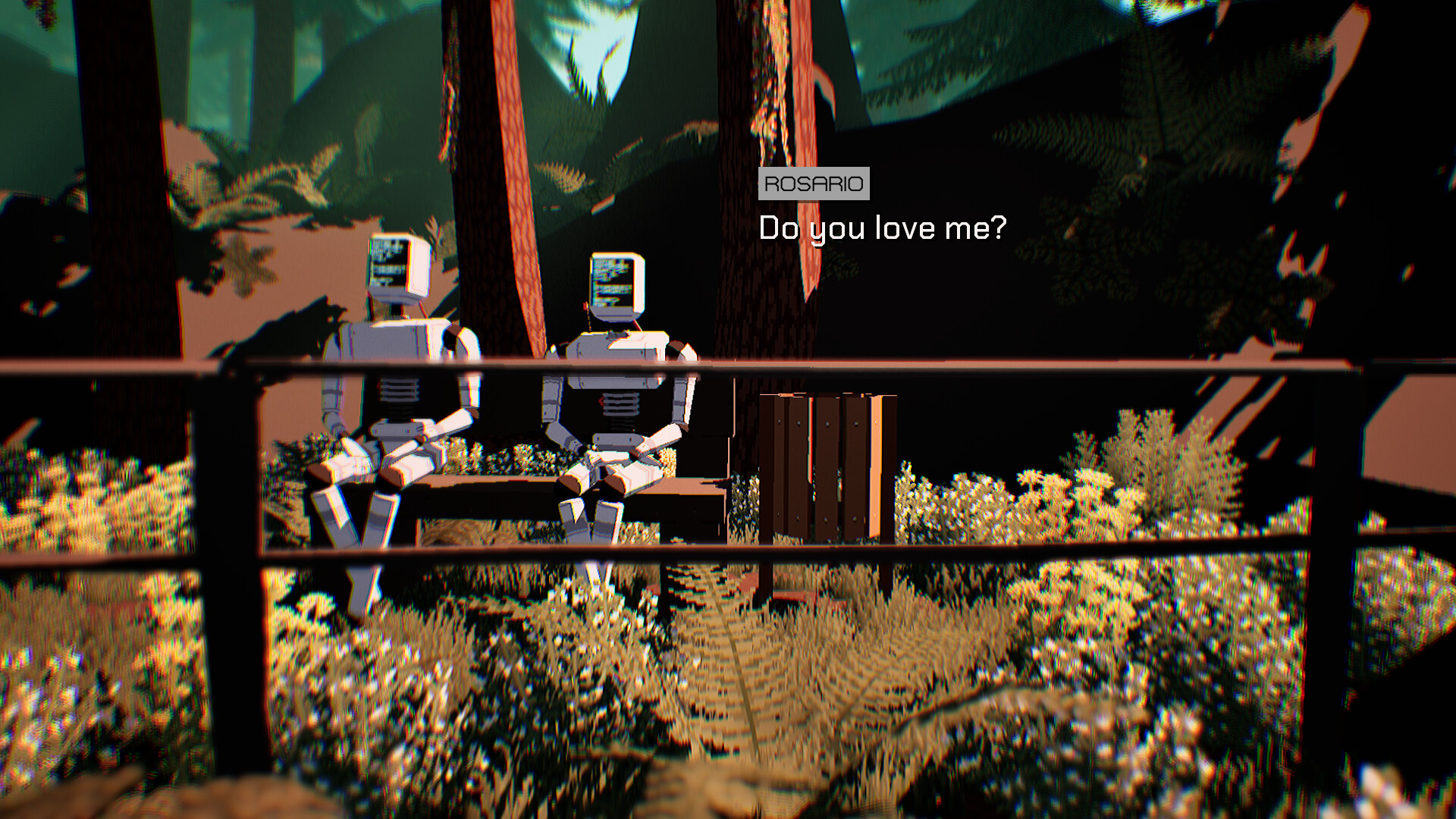
JP: It sure did. The rampant rise of AI was a constant source of dread and disgust for everyone on the team. The game originally didn’t have a special focus on AI, but as the world kept being devoured by gen AI, we couldn’t help but include an explicit stance against it.
DDNet: What were you most worried players would misread or miss entirely?
JP: Even if we included a ton of content warnings, I wouldn’t like for anyone to be hurt by this game. I don’t want this game to be read as some sort of trauma porn experience – despite everything, it’s a game about love.
DDNet: Was there ever a gentler version of this game, and why did you walk away from it?
JP: Not really. The first thing I wrote was the scene in which you open the car’s trunk and find your mother’s corpse in there, and we knew what the final dilemma was going to be, so… the rest was just creating a bridge between those ideas, and they came out naturally intense.
DDNet: What risk did you take with this game that you’d never been willing to take before?
JP: We’ve always had a penchant for upsetting players at Deconstructeam, so… the risk was more tech-wise than artistic!