

Digimon is doomed to forever walk in Pokémon’s shadow. Part of the issue is the obvious similarities in the names, but on a superficial pass there are more similarities than that, and Digimon doesn’t always do itself favours there. Both games feature cute anime monsters, but Pokémon’s artists come up with designs that have a universal appeal, while Digimon’s tend to veer towards the kind of anime targeted at young boys. Both series focus on battling and tailoring the way monsters develop as they grow, but Digimon’s systems have always been a touch more complex when compared to the elegant, yet deeply nuanced Pokémon systems.
That hasn’t stopped Bandai Namco from trying with Digimon, and perhaps that’s the greatest quality of the series: that because they’re the scrappy underdog, they can afford to try things that Pokémon’s developers have been traditionally conservative in adopting. From action RPGs to a particularly engaging blend of visual novel and tactics RPG, Digimon games are an eclectic lot. The latest one to land on the Switch is actually a port of a particularly well-received entry on other platforms from 2025, but like with all monster-collecting games, it just feels most comfortable at home on the same console as Pokémon.
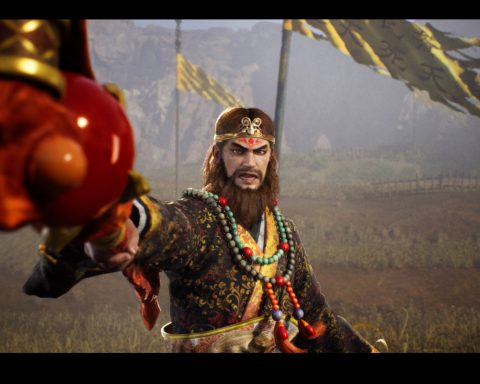
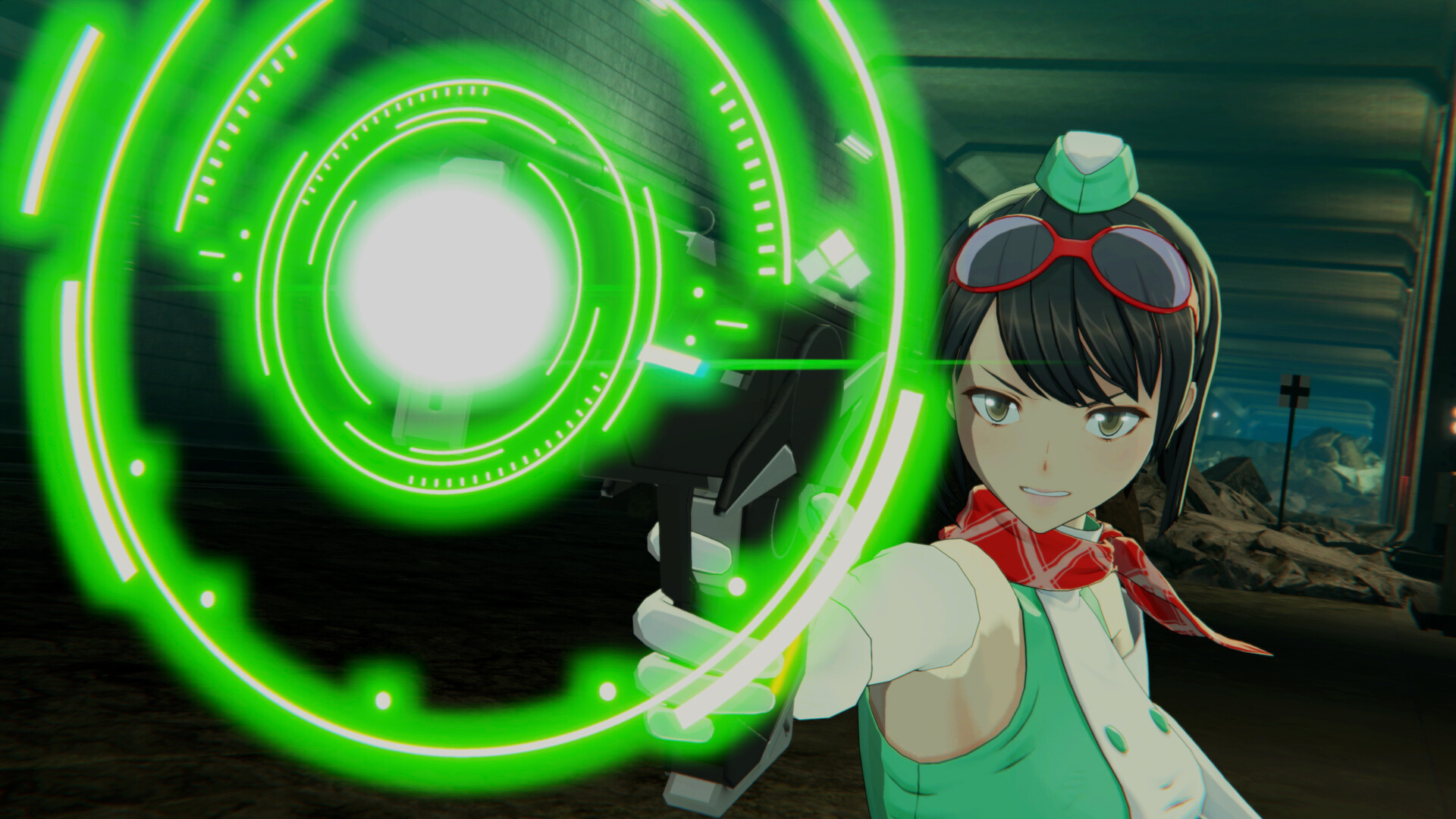
Digimon Story Time Stranger is in some ways the most traditional monster-collecting RPG I’ve played in the series. It’s a turn-based three-per-side battler, and you’ll be taking three support characters into battle, too, for a total of six. By battling enemy monsters, you gather “data” on them, expressed as a percentage, and once you get it to a minimum of 100 per cent, you can create a copy of that monster for your own party. Then there are the skills that monsters unlock, the ability to equip them with items that further boost them, and all those JRPG elements that are so comfortingly familiar.

One area where Digimon Story Time Stranger does differentiate itself from Pokémon is the narrative, which is set in an alternative real-world and modern setting. It’s an intriguing, if highly standard plot, in that you are thrown backwards in time at the start and then need to work out how to prevent the bad things from happening and get yourself back to your reality.
All up, it’s a sometimes surprisingly heavy narrative game with around 40 hours of adventure to work through, and at times, especially with that setting, it feels like the developers are at least as inspired by Shin Megami Tensei as they were by Pokémon. I do feel like the story of the previous visual novel/tactics title was more ambitious with both narratives and themes, but that’s what comes from playing in the same niche as the likes of Utawarerumono – this game and its story are far more mainstream in execution.
The developers have tried to make the game playable to the broadest possible audience, despite turn-based RPGs being increasingly seen as an approach for purists. You’re able to speed up the pace of battle up to 5X speed, for instance. That’s not a feature I use, as I have patience and enjoy the various attack animations (and find everything too jittery to be pleasant to look at when sped up), but this feature is there for people who find more typical turn-based combat to be slow-paced and dull.
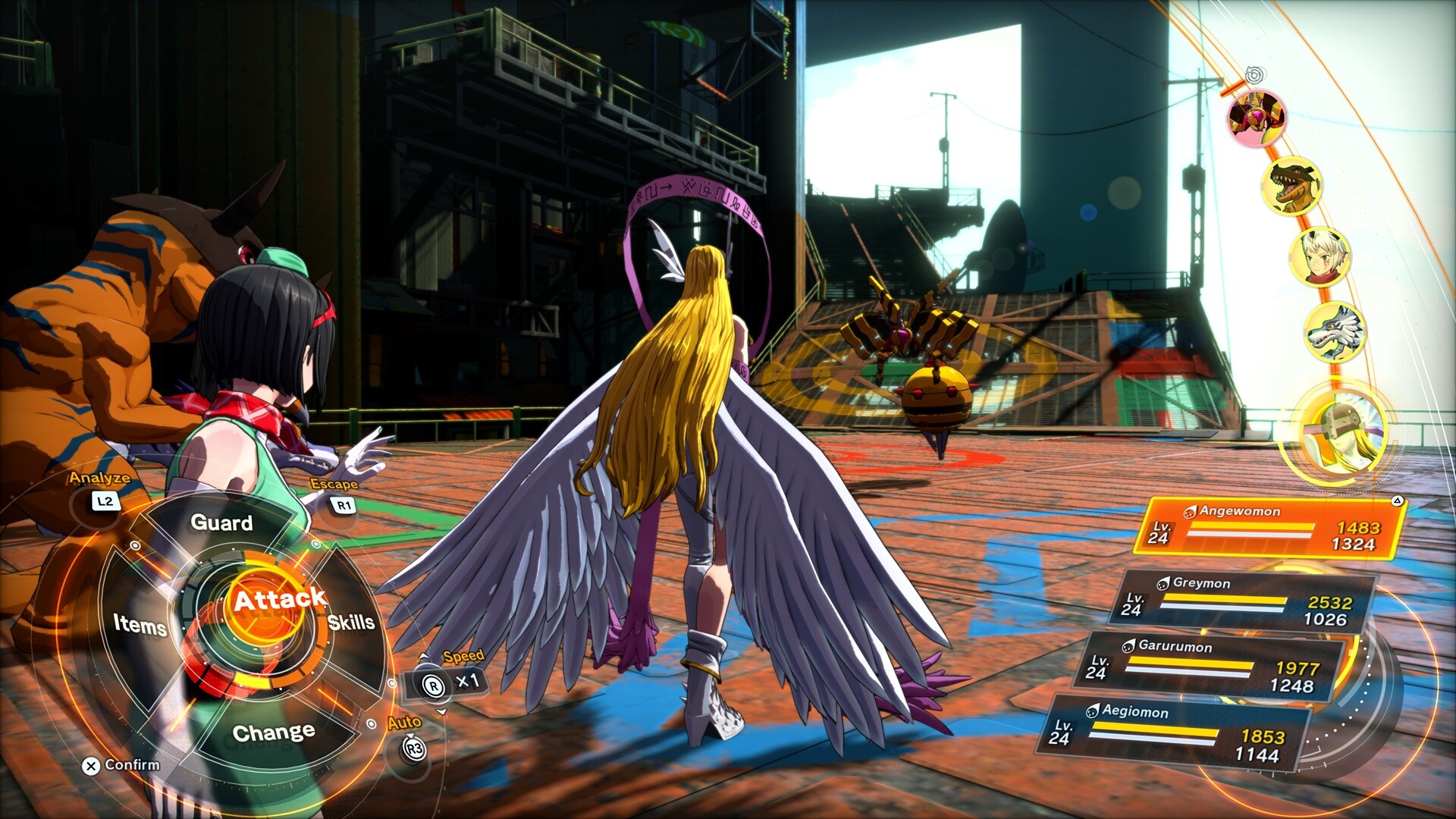
They’ve also played with the strengths vs weaknesses systems that are a requirement of any “Pokémon-like” in a very clever way. There are actually two layers – a rock-paper-scissors system that sits on top. And then underneath that, there are some elemental strengths and weaknesses that combine with the rock-paper-scissors approach. Having a Digimon attack an enemy with advantages in both can massively boost damage output, to the point where the game starts to assume that that’s how you’re going to deal with the tough enemies (just like how in Shin Megami Tensei, the assumption is that you’re going to hit enemies with their weaknesses to get lots of extra turns for your characters). I really like this system as it forces you to make sure you’ve covered as many bases as possible at all times.
With that said I do feel in other areas Digimon misses the boat though. Digimon management is a pain, with a cumbersome menu that you end up spending far too much time in. Levelling and evolving Digimon is also more cumbersome than it’s often worth, forcing you to collect and consume many copies of Digimon to fuel the evolutions. It is, again, like Shin Megami Tensei, but measured.
Digimon also aren’t really restricted in what moves they can learn from the items you’ll acquire along the way. This sounds like it should be a good thing, but it diminishes the unique qualities of various Digimon. Where you would carefully select the Pokémon in your party based on the moves they could develop, and build a party that worked well together through the blending of those skills, in Digimon, the party members are a much more aesthetic choice because the skills are more transferable. So some of the joy and personality in building the teams is lost.
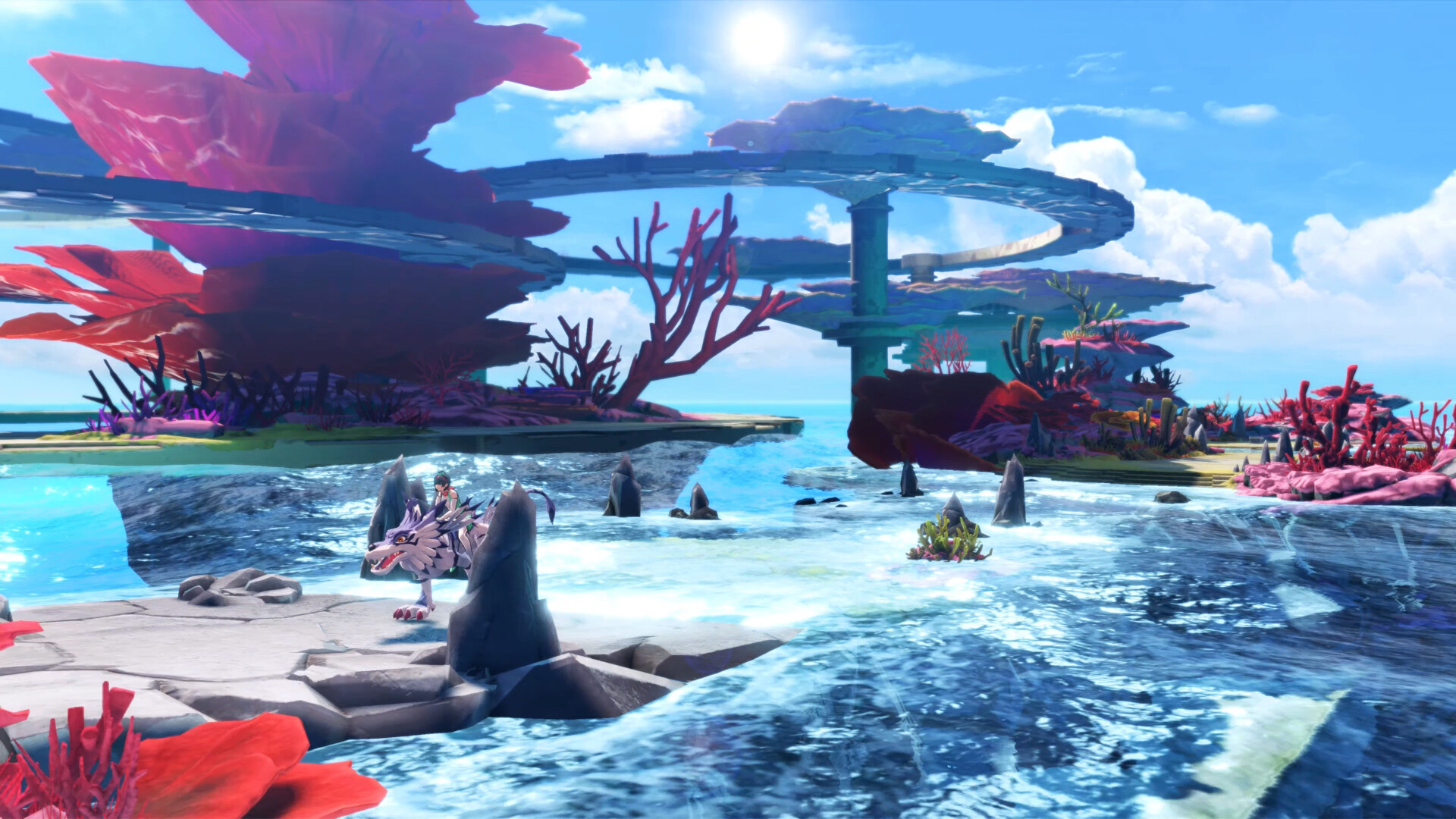
I’m splitting hairs with these critiques, but they highlight why I ever-so-slightly prefer the Pokémon games over Digimon here. This is a very good, entertaining JRPG in its own right, and plays (and looks) gorgeous on the Nintendo Switch 2). It’s moreish, like the monster-collecting RPGs are at their best. It just ever-so-slightly lacks the X-factor that Game Freak’s property has. It’s not quite as charming or quite as refined. But there’s no shame in coming second to Pokémon, the biggest IP in the world, and this is arguably the best Digimon title we’ve ever seen.