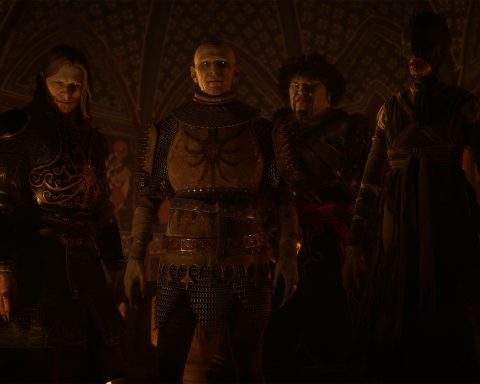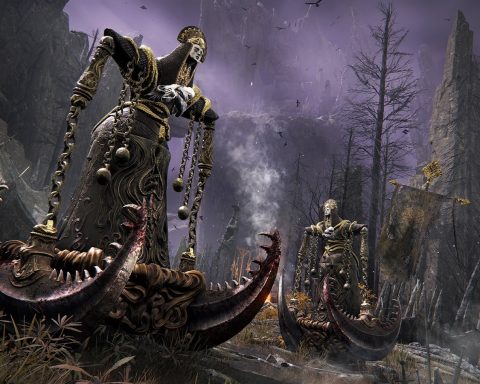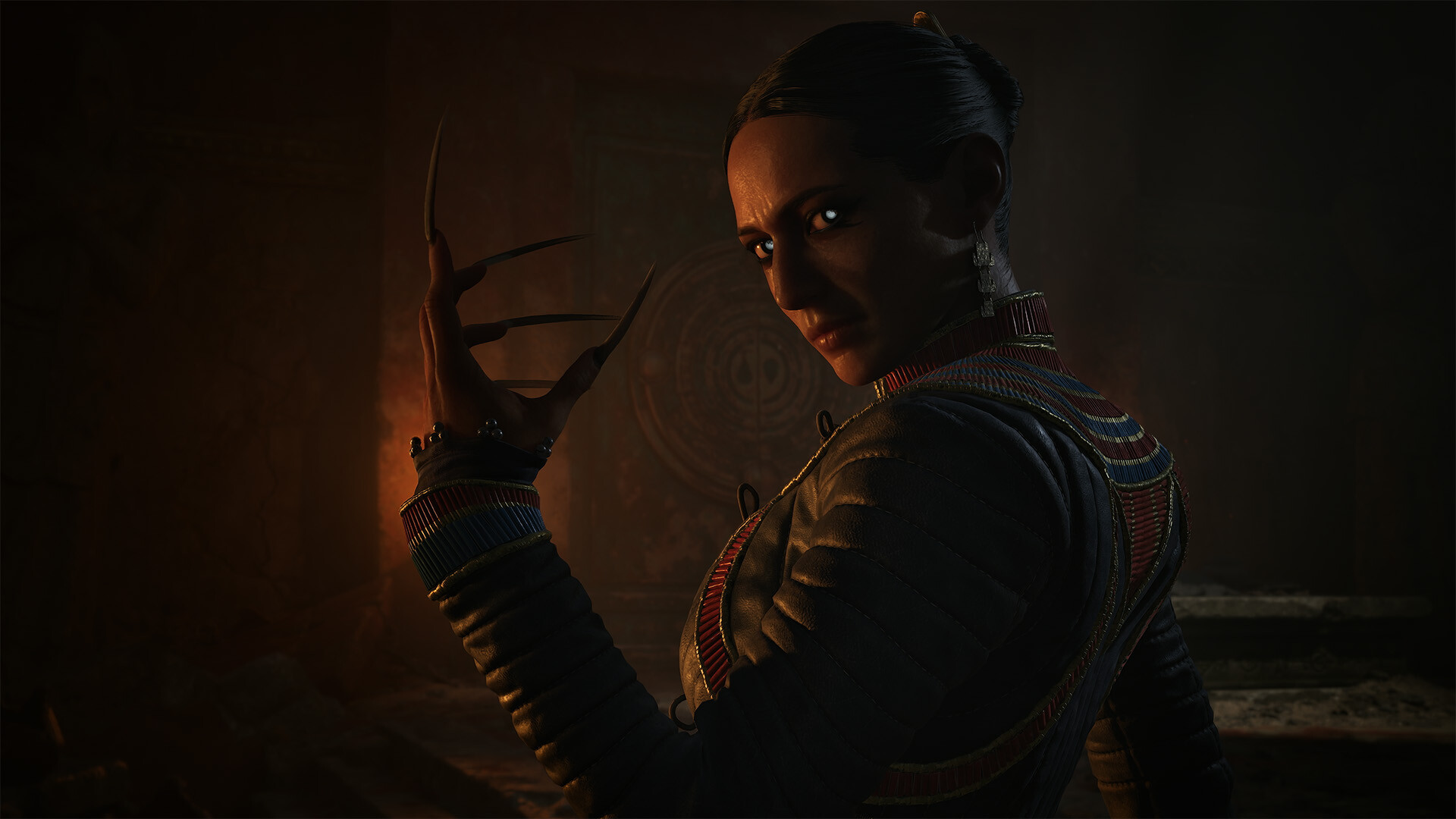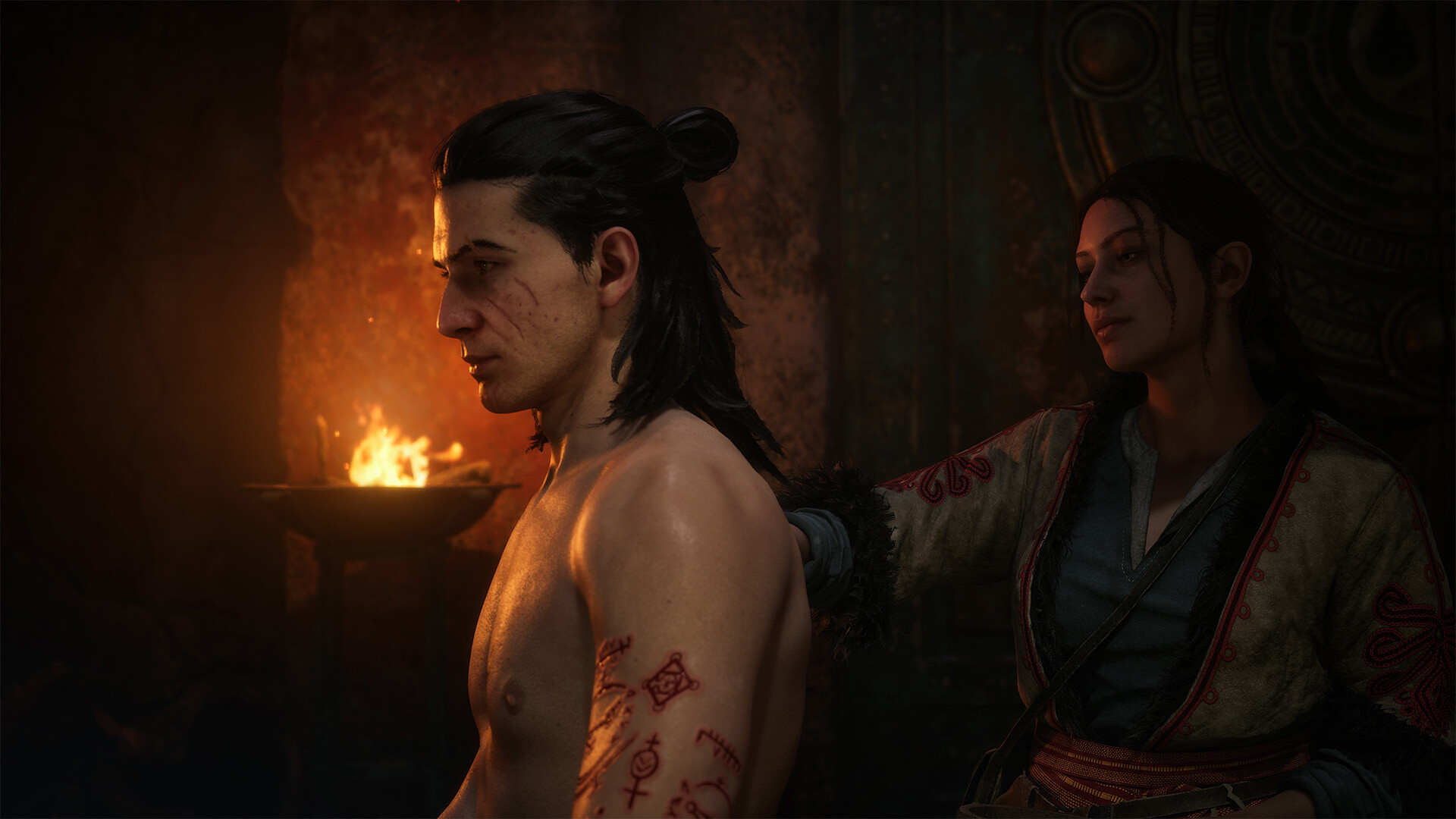


The Blood of Dawnwalker is the latest RPG from Europe. I know that this is a hugely trite thing to write on the surface, but my first impression was overwhelmingly that this new title is dripping in the heritage of everything from Gothic to Witcher, Greedfall to Banishers. And I’m always up for more games that follow in those traditions.
Admittedly, I did find the concept of Blood of Dawnwalker to be a convenience to the point of silliness. You play as Coen, who becomes a vampire with a rare affliction – he turns back into a normal human during the day. So, a normal fella that can bask in the sunlight, but then a roving monster of darkness with incredible power once the moon rises. I understand why the developers did that, given that a vampire’s story during the day would actually be pretty dull (“hide from the sunlight and wait it out”), and this is an open-world game with an endlessly ticking clock, but still. Way to undermine one of the defining characteristics, thematic points of interest, and weaknesses of the vampire, guys.
That said, once I got over my initial cringe, everything else about this game fascinated me in the demo. I was able to play the opening chapter, where Coen was free to explore around town for a day, before nightfall and the monster-making incident. Then I was able to work my way through a dungeon-like environment.

During the daylight hours, there were dozens of different quests I could have undertaken, but as each quest consumed some time (i.e. I had a certain number of “action points that quests would take up) I needed to be choosy about what I actually wanted to do. This is a defining characteristic of the game, as you’re given 30 days and nights to complete the main story. Time only advances when you take actions that consume these action points, so it’s not a game that plays out in real time, but it does mean you will only see a fraction of the game from any one playthrough, and what you do see and complete will shape the story and how Coen turns out.
Many of the quests involve making decisions based on morality, for example. In my playthrough I decided to save a pig from a butcher’s knife (after chasing said pig all through town to catch him), and I absolutely refused to fight the town bully (meaning I ended up in a fight with the bully’s father, and realised that the bully himself is as much a victim as an antagonist). Based on these decisions, I’m going to hazard a guess that my Coen’s going to be a veritable paladin in shining armour, but we’ll see if later quests can tempt me into having a nastier edge yet.
There is a lot of potential for a system like this to go wrong, with all kinds of morality systems and questlines to track. If the developers get it right, though, they could well deliver a truly engaging dark fantasy world. And it is a very dark world, to be clear about this. Dawnwalker has a visceral love of bloodletting and leans heavily into the horror elements of the vampire myth, backed by a fantastic – but authentic – take on Medieval Eastern Europe. Everywhere you look, you see mountains, giving the open world a hauntingly beautiful aesthetic.
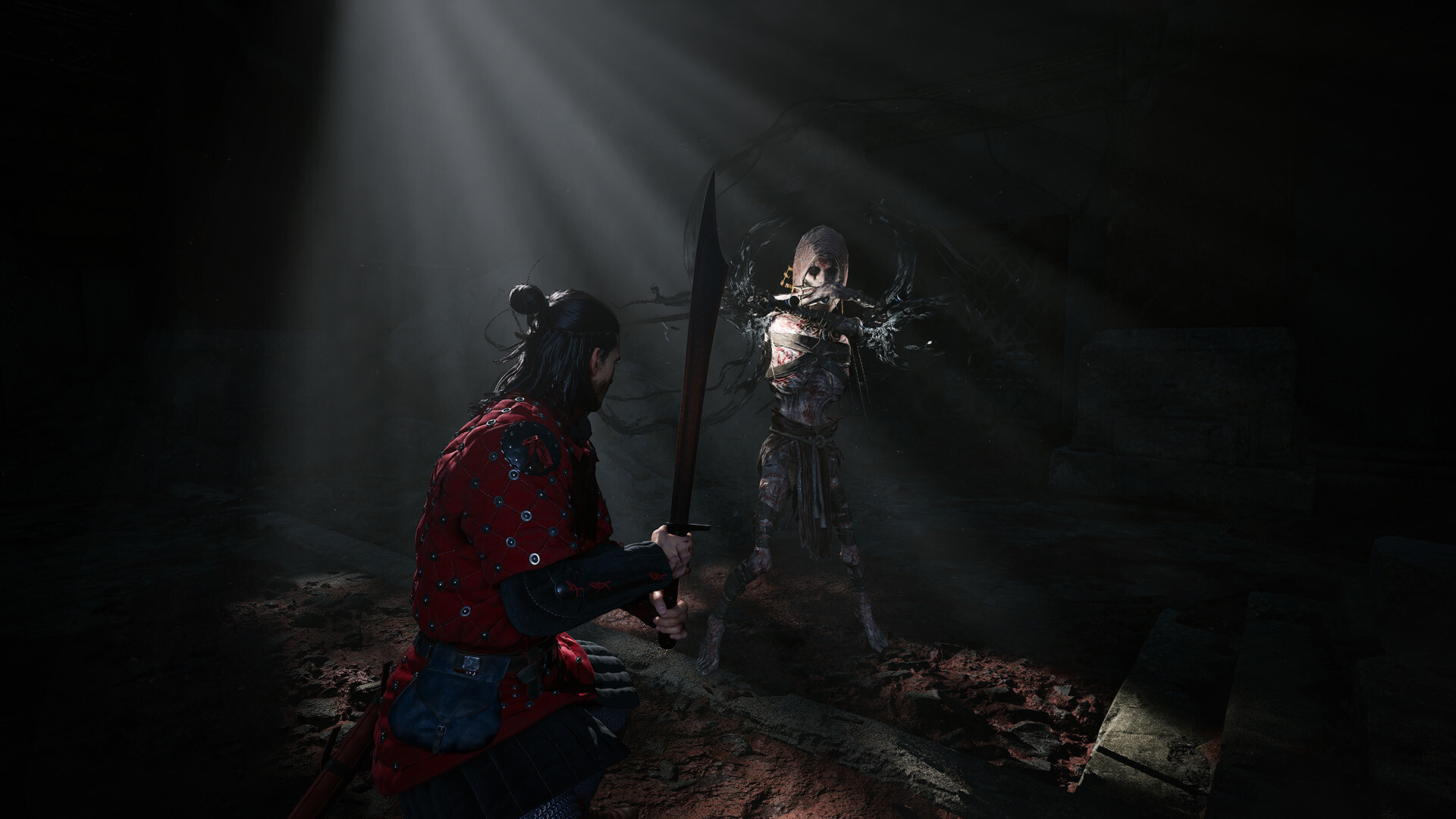
As you can probably guess, given the density of graphic violence, there is a lot of combat in Dawnwalker. The best way to describe the combat system is “what if Kingdom Come Deliverance was accessible rather than ‘realistic’ to the point of tedium?” Just like in Kingdom Come, you need to attack your opponent from different angles, and then block and counterattack by “reading” their attack movements appropriately. It was early days in my playthrough, and I’m really not good at this kind of combat system, but I did enjoy the rhythm in one-against-one duels. Having to juggle multiple enemies was a bigger issue, but I suspect that might just be something I need to get used to.
Like all modern RPGs, The Blood of Dawnwalker promises to be huge, and a preview session is only ever going to provide the most tantalising of teases. But the new team of veteran developers from Poland are on to a good thing here.