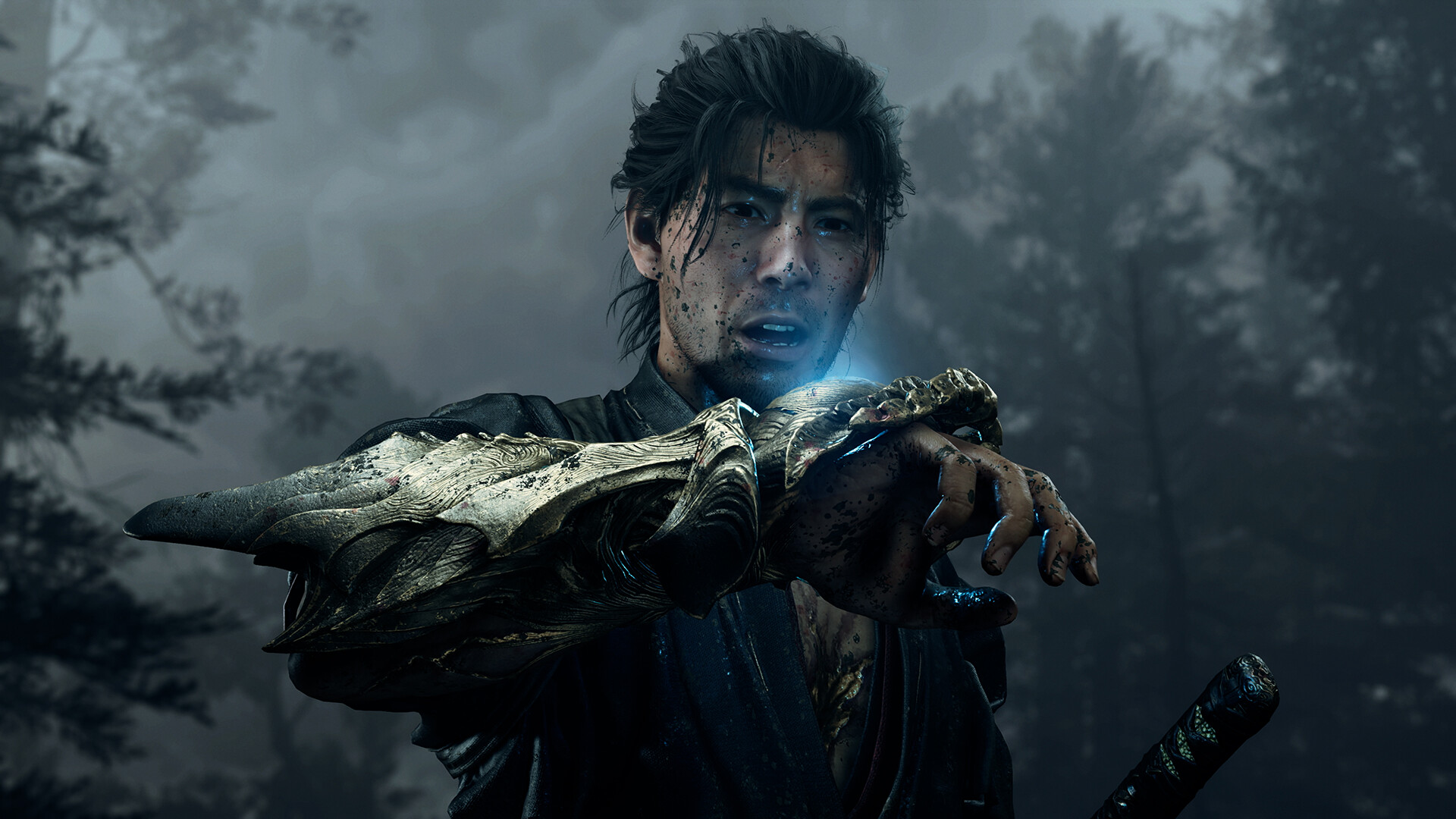


Miyamoto Musashi is a great protagonist for a video game like Onimusha: Way of the Sword. Musashi is famous for his prowess with the sword, with the historical figure being undefeated after more than 60 bouts. He also authored books on martial arts, and is considered a martial arts legend.
But there are also massive (massive) gaps in what we know about Musashi outside of his swordsmanship. Yes, there’s a three-volume, 1,700-page novel by Eiji Yoshikawa, but that leans heavily into the “fiction” side of historical fiction. What this means is a game developer can take the character as a largely blank slate without needing to contend with how to abstract, rewrite or override the real historical person. Onimusha has just enough of a connection to the real Musashi to lend the character gravitas, without needing to contrive some reason why he’s suddenly fighting demon things.
And Capcom’s done a really good job with the character. Musashi was, historically, weird. At least, as far as his legend goes. He never married (which for the time was weird), and that much we do know about him. The more fanciful and possibly exaggerated tales of him suggest that he never bathed for fear of being caught unaware (so probably just as well for the women of Japan back then that he wasn’t keen on them), and he deliberately kept his hair a mess. The manga adaptation of the Yoshikawa story is called “Vagabond,” and it’s the appropriate term for the way the stories remember Musashi. As a quirky, highly eccentric genius of his art, Musashi has a lot of charisma (though we are lucky that we don’t need to smell him), and all of that is layered brilliantly into Onimusha. I can’t think of too many more immediately charismatic protagonists we have in video games, and from the opening moments of this game you’ll feel a great connection to it through its protagonist.

Moving into the adventure itself, you’ll realise quickly that this Onimusha is very different from the original title to bear its name. That’s for the best. The original Onimusha was essentially “Medieval Japan Resident Evil” with its static camera angles and methodically paced combat. It was good for its time, but never going to fly in 2026. This Onimusha borrows best practices from a host of various popular games, while also avoiding being another Souls clone (which would have been so very easy given the theme of Onimusha).
Onimusha’s basic combat flow is a combination of weak and powerful attacks, with heavy use of the “block” button (timing it just right to turn an enemy attack into a parry). That might all sound standard, and to an extent it is, but it’s the context that the combat plays out at, with the patterns of enemies and the environmental tools that you can use, that help give Onimusha’s combat a flavour all of its own. Musashi can spear a discarded door or plank of wood on the ground with his sword and use it as a shield against enemy archers, for example. I laughed out loud when I timed a perfect parry of an archer shooting at me and Musashi casually deflected the arrow directly into the face of a nearby melee threat.
And then you’ve got the Onimusha Issen ability, which allows you to deftly sidestep an enemy mid-attack and land a critical hit on a suddenly exposed part of their body and just a perfect match for the Musashi combat style. At times, Onimusha felt like the mental image I had in my head of the combat scenes that Yoshikawa wrote. I don’t know how closely the Capcom team read Musashi when developing this game (if they did at all), but they absolutely nailed the art and craft of history’s greatest swordsman in the same way Yoshikawa himself did. I can’t think of too many other games with combat systems that are so slick and fundamentally elegant that they’re just cool to master.
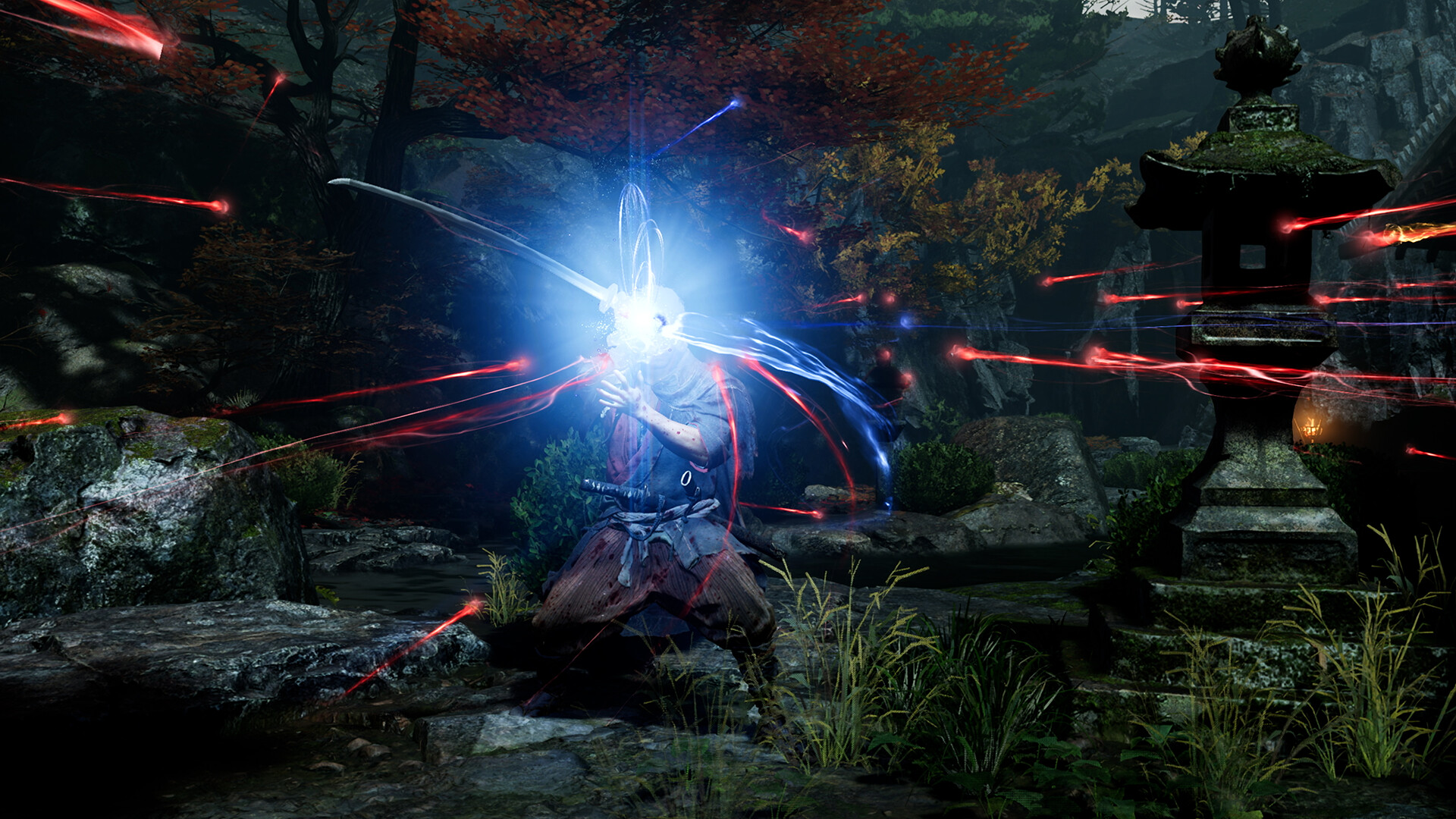
This is wrapped up in the best-looking game on the Nintendo Switch 2, bar none. And yes, I include Nintendo’s own titles here. I have no idea how Capcom has achieved this technical mastery over the console, but if Pragmata and Resident Evil Requiem weren’t already proof enough, this company really has mastered the hardware. The depth and detail in environments and characters looks like something beyond what the Switch 2 should be able to handle, and then it runs at a perfectly playable and consistent frame rate, to boot.
It’s not an entirely fair comparison because Elden Ring is a massive open-world game and Onimusha is much more linear, but Elden Ring’s visual downgrade from TV console to Switch 2 is noticeable, with less detail in characters, moments of distractingly patchy shadows, and so on. Onimusha has none of that. I’m sure if you put the game side-by-side with the PS5 edition you’d be able to spot differences, but it’s certainly not noticeable when you actually sit down to play the game.
While I’m making the comparison, it’s also worth noting that Onimusha is far more accessible than the typical Soulslike even though – again – it does look like it would want to be one. There’s still plenty of challenge (especially in the boss fights), but there isn’t the same learning-through-punishment approach that FromSoftware has made their own. And there are difficulty levels. Playing the game on its easiest setting, it acts like a really useful introduction to modern action games in general, as the timing for the Issen and other combat elements is particularly generous. Of course, if you want to really challenge yourself, there are difficult settings that make those demonic-looking enemies actual demons to fight.
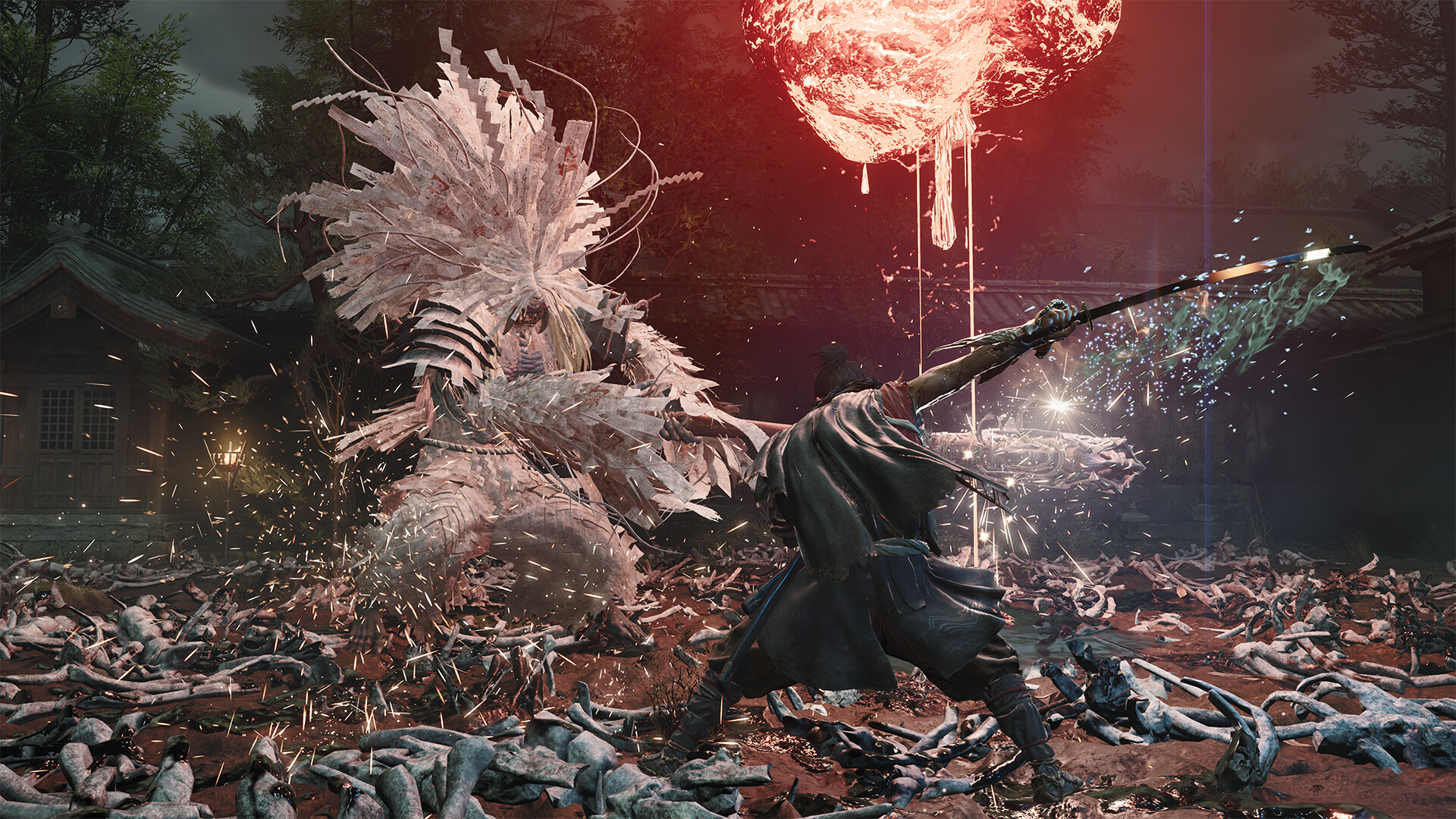
In the end, Onimusha doesn’t wear out its welcome. If you go out of your way to do everything, then you’d be looking at 45-50 hours of play time, but the actual game can be finished in much less time than that. You’ll come away having had a nice hit of culture too. Putting aside the link to Musashi himself (and it is my fervent hope that people are inspired by this game to read the Yoshikawa novel – it really is an exceptional page-turner, I promise), the game is filled with stories drawn from Japanese mythology. It’s like the Nioh series, but feels a little more genuine in working with the traditional roots of the stories.
Capcom has had such a purple patch of creativity tracing from approximately 2024’s Kunitsu-Gami to now. Yes, there’s been the staples with Resident Evil, Street Fighter and Monster Hunter, but Dragon’s Dogma, Pragmata, Kunitsu-Gami and now Onimusha: Way of the Sword show that Capcom’s serious about finding new ideas, too. That they are all landing so well speaks to a developer/publisher riding one of the best waves it has in its entire history.