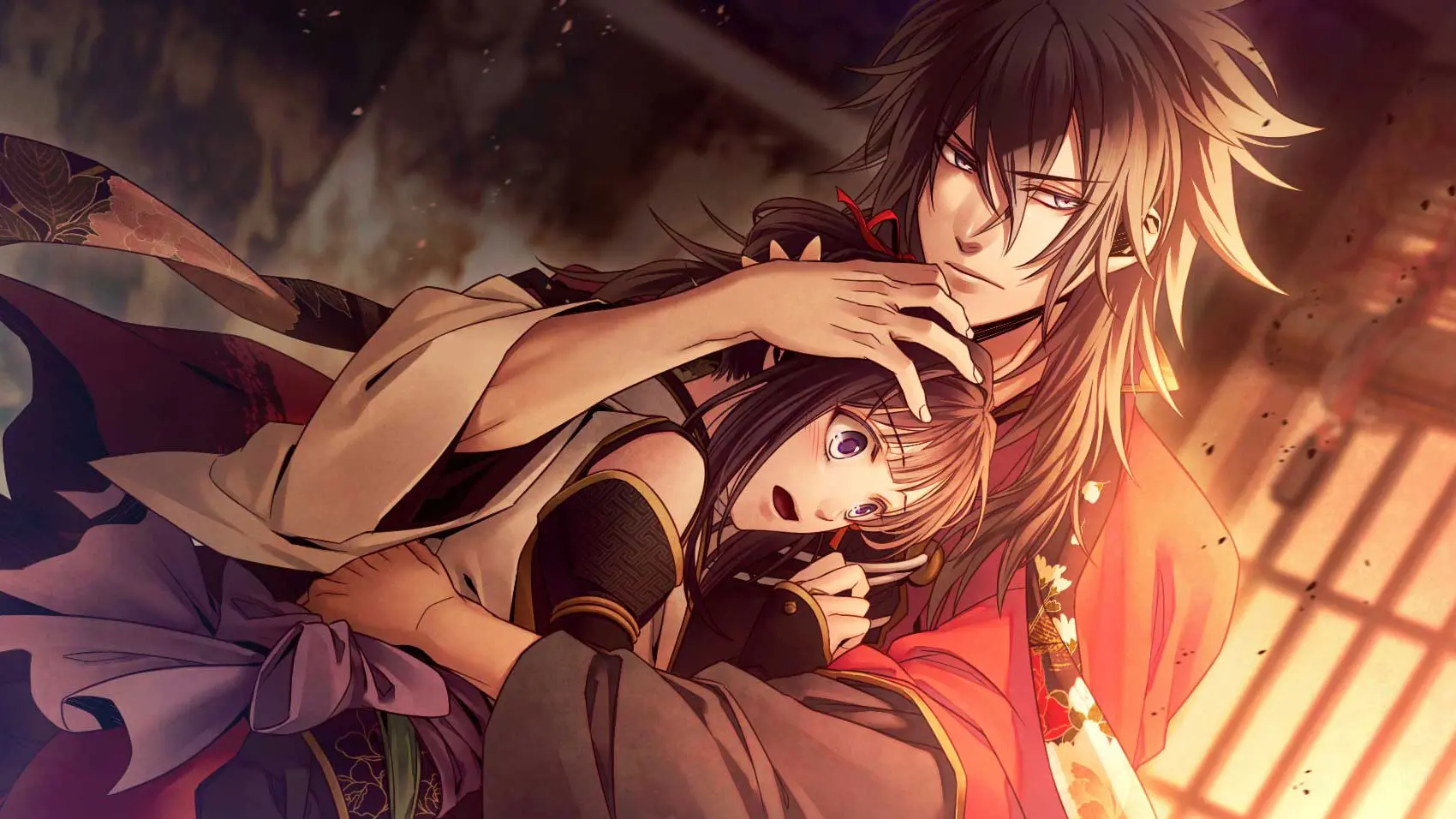


The first otome visual novel that I played – in fact, the first visual novel at all – was Hakuouki, back on the PlayStation 3, when visual novels on console were a rare treat indeed. These days, we’re inundated with the genre, but Idea Factory, the publisher behind Hakuouki, have now released Homura: The Crimson Warriors, and it remains a treat when this publisher takes a stab at historical fiction.
Hakuouki was an otome spin on the story of the Shinsengumi. Homura takes place a fair number of years beforehand, being set at the very tail end of the Sengoku period. As the story opens, Ieyasu Tokugawa has all but dealt with his major rival, the Toyotomi, and Japan is about to enter an era of global isolation, but domestic peace. This particular story follows a group of characters within the Sanada family, a powerful faction that found itself placed precariously between the one remaining rivalry of the era.
You play as a young kunoichi (female ninja) who ends up being brought into the household of a faction of the Sanada who did not ally with Tokugawa, and thus are both isolated and essentially exiled. Keen to prove herself and keenly aware that the boys running the clan are keeping a lot of important information away from her, our young heroine throws herself at every challenge she can to prove herself to them… and to herself. It just so happens that those challenges have her drawing close to the very pretty boys around her…

As with any otome game, the ultimate goal of Homura is to make the right decisions when they pop up (there aren’t many of them at all) to woo over whichever male character catches your fancy. However, the boys are all either based on real historical figures, or at least real legends (many of the characters are taken from the largely fictitious Sanada Ten Braves), and this blend of “love the pretty boys” romance story and historical fiction gives the narrative additional context, which, much like Hakuouki, I find so appealing.
It’s like my Twilight or 50 Shades of Grey – I do understand that there’s a certain pulpy writing that’s applied to the historical storylines and characters, but I’m also a guy who has quite literally wandered the entire Sekigahara battlefield and been to the Ueda castle grounds (the Sanada family territory) in Nagano prefecture, so seeing these characters (and so beautifully drawn, at that) in a highly stylised take on historic events is like catnip to me.
In fact, amusingly enough, I’m reading through Eiji Yoshikawa’s Musashi novel for the first time right now as well. That book takes place in the same time period as Homura, and is a likewise fictionalised account of the era. It, however, is a more literary take, written for periodicals of Yoshikawa’s time (tonally not that dissimilar to something like the Conan the Barbarian stories), and it has been fascinating comparing and contrasting the very different way these two narrative forms have depicted the tail end of the Sengoku period. However, as different as they are in their take on history, and despite both being anything but historically accurate, as I’ve read through both, I’ve noticed a parallel in that both stories do have a total respect for the era that they depict.
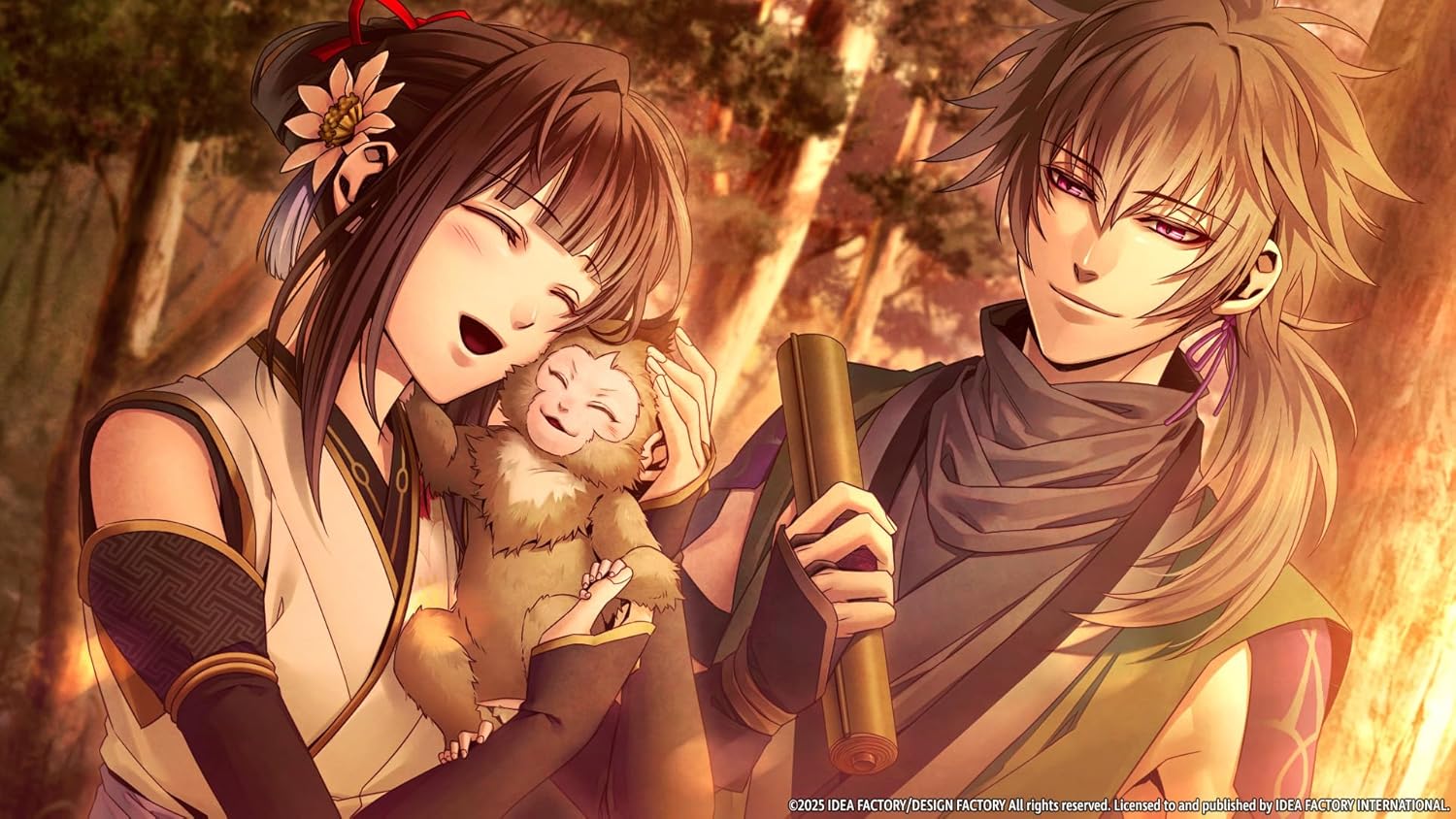
Ultimately, of course, Homura is not trying to be educational, but it could well lead the curious down a rabbit hole that results in them learning about the real personalities and events, and I am always in favour of any game that does that. The development team and writers have certainly put a strong foot forward to craft characters that are interesting and intriguing, and to represent a politically dynamic era with the intrigue it deserves. It’s one of those otome games where you can almost forget that the ultimate goal is to smoosh your protagonist with one of the bachelors like you’re playing with dolls and making them kiss. Almost.
For those who are less acquainted with the real history, the “lore dump” could come across as overwhelming, especially at first. Luckily, there’s a fairly comprehensive glossary included that pops up every time the dialogue introduces a key name, location, or piece of historical context. This can slow down progress at the early stage of the game, but it’s worth paying attention to, as a lot of the drama does rely on the reader having a basic understanding of the real history and situation the characters are in.
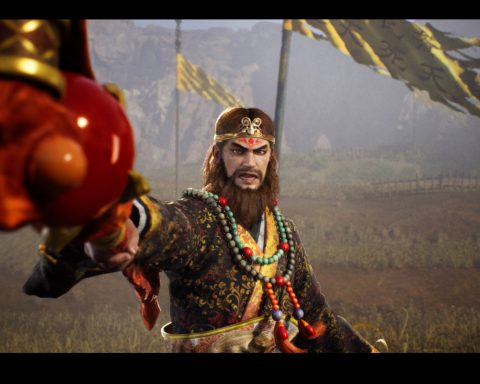
Meanwhile, Homura is absolutely gorgeous. Idea Factory’s otome games remain relatively lo-fi as far as visual novels are concerned. Character models are largely static, backgrounds lack animation, and so on. When outer sub-genres in the VN space are going heavy with the animation and cinematic production values, these otome can come across as relatively static and “still,” but that actually suits the painterly and highly detailed nature of the art. The CGs, in particular, are the kind of pieces of art that I wish I could print out, frame, and hang on my wall.
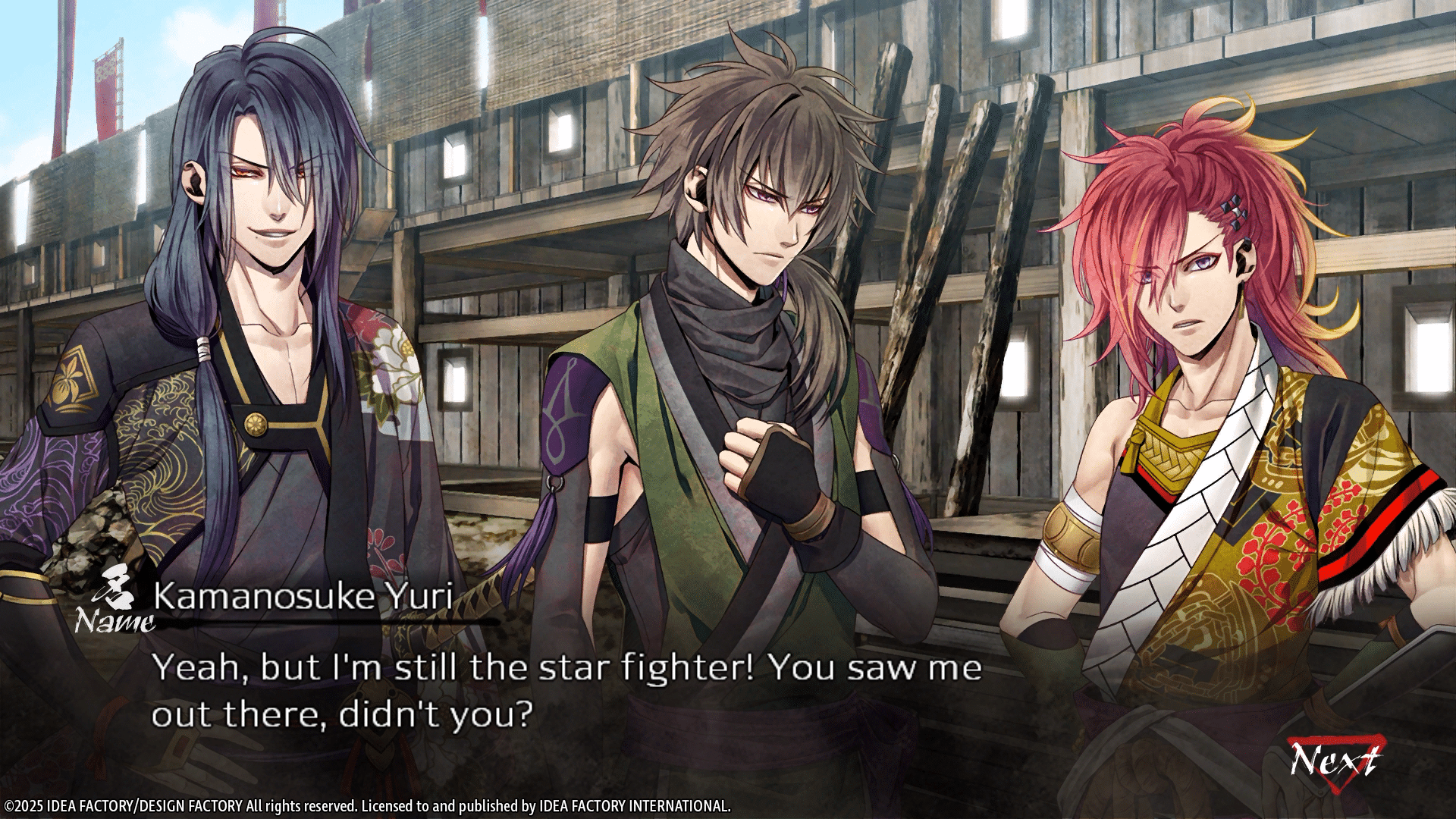
Side note: Idea Factory’s approach to its art is what directly inspired my own visual novel. While I wouldn’t be so arrogant as to claim that The Last Waltz has the production values of a Homura, it is an approach to visual design that I find deeply appealing and inspiring. These games are like walking through a themed exhibition at an art gallery, and one of the big hooks in playing on is that you’re looking forward to seeing what the next artwork will be.
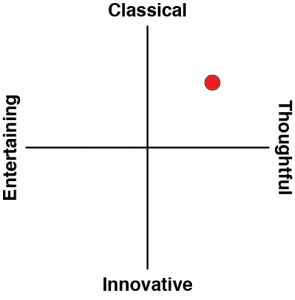
Homura doesn’t innovate with the “gameplay,” and the difference between one of the many (and often quite affecting) bad endings and the good comes down to making the right choice out of two binary options. Save often to save yourself the need to fast forward through reams of text. The story is substantial enough, whether you play it through just the once and accept the ending as canon, or whether you play through every storyline and ending.
Many people assume that the only point of otome is the romance, and the appeal is minimal beyond your interest in male fan service. Anyone who has played otome games realises that this is not the case, and Homura: The Crimson Warriors is a particularly strong example of this. It’s both “girl and reverse harem of pretty men” AND quality historical fiction, and that’s a combination that’s hard to put down.