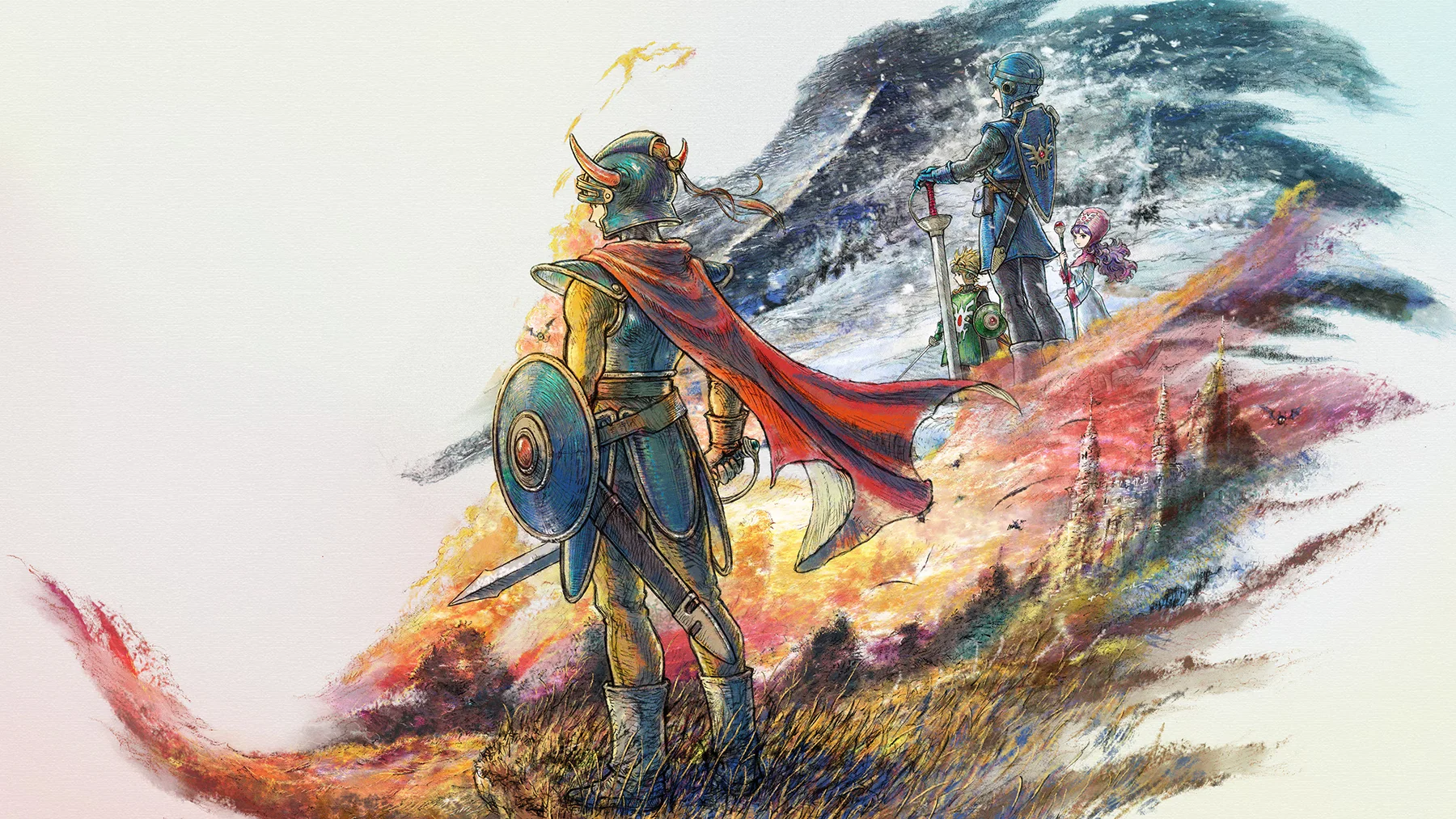


The HD-2D remake of Dragon Quest III went down really well with players and critics, so it was perhaps inevitable that Square Enix would give the same treatment to the first two titles in the trilogy. Wisely packing them together (much as the port of Dragon Quest 1 and 2 to the Game Boy Color were packed together many years ago), the end result is a solid package, and one with plenty of reasons for existing fans to dip back into.
Square Enix took the opportunity with Dragon Quest III to bring a raft of new narrative and quality of life improvements to it, however, it feels like the changes the developer made to this collection are more consequential. Dragon Quest 1 in particular has a massive number of new plot threads, characters, and a reordered path through the game that initially threw me. For context, I have played through the original Dragon Quest dozens of times, so I’m pretty entrenched in how I go about it. Right from the start, the experience felt different. There were monsters to fight in the Tomb of Erdrick! There was a princess that has been captured that you need to rescue! You don’t visit the town of Garinham for quite some time, where, in the original, it was your first real level grinding zone.
And perhaps for the biggest change of all, you can now fight multiple enemies at once. In the original Dragon Quest, it was always a one-versus-one battle system. Here you’ll still only ever control the one hero, but you can fight a small squad of enemies, which requires you to dip a bit more deeply into your skills and spells than you might have when playing the original.

To be clear, none of these changes disappointed or upset me. They did make the remake a fascinating experience to play through though, because I was genuinely not sure what I was going to be getting up to next. Which I suppose was the point; with this remake, you do actually get a new Dragon Quest 1 to play.
Dragon Quest 2, meanwhile, has a whole new location in the world to visit (an underwater zone), complete with a new boss. Because it has a party system and plays more like later Dragon Quest titles, I didn’t feel that the changes to Dragon Quest 2 were quite as extreme, but it’s certainly in alignment with what the developers did with the third.
I understand that the reason for all this was to pad both games out a bit and bring them in alignment with what players would expect from a modern JRPG. It’s always a risk when developers do feel the need to add content to a classic, even iconic title in video game history. If the quality wasn’t high enough, or the new elements clashed with the old, it would have seriously undermined the overall package. Thankfully, that hasn’t happened at all.
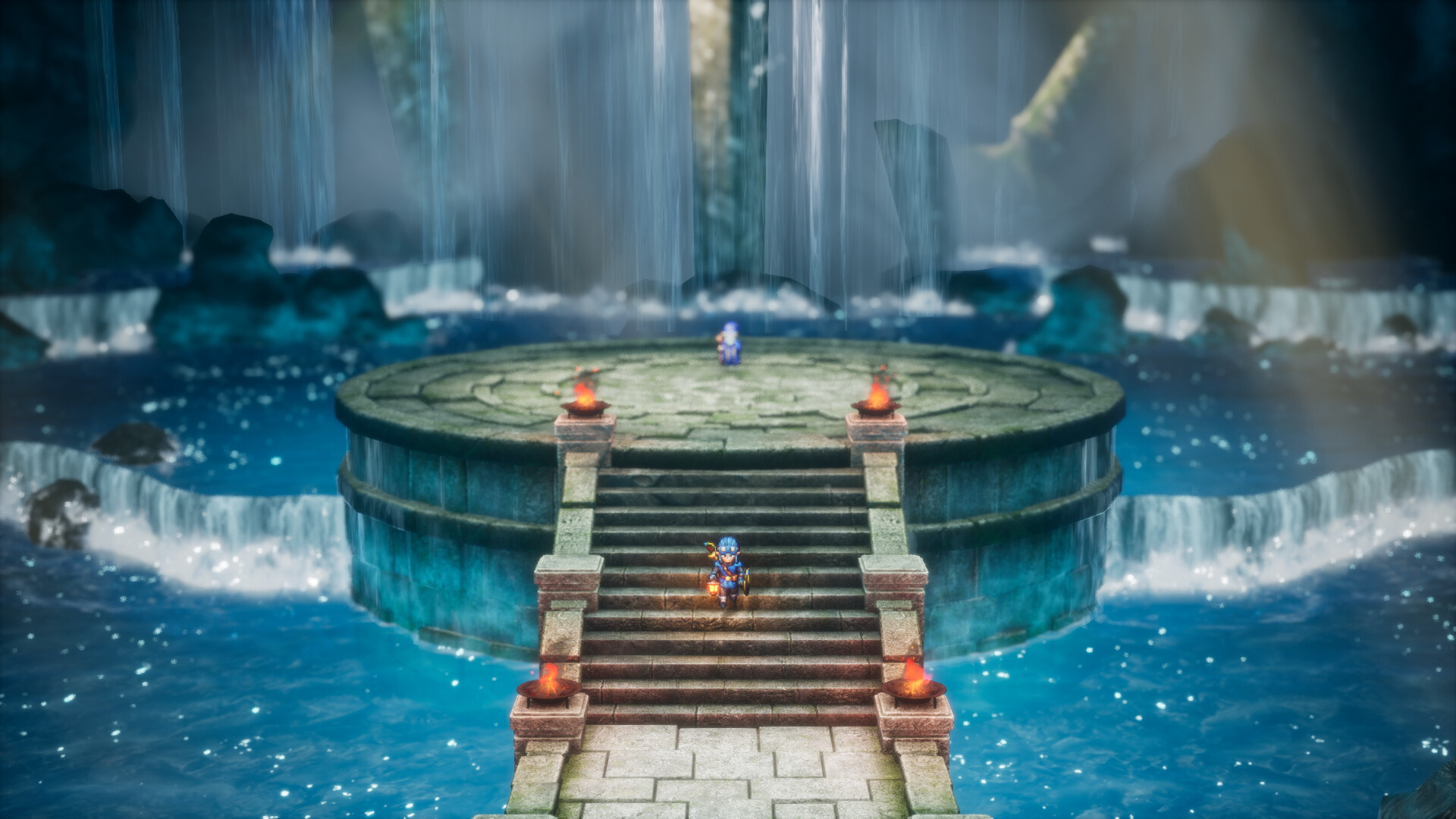
These are also the most accessible takes on the early Dragon Quests. By far the biggest quality of life change is the addition of a quest marker on the minimap, pointing you in the direction of the next story beat. This is something we take for granted now, but Dragon Quest and its sequel haven’t had it in previous versions, and it was possible to end up in a situation where you weren’t sure where you needed to go next. You can turn this off if you want a more authentic experience, but I left it on as I wasn’t in the mood to try and figure out where the new story beats required I head. There are also new skills and abilities you can earn, but on that side of things, I found that playing “classic” Dragon Quest style was usually sufficient.
Of course, the other big change to both titles is the use of the HD-2D engine and, of course, it looks brilliant. I can’t actually think of a visual engine that I’ve appreciated more in recent years than this one, and I do want all pixel-based games remade with it. Initially, I was a little surprised that the developers didn’t take the opportunity to increase the size of the enemy sprites. Slimes, Drackys, and the rest are a cornerstone of Dragon Quest’s appeal, and initially, the tiny sprite work for them is underwhelming. However, the developers have done such a lovely job with the animation of them that I quickly grew to love them. Environments, meanwhile, have all-new life breathed into them thanks to the exceptional lighting and detail the engine allows.
To digress briefly, I was in Japan for a major Dragon Quest anniversary (I want to say 30th? Or perhaps 35th). While there, I went along to a museum exhibition that they’d put on, and a big part of that was to showcase screenshots from the original Dragon Quest alongside painters’ impressions of what the scene would actually look like (i.e. what the imagination is meant to visualise). I even bought a canvas print of one of them, which was a very Dungeons & Dragons-style scene.
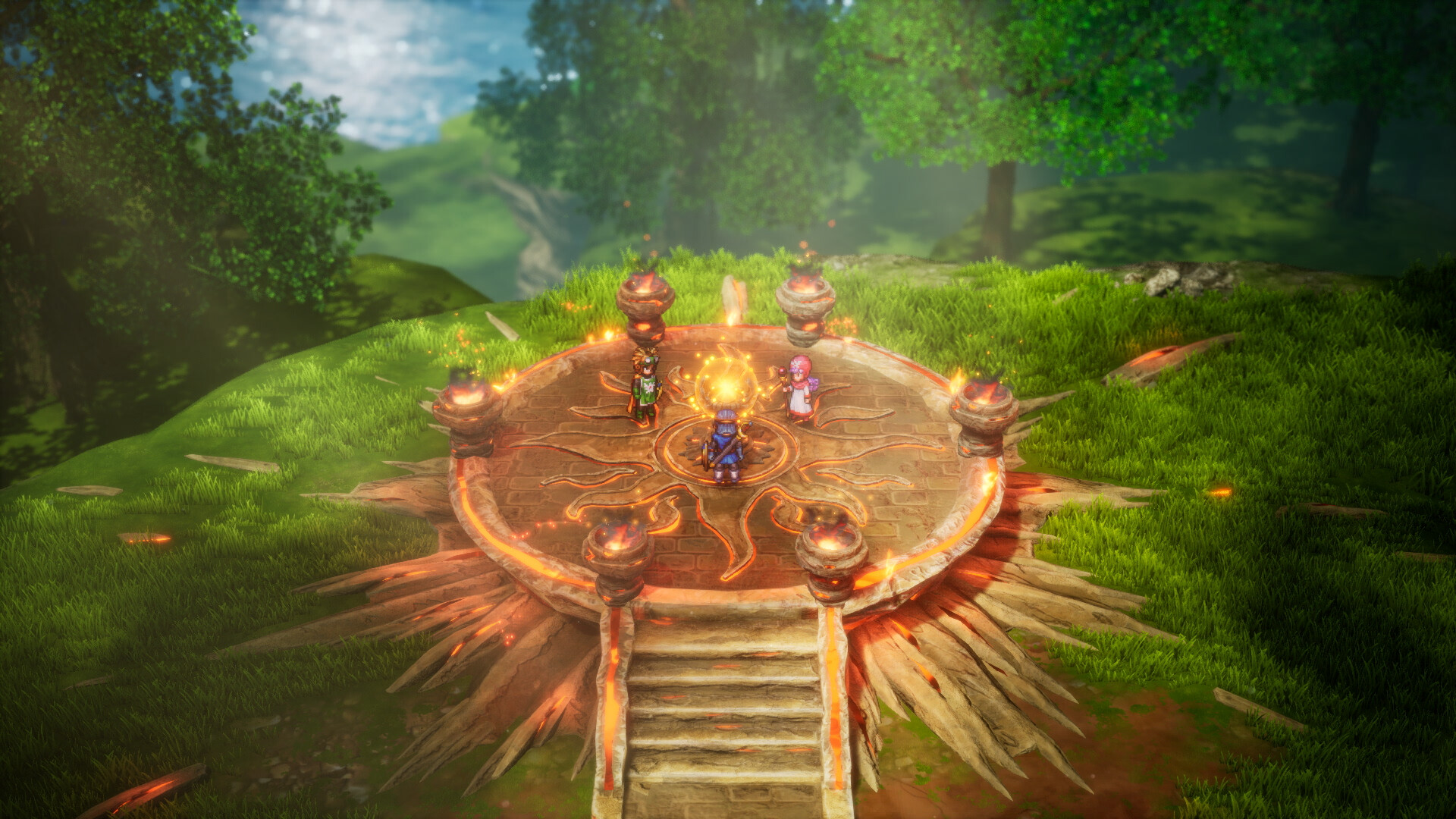
To this day, I’ve wished that Square Enix would take a crack at remaking Dragon Quest according to that vision. And for that reason, I was actually a little disappointed when the remakes were instead HD-2D. Not because of the engine itself, but rather because I’ve always wondered what taking Dragon Quest in a truly different direction might do to it. Of course, now that I’ve actually played the HD-2D take, I realise just how well suited it is to everything Dragon Quest has stood for over the years, and now I hope the IV through VI trilogy gets the same treatment (and then the first six Final Fantasies after that, please).
Dragon Quest I and II HD-2D Remake achieves exactly what developers should always be trying to achieve with a retro remake: Breathe new life into something that fans love. With enough new additions to surprise and delight even the most veteran fan of both titles, combined with a gorgeous art style that does so many favours to Dragon Quest, I somehow found myself genuinely excited, enchanted by, and unable to stop playing something I’ve played almost annually for decades now.