 Opinion by Matt S.
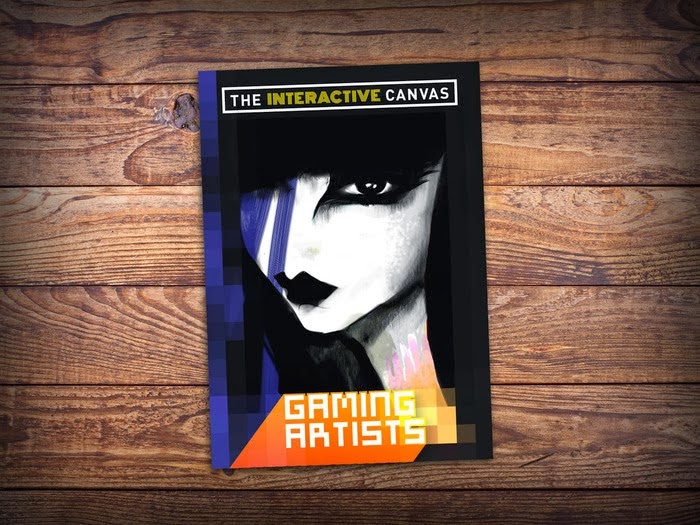
As followers of Digitally Downloaded will know, we recently ran a Kickstarter to try and get enough money to publish a book about games.
The Kickstarter itself was wildly successful in that it essentially became a pitch; after a publisher read it, they were prepared to take the publishing of the book on themselves. So, while we didn’t hit the goal that we were looking for from backers, it’s hard to consider the process anything but a very positive project.
With many other game developers out there considering Kickstarter to realise their own dreams, I thought it would be worthwhile reflecting on my own learnings on the process, because it can be soul crushing and difficult work indeed;
- Kickstarter is clearly hitting the trough of disillusionment.
 I didn’t make that term up, for the record. Enterprise technology and business analyst firm, Gartner, has come up with a concept that it calls the hype cycle. The hype cycle describes the process by which a popular technology or concept matures, from a cool idea that everyone wants to be a part of, to a lull as people realise the limitations of it, and then a stabilised response from customers when people understand what the solution offers and what to expect from it.
- A Kickstarter campaign needs star power
 A good idea or a good campaign isn’t going to get you over the line a Kickstarter with anything more than the most modest of goals; you’re also going to need to have the direct involvement of someone whose name holds enough star power for people to break out the pocket book to support on mere principle.
 While understandable, people looking to run Kickstarters need to understand that it’s perhaps not the opportunity to get their dream idea off the ground. You might want to file that idea away for after you’ve got enough experience in your field to have a name and reputation, and then run the Kickstarter.
- A Kickstarter is soul crushing hard work
 By the time that I had prepared the Kickstarter to start running I’d spent a solid two months preparing it. I needed to have a list of game developers that would be participating in the series of interviews for the book. I needed to build the idea for the book itself, record my video, and go through the admin side of things to get myself ready for launch the project. I completed this process over Christmas, meaning that I didn’t get much of a break, but it was the only time when my day-to-day work quietened down enough that I could sit down and focus on the Kickstarter.
 - The most valuable asset you have when running a Kickstarter is a solid PR campaign
 After launching our Kickstarter there were two periods where we saw the greatest boost in pledges; immediately after the campaign was launched, and then a week later, when our PR campaign went live. A formal press release was sent to a broad range of publications (both in and outside of the games industry), and those media outlets that reported on it were responsible for our largest contributions.
 - On the other hand Kickstarter is a quick way to learn the value of your idea
 While the nature of my Kickstarter (being run by a person who hasn’t previously been a published author, and having a very large goal) meant that the project didn’t reach its target, the process reinforced my belief in the idea of the book. The average pledge for the book was in excess of the minimum cost of the book; where you could buy the book for $60, the average pledge was $86.56. This told me that people weren’t just interested in the book; they were fully supportive of the idea behind it.