

I don’t think Akiba Lost is the best name the development team could have come up with here. It’s accurate, in that it’s a game about people who got lost in Akihabara (pet name “Akiba”), but given the presence of Akiba’s Trip, this game is just asking for players to make assumptions. It is, of course, an entirely different game.
Akiba Lost comes to us from IzanagiGames, an enormously interesting publisher that has, over the past six years, delivered everything from the FMV movie-game Death Come True to the SHMUP, YuruKill, Danganrompa-esque World’s End Club, and most recently, Dark Auction. Disappointing use of AI for some art assets in that one, the game was written by the same writer as Hotel Dusk and Another Code, and will be worth checking out if they do manage to replace all the AI assets. Point is, IzanagiGames backs projects that are interestingly different, even if they don’t necessarily set the critical world on fire, and Akiba Lost fits in well there.
The difficulty with reviewing it is that it’s a page-turner narrative with so many twists and turns that it would be difficult to explore without giving away some massive spoilers. But perhaps the setting will do: The game follows the story of a game developer who had a massive hit with his first indie game, but subsequently struggled. He also had the experience of his young sister disappearing while under his watch as one victim in a spate of mysterious disappearances in Akihabara.

He’s also diagnosed with a terminal illness, so he decides to put his remaining energy into developing a game that, he hopes, will lead to the real-world search for these people to bear fruit. It’s a controversial idea, but one of the quirks of knowing you’re facing your end is that you don’t have to give a crap any longer.
Our protagonist then recruits a bunch of women to play the roles of those who were spirited away over a decade ago, and then you get to get involved in how all their stories unfold.
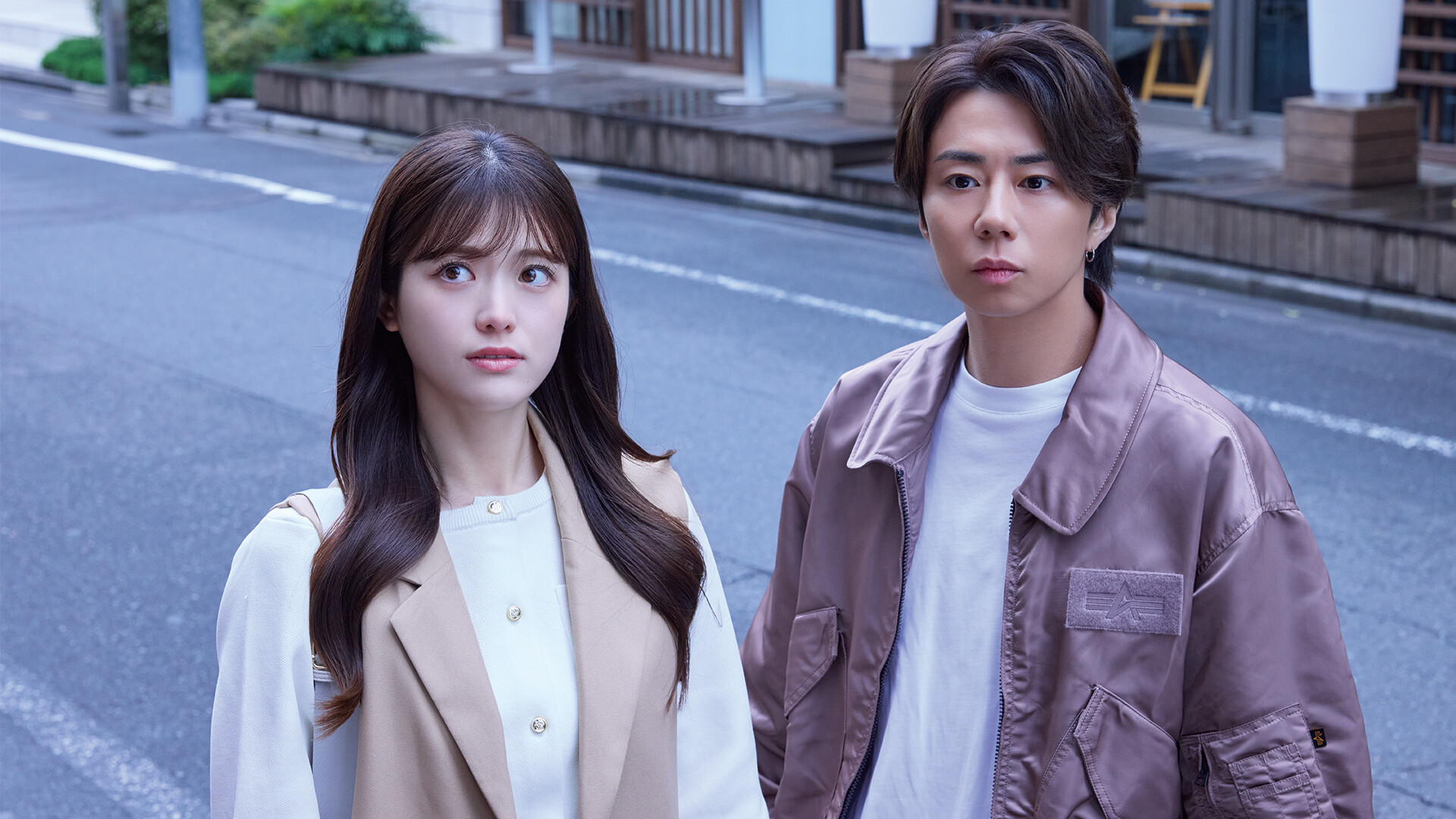
Akiba Lost is live action, in that it uses real actors (and it’s quite an impressive, star-studded cast at that, including Hiromitsu Kitayama, Misato Ugaki and Sayuri Matsumura). It’s not really an FMV game though, like IzanagiGames’ previous Death Come True. This one is more like a visual novel, only instead of standard CG backgrounds and characters, in this game you’ve got photos that get stitched together to represent movement and changes of scene. These are connected with FMV sections, but the still-photo nature of most of the game allows the developer to provide a richer narrative sequence and more complex set of player interactions than a standard FMV title allows.

Some of these interactions are choose-your-own-adventure moments where you’ll need to pick from a couple of different decisions to drive the plot forward. At other times you’ll want to swap between characters to witness events from a different perspective. Sometimes you’ll need to change characters in order to be able to clear the way for another character’s story to progress. Ultimately, you will need to complete all the stories of all the characters to move the overall plot forward to its next chapter, but there’s a nice dynamic to the interactions and level of control you’ll feel like you have over how events pan out.
There are plenty of bad endings, of course, and a full narrative tree that you can jump around to explore all the various routes you can take. It’s not the most challenging game, even among visual novels with branching narrative paths, but, thanks to the overarching mystery of the narrative and its breakneck pace and drama, it’s a highly, massively engaging one.
I should also mention at this point that the narrative does respect the player’s intelligence, and is willing to hit some pretty heavy notes. There’s the uncomfortable question about what happened to the disappeared women from the outset, of course, but the story does canvas themes of murder, death, and suicide “and other serious themes” as per the disclaimer. Nothing that we don’t see in mysteries in other genres, but for whatever reason the video game industry has evolved into one where the idea of players being made to feel uncomfortable is considered to be a bad thing by some sections of the community, so such a disclaimer is necessary. At the same time, the game isn’t a dirge, and there are plenty of (well-written) moments of levity and humour to provide some relief from the heavier moments.
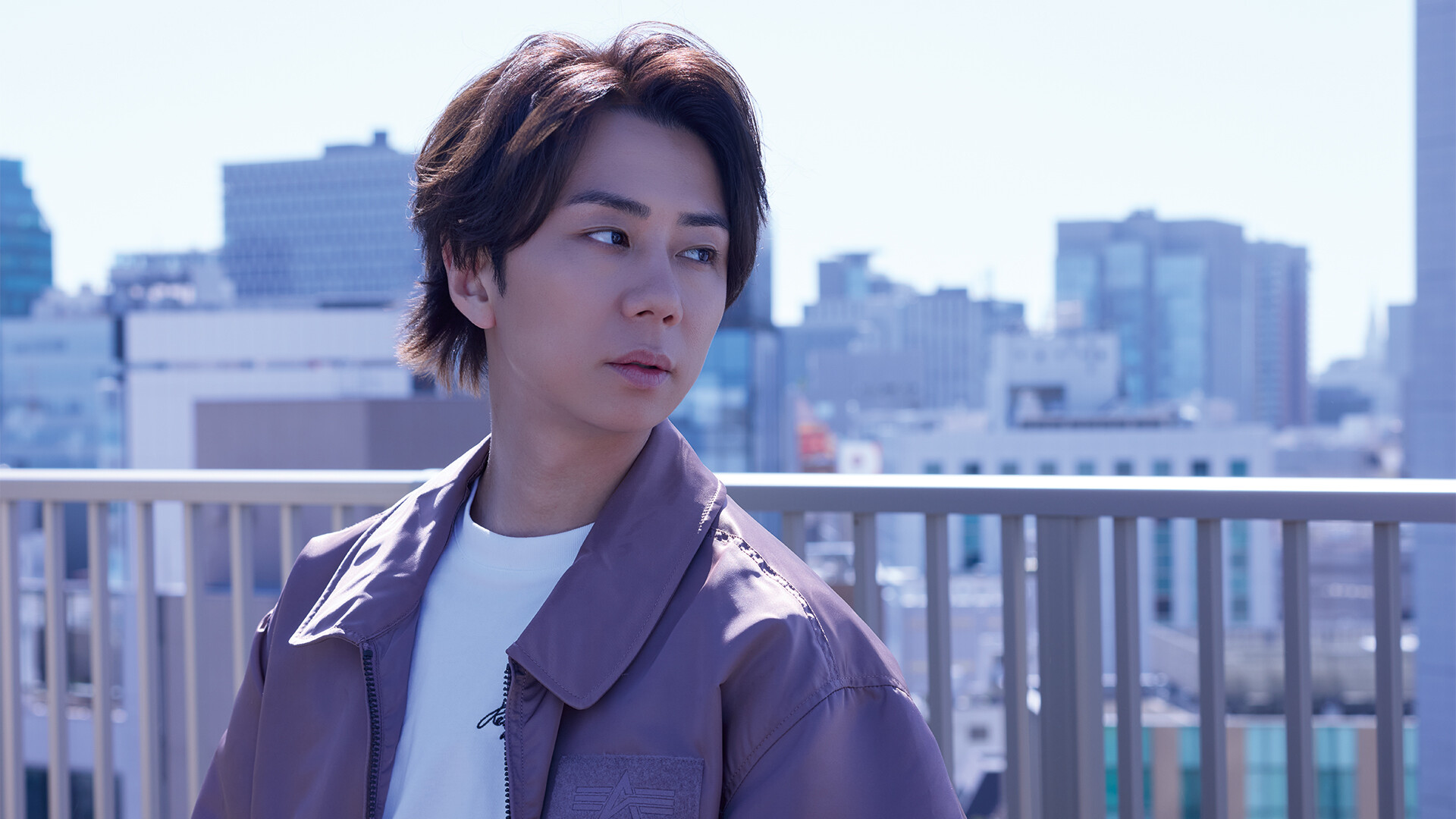
Overall, the game is highly cinematic and well-made. IzanagiGames partnered with TV production studios to capture all the footage, and it’s definitely a cut above the standard you’d usually expect for lighting and cinematography in a game like this. In fact, now that Netflix is localising Japanese TV shows like Vivant, My Family, and the like, if this plot and cast had appeared on there rather than our consoles, no one would have batted an eyelid.
I do wonder what kind of audience Akiba Lost will find. It is a glorified visual novel, and there were times while I was playing that I almost felt like the game struggles against its choice of platform. This game wants to be taken seriously as cinematic television, but belongs to a genre that often gets derided by players looking for drama and excitement. Still, it’s not really my job to figure out the market for a game, and 428: Shibuya Scramble did well enough in building a reputation and finding an audience. Akiba Lost is a bit like a spiritual successor to Shibuya Scramble, and is made with some truly prodigious quality and production values. So hopefully it is a big hit, because it deserves to be.