

Why, FromSoftware. Why?
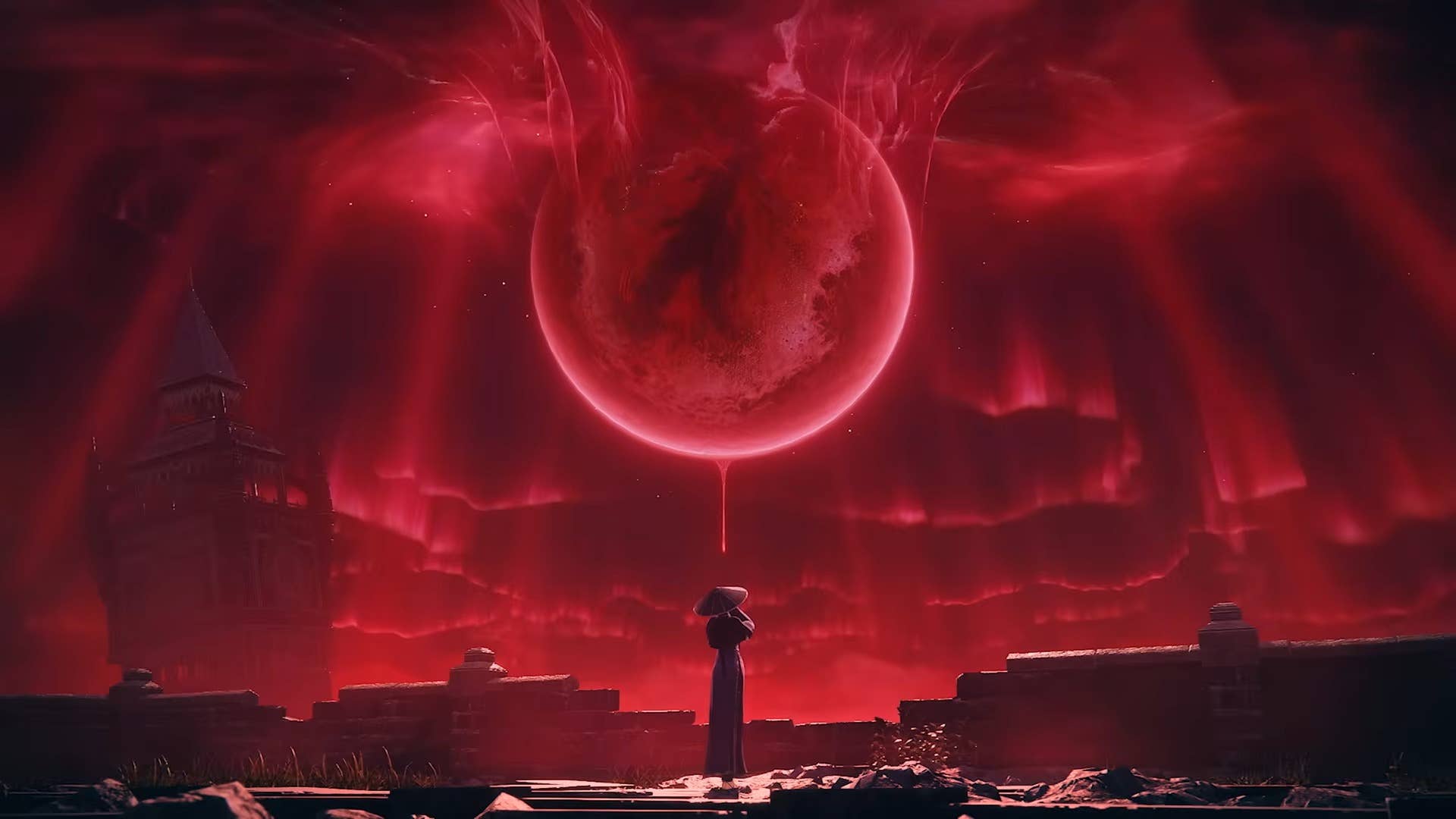
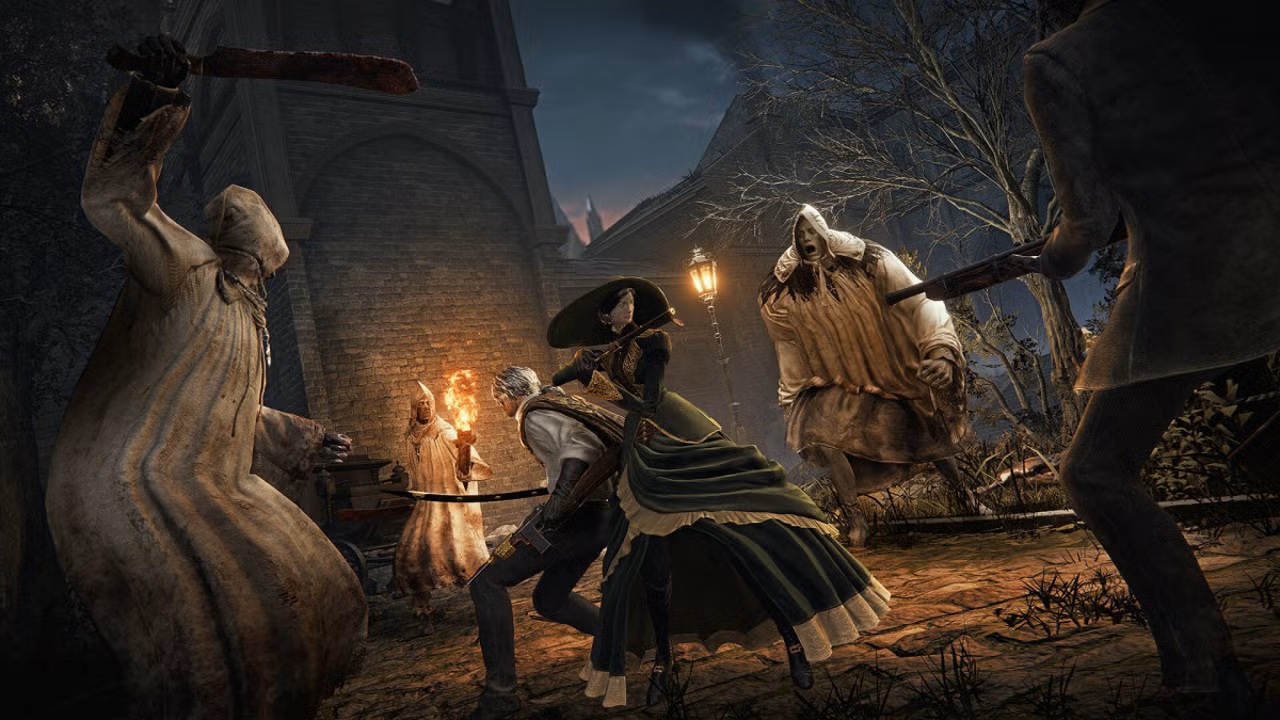
The Duskbloods is so damn intriguing, and having played it during the network test, I’m even more intrigued. Richly, evocatively urban gothic, like a Dracula or Jekyll and Hyde gone even darker, Duskbloods has all the potential in the world to be something I connect with even more than Elden Ring. The too-short time I had to putter about its world, atmosphere thicker than pea soup fog, was enough to utterly sell me on all the design work that went into it.
So why did they make it a purely online “PvPvE” experience? Was Nightreign, which I would argue is the weakest FromSoftware Souls experience to date (with daylight between it and, say, Dark Souls 2), not proof enough that the Souls formula works best when the multiplayer and competitive experience is an optional component, and the main part of the game is immersing yourself within it spaces and majestic creativity at your own pace?

The game was clearly built on the Nightreign foundation. You’re dropped into a large space, structured like a section of a Dark Souls or Bloodborne. Once there, you need to set about completing objectives (defeating bosses, other players, or maintaining the highest common kill count). This earns you Virtue points. At the end of a certain time, the players with the lowest virtue are automatically eliminated, and the count starts again. After four phases, there’s a final battle and then a winner is declared.
It is, in fairness, an interesting and potentially deeply engaging structure. The ticking time clock and need to accumulate virtue force you to play an extremely aggressive game, and you’ll be racing around with nowhere near the caution for the self that you’d display in a standard Souls game. The game is also big on creating tense dynamics between players. In the first two phases, players who are too individualistic will find the bosses and other key objectives almost insurmountable. Temporary alliances are necessary to level up and collect Virtue at a competitive rate. In the second half, however, that dynamic shifts and suddenly it’s in your best interest (especially if you’re higher up the pecking order) to start looking to eliminate potential endgame rivals.
Meanwhile, the combat itself feels as pristine as any other Soulslike, though the speed and rhythms of combat are more akin to Bloodborne gone big. The ability to do a massive jump in the air and then triple jump before needing to land, and the ability to do a lot while in the air, adds a lot of additional 360-degree dynamics to both exploration and combat. Things get even more surreal when characters start using jetpacks and other distinctly non-gothic equipment. Such things make combat even more nuanced, but naturally come at the expense of the theme and general atmosphere; but hey, if the ability to have Rick & Morty and Olympic snowboarders come together in Fortnite has taught me anything, it’s that thematic integrity is not a priority for developers or players in multiplayer experiences.
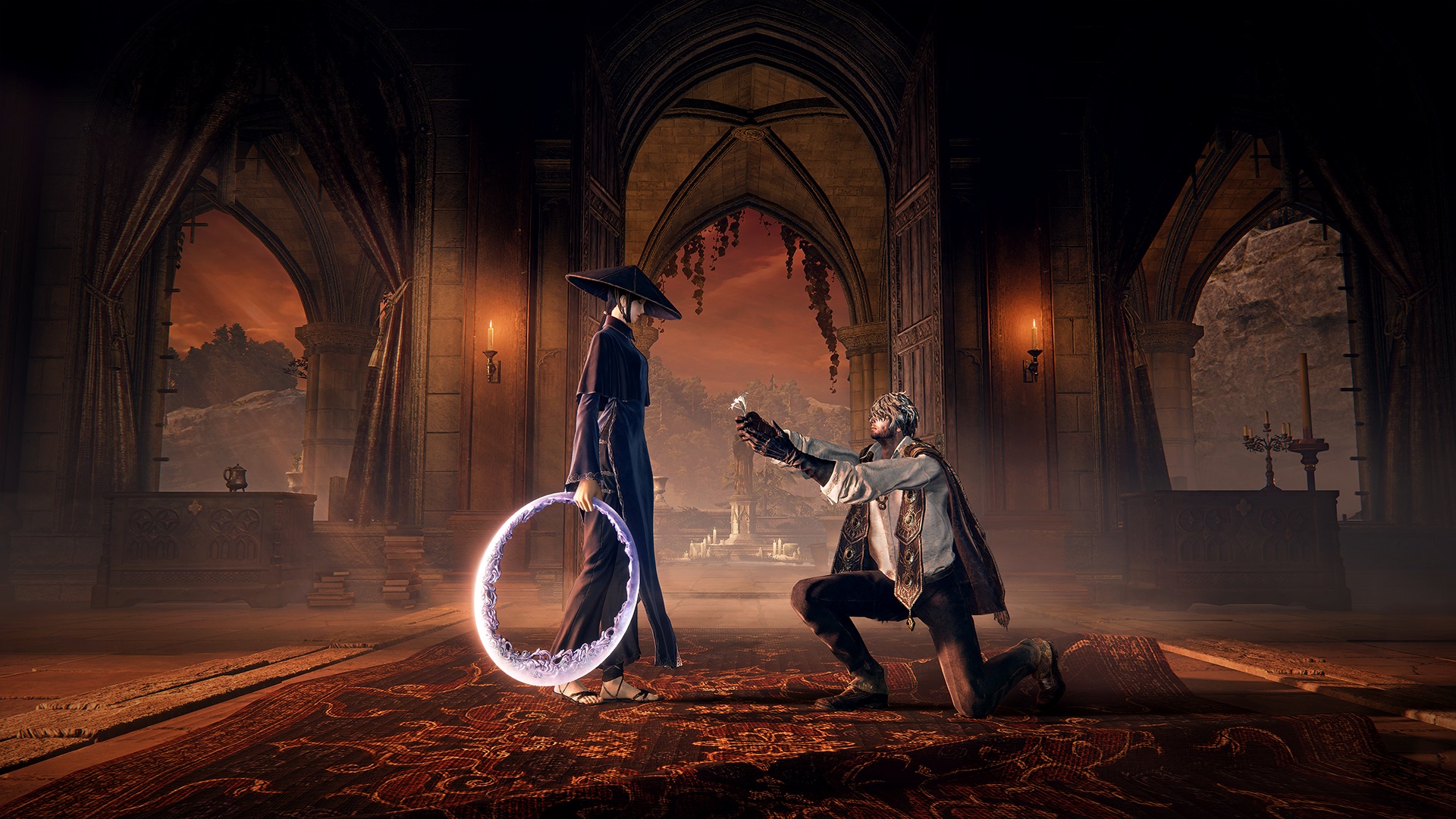
I know I’m doing the old man yelling at clouds meme here, but I specifically come to FromSoftware games for the narrative, and that’s fundamentally at odds with multiplayer. Even MMOs get better when you can solo through the dungeons and treat them like single-player games. There might well be some kind of single-player mode or component to Duskbloods, but it’s likely to follow the same structure as the multiplayer and therefore mandate a mad rush through levels, rather than a methodical experience of them.
What I will say, though, is that the game’s a big one for the Switch. This is clearly going to be an extremely meaty and deep multiplayer game and, if Monster Hunter taught us anything, those things go well on both Nintendo consoles and portable. I wanted to test Duskbloods off a 5G mobile connection just to see if the all-important framerate holds up or lag kills the experience, but I didn’t get a chance to test and see if this game will truly work on the road. It was impressive off a standard Internet connection, though.
The Switch 2’s screen, meanwhile, does a luxurious job of displaying the incredible art direction. You just might need to dial up the brightness a tad though. As good as the Switch 2 is at displaying blacks, it can cause you to lose sight of enemies or environmental features when the world is this drenched in them.
A network test is hardly enough to form full and final thoughts about the game, but what I did see convinced me that for anyone who spent most of their time invading other players’ worlds in Elden Ring, this game will deliver and then some. The big question is whether FromSoftware can also give those of us who love the qualities of single-player Souls something to latch onto.