

Gaming headsets are an incredibly broad spectrum, running from well over $1000 down to the rough cost of a trip to McDonalds. Given that we’re in a cost-of-living crisis and staring down the barrel of global conflicts brought on by resurgent fascism, it’s a safe bet that people are going to indulge less and make more compromises to enjoy a “near enough” experience with luxuries like gaming. The LucidSound LS10X Wired Gaming Headset is one of those compromises that will appeal to people looking for a new gaming headset. And, note, I don’t mean “compromise” as a pejorative here.
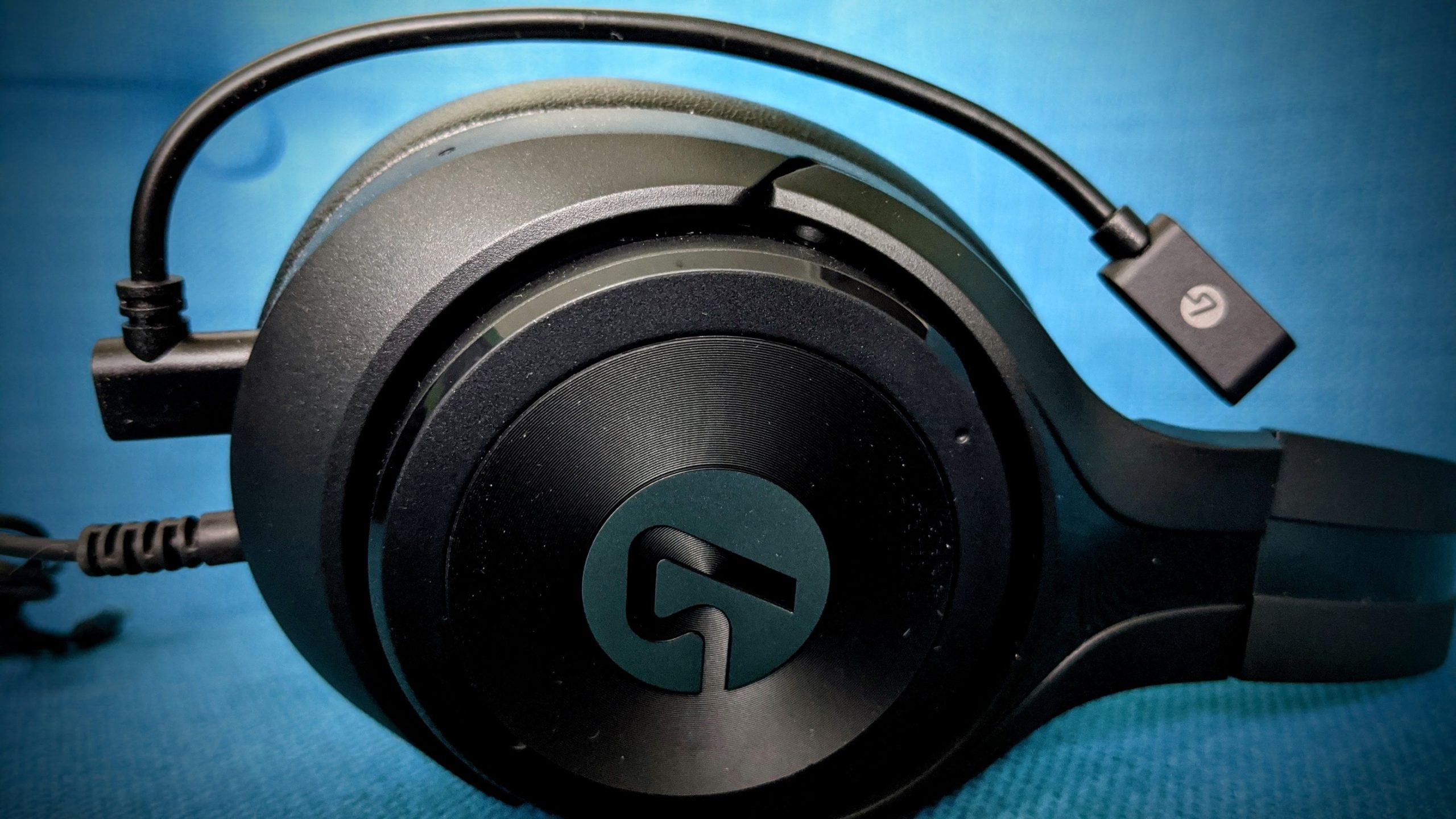
The LS10X is an incredibly lightweight, comfortable, wired-only headset that costs about $50 and sounds and feels like it should cost more. The earcups are nice and large, fit well and have memory foam for additional comfort. The microphone is permanently attached to the device, but it’s designed to be discreet when put away, so you can use the headset in public without feeling like you look like a telemarketer. Though it is lightweight, it also feels robust enough that you can take it with you for on-the-go gaming, and it won’t snap in two in your bag.
Inside the headset, you’re getting 50mm drivers, which is a standard quality. Of course, drivers in themselves don’t set the quality of sound, but LucidSound’s engineers have done a good job with this one. The headset does a great job with games that rely on music, offering crisp melodies and handling lyrics cleanly. Games that are heavy on the bass or heavy impact sounds like shooters don’t perform quite so well, but are still well and truly respectable.
In fact, the poorest audio experience I felt I had with the LucidSound was the quiet games, like Cricket, where the “soundtrack” is really just crowd ambience and the occasional line of commentary. It’s not that the headset did a poor job with those sounds, it’s just that it lacks active noise cancelling, and without ANC, those softer games compete with real-world noise that tends to muddy the audio experience. With louder games and the volume up, the lack of ANC is less of an issue but for people who like to immerse themselves in an audio bubble, this headset’s probably not quite there for them.
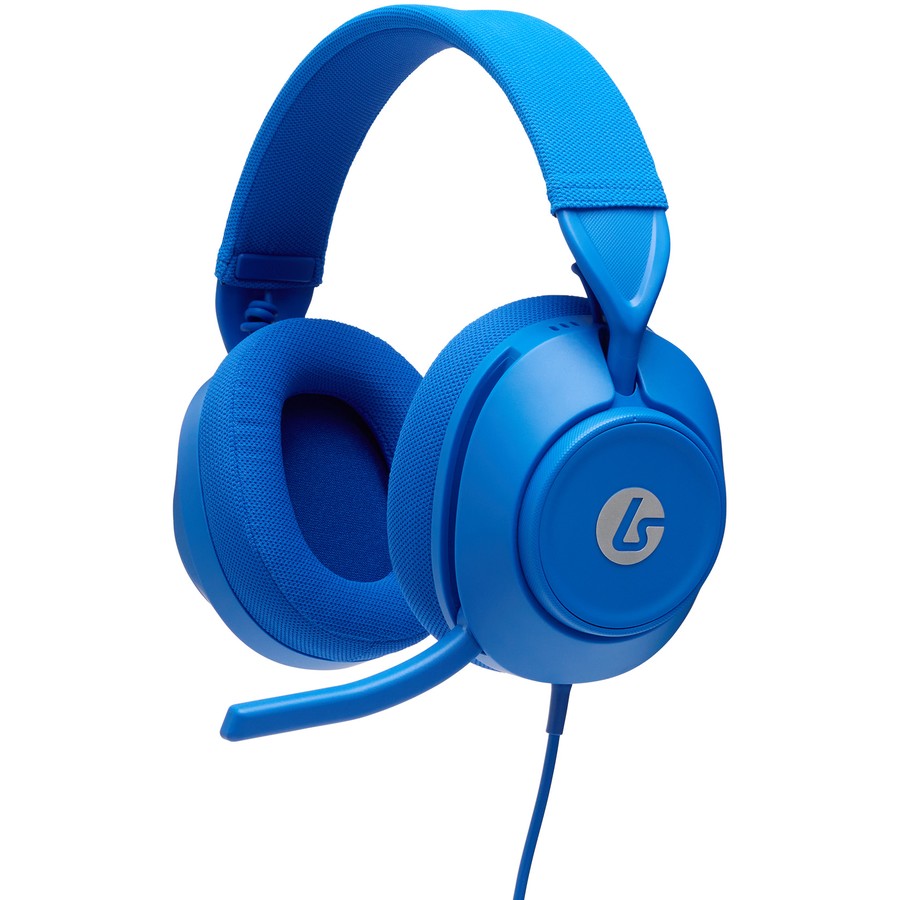
Then again, no one in their right mind would expect ANC in a headset for $50.
Other compromises include a lack of software and profiles to customise the audio experience (though if I’m being entirely honest, I never touch those outside of the testing period anyway, so this wasn’t an issue for me personally), and a lack of Bluetooth for wireless play. Given how many devices these days lack the classic 3.5mm jack, this does limit the headset’s utility, though it has been designed as a gaming headset, and Nintendo, Sony and Microsoft devices all use the headphone jacks, so there’s no issue with the main purpose of these headsets
Meanwhile, in addition to the quality sound that comes from the 50mm drivers, there are two mics – a boom and an in-line mic. There are better mics in the world, but both do a perfectly fine job while gaming, and no one is going to get offended because they misheard what you said while using the headset for voice chat.
There’s not much else I can say about the LucidSound LS10X Wired Gaming Headset. It’s not “a good headset for $50.” It’s a good headset that happens to cost $50, and it’s a good option for families that need multiple headsets, or just anyone who wants a decent option that won’t become an investment. In all likelihood, it will be my main headset for the foreseeable future, because here’s the greatest benefit of having a good, cheap headset: It’s one you’ll take with you and actually use because if it gets scratched up or damaged, it won’t matter so much. I love my premium headsets, but the irony is that I don’t use them every day because I don’t want to risk dropping them or spilling coffee on them. The LS10X headset, meanwhile… well, it’s something I will really use.