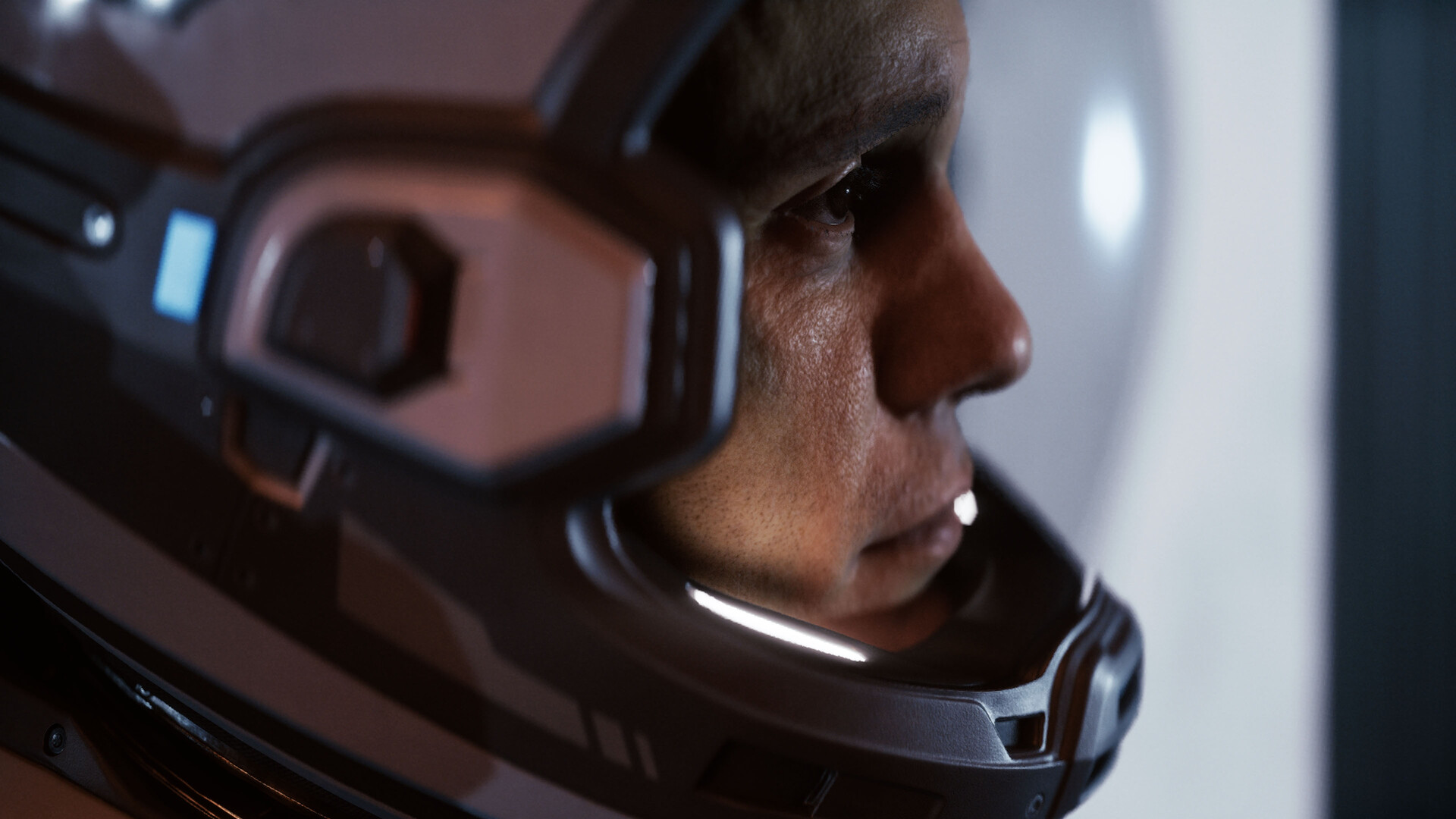


I almost forgot about Supermassive Games’ Dark Pictures Anthology. That’s not from a lack of quality – each title in the series to date has been very worthy – but it’s just that things move quickly in video games and the Dark Pictures titles don’t quite have the longevity behind them. I’ve never replayed one, and so, given the last was released back in 2022, I haven’t interacted with the series in four years. Directive 8020 gets to be something of a soft re-launch for the brand, then, and it’s a decent place to start, albeit probably the most derivative we’ve seen yet.
Each Dark Pictures title focuses on a different kind of horror. The first, Man of Medan, was a ghost ship story. My favourite, House of Ashes, was a “explore the ancient tombs”-style horror. The most recent one, The Devil in Me, was the series’ take on slasher horror.
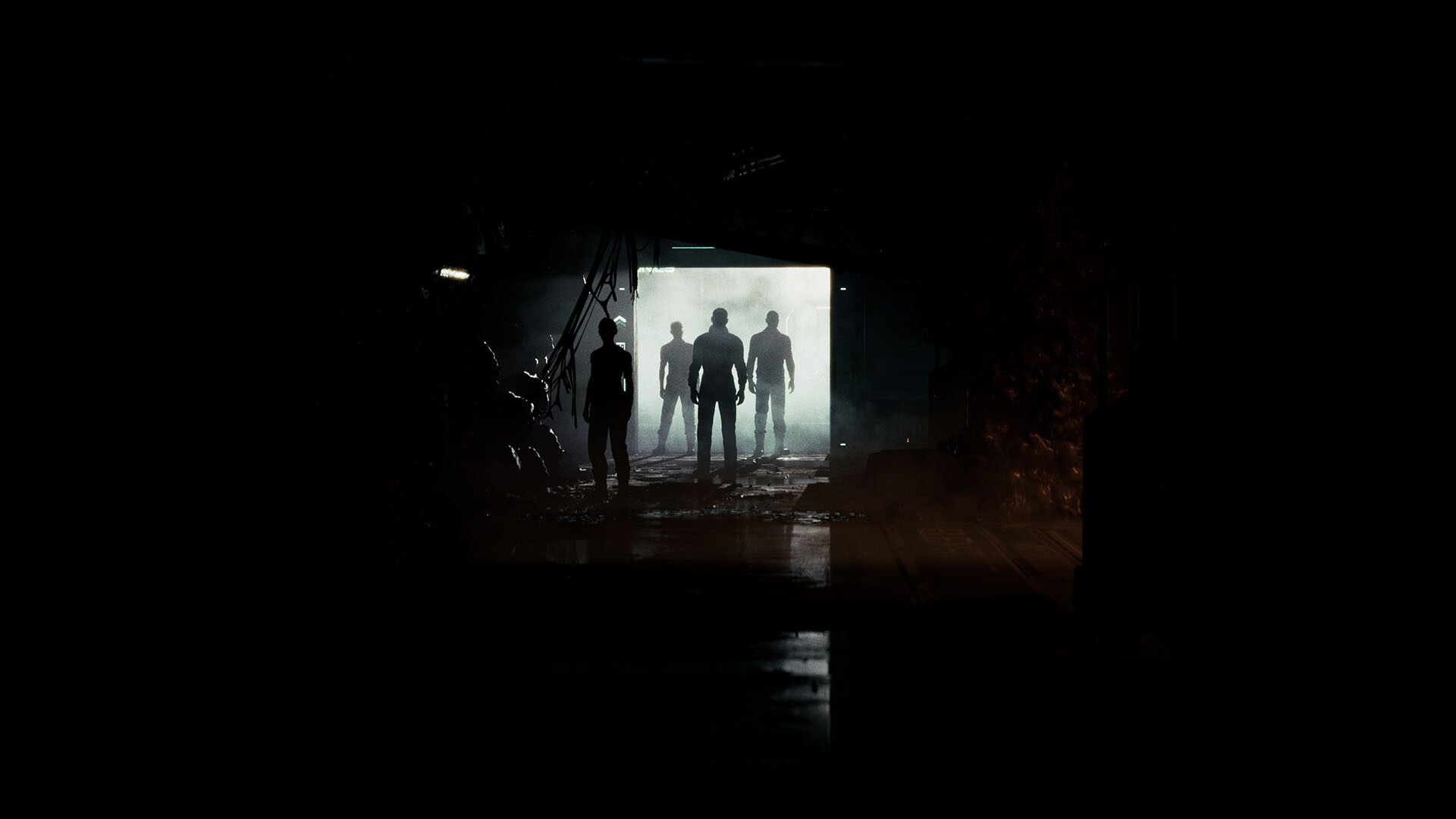
Directive 8020 is science fiction horror, and really very blatant about its sources of inspiration. If Alien (not Aliens) were crossed with The Thing, you’d be about 90% there. There’s a dash of the high-concept sci-fi horror of Event Horizon in there, too, but it, and other minor influences, are more akin to momentary homages than anything that specifically influenced the project.

The developers are working with pretty easy horror here. That’s not to diminish what they’ve done, but space is a natural setting for horror for so many reasons – it’s a nihilistically inhospitable environment to humans, whether you’re in the depths of space or on a planet that isn’t Earth. It’s also an intensely lonely to be in, and escape options are incredibly limited. “In space, no one can hear you scream,” etc., etc.
Space is also a good setting for horror because it’s much easier to suspend disbelief, even though such a tiny percentage of people have even had the experience of space. With so few people having that experience or being able to relate what it’s truly like, there’s a greater capacity for the mind to accept what’s going on, no matter how outlandish. It’s easy for the storytellers to justify anything by either citing the great and many unknowns of the vacuum of space, or the different quirks of a planet that isn’t Earth.
Directive 8020 plays with all of this by the book. You’re on a ship that crash-lands on a planet, and the tiny few crew quickly realise that they’re not alone and, worse, the thing that haunts them can look like them. Paranoia, unsurprisingly, abounds.
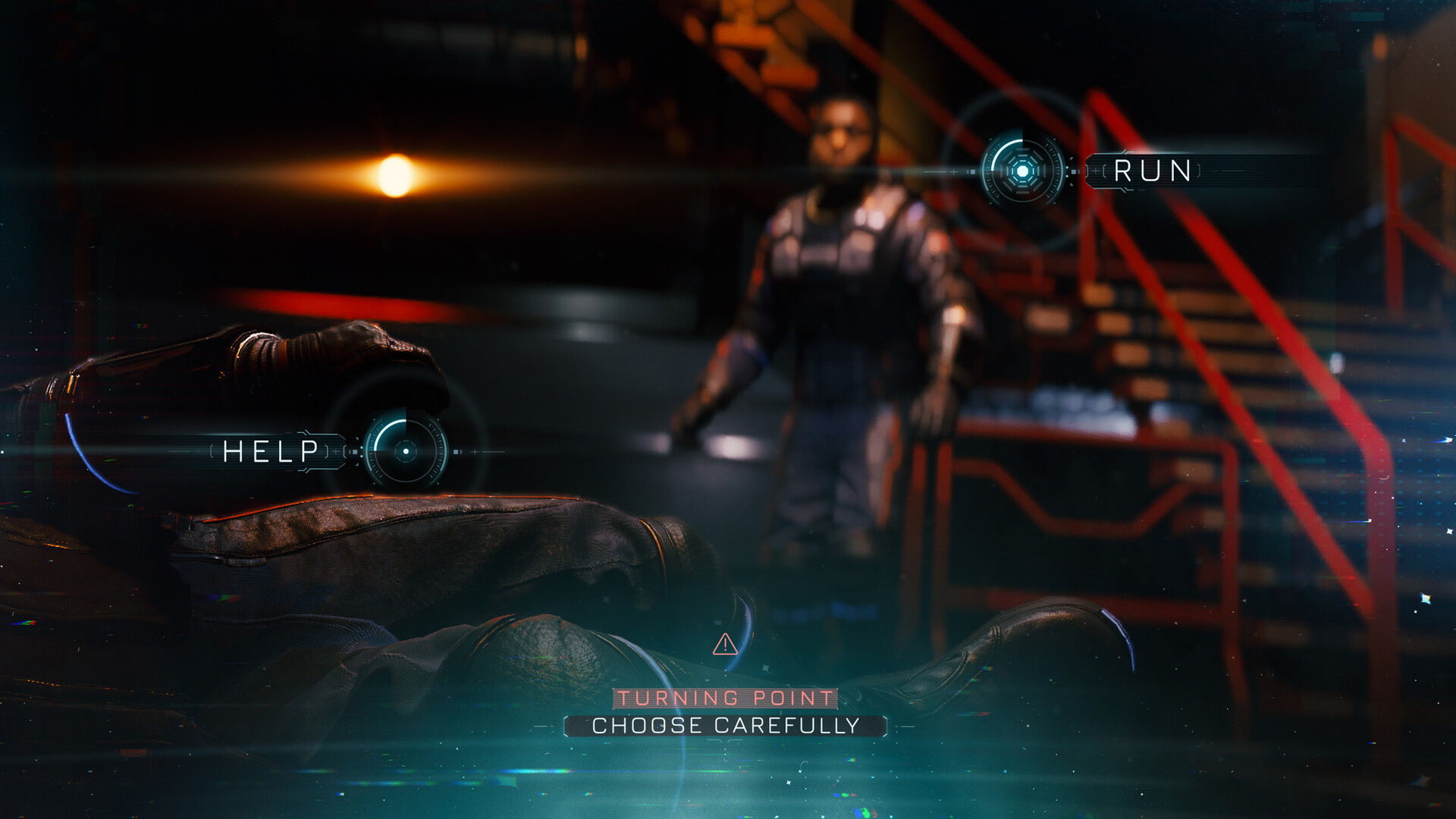
Like with all other Supermassive Games horror titles, the sense of fear is largely earned through knowing that characters can, in fact, die based on the way you play, and it is also possible for all the characters to survive if you make the right decisions and play well. After five titles doing this (the Dark Pictures Anthology, as well as Until Dawn before it), the developers have got a real handle on how to effectively implement quick time events and difficult decision trees to maximise the tension and pacing of these moments. One thing that I did particularly enjoy about this one is how quickly character deaths could come on if you played poorly and made bad decisions. Rather than a pacing weakness, this forces you to stay on your toes, and you won’t get a breather like you could expect following a character death in previous games.
This good work with the atmosphere is undone a little by the ability to play in “Explorer” mode and unwind any decisions that you make. You’re not obliged to play that mode, but it does say something about the team’s thought processes that they’d make the core philosophical underpinning of the entire series optional like that.
What is different to previous Dark Pictures titles, and perhaps a sign of where the series is going from here, is the addition of stealth sequences. You’re going to have to regularly sneak your way around enemies that are trying to stalk you down. It’s an extra layer of light action gameplay to the formula, and while I have played better stealth horror games in my time, it does enhance the basic choose-your-own-adventure structure nicely.
At the expense of the horror. My big issue with the stealth sections is that they’re too often so arbitrary in level design, with crates and walls to hide behind placed at just the most convenient parts to facilitate the stealth. Enemy movement patterns are, likewise, artificial and typical for a stock-standard stealth level.
That level of artificiality means that Supermassive has managed to give their game a reason to suspend disbelief that the space setting should have prevented. Directive 8020 is too much of a game, and in the end, I probably paid less attention to the narrative than I would have otherwise because the gameplay, while functional and even enjoyable in its own way, undermined the horror.
One feature I really enjoyed, however, was the messaging system. At any time, you can pull up a little chat app and communicate with the other crew members, with plenty of options for how you might want to respond to any given conversation. Given the sense of paranoia the plot advances, this is a really clever way of deepening your connection with the other characters while also reminding you that they’re off-screen and you can’t be sure of what’s happening to them or whether you can trust what they’re saying. More could have been done with this in the hands of the right narrative writer, and I hope that at some point someone builds a game entirely around the concept (though I assume that has already happened somewhere). But it is an excellent and well-implemented feature as it is.
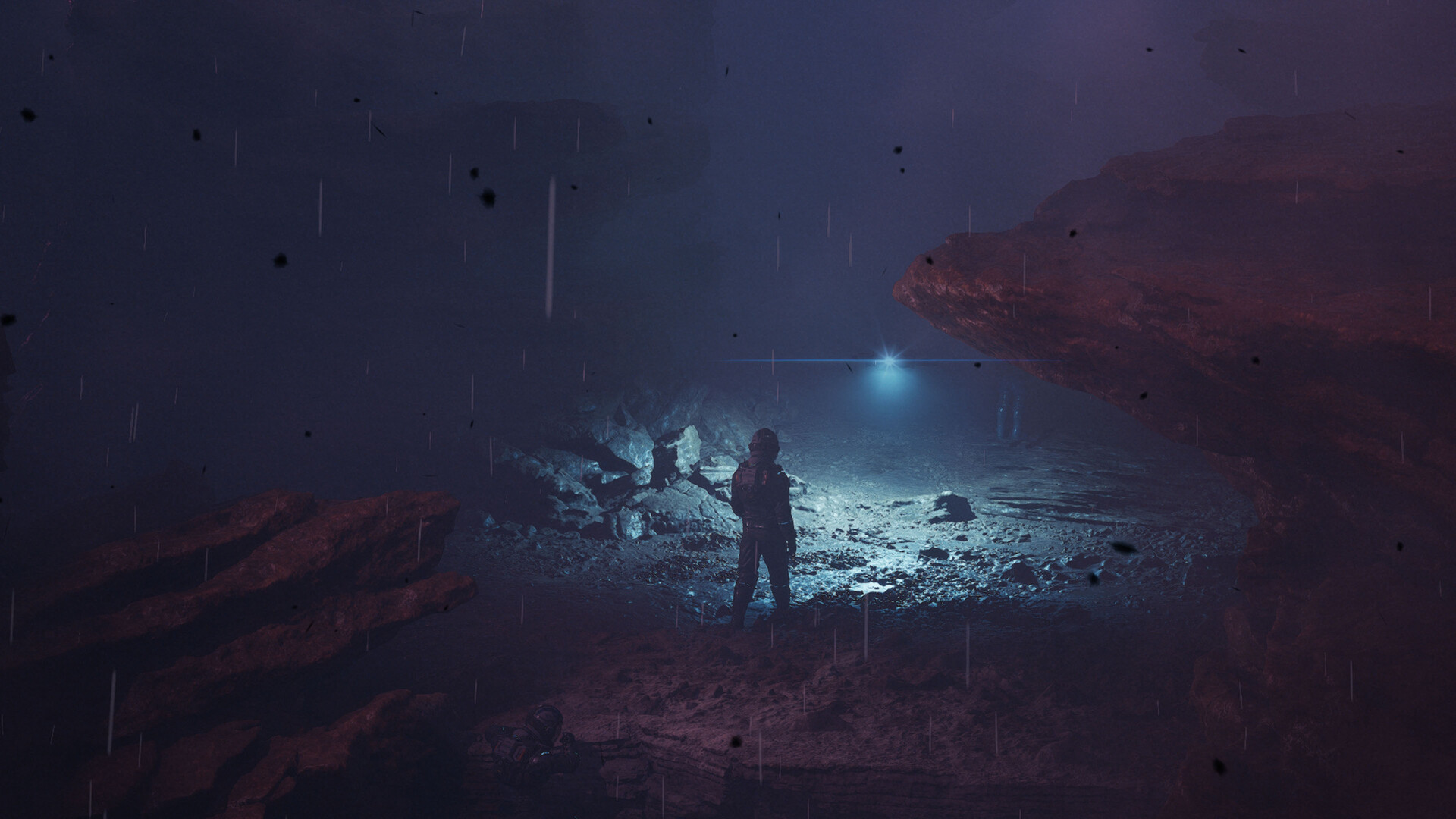
As the first game in the Dark Pictures series in four years, the aesthetics and general presentation of the series have taken a clear step forward. Environments are more cinematic (putting aside the arbitrary level design), and character models are vastly better, losing much of the stiffness that had characterised Supermassive Games’ work in the past. This is most impressive in the death animations, which are suitably visceral and brutal.
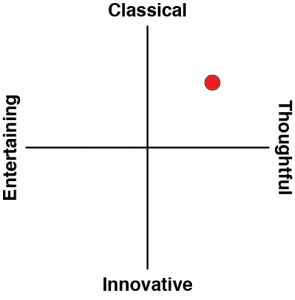
Supermassive Games has brought the Dark Pictures Anthology back with style and panache. Directive 8020 suffers from being a little too generic in concept and letting itself down with gameplay elements that are at odds with the cinematic quality, but the game does work as popcorn horror and doesn’t overstay its welcome.





You’re forgetting about The Quarry and Frank Stone both of which might as well have had the “dark pictures” moniker. Frank Stone was released only 2 years ago.