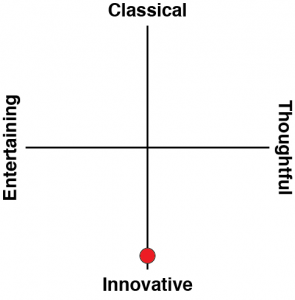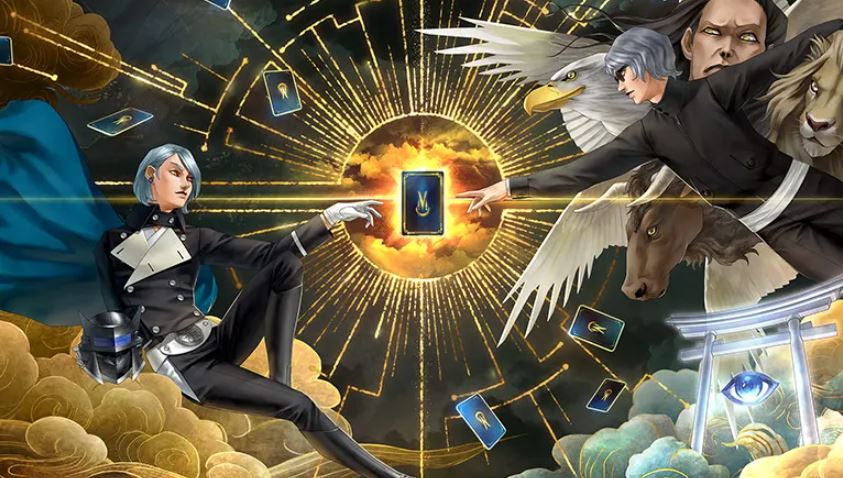


Fuck AI. Fuck it, fuck it, fuck it. Kazuma Kaneko’s Tsukuyomi is a good example of why game developers should never touch Gen AI. It’s an actual insult to the intelligence that Kazuma Kaneko would actually put his name to this and believe that people would just accept it. For this game alone, my respect for the guy and his entire body of work is greatly diminished… and just imagine how disappointed I have to be to say that when he gave us the skeletal matador in Shin Megami Tensei III – my favourite JRPG monster of all time.
Kazuma Kaneko’s Tsukuyomi has a lot of monsters in it, because the developers too Kazuma Kaneko’s art, fed it into a machine, and asked the machine to spit out “new” monster designs. Like a million monkeys typing away at keyboards, the developers cut all the monsters that came out with graphical glitches, and were eventually left with 90% of a game’s worth of monsters. The artist himself then contributed some original designs.
It takes about ten seconds of playing to find the aesthetics of Tsukoyomi repulsive. Monsters aren’t coherent or consistent in design, and this is always the problem when you ask machines to do the creative work of people. With no context or understanding of what it’s actually doing, the machine is just going to spit out endless approximations of the core concept, and those approximations are always going to have subtle differences. Shin Megami Tensei games, being produced by humans, have a consistent creative vision behind them. Tsukuyomi feels hollow and bland, despite having art that superficially resembles the artist’s work, because there is no actual creative vision behind it. Just endless approximations, smashed together and packed up as a single project.

The gameplay of Tsukuyomi doesn’t make up for the offensive aesthetics. It is a riff on Slay the Spire and all those other roguelike deckbuilders. You’ll start a “run” with a small deck of basic monsters. Some monsters do damage. Some provide protection. Then you need to use those cards to kill enemy monsters that appear in dungeons, while using the defensive monsters to “block” enemy attacks. As you defeat enemies, collect resources and achieve objectives within randomised levels, you’ll be able to add more powerful monsters to your deck, and creatures that have secondary abilities that can help you in more complex situations.
Eventually, you’ll need to fight a boss monster, and these tend to be the highlight of the game, since they are the ones that Kazuma Kaneko seems to have designed himself (or, at least, they picked the very best of the AI generations), and they tend to be the most strategically complicated battles.
That being said, Tsukuyomi tends to be a grind rather than a game of skill. Several times I found the bosses to be effectively impossible the first time I ran into them, only to get some experience and levels from the defeat and, on the second or third “run” defeat them comfortably. It wasn’t that I was getting more skilled; it’s just that the stuff that you unlock through experience levels can give you a significant, no, overwhelming boost to your numbers.
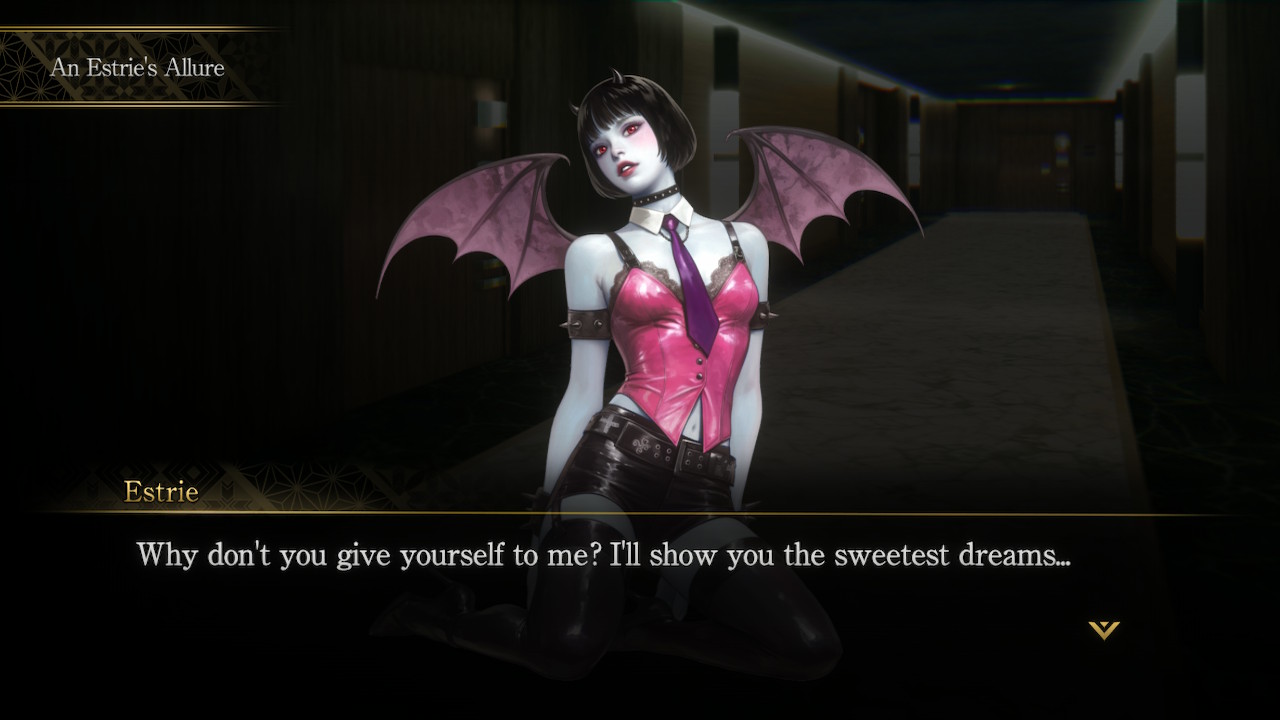
This comes from Tsukuyomi’s heritage in mobile gaming, of course, and the sensation that the entire game is a crushing grind sets in immediately. The plot is worthless, in part because the narrative was really just bookends that are dolled out at regular intervals in an effort to keep you playing for longer. You never really get a sense of character or place, because the entire game is a single tower, and you swap protagonists every couple of levels, going up that tower. They do this so you’re constantly getting new, shiny things thrown at you, but you’ll forget the names of the previous protagonists within about ten seconds of playing a new one. It works for mobile games because mobile games are typically time wasters. It doesn’t work for serious video games where the idea is to get players invested in what’s going on.
But I also think that the clear artificiality of the art hurts the narrative. When there is clearly so little effort that has gone into the creative visuals, a wall comes up and it becomes very difficult to suspend disbelief and immerse yourself in the setting… and therefore the story.
So we’ve got a game that has zero respect for aesthetic traditions, gameplay that is no more than a shallow grind, and a game about Japanese demons that somehow fails to be interesting to a guy that has a library shelf filled with books about yokai, yurei, oni and the rest. What an intolerable disgrace this is to video games as an art form.
 That’s a zero, just so no one is confused.