

Let’s face it, most of the early Mortal Kombat games are not the kinds of things that you’d like to pick up and play today. In comparison to something like Street Fighter 2, the digitalised character approach that the developer took means clunky movement systems and the combo systems tend to be spammy and clumsy. These days, Mortal Kombat games are very playable, but back in those days, you were playing them for different reasons. Thankfully, the Mortal Kombat: Legacy Kollection is a celebration of those reasons first and foremost.
If any series of video games deserves the museum treatment, it is these ones. The notoriety of Mortal Kombat resulted in a similar kind of fever-pitch hysteria that horror movies in the UK got, or Dungeons & Dragons did around Christian circles. For those of us who were 1) teenagers and 2) well, teenagers, back then, playing Mortal Kombat felt delightfully subversive and a bit of resistance to the authority figures that were telling us that the games were oh-so-evil. And it’s for that reason – that it was a game right in the zeitgeist of Boomer stress over how Millennials were being brought up – that gives it the kind of cultural impact that means it deserves to be in museums.
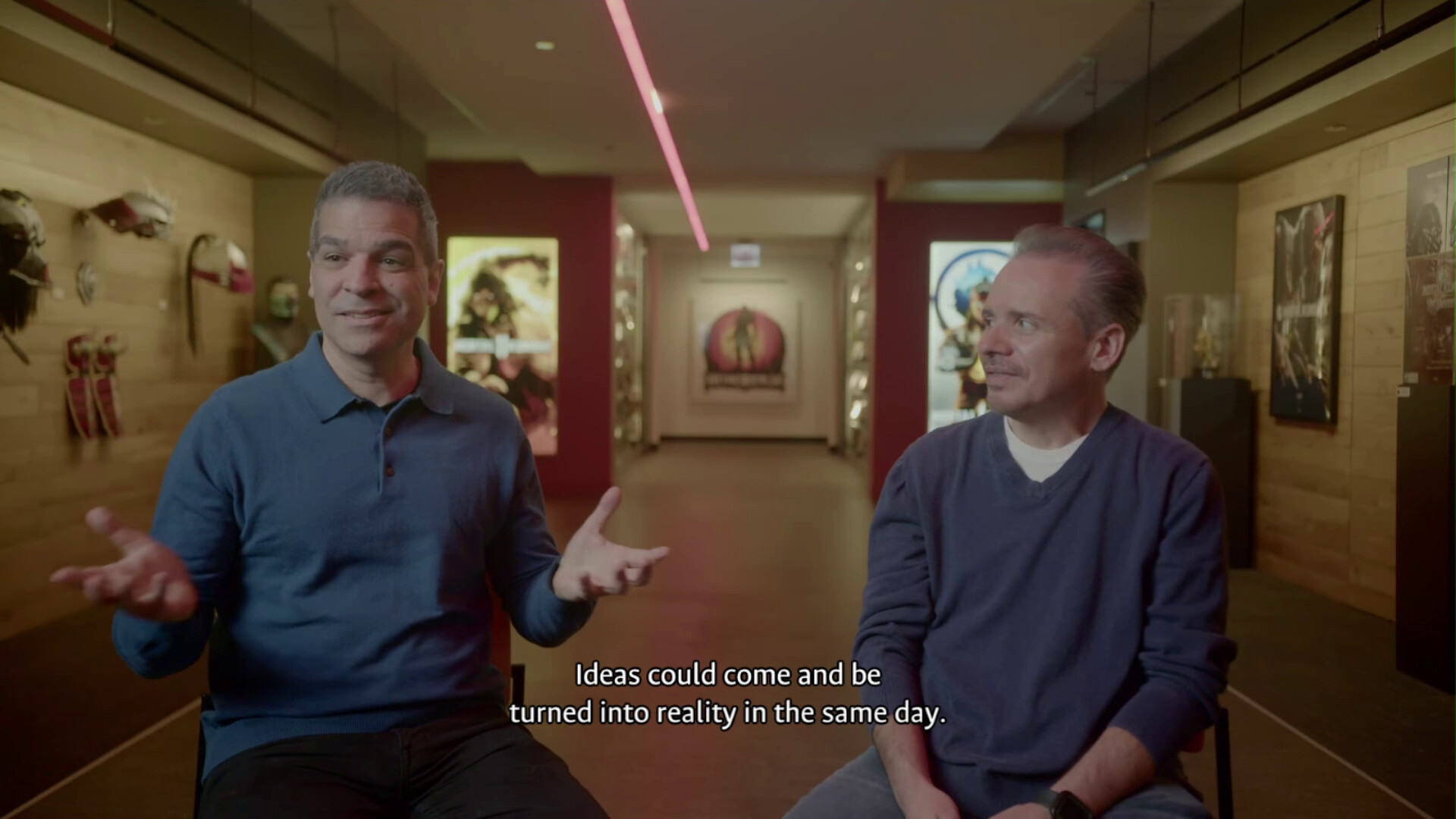
Digital Eclipse has done its traditionally stellar job in packaging up a bunch of classic Mortal Kombat titles (up until the GBA releases and the arcade’s Mortal Kombat 4). Not only will you get to play the games, compare the arcade and home console (and even handheld) versions of various titles, but you will be able to watch dozens of documentary-style video clips from the developers on the creation of the games and the various controversies they drew. Digital Eclipse has really gone out of its way to get the series royalty together, and you’ll be able to hear from Ed Boon, John Tobias, John Vogel, Dan Forden, and others recount how they ended up working on Mortal Kombat and what they wanted to achieve.

These videos really are fascinating and give a solid background to what went on and through the developers’ minds. You’ll also find out all kinds of interesting pieces of trivia – I had no idea that Ed Boon got his start working on one of my favourite pinball titles of all time, for example. The production value of these clips, though each is relatively short, is of excellent quality. I will forever be a fan of Digital Eclipse’s approach to retro collections, and on that level, this one doesn’t disappoint in the slightest.
The games, though. Dear lord, the games.
When Mortal Kombat was an arcade series, it was infamous for having AI that was just outright broken. Assuming that you were reasonably competent with fighting games you’d be able to get through one or a few rounds but at some point, which changed from MK to MK, you would hit a wall and an almost impossible enemy. And not in a simple “this enemy now plays better” sense. We’re talking full-on rubber banding AI that would perfectly block every attack and then counter with a series of strikes that This would filter into the home console releases too, and didn’t really change until the series became a console-first series around the PlayStation 3.
It should come as no surprise that while there’s a nostalgic rush from playing these games, for the most part they have almost no longevity today and so, on that level, the Mortal Kombat Kollection is different to Digital Eclipses’ other efforts: Tetris and many of the games in the Atari 50, for example, continue to hold value as video games to play. However, I don’t hold this against Digital Eclipse since, firstly, they didn’t actually develop them, and there is nothing wrong with the emulation. Secondly, the point of the collection is, once again, to preserve its history.
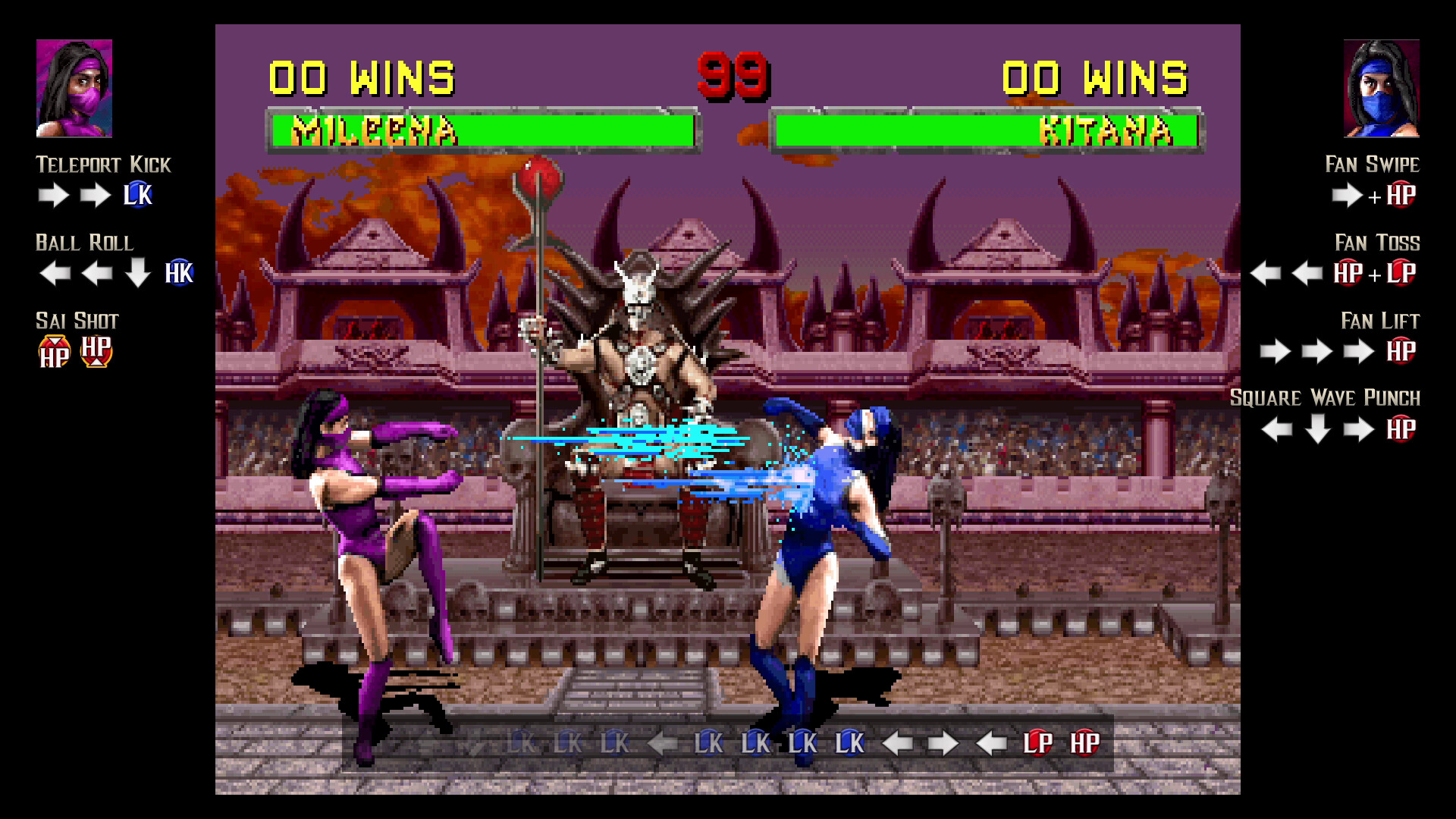
Also, in further defence of Digital Eclipse’s work, the team has done its best to compensate for the game’s coding by giving players a host of options around turning on cheats and with some titles changing the difficulty setting. It’s not perfect, but it does make things more playable.
Furthermore, while most of the titles are just note that playable now – you’ll play the Game Boy port of Mortal Kombat 1 for two minutes, remember just how dismal it was to be a handheld gamer with fighting games back then, and never touch it again – there are some that you’ll get some real mileage out of. For me, it was the GBA versions of Mortal Kombat: Deadly Alliance and Mortal Kombat: Tournament Edition. They still rely on you having nostalgia for them, but with some deep features and plenty of replay value, you can tally up some real hours with those two.
To share a bit of a story with these games: I got Mortal Kombat: Deadly Alliance on the GBA when I was doing some work during summer break at university. It was data entry work for a financial services firm, and it was truly soul-crushingly dull work for dismal pay. What’s more, my commute to work there was around 2 ½ hours each way. So one lunch break, I went into the nearby game shop desperately looking for something to play, and picked up Deadly Alliance – a major indulgence and quite literally the only video game I bought that entire year. Was it the best game ever? Not even close, but it got me through weeks of those commutes and the heavy depression of working in a job I absolutely hated. So playing through it again in this Kollection has been a major joy, and something I probably wouldn’t have done again were it not presented as part of this “museum.”
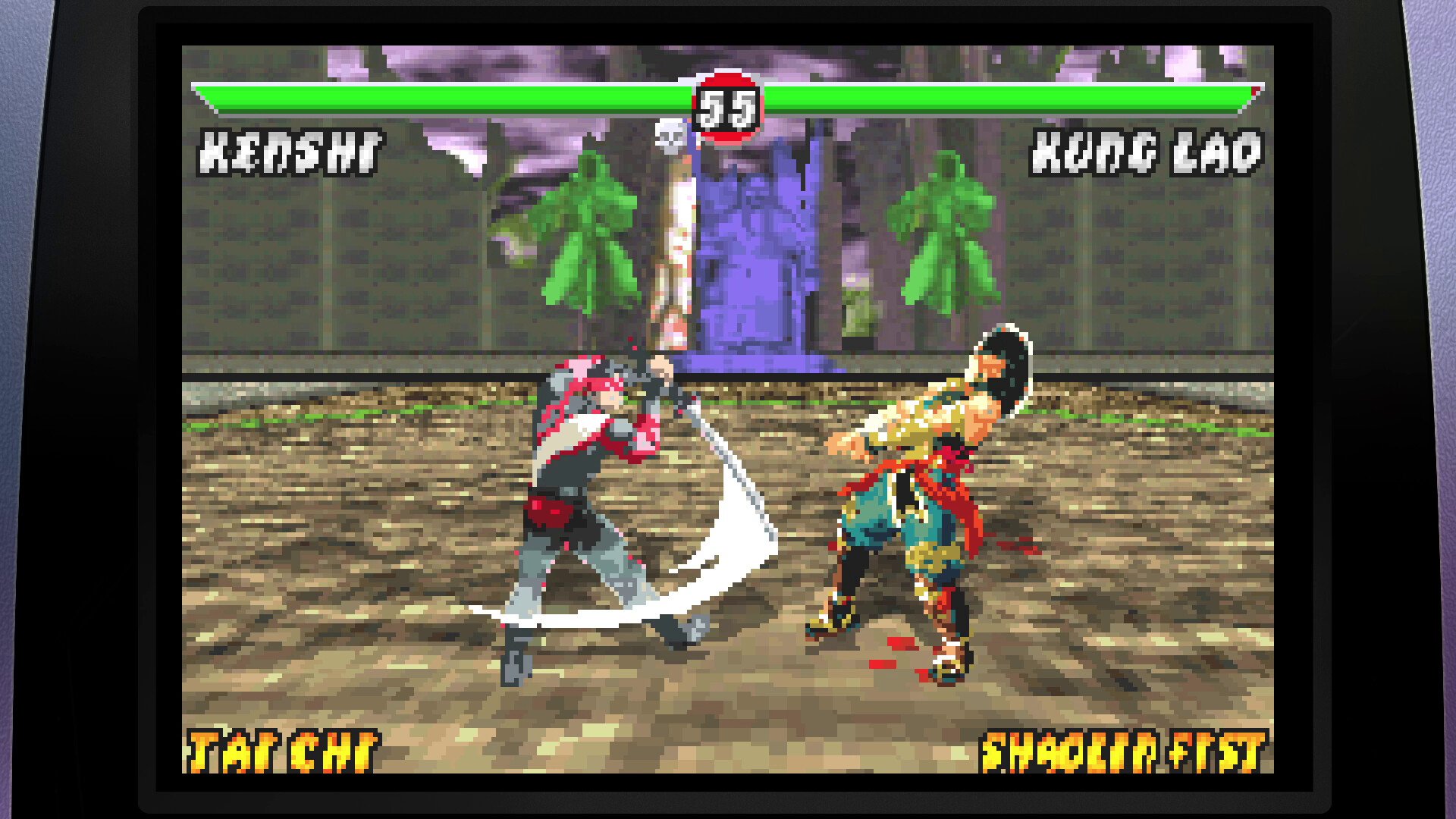
However, it would have been nice for the developer to include the PS2/GameCube version of Deadly Alliance, just for the sake of completion. Having the handheld iteration and not the “main” version, when every other title has that treatment, comes across as a cheapening out in the last moment. It would have been nice to see a couple of games that were blatantly influenced by Mortal Kombat, too. Mace: The Dark Age and Thrill Kill come to mind. Including some of those titles would have reinforced the legacy and impact of the Mortal Kombat series, as the documentary clips work so hard to establish.
While I do think that Mortal Kombat: Legacy Kollection is the most polarising Digital Eclipse museum experience so far, in terms of the quality of the games that are in it to play, I also think that it’s one of the most compelling experiences from a historical perspective. Who knows if we’ll ever have a series that has thrived this completely on notoriety again, and for that reason, this is a collection of curiosities that can’t be ignored.