

I don’t have too much to say about Final Fantasy VII Rebirth on the Nintendo Switch 2, as I already reviewed the game on PlayStation a few years ago, other than to say that, much like its predecessor, it feels like it’s a minor miracle that it’s on the console, and it’s amazing to be able to have this game in portable form.
In fact, this one is arguably even more impressive because while Final Fantasy VII Remake was a highly detailed, visually complex game, this one here is so much larger in scope, with a big open world to explore where the previous title was largely linear.
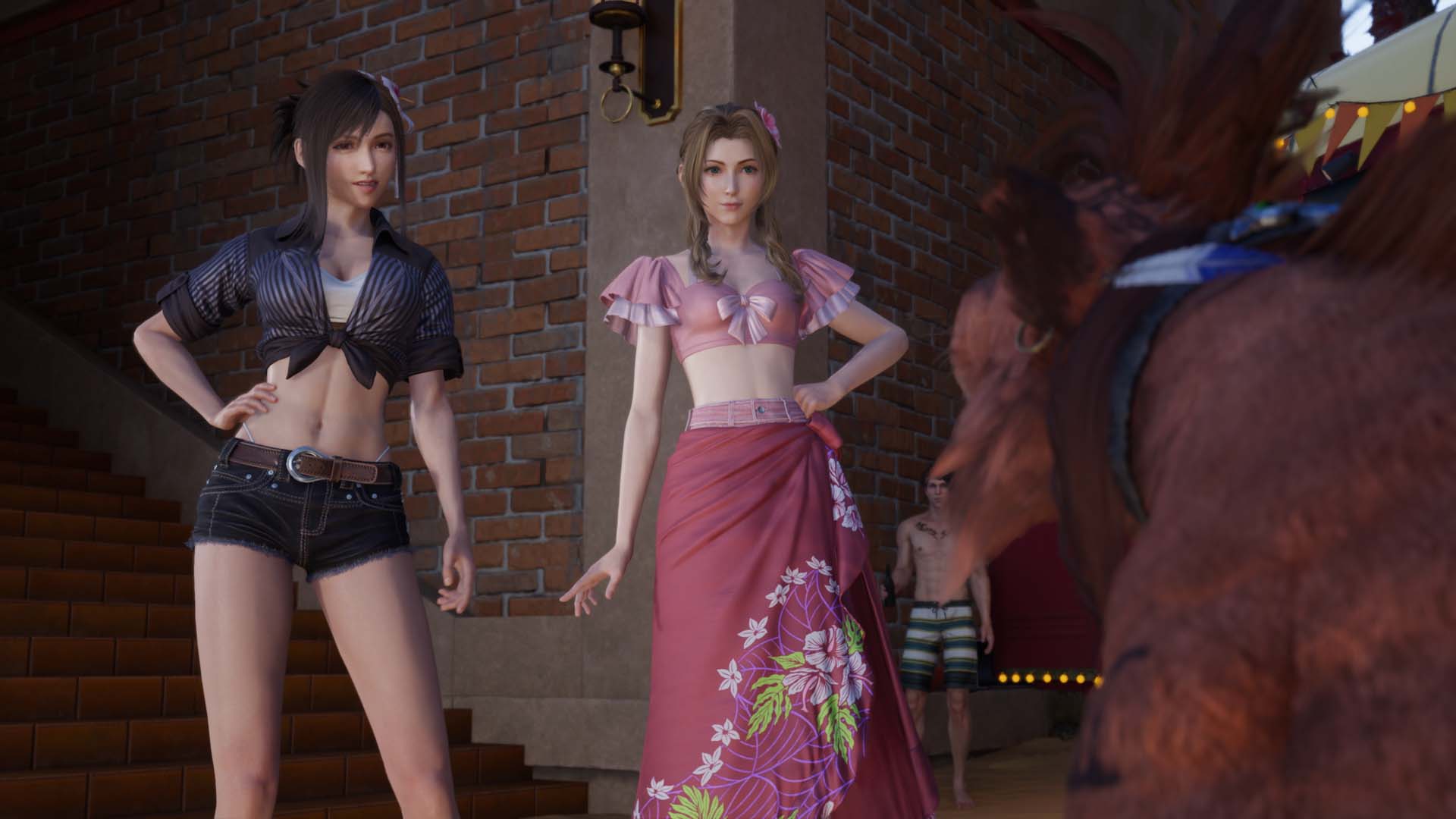
To be clear, the port isn’t quite the standard of the game on PlayStation, and it would have been unreasonable to expect it to be. The biggest faults that you’ll find are that there are occasional frame rate drops (and a maximum of 30fps even when it’s running at its best). This will be a dealbreaker for some, but I never felt like it hampered the gameplay or cost me in combat, and this game has a whole chapter dedicated to beaches and bikinis so…

But I digress. The other significant issue is that in those larger and more open areas there is pop-in of textures to an almost distracting degree at times, and I don’t remember that being an issue with my original playthrough of the game. Where I tolerate frame rate issues as a technical glitch, I do tend to find pop-in to be immersion-breaking in my cinematic games, so I am glad that I played Rebirth on another platform first.
But, with that being said, I found myself utterly engrossed in the game all over again, and not just because I approve of Aerith’s choice of swimwear. The world of Final Fantasy VII Rebirth is one that is filled with things to do, backed by a clever narrative that both retells the plot of Final Fantasy VII while also subverting it.
The way I like to characterise this is that if you imagine Final Fantasy VII as a question, the remakes are the answer. You need the question (the basic FFVII narrative) for the answer to be able to exist, but the answer builds on and, well, answers what Final Fantasy VII is about. Given that this is one of the most legendary game narratives of all, right down to Aerith dying (IN THE ORIGINAL NO SPOILERS HERE), as a student and scholar of narrative, I am endlessly fascinated with the way these sequels are written to work off, subvert, while also affirm the original narrative.
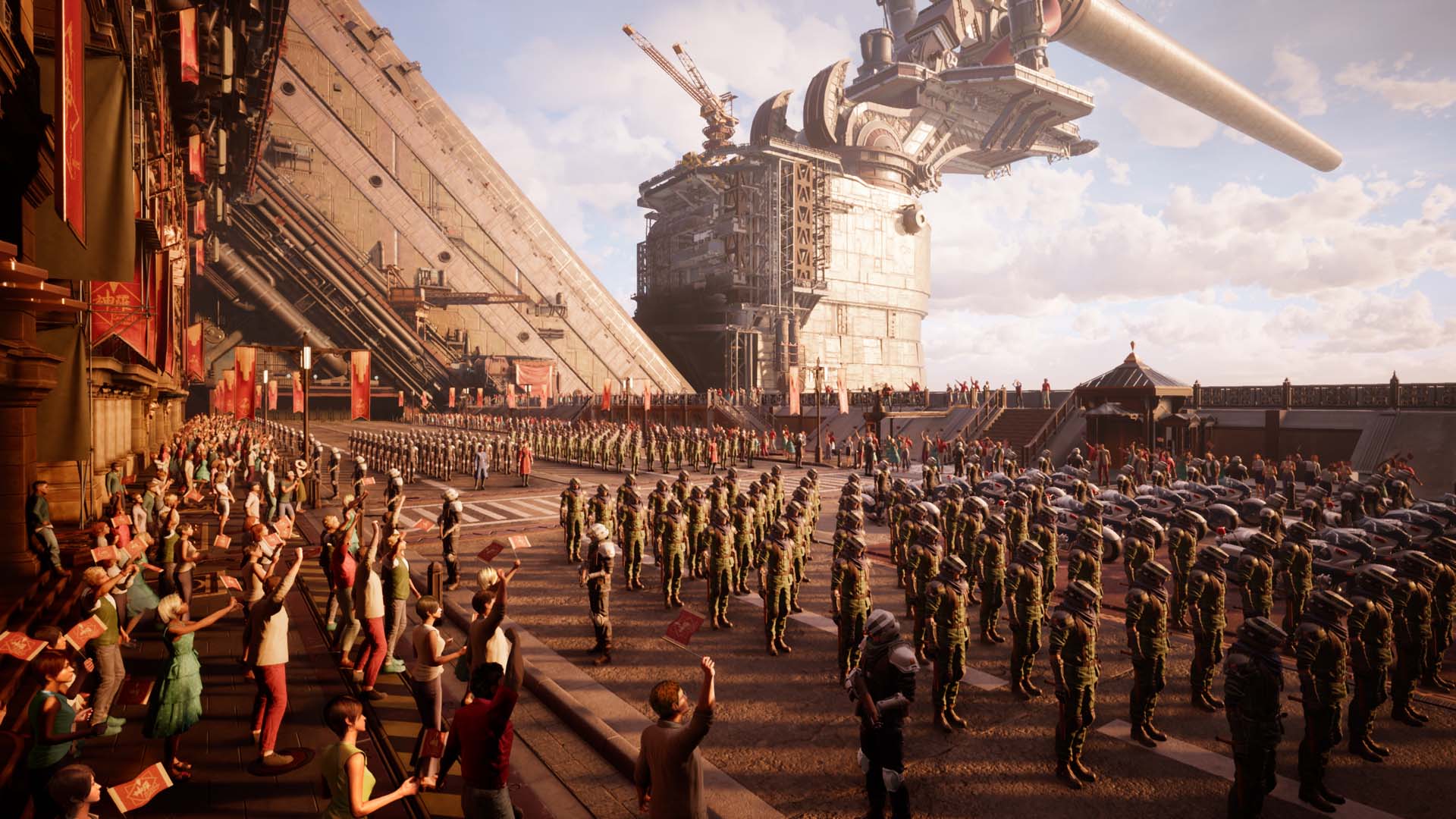
Of course you don’t need to enjoy essays on literature to enjoy Final Fantasy VII Rebirth. It’s a hugely entertaining epic, with plenty of humour, drama, and flashy combat. For people who aren’t as comfortable with action combat systems, there is a combat system that closely approximates the turn-based systems of the original Final Fantasy VII, and there is an almost crazy number of mini-games and side distractions to really make you get lost in its world. VII Rebirth is easily a 100-hour game if you allow yourself the time to explore it fully, without ever feeling like it drags.
Which brings us back to how fundamentally impressive it is that this is on a handheld console now. I might be on the older end of the millennial generation, but I remember how exciting it was to have Final Fantasy IV, V, and VI on the go thanks to the Game Boy Advance. This is the kind of on-the-go experience that was pure science fiction not so long ago.