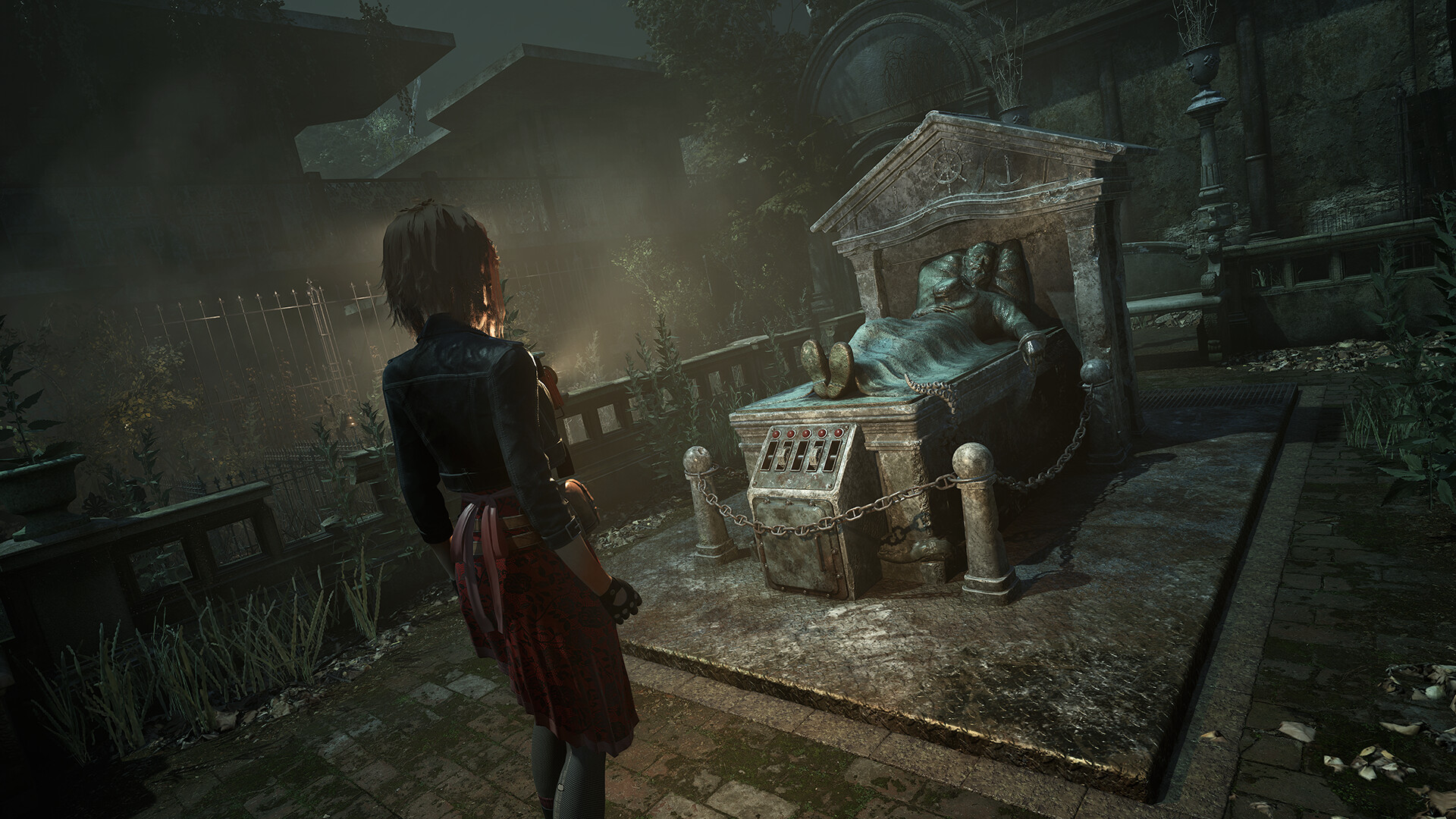


The best way to think of Tormented Souls 2 is as an atmospheric experience above all else. That was the case for the first, too, but the developers have doubled down on it for the sequel, and that’s playing it smart. The atmosphere is definitely Tormented Souls 2’s strength.
It bills itself as a homage to the horror of yesteryear (again, just as its predecessor did). This means tight corridors with a focus on creating an uneasy claustrophobia for the player. It means static camera angles, like Resident Evil was particularly famous for back in the day. It means tank controls, a retro approach to gameplay that horror moved away from years ago. You can use more modern controls, but given the static cameras and tight spaces, I actually found the tank controls to be superior, and they fit better with the game’s thematics.
It also means measuring out every resource you find, from limited quantities of weaponry right through to limited save files. Yes, again, there is an autosave option, but the developers really wanted you to carefully weigh whether you use one of your few save tapes when you reach a safe room… or try pushing on just that little bit further.
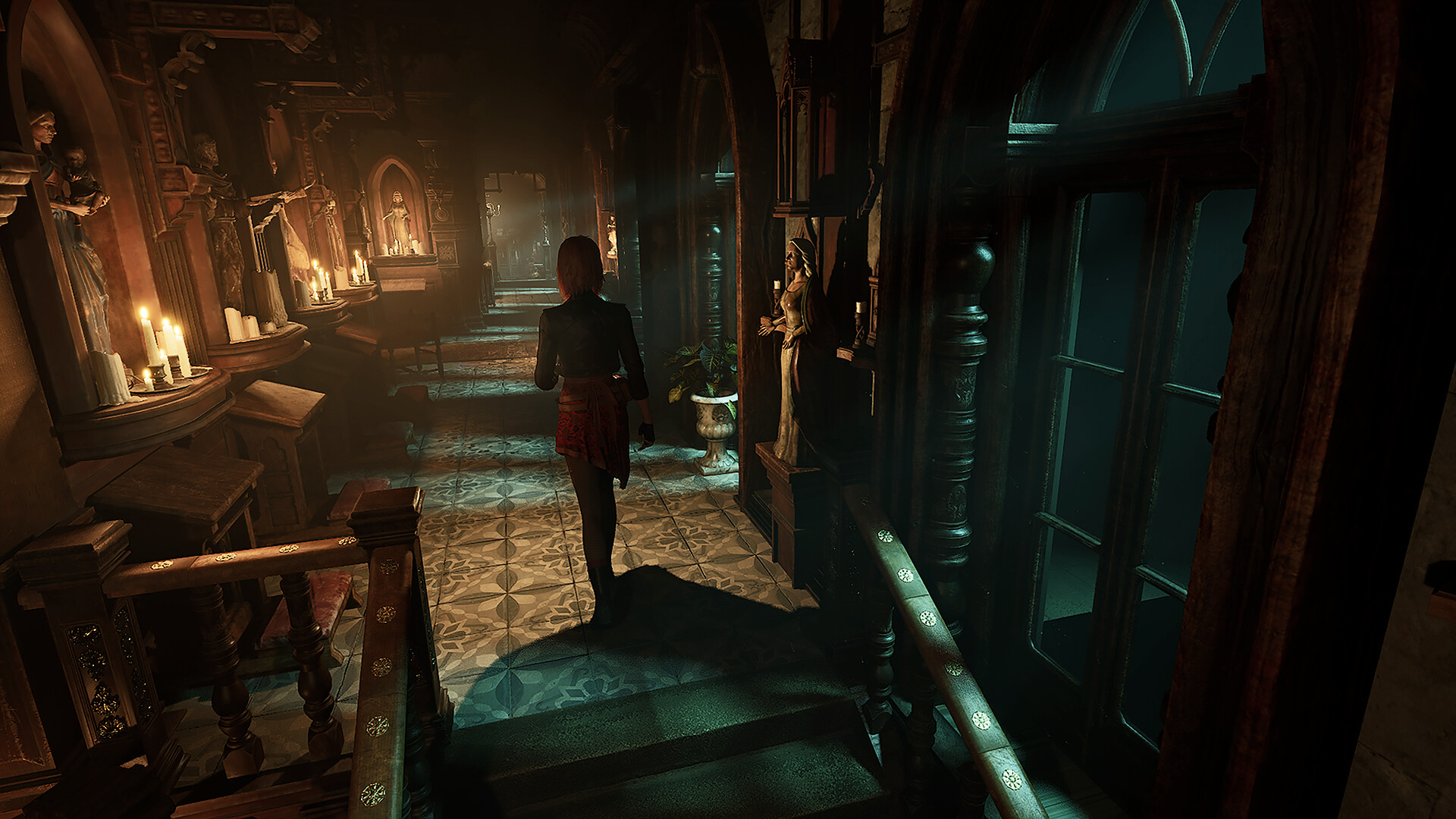
And it means breaking up the action with some rather obtuse puzzles, involving combining items, finding clues, and then doing a bit of trial and error when it comes down to it. This one particular element I didn’t care for, but then that’s coming off the back of Silent Hill F, which really set a new bar for how to integrate thematically appropriate puzzles that both test players without being annoying about it.
Probably the biggest issue I have with Tormented Souls 2’s puzzles is that your inventory never really shrinks. In many other games, you’ll get the stuff you need to solve a puzzle, and when the puzzle is solved, the items get tossed away. Thematically, this can seem strange (why would you ever throw away bolt cutters when you’re in the middle of a zombie plague?), but it makes sense to save the players from carrying around stuff they don’t need. In Tormented Souls 2, the developers decided to make many items usable more than once. Sounds great and creative in theory, but trying to figure out the combination of items to solve some of the later puzzles can get very cryptic, and that can slow progress down to a crawl.
I do think some horror developers forget that if the puzzles are too challenging, then unless there’s also a monster chasing you around as you try and solve them, the intensity of the horror takes a nose dive as you are in a de facto safe environment. So that starts to undermine the suspension of disbelief. The puzzles didn’t destroy Tormented Souls 2, thankfully, but they also didn’t help.
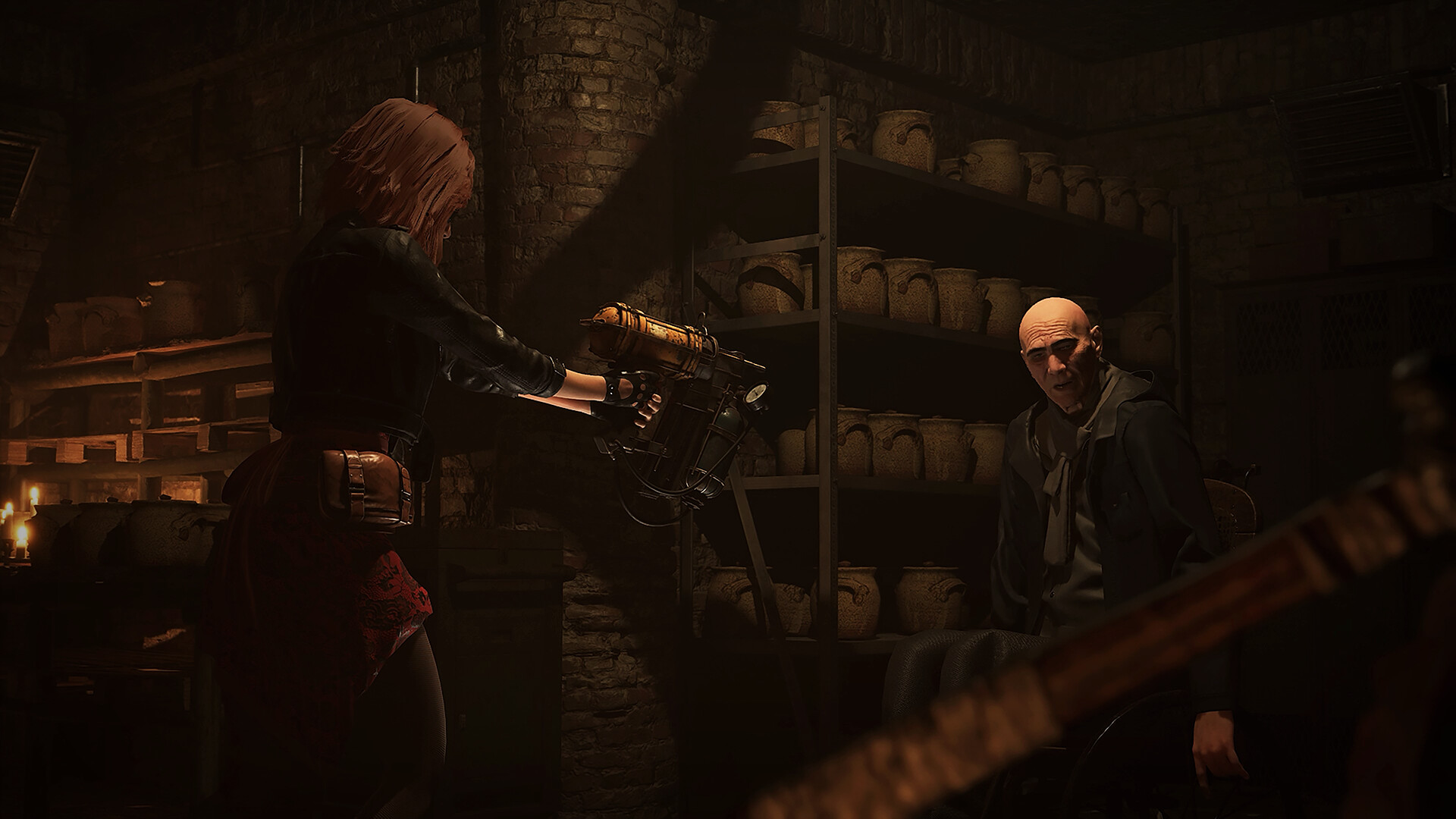
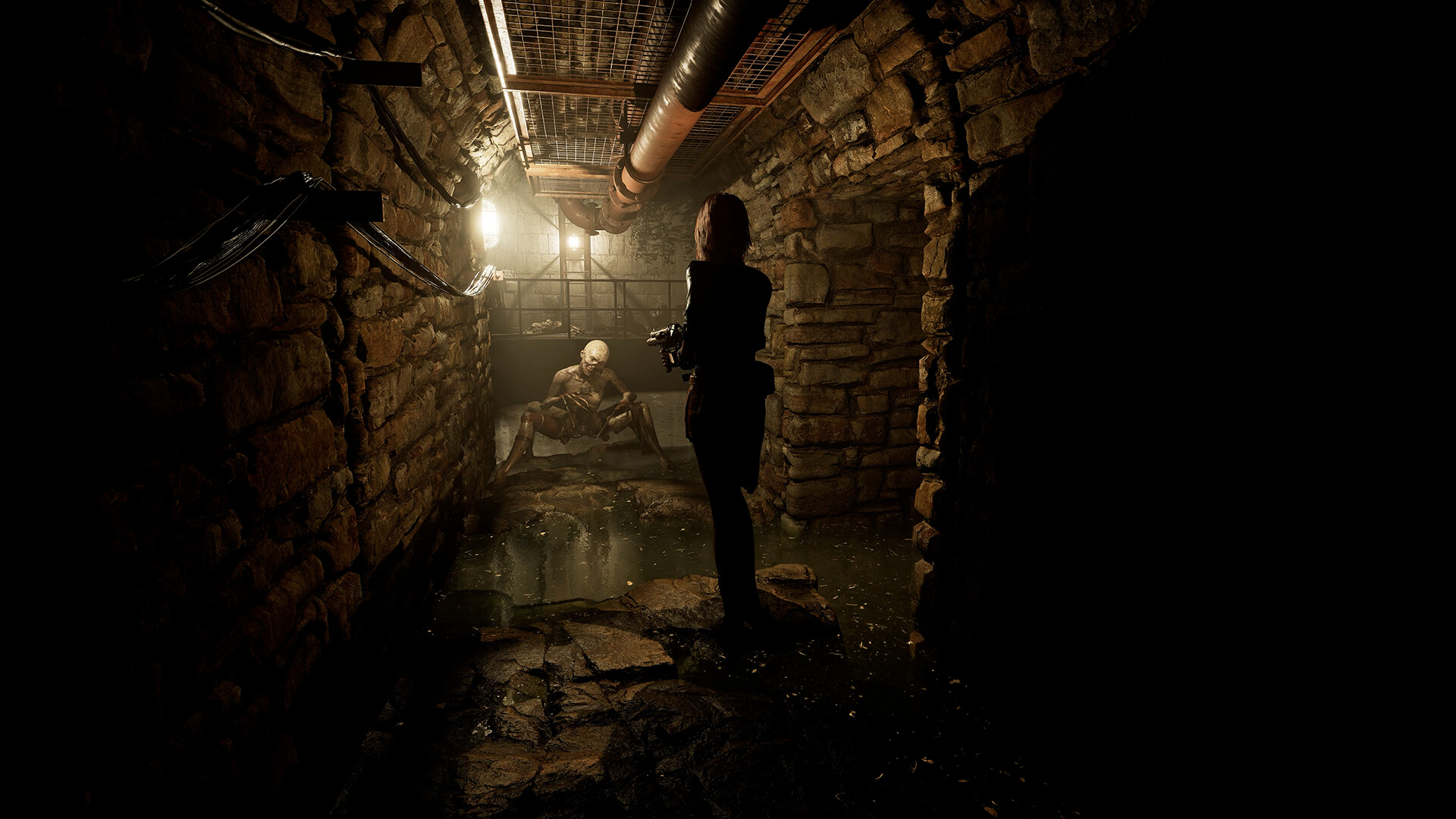
What Tormented Souls 2 does really, REALLY well is set a scene. The set design is immaculate, with the darkness that surrounds most environments being more than just claustrophobic – it comes across as downright threatening (and indeed if you enter an area that’s too dark, you’ll be dead if you don’t get back out immediately). Monsters are similarly intimidating and grotesque. Not subtle – oh, no, nothing’s subtle about Tormented Souls 2 – but they work as a homage to the kinds of beasts and villains you used to fight back in the days when survival horror was not a Hollywood blockbuster in scope.
The developers have significantly increased the scope of Tormented Souls over the original, too. That first game took place in a single location. This time around, you get the haunted mansion (or, convent, really), but then you get to head out and also explore other who’s who of horror locations, like a shopping mall and hospital. There’s always a risk when horror becomes larger in scope that it’ll lose its intensity, and the original Tormented Souls was certainly intense in its design. Thankfully, while Tormented Souls 2 is roughly double the length (and should take you around 15-20 hours to play through) the developers don’t let up on the adrenaline, and the moments where you’ll find respite are few and far between.
Another thing that I loved that really built the strong thematics behind the game is that, even on the easiest difficulty level, you will not have enough ammo to brute force your way through the game. Melee weapons are weak, and enemies tend to take quite a few shots to be taken down. The very first enemy you’ll meet will almost certainly reach you and cause you damage on the easiest difficulty level. Health recovery is also scarce, so you’re going to spend a lot of time (and likely die a few times) trying to work out how to get from point A to B while avoiding enemies where possible. It’s tense stuff, and it’s probably something that a less brave publisher would push on the developer to address, as it flies in the face of how modern horror should play so as not to put players off finishing it. However, from my perspective as a fan of the early years of the genre, it’s good, well-planned, thoughtful survival horror.
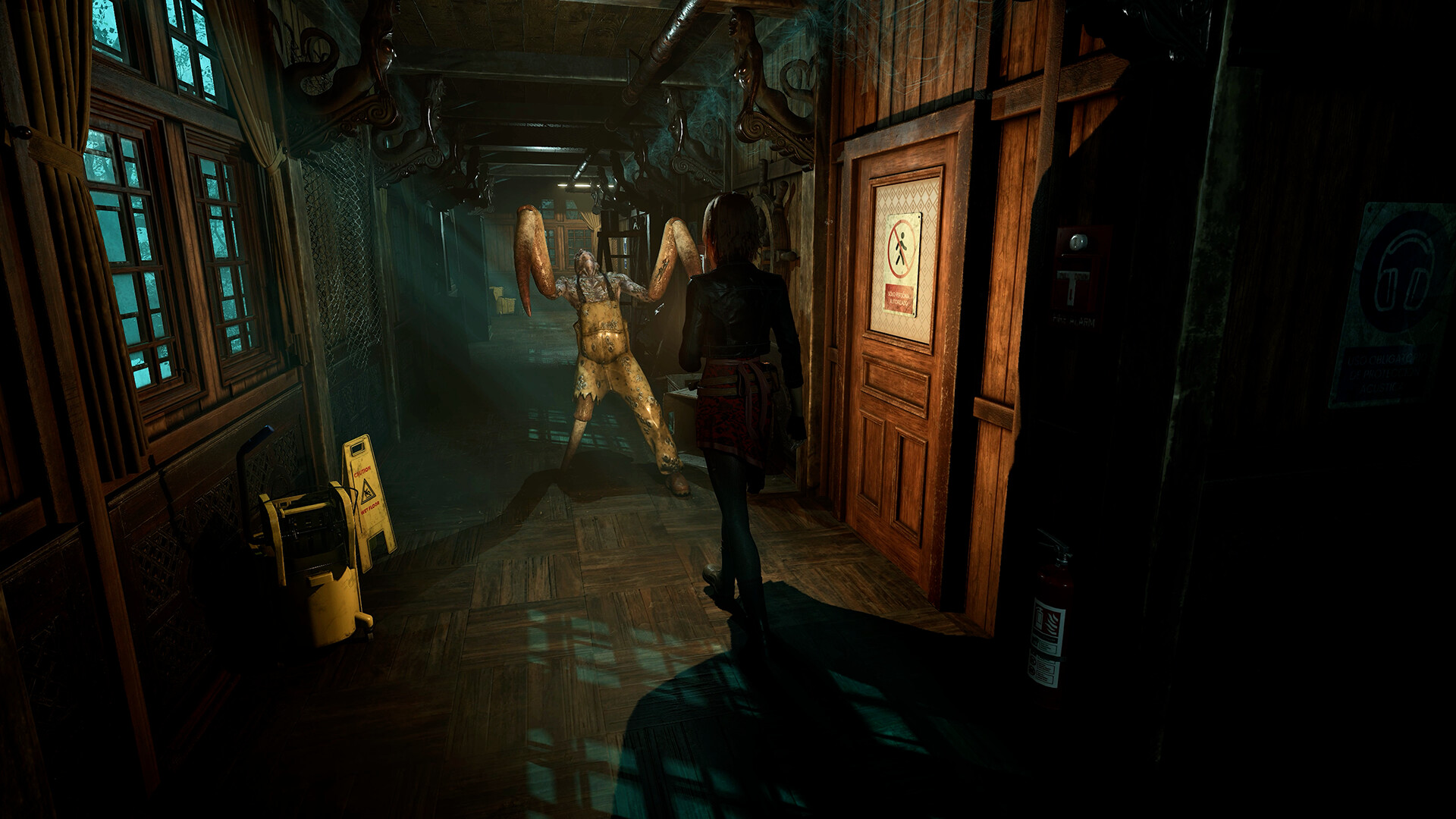
The developers did spend a lot of time on the gameplay and atmosphere, and it’s just as well that it was time well spent, because the narrative is just terrible. Admittedly, it’s been a while since I played the first Tormented Souls, but I don’t remember it being this bad. The pacing is the biggest problem, with just about every cut scene coming across as something written to get the cut scene out of the way as quickly as possible. Efficiency in writing is a virtue, but efficiency can also get to the point where the narrative integrity starts to break, and you’re left with a minimal sense of character and situation. Unfortunately, that’s what’s happened here. As much as I enjoyed making my way through the game, I wasn’t being given enough about the characters and situation to really care for them.
Additionally, there are some rank amateur storytelling mistakes. Take the start of the game, for instance. We’re introduced to the two sisters at the centre of the plot on a train ride to the convent, and that’s well and good enough. A few scenes later, however, we’re told that they’re “twins”, which is odd since there is a massive height and clear age gap between them. Furthermore, what little we do get out of these opening cut scenes, we’re told pretty clearly that Caroline (the protagonist) is intensely protective of what we assume is her little sister, in a very big sister way. So everything we’re told leads to the assumption that they must be older sister and younger sister, and while this would be fine to subvert, the narrative doesn’t explain this. The word “twin” is just dropped on you to be confused by.
All that said, while a poor narrative is normally a deal breaker for me, I did enjoy the ambience and atmosphere enough to get over it. I was just disappointed because, again, I don’t recall Tormented Souls’ narrative being quite this jarring.
Tormented Souls 2 is the kind of horror game you like to see from independent developers. As a clear passion project that is willing to push back against “best practices” to maintain the creative vision, it’s here for people who have fond memories of the formative years of survival horror, while also looking very modern. It’s by no means perfect, but the clear enthusiasm that went into it – and the fact that it’s so atmospheric – makes it compelling.





” A throwback to an era where horror was not an action blockbuster. ” Huh, no, old horror video arent more or less of a blockbuster action. First of all, combining blockbuster action with horror doesn’t make any single sense at all. By definition an action game which is also a blockbuster isn’t a horror game. Per example, res evil 4 remake is a blockbuster between survival and action. Not enough action to be considered an action game and too enough action to be considered a survival game. Its an in between and it’s NOT an horror game. Horrific atmosphere but not scary at all. Cronos is horrific with very few ressources and not a blockbuster action at all. Evil within 1 and 2 very scary and survival and not an action game. Res evil 7 which is probably the most horrific game of all time is a blockbuster but not an action game at all. You have VERY FEW ammo and the pacing of the game is extremely slow. Tlou 1 and 2 are two gigantic blockbuster but not scary but very survival with again very few ammo. I could continue like that all night long. Modern horror video game arent more action blockbuster cuz when they become an action game they arent horror games anymore most of the time. Theres also lots of horror game being made nowadays that are still survival horror and arent action game and most of them are much better than what we had before. So I really don’t know what were you talking about when sayin that. Btw tormented souls 2 allows you to carry 20 things you have 20 slots that’s FAR TOO MUCH for a survival game. In old res evil its 6 and you can upgrade to 10 at some point in the games. In métro exodus the only thing you can carry on you are things a real human could also in real life. You don’t have an invisible bag filled with too many stuff. A real human could never carry all the things the character in tormented souls 2 can. That’s not really realistic and it is closer to a blockbuster than métro exodus is yet you just said this game is closer to an era where horror game weren’t blockbuster action. In tormented souls 2 I can almost carry as much stuff as in a game like borderlands.. BORDERLANDS the typical blockbuster action 0 horror and 0 survival at all…
Tormented souls 2 is a great game but fans of this game seems to not know anything about modern horror video game. Its two critics in a row I see reviewers sayin things that aren’t true at all.
You seem to think that scarcity of resources is the definition of a horror game. I don’t agree with that at all. I explained in detail in my review what I believe makes Tormented Souls 2 an effective horror game, and what distinguishes it from the Resident Evil series (in particular), which I find to be big-budget blockbusters that are entertaining, but not particularly effective as horror experiences.
English isn’t my native langage so I’m sorry for the bad english.
It’s a major aspect of horror video games to not have lots of ressources. Everyone knows that. You said it yourself : ” It also means measuring out every resource you find, from limited quantities of weaponry right through to limited save files. “. So I don’t know what you’re talking about its like you disagree with yourself. Having few ammos and small inventory and ressources is a must for an horror game. I also never said its the only important things. The atmosphere and the difficulty is also important. The atmosphere is on point definitely but the difficulty is laughable. You have a gigantic aim assist that you can’t even disable that makes the character a perfect Robocop unable to miss a target. If your enemies are behind you and you push the aiming button, Caroline will automatically make a 180-degree turn to aim directly at the enemy. It means that a person who is 100% blind could kill the enemies in the game with just as much efficiency as you and me by just pushing L2 after hearing the ennemies and then pushing r2. No need to aim at all. In a game like res 7-8 or 2-3-4 remake, metro exodus tlou 1-2, evil within 1-2 etc In all these games you can’t do that you need to aim correctly and even if you activate the aim assist in the options you still need to aim toward the ennemies to make it work. Here you can literally aim on the opposite side of your ennemies and the aim assist will still work. You can’t miss the ennemies ever you can’t waste any ammo. A huge gamebreaker and something these so called ” blockbuster ” you speak don’t do.
Having also a huge inventory space isn’t a good thing in an horror game. Its easier to manage your inventory. I struggled a lot more to manage my inventory in res evil 4 remake which is not an horror game but more a mix between horror and action… You also said that tank controll are better ? Tank controll make the character look like a robot you need to stay on your position and stop running to change directions while running. You can’t run and change directions in the same time. You have to stop running. As for walking its a living hell you always coming back to your step taking the wrong direction etc etc etc Static camera and tight space absolutely doesn’t change a slight thing about the fact the tank controll arw extremely clunky. No matter how good you are with the tank controll youll be automatically better with modern one, more efficient. Tank controll also do not come close to fit better with the the game’s thematic. Tf wrong with you sayin things like that. The thematic of the game is horror, not extreme outdated crippling clunkyness. There’s a reason why it doesn’t exist anymore and horror game moved away. Cuz the technology improved and allow movements to be incredibly superior to what we had before. While playing the first 3 res evil in the 90’s I was a teenager back then and didn’t complained about the tank controll cuz its the only thing I knew. When modern controll came, no way someone could still found the old ones better except if someone is entirely blinded by nostalgia cuz from an objective point of view new controll are superior in every way. Game is unplayable with tank controll. ” As a clear passion project that is willing to push back against “best practices” to maintain the creative vision ” First its not ” best practices ” but best practices. You dont put ” ” cuz it doesn’t make sense. Best practices is best practices it means its an improvement, something better and something better is… better. By using ” ” you’re like saying that the best practices aren’t the best. Its like sayin modern controll aren’t better than old ones, third or first person view aren’t better than static camera, that having the possibility to use stealth or hide isn’t better etc Its like sayin you prefer stay in the past with clunky redundant lack of depth outdated gameplay and that’s not suppose to be the case when you care about qualify and fun. If capcom kept the static camera and tank controll after 30 years with small changes here and there and dual effect were the ones improving the experience by giving the horror a first person view youll probably be the first to say capcom cant improve, stays in the past, cant evolve after 30 years, while indie company like dual effect are visionary and creative and explores new ways. Yet you say the opposite, a company that use an old formula we saw like at least 10 times if not more, are visionary with creative ideas etc. That’s only because you can give AAA games some credit but NEVER the full credit.
By improving to first person capcom gave us a unique feeling that make you experience the horror trough the eyes of the character instead of having the feeling of moving a piece on a chess math board. It improves the immersion and realism by miles. But hey its a AAA company so whatever they make better its never enough good.
Even if I preferred static camera and tank controll and was agreeing with you, I would still be unable to call that a creative vision because its an already seen formula and a outdated one on top.of that. As for the new res evil, the only thing that differs a lot is the view. Take res evil 7, you have very few ammo, the pacing of the game is extremely slow Ethan walks very slowly even when he ‘” runs “. The atmosphere is claustrophobic as well and you’re alone during the night in the middle of the wood. You don’t have this shitty gigantic aim assist that does all the job for you like you’re a little kid that need to be taken by the hand. The game is far more scarier than tormented souls 1 and 2 combined together and the first person view makes it more immersive realistic and especially satisfying. You feel like you are the character unlike in tormented souls where you feel like you’re controlling a chess character on a board instead being in his skin. The only thing tormented souls do better is the puzzle. In res evil 7 the puzzle are excessively easy unfortunately. Aside of that, to the atmosphere, combat, view, aiming, context and everything, the game is a much more efficient horror experience that tormented souls will never be. I could to the same exercise with many so called ” blockbuster ” game you’re referring to. Yet you think these games are less efficient horror games than tormented souls. Even games like res evil 4 remakes, calisto protocol or tlou 1 and 2, they aren’t scary for sure and I don’t consider them horror even if the industry does, but many aspect that are crucial for the horror genre are much better executed in these games unlike tormented souls. Every of these games offers a far more difficult challenge. Combat are extremely tougher and ressources management is more important. Depending on the game, you can hide, bend over while still aiming, stealth kill ennemies etc. You cant close your eyes like in tormented souls 2 push l2 and wait 2 sec push r2 and kill anyone in front of you without even trying. You can’t grab absolutely everything you find in your way. Res evil 8 isn’t as scary as res evil 7. Its in the day, not the night. You’re not alone cuz you meet many npc throughout your playtrough. Despite that, combat is much more tougher than tormented souls who feel like a game made for little kids who never played an horror game before. What I mean here is, these so called blockbuster ” action ” game you’re referring, many of them aren’t action game like evil within 1-2 or res evil 7 which are pure horror survival game that execute everything better than tormented souls. Some other fit more in what you call blockbuster action game likw res evil 4 of calisto protocol and yes more action packed game but even these games will still be better in some aspect that are crucial to horror survival game like inventory management and especially combat.
Res evil 9 who launches in 1 month, you can clearly see in the videos that Leon part will be too much action focused with him kicking ennemies who fly away so far like only superman can do it. Totally ridiculous. But the part with the lady seem to be extreme horror survival focused from what we can see in the videos. Sure it can be bad we don’t know until we play the game. But lets say it is as good as it seems in the videos we saw, you will discredit the game just cuz its a blockbuster no matter how better it is compared to tormented souls 2.
See the problem with people like you and this community is unfortunately filled with people like you is that you guys have some sort of unreasonable misplaced hate toward AAA video games and strangely sees indie game like something superior. Per example, no matter how better a AAA game is, it can’t receive the full credit for the simple reason its a huge blockbuster AAA game.
YES many AAA are dog shit but not more than indie games. I play many indie that gave me more fun than many AAA. That being said indie games are the same thing than AAA with just less budget. Give Dual Effect the same budget capcom have for res evil 9 to tormented souls 2 and the game will only have better graphics, more content, lenght, better animations, audio and overall gameplay, that’s all. Yet guys like you somehow think indie games are better. They have the same type of flaws AAA games can have but the flaws are generally simply bigger due to a lack of budget and the overall quality of the game is lower as well for the same reason.
Seeing so many people discrediting the AAA industry and praising the indie industry is incredibly wrong, annoying and sad as hell.