

Jeff Vogel is a legend. It’s not because he’s produced a game that has sold a billion copies. The likes of EA, Microsoft and others haven’t come sniffing for his company, Spiderweb Software, like they did for Bioware, Obsidian and others. He’s a legend for another reason: For decades now, he’s been able to carve out and maintain his niche as a largely one-man band. He’s a survivor of the video game indie space, and that is something truly admirable. It’s a tough space out there. And now he’s back with a remake of one of his more loved titles, Avernum 4.
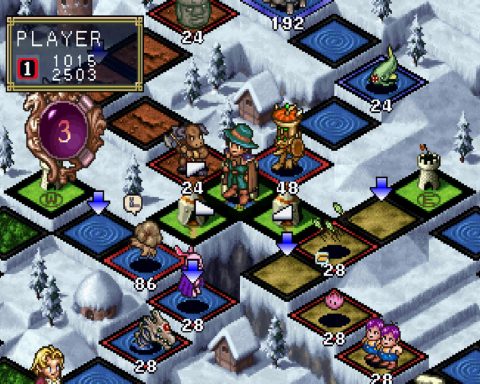
We’re used to remakes and remasters bringing a graphical update to the original, but to be upfront: That’s not the case with Avernum 4. Graphics – which are expensive to produce (particularly for epic-length RPGs) have never been Vogel’s strong suit, and Avernum 4: Greed and Glory looks no different to the rest of SpiderWeb’s games. Without sugar-coating it, these aesthetics are primitive and limited, and the mainstream audience would look at the game running in bemusement. I myself can’t help but wonder what an HD-2D like engine remaster might do to the personality of any of Vogel’s games, including Avernum. I do feel like the aesthetics put something of a wall between the game and player – they’re so dry and functional that the games become an almost academic experience.
However, in defence of this art style, as someone who has been playing RPGs as far back as the DOS era, and SSI’s old Dungeons & Dragons titles, Spiderweb’s visual design is nostalgic. It’s also clear enough that you can see what’s going on without getting lost, and it never gets in the way of you playing. This is smart and experienced work by Vogel, who also knows that his audience – both existing and potential newcomers – isn’t there for the visuals.

It’s the writing that people play a Spiderweb game for, and the best way to characterise Vogel’s writing is “that really, really good Dungeons & Dragons DM that you remember for years later. His exposition-heavy approach to writing results in large blocks of text to read through that effectively paint the picture that the art only really hints at. That text is highly effective at leading you to the next dungeon or city, and paints a solid picture of the threats that you’re up against.
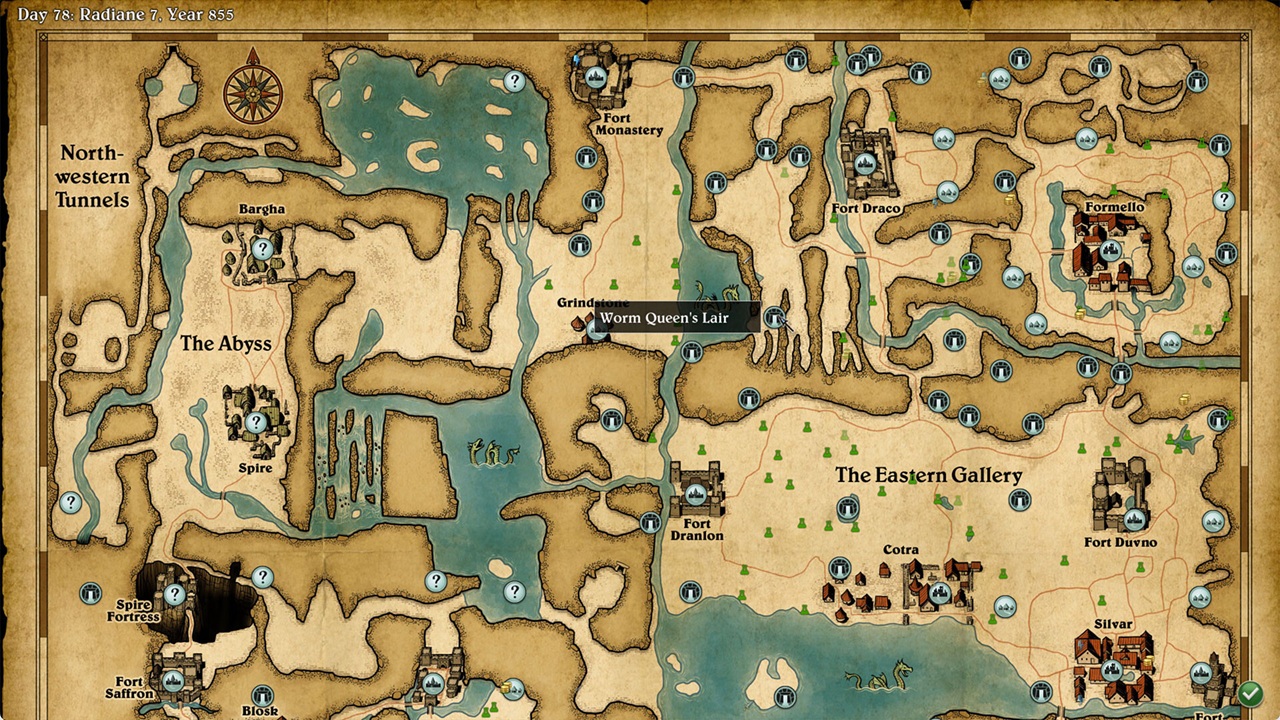
With Avernum 4, Vogel’s skill with RPG writing supports a particularly appealing setting. It describes a giant underground world that, once, was used as a place to dump prisoners from the surface world. Now, as the fourth chapter in the saga opens, there is greater openness between the two and “legitimate” people have a reason to be in Avernum as well. However, it’s not a pleasant place, with people eking out meagre existences with mushrooms as the staple. It’s also a place filled with danger from monsters and the volatile politics of the people that live in the tiny hovels that are scattered about.
You don’t need to have played previous Avernum games to get into this one – an introductory block of text does plenty of heavy lifting in setting the scene, and the story itself is discrete. Even if you’re not usually one for spending a lot of time reading while playing a game, you’ll find yourself drawn into this one’s web, with some impressively open-ended stories, multiple factions to throw yourself in with, and a good balance of drama and humour. With all of that being said, while Vogel’s worldbuilding isn’t quite to the meticulous detail of, say, Tolkien’s Legendarium, there is a LOT of lore, history and backstory that has gone into Avernum, so I would recommend checking out the others if this one does hook you in.
For those who have played the original Avernum, while this remake looks similar to it, you’ll be very impressed by the weight of additional quests, story beats, new characters and dungeons. Vogel knows his strengths and plays to them when remaking his games.
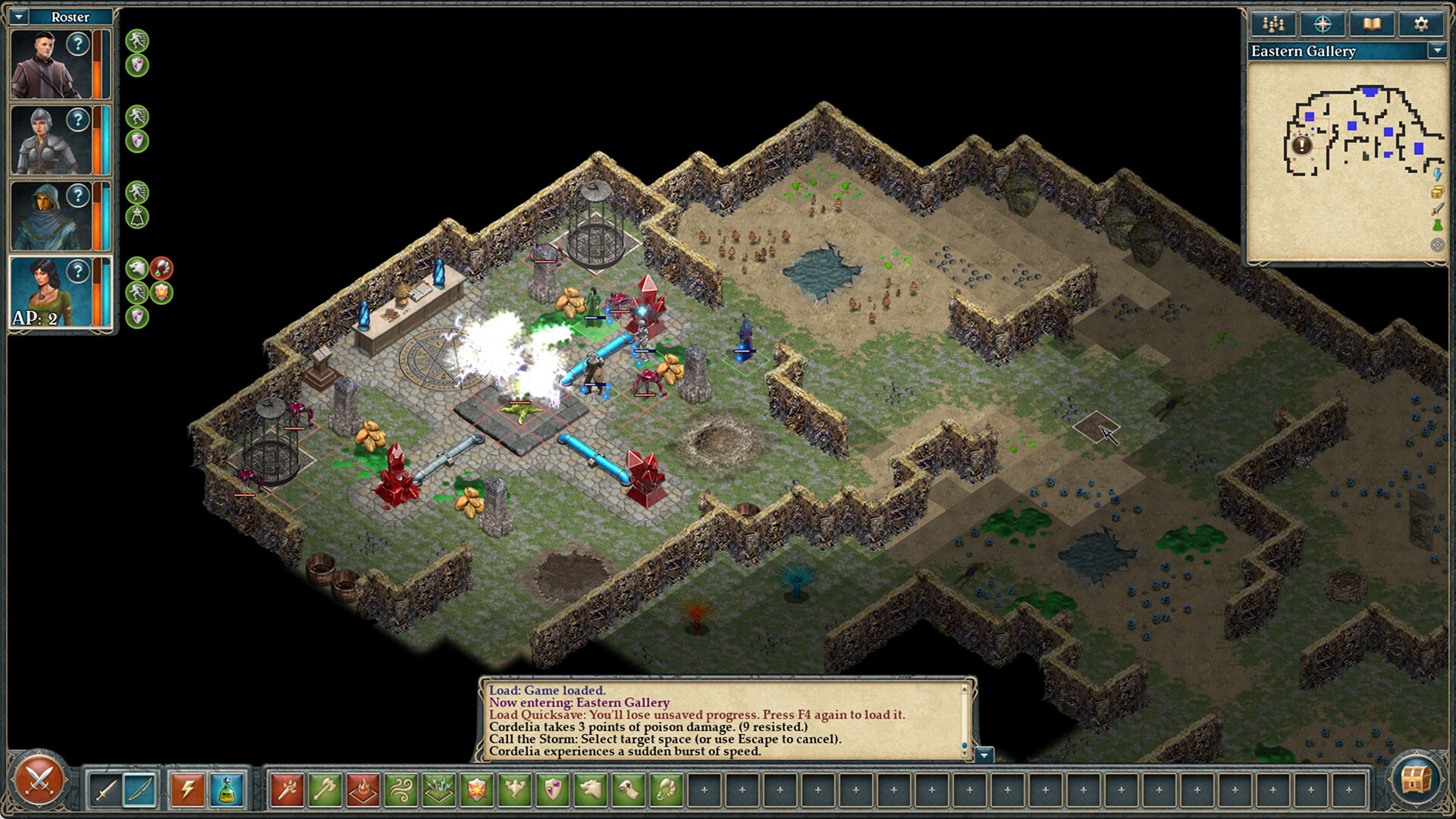
In terms of the gameplay, Avernum is a strictly traditional turn-based and party-based RPG. You’ll have four characters, and ideally those four characters should have a mix of melee, ranged, rogue, wizard and healing skills – standard Dungeons & Dragons fare. When they run into enemies, combat plays out on a grid, and a bunch of dice rolls in the background to determine the success of attacks and abilities.
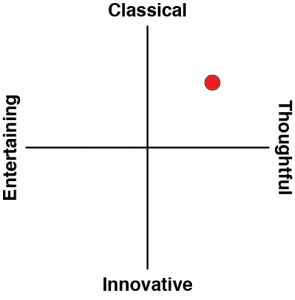
There are some 100 abilities and skills to learn, and the mix of classes, though when you see the skill trees, you’ll realise that Avernum 4 isn’t the most mechanically complex game out there. I tend to liken Vogel’s work to Second Edition Dungeons & Dragons, where each character’s power curve was a relatively limited and clean line, rather than the more recent versions, which focus heavily on customisation. This isn’t a criticism, mind you. I’d still be playing 2nd Edition today if I could find a group up for it. I like the streamlined character development that forces players to work with what they have to overcome challenges rather than having access to everything for every situation. Avernum 4 has a nice challenge curve to it, and gaining power feels both earned and rewarding. Just be aware that in contrast to, say, Baldur’s Gate 3, there isn’t quite the same toolset at your disposal.
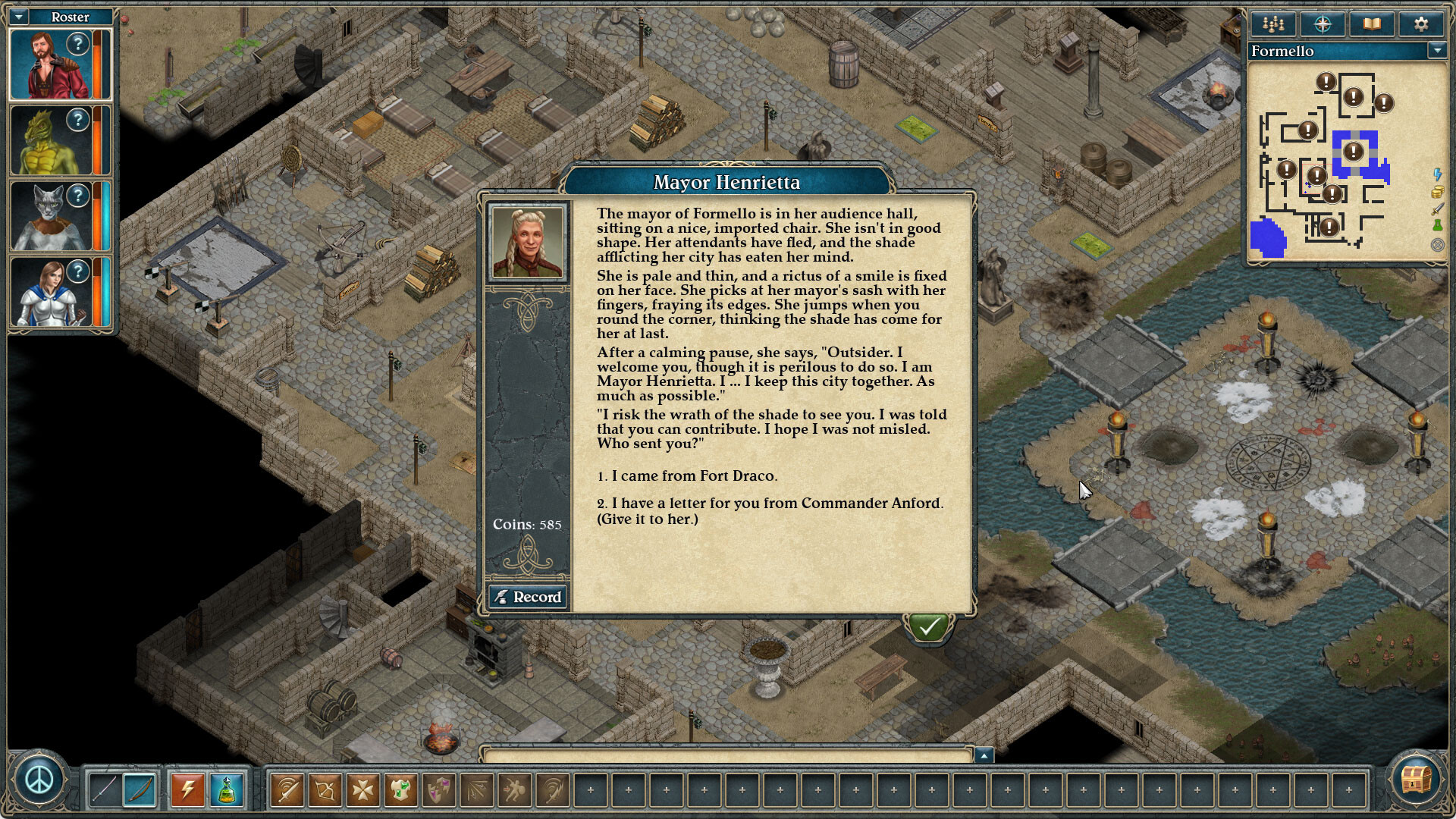
I realise that Avernum, and Spiderweb Software’s work in general, is a tough sell. One look at the screenshots and it’s far too easy to file this one away as something too niche for its good. But I’ll tell you this: Any time I’ve convinced someone to actually play a Spiderweb Software game, they’ve gone on to play at least a few more. Jeff Vogel has been a great survivor in indie development for a reason. If you like your RPGs, give Avernum 4 a go. Trust me.