

Well, fellow Final Fantasy fans, here’s our chance. For years now we’ve been begging Square Enix for a new 2D, pixel-based Final Fantasy. Final Fantasy Resonance isn’t Final Fantasy XVII, but after the success of the Octopath Traveler series and Dragon Quest remakes, it’s pretty clearly an effort by the company to see just how much appetite there is for the series to have a throwback to the 2D, turn-based, pixel style. Let’s prove that people still love this.
Final Fantasy Resonance is an adaptation of a now-defunct mobile title: Final Fantasy Brave Exvius. You wouldn’t necessarily know that if you hadn’t been told, though, as it doesn’t really behave as those games do. You might think it was inspired by mobile design, in that you’ll be collecting a whole lot of heroes from the Final Fantasy catalogue to act as the job system (and it was pretty clearly the gacha system of Exvius), and there are the standard equipment grinding systems. But the game doesn’t have an actual gacha system, as the heroes are earned by visiting shrines and sitting through a narrative cutscene, and what modern video game doesn’t have a weapon upgrade system? Resonance isn’t a mobile “remake” that has lazily had the gacha system balanced out so that it no longer consumes real-world microtransactions, in other words. It’s a genuine effort to take that basis and turn it into a “proper” title, with a ground-up redesign so that it looks and behaves like a classic Final Fantasy.
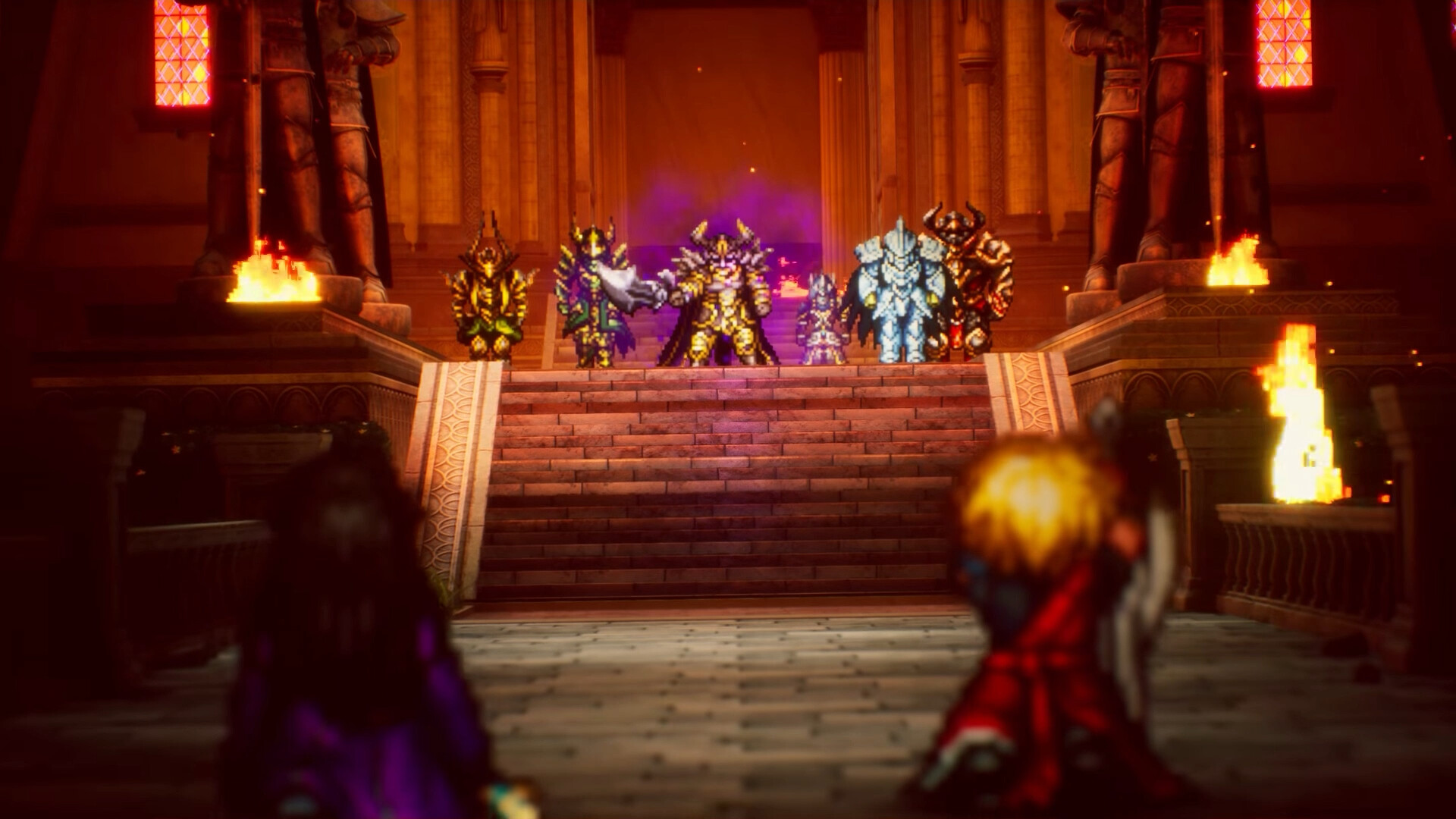
The narrative, admittedly, is weak when you look at it in isolation. The plot hook is that a group of heavily armoured and powerful bad guys burn down a city and destroy its crystal, and several heroes from that city (Rain and Lasswell, with genre-mandatory amnesiac, Fina, joining soon after) pledge to chase the villains down, both for revenge and to prevent further destruction of crystals.

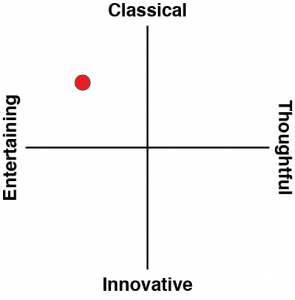
Contrast this to the “proper” Final Fantasy series and the stories those weave, such as the complexity of Cecil in Final Fantasy IV in the way he faces his dark self to emerge as a Paladin, or the nihilistic philosophy of the Big Bad, Kefka, in Final Fantasy VI. There’s a reason that Wiley published Final Fantasy and Philosophy and had academics contributing essays of pop philosophy that reflected on these games – there’s a lot of thought and intent that went into them. Resonance, in contrast, is far more straightforward. It’s charming, and the characterisation is generic albeit warm (particularly the little side conversations that pop up from time to time, borrowed as they are from Namco Bandai’s Tales series, do give the cast, especially Fina, a fun personality), but it is also undeniably true that Resonance lacks the thematic density of the mainline Final Fantasy series.
On the other hand, it does generate some of the strongest nostalgia for the series this side of Theatrhythm Final Fantasy. The journey itself is vintage Final Fantasy, as you wander around a map, visiting towns and helping the locals with their issues before getting the breadcrumb to the next dungeon that will lead to the next town. Resonance sticks to this formula like the strongest adhesive you’ve ever used, but when combined with the gorgeous HD-2D art style, that devotion to tradition is generously twee, and while we usually use that in a pejorative sense, I can’t think of a better term to describe the sweet nostalgia vibes of this thing, and I mean it with the greatest possible affection.
The same goes for the combat. Resonance uses a traditional turn-based combat system. Enemies have a specific weakness or two, and you can mix and match jobs to have the right set of skills to exploit those weaknesses. Bosses can soak up a lot of damage if you’re not manipulating their weaknesses, and can actually be quite challenging if you’re even a level or two lower than the recommended level for a dungeon, but hit them with enough attacks that they’re weak to, and you’ll be able to “stagger” them quite quickly. This gives you a free round of attacks ending with a special, based on the job types that you have equipped, which has both the visual splendour of Final Fantasy summons at their best AND gives you a hyper-detailed animation featuring whichever character from the series that you have equipped.
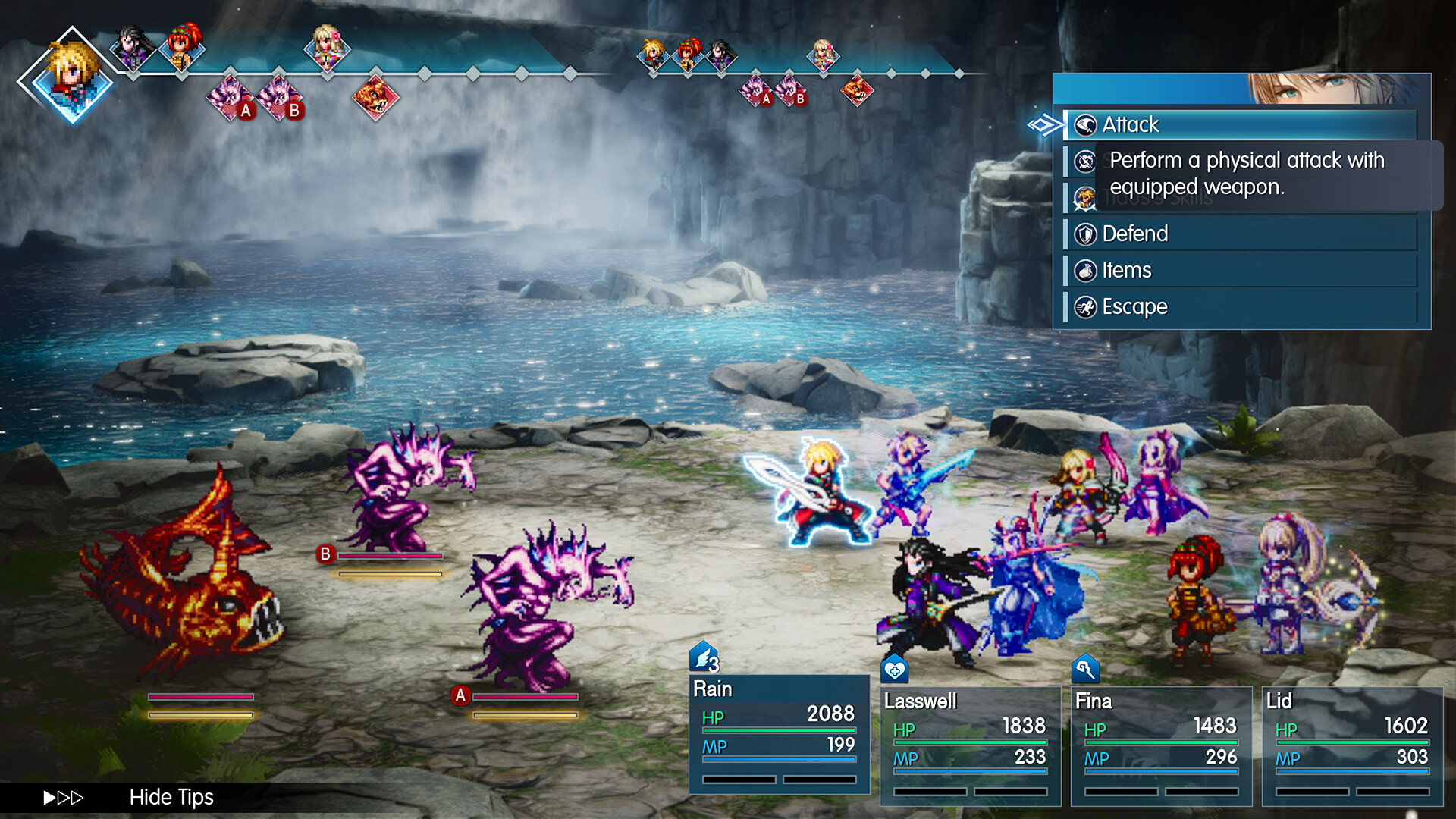
There are summons themselves to collect and use, starting with Siren before moving through just about every other summon from the series you can imagine. There are Limit Breaks that the Resonance heroes themselves can join in for some fireworks, and of course all the attack and spell names are pulled from series lore. There are also Chocobos and Moogles and all your favourite enemies from the series pop up at some point or another.
You can play Final Fantasy Resonance as your first game in the series, and it will make perfect sense. The game’s only going to have the kind of emotional resonance that Square Enix wants it to have if you’ve played them all. If you’re going to head into each “heroes of legend” shrine that is dotted across the map with the hope of THIS shrine having your favourite character, meaning they will finally join your party, only to get excited with whoever you get anyway, then you’re the one Square Enix wants to play this the most. And for the record, I was hoping against hope that Rikku and/or Ashe would show up, despite neither being technically the protagonist of a game.
When you do enter one of these shrines, you’ll find a giant crystal, which will set you a challenge – answer three questions about the hero that shrine represents while music and cutscenes from that game play in the background. At the end of the three questions, you’ll unlock that character who, as I said before, can then be attached to one of Resonance’s protagonists to act as the “Job class” – unlocking skills for that character to use and gaining new skills as the job level increases in experience. I don’t think it’s possible to answer the questions incorrectly, but it’s fun to see if your answers are compatible with the hero’s (for the record, apparently Noctis and I would not be good buddies, but Terra is, like, my soulmate).
If you are a Final Fantasy fan, you’re going to be drowned in nostalgia for the entire series with your time in Resonance, and indeed I actually started a replay of Final Fantasy X just because after playing Resonance I realised it’s been a while since I last loaded any, aside from FFXIV, up. Square Enix has truly turned Final Fantasy into a powerful media franchise, however much new releases tend to earn grumbles and accusations that the series has ceded its cultural power to the likes of GTA.
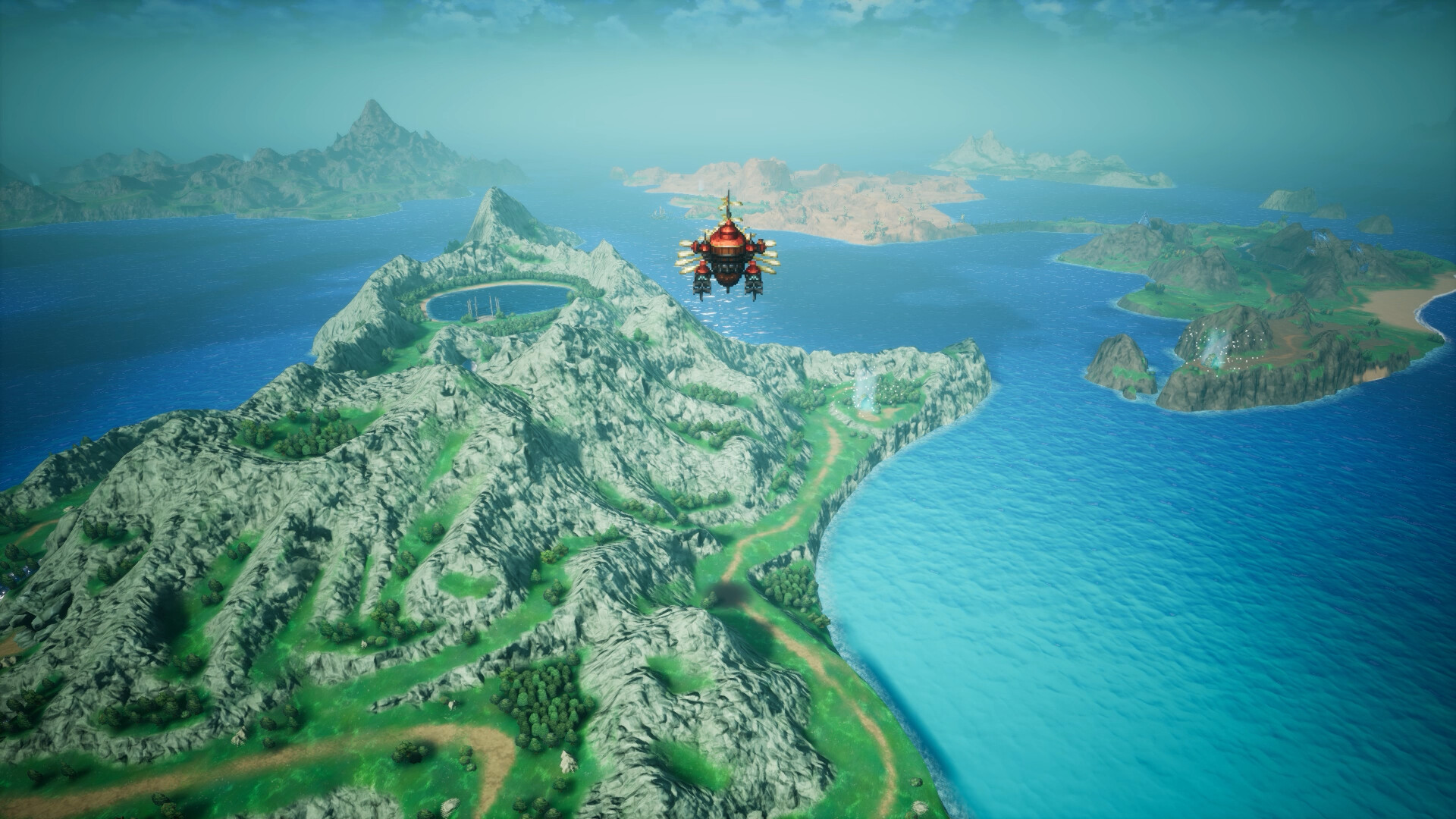
When I started playing Final Fantasy Resonance, I opened the in-game map and saw something truly massive, with multiple continents promising so much adventure. I wasn’t disappointed. This is a classic, turn-based JRPG that acts as a powerful love letter to the entire series. I have no idea if this will be enough to convince Square Enix that Final Fantasy XVII should be a pixel art, 2D, turn-based game, but I can’t see how anyone who, like me, has grown up with this series could be disappointed with what this adventure offers.