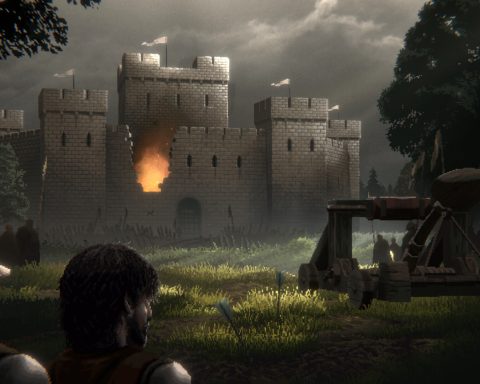


Retro publisher, SNEG, recently brought a slew of Warhammer classics to Steam – many for the first time. SNEG is a prolific publisher of such things, with the company previously responsible for a massive number of DOS-era Dungeons & Dragons titles, as well as a significant portion of the classic SSI strategy catalogue being available on Steam thanks to the team.
Given that SNEG is responsible for letting me play about 90 per cent of my childhood again, I thought it was high time I had a chat with them about the great work they’re doing to preserve often very niche games so that they can be played again. Artem Shchuiko, SNEG Co-Founder, was kind to field my questions (and be patient with me as I reeled off a bunch of other games I’d like to see the company rescue next)
You’ve brought some of my favourite games of all time (Shadow of the Horned Rat in particular) to Steam for the first time. These were already available on other platforms (notably GOG). What’s the value in having them on Steam as well?
Artem Shchuiko: First of all, thanks for the kind words. It’s always great to hear that these games still mean so much to people.
Our goal is simply to make sure as many players as possible have access to Warhammer Classics. Today, Steam is the main platform where the majority of PC gamers are, so it was important for us to bring these titles there as well. We also want modern audiences to discover and experience these games, not just longtime fans who already know where to find them. And realistically, if you want classic PC games to stay visible and accessible to new generations of players, they need to be on Steam.

I noticed that all these games have a disclaimer when first loading that they “don’t necessarily reflect Warhammer today” or words to that effect. What potential misunderstandings prompted you to add that disclaimer (a specific example or two would be great too).
Artem Shchuiko: Everything evolves and changes over time, including the Warhammer universes themselves. Some of these games were created 20–30 years ago, so naturally there are elements of the lore or visual designs that may not fully match current Warhammer canon.
We believe players need to understand that these games reflect the Warhammer setting as it existed at the time they were originally made. There can be inconsistencies compared to modern lore, and that’s really the main reason for the disclaimer – nothing more complicated than that.
Do you think that this is a challenge in preserving old games, that the IP owners and players themselves might no longer see that setting as authentic to the modern games and settings?
Artem Shchuiko: I think this is something very natural for almost any long-running IP. Most universes have older books, comics, games, cartoons or films that are not fully aligned with current canon (especially when you go 20–30 years back). People generally understand that these works are classics from a particular era, while the IP itself continued to evolve over time.
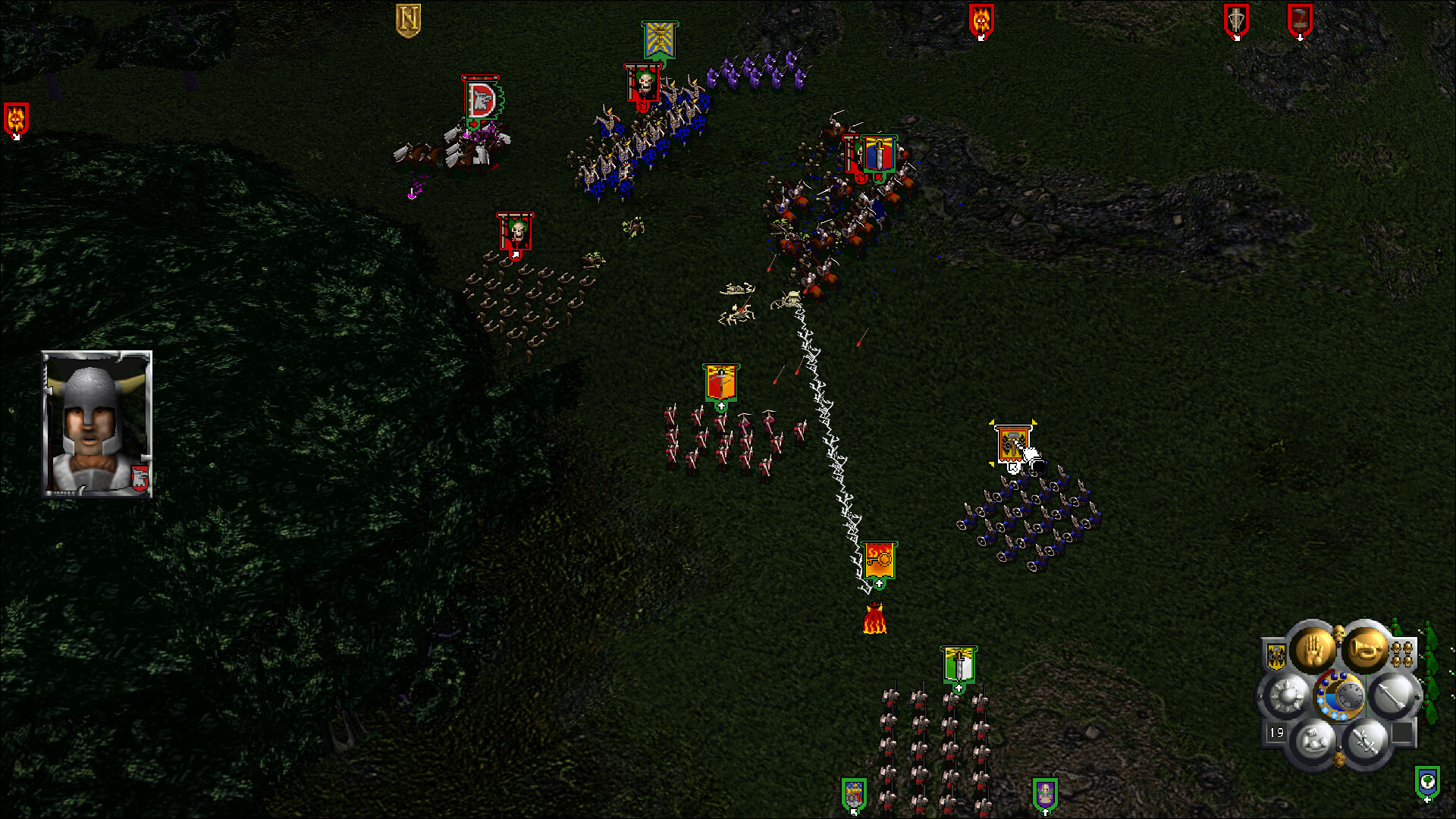
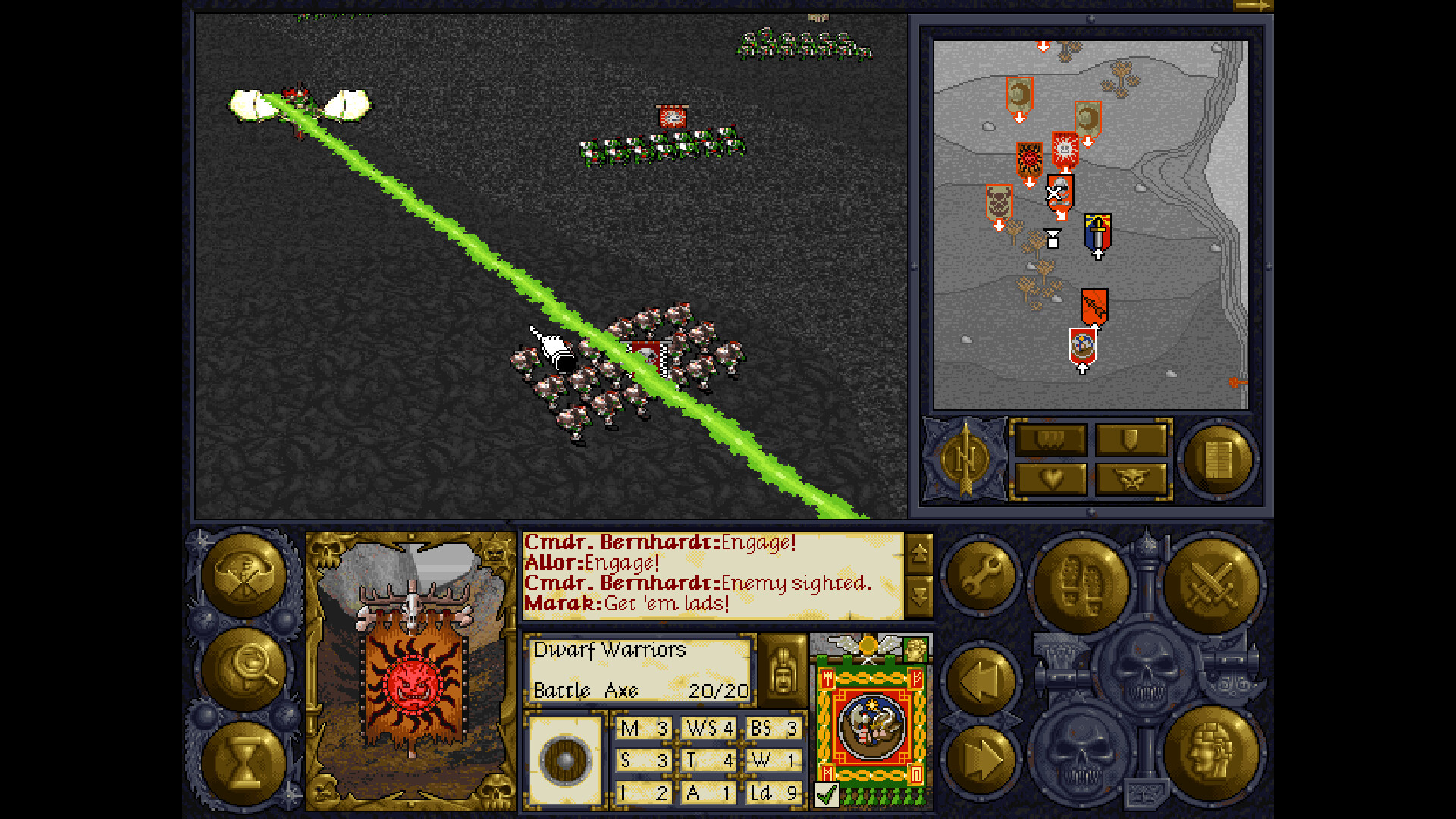
A friend and I are both playing through Shadow of the Horned Rat at the same time. I’m comfortable with it in no small part because I played so much of it back in the day, but he’s really struggling with the lack of tutorial and the older UI design. Obviously, preserving games as they once were is important, but could you see the value in making small tweaks to better align games like this to the systems that modern players are familiar with?
Artem Shchuiko: You’ve probably picked one of the most hardcore examples possible :). I actually had a very similar experience myself while we were preparing the release. I completely failed at Shadow of the Horned Rat and was genuinely impressed that our QA team managed to finish it multiple times. Honestly, for me, it was even more challenging than Dark Souls. Fun fact: the PlayStation version is significantly easier than the Windows one.
Back to your question. We do believe re-releases should include a reasonable amount of quality-of-life improvements, but without changing the original design and vision behind the game. These titles were created by very talented developers who made very deliberate creative decisions, and we don’t really want to interfere with that.
That said, I can absolutely imagine one day seeing a proper remake of one of these classics that rethinks certain systems and makes the experience more approachable for modern players while keeping the spirit of the original. That could be really cool.
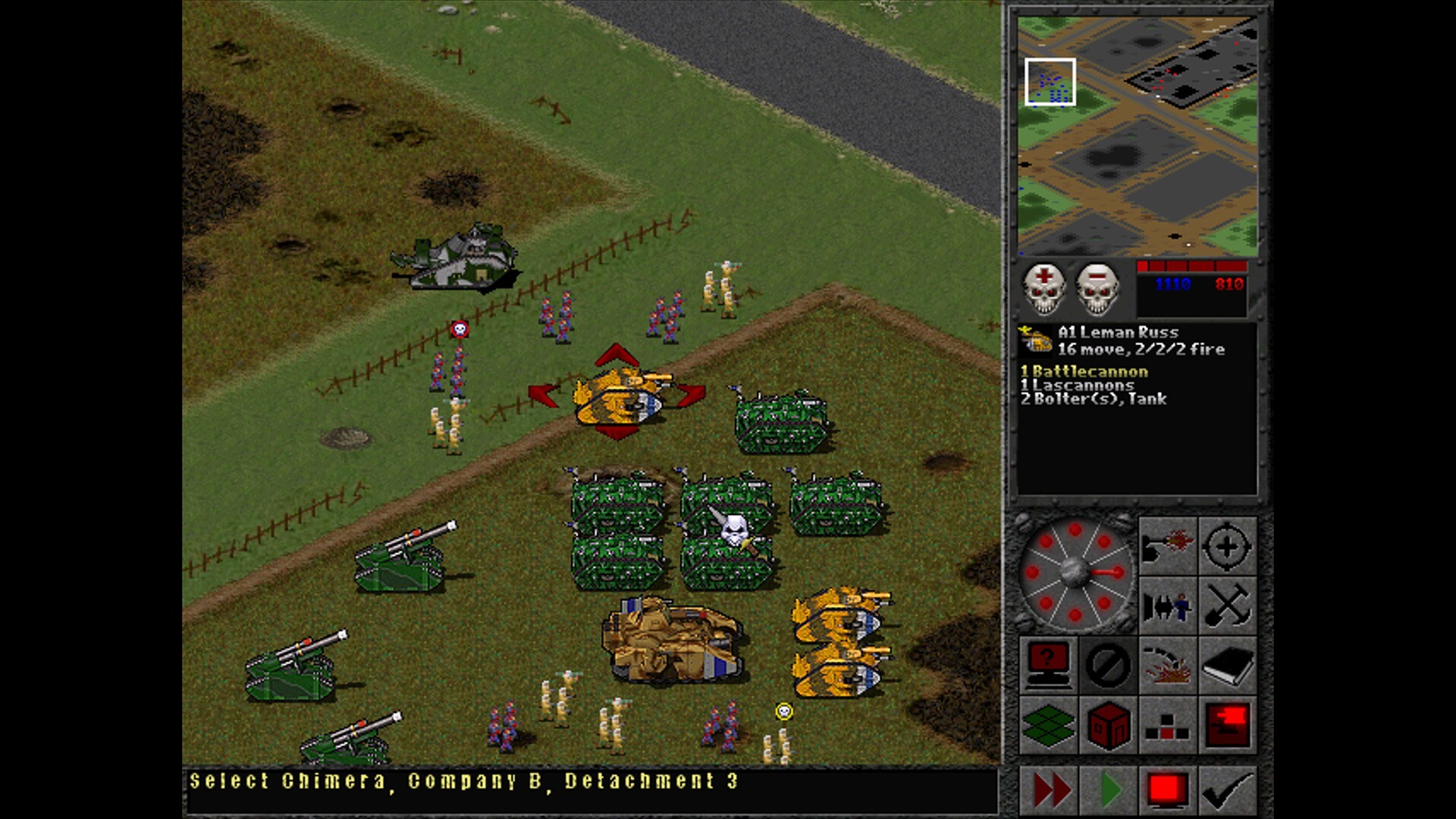
One thing that I had almost forgotten is how brutally hard these games can be. I’m crashing hard in Dark Omen at the moment, and I’m only six missions in – the one with the highway robbers and enemies come at you in every direction – it’s a tough one. Do you think difficulty is a barrier to overcome with retro game preservation?
Artem Shchuiko: I think difficulty is actually one of the reasons these games are remembered so fondly. Back then, we didn’t have hundreds of games sitting in our backlog. We started a game and genuinely wanted to finish it. We spent a lot of time learning them, and finally beating a difficult mission or finishing the game felt incredibly rewarding.
So I don’t think difficulty itself is the biggest barrier. Difficult games are still hugely popular today. Just look at the Dark Souls series. What’s probably more challenging for modern players is the lack of an easy onboarding process. Older games often expected you to read the manual and figure things out yourself. Modern players are much more used to proper tutorials and gradual introduction of mechanics.
How have you found the response to the release of the games on Steam so far? Are new players discovering the games and how are they responding to them?
Artem Shchuiko: The response so far has been very positive. The vast majority of players are happy to see these games on Steam. Some are excited to replay games they loved years ago, while others are simply interested in checking out another game set in the Warhammer universe after playing more modern titles. The sentiment has been very positive overall (apart from people discovering the difficulty of the Shadow of the Horned Rat!)
I’d say we achieved the goals we wanted to achieve with this release.
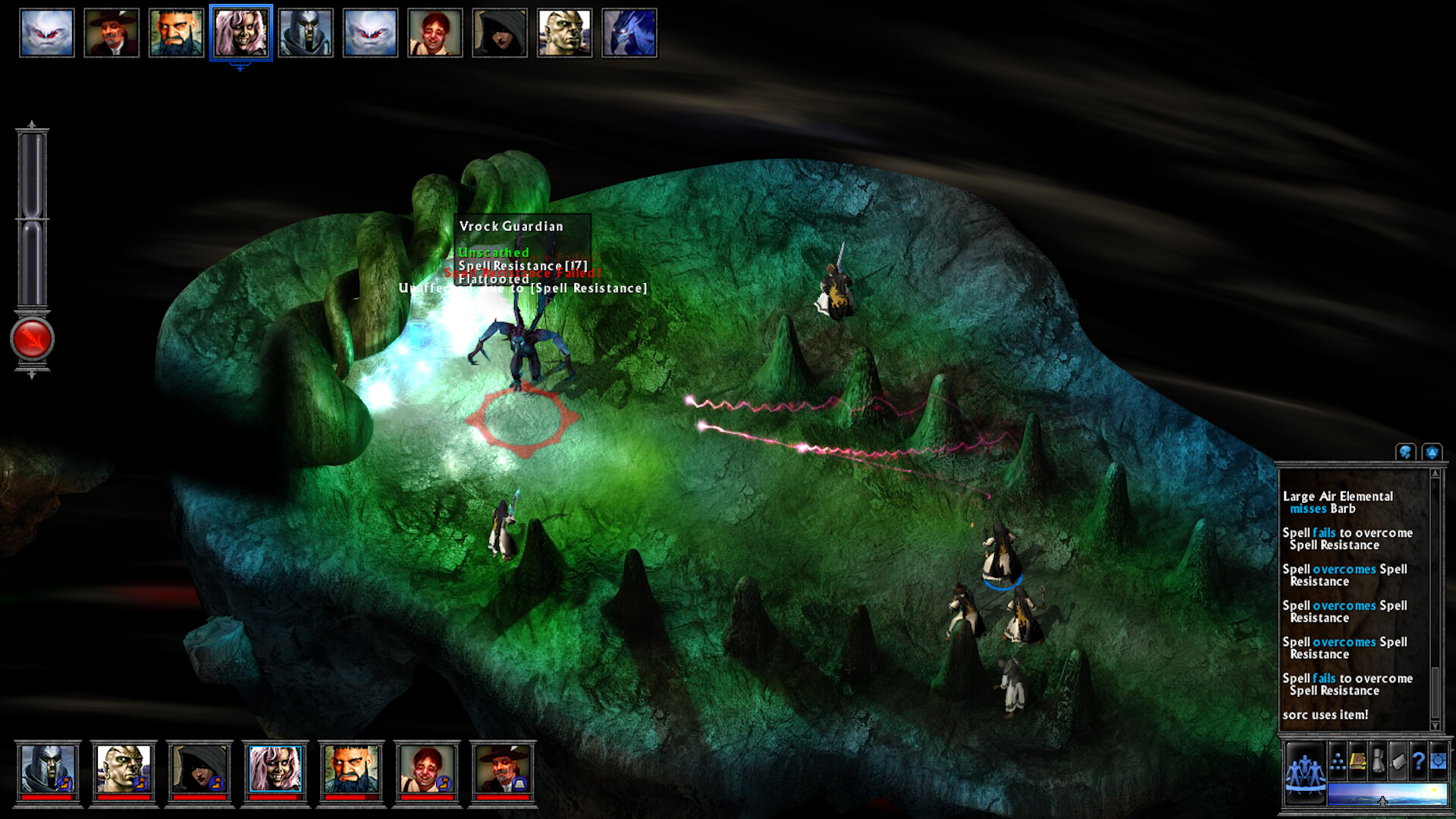
What are some of the other games that you would like to see preserved?
Artem Shchuiko: If we stay within the Warhammer universe, I’d personally love to see the early 90s Space Hulk games preserved properly, as well as Warhammer Online. And if we talk about personal favorites outside of Warhammer, I’d definitely mention various Dune games, Myth trilogy, Black & White, and the No One Lives Forever series. Hope one day some of them will get back to gamers.
We do live in an era where preservation is, in theory, simple. Digital distribution means games can be made readily available worldwide in a heartbeart. From your experience where have the roadblocks been in ensuring that we do preserve games, and particularly the more niche ones?
Artem Shchuiko: Digital distribution definitely makes things easier, but distribution itself is no longer the main problem. The real challenges are compatibility with modern hardware and software, and the legal side of things.
Compatibility issues can be extremely difficult to solve without access to the original source code and in many cases that code is simply lost forever. On top of that, the legal situation around older games is often very complicated. Rights may be split across multiple companies, and some of those companies may have left the games industry years ago.
And honestly, preservation itself is often not a priority for companies, especially larger ones.
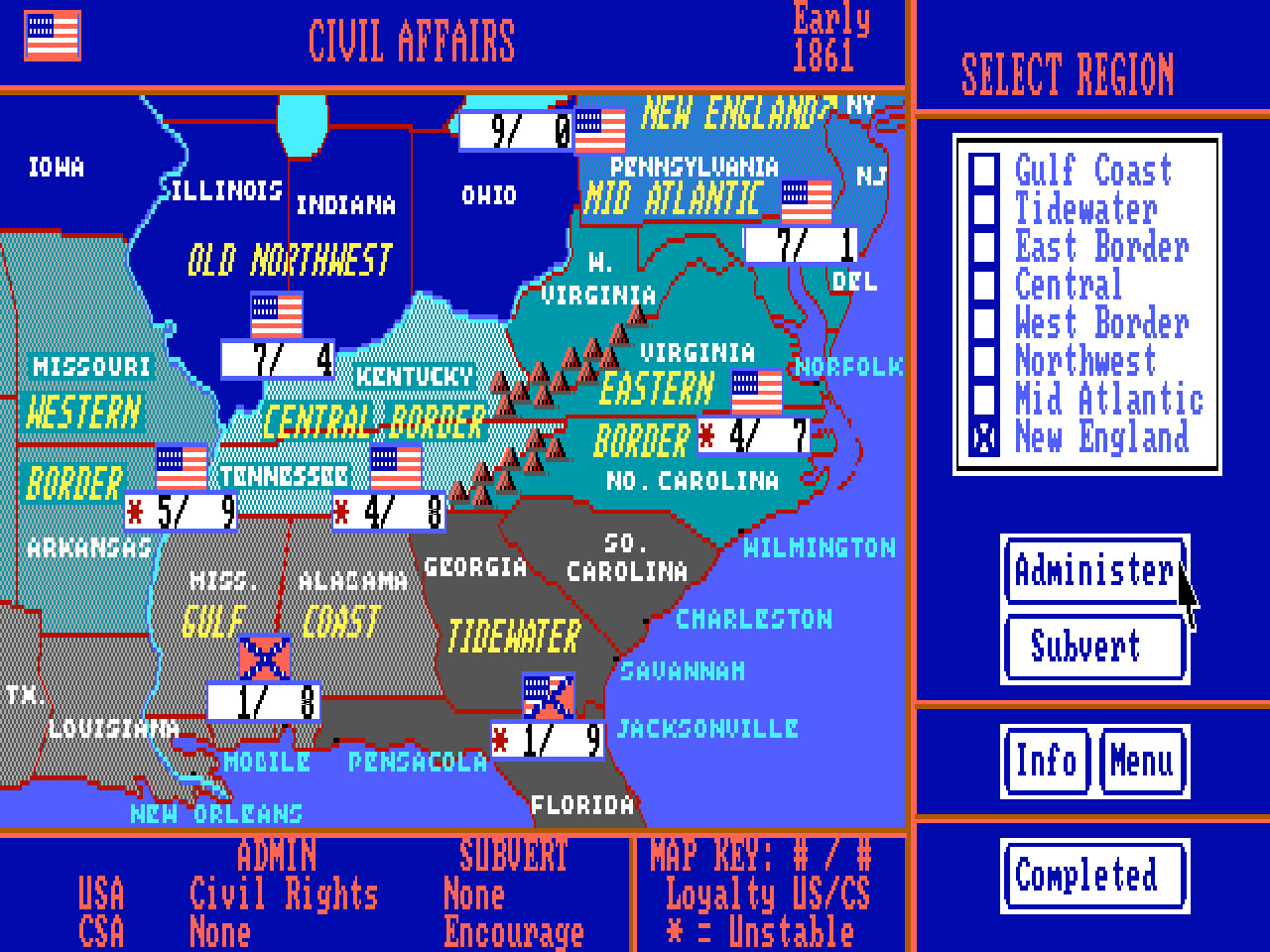
As we all know, around 90% of the films made during the silent era of films have been lost. Even a more modern series as beloved as Dr Who has large numbers of episodes lost because they were never properly archived. Do you think the same will happen to the earlier eras of games?
Artem Shchuiko: I want to believe it won’t be that bad, simply because games are a younger entertainment medium and we are more aware of preservation now. That said, some niche games have already disappeared forever, or are extremely difficult to access today. So the risk is definitely real.
The good news is that the industry is doing more in this area now. You can see it with places like The STRONG Museum, independent game archives, preservation communities, and companies that are actively bringing classic games back.
I actually have a massive library of your games (all the AD & D ones, Warlords, Demon Stone, Dragonshard…), but I have to say the one that I was most pleasantly surprised by was No Greater Glory – that was a game that got me into strategy gaming as a kid, and I just never expected it would be preserved. Are there any games that you’re particularly proud to have rescued?
Artem Shchuiko: Wow, thank you! You definitely have quite a collection of games we’ve managed to bring back over the years.
Honestly, every game has a special place for us, even some of the titles we didn’t personally play back in the day but had heard so much about from players and the community. So it’s genuinely difficult to pick just one that we’re the most proud of. That said, from the titles that are already public, I’d definitely mention a large part of the classic D&D catalog, many of the Warhammer games, and Blade of Darkness. And hopefully, there are still some really exciting things ahead of us that we’ll be able to talk about in the future.