

Bubble Bobble is one of the greatest games ever made, and it’s also my go-to game when I’ve been asked about my favourite game of all time.
Taito’s certainly done some interesting things with the Bubble Bobble IP over the years, and while a lot of the spinoff games have been excellent – I’m thinking titles like Rainbow Islands, Parasol Stars and of course Puzzle Bobble (and the more recent Puzzle Bobble Everybubble), the most recent “mainline” Bubble Bobble game was… sigh… Bubble Bobble 4 Friends.
It makes me sad to even think about Bubble Bobble 4 Friends, so I approached Bubble Bobble Sugar Dungeons, Taito’s latest take with some trepidation.
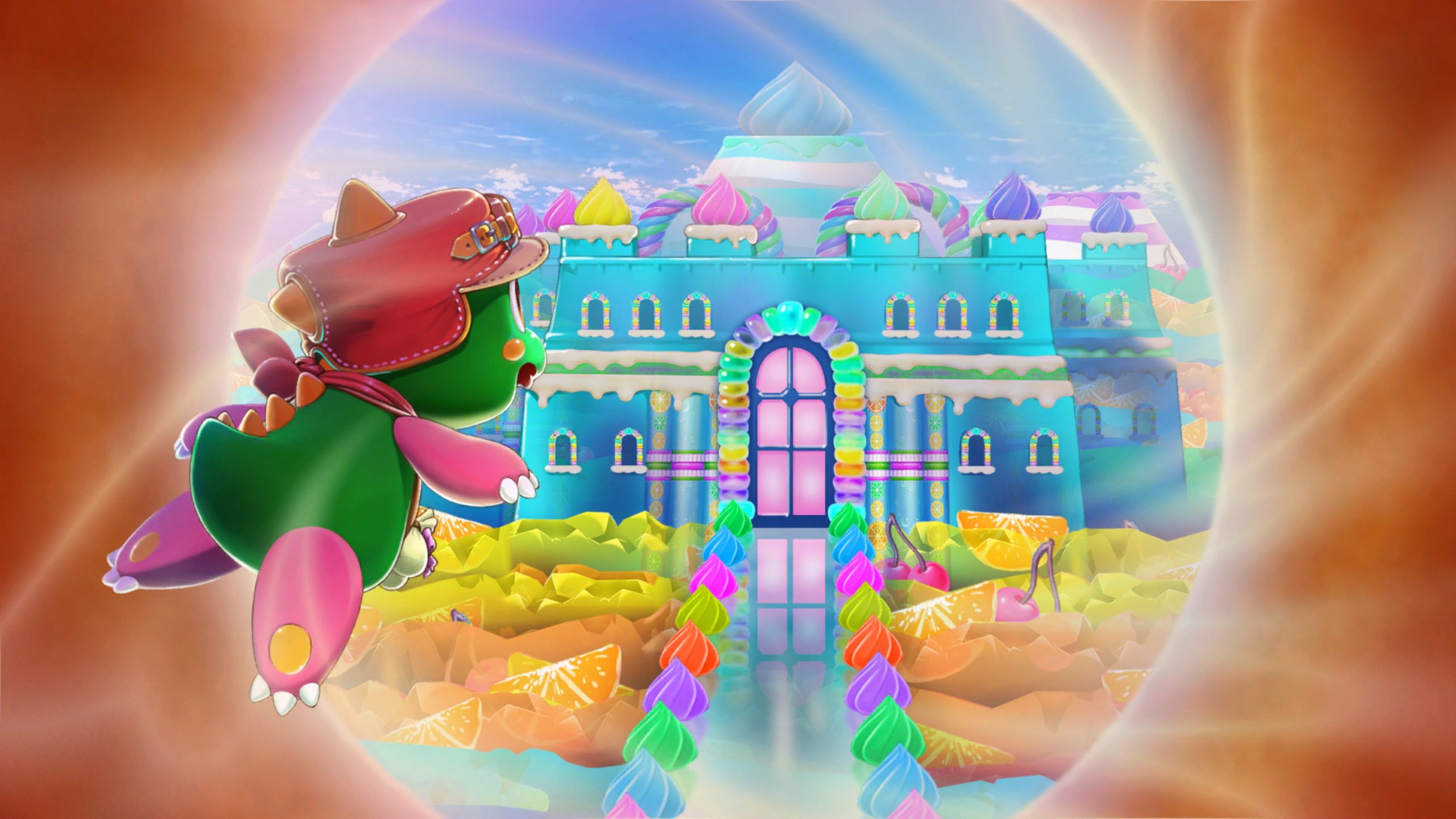
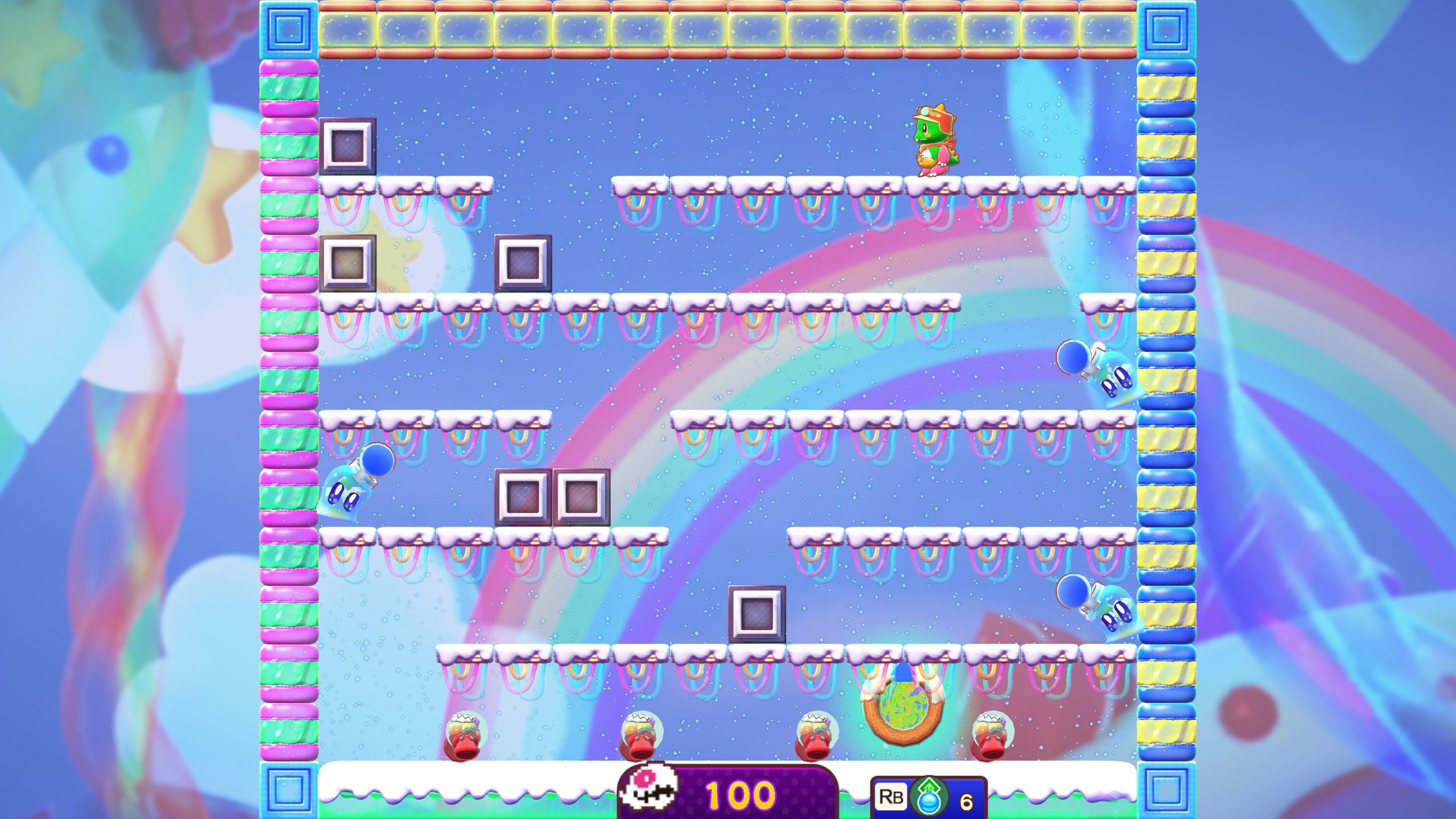
I certainly can’t accuse Taito of taking the easy road of just churning out another arcade platformer with Bubble Bobble Sugar Dungeons, though it does use the familiar trappings of having a bubble shooting dragon trapping foes in bubbles and bursting them.
All of this is set against a roguelike progression that sees you travel through dungeons and castles to gather up resources and power up Bub’s temporary bubble powers and permanent upgrades.

So far, so roguelike, and for those who like a stiff challenge, you’ll certainly get one, as by default Bub can only be hit once for a dungeon or castle run to fail. That’s a model that can encourage repeat play, because success after you’ve failed many times can be especially sweet, but there’s something not quite right with the way that Taito’s balanced both the difficulty and progression here.
If you’re tackling a dungeon, it’s against a strict time limit, and in classic Bubble Bobble style, once that time limit expires, Baron Von Blubba appears to track you down. However, he stays with you for a set timeframe, not just to the end of the current screen you need to clear. The objective here is to reach the exit, and you don’t have to pop all the enemies in a level – boss stages notwithstanding – in order to exit a level.
So why pop foes? Partially to gather Sugarees, the game’s secondary currency – and I feel the stench of mobile game IAP in this game’s DNA, sadly – and also because popping an enemy adds a little time to the timer before the Baron will appear.
All well and good, but it’s just too damned miserly in terms of how much time you get for popping an enemy, meaning that it’s rarely worth trying to do so unless they’re between you and the level exit.
Even so, you’re likely to end up with the Baron appearing sometime during a run, and the way that the game randomly choses level layouts means that sometimes this is fine because he’s just another foe to dodge, but other times you’re essentially doomed because there’s no clear way out because of the random level chosen.
Combine that with one-hit fails and frustration can all too easily set in. Mix in the fact that some upgrades that do rebalance this somewhat are hidden away very deep in the dungeons, making it a case of “get good or else” and you’ve got a prime recipe for frustration.
The game’s castles don’t have time limits, but then they are substantially more difficult in their own right, with some truly devious use of the game’s custom bubbles and the precise ways Bub can bounce off bubbles or use trapped enemies as effective bubble ladders to reach higher platforms.
The castles are tough, but they’re far better balanced in gameplay terms than the dungeons are – but then the dungeons are where you’re meant to gather resources to take on the castles, creating a real catch-22 in terms of overall game difficulty.
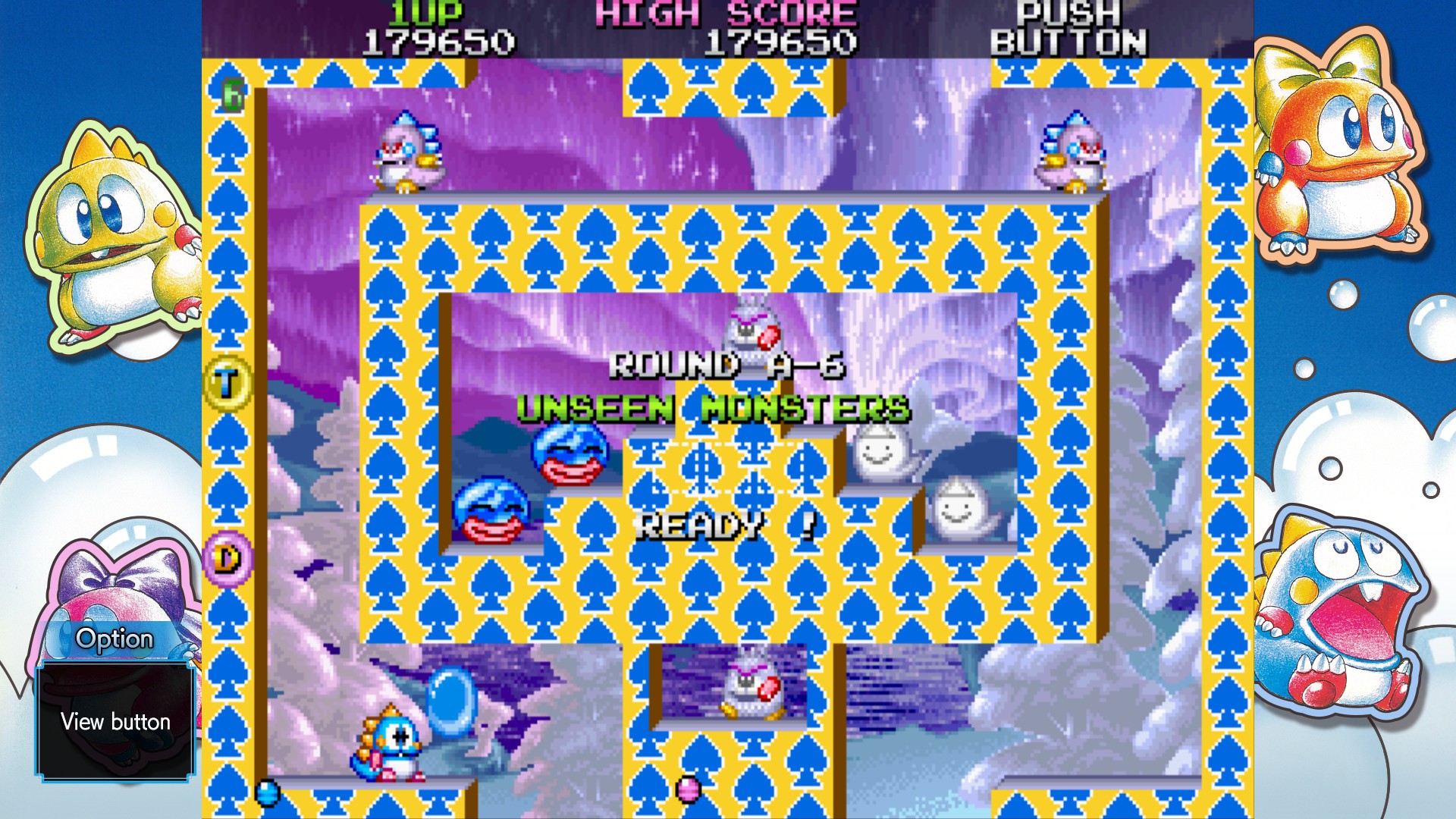
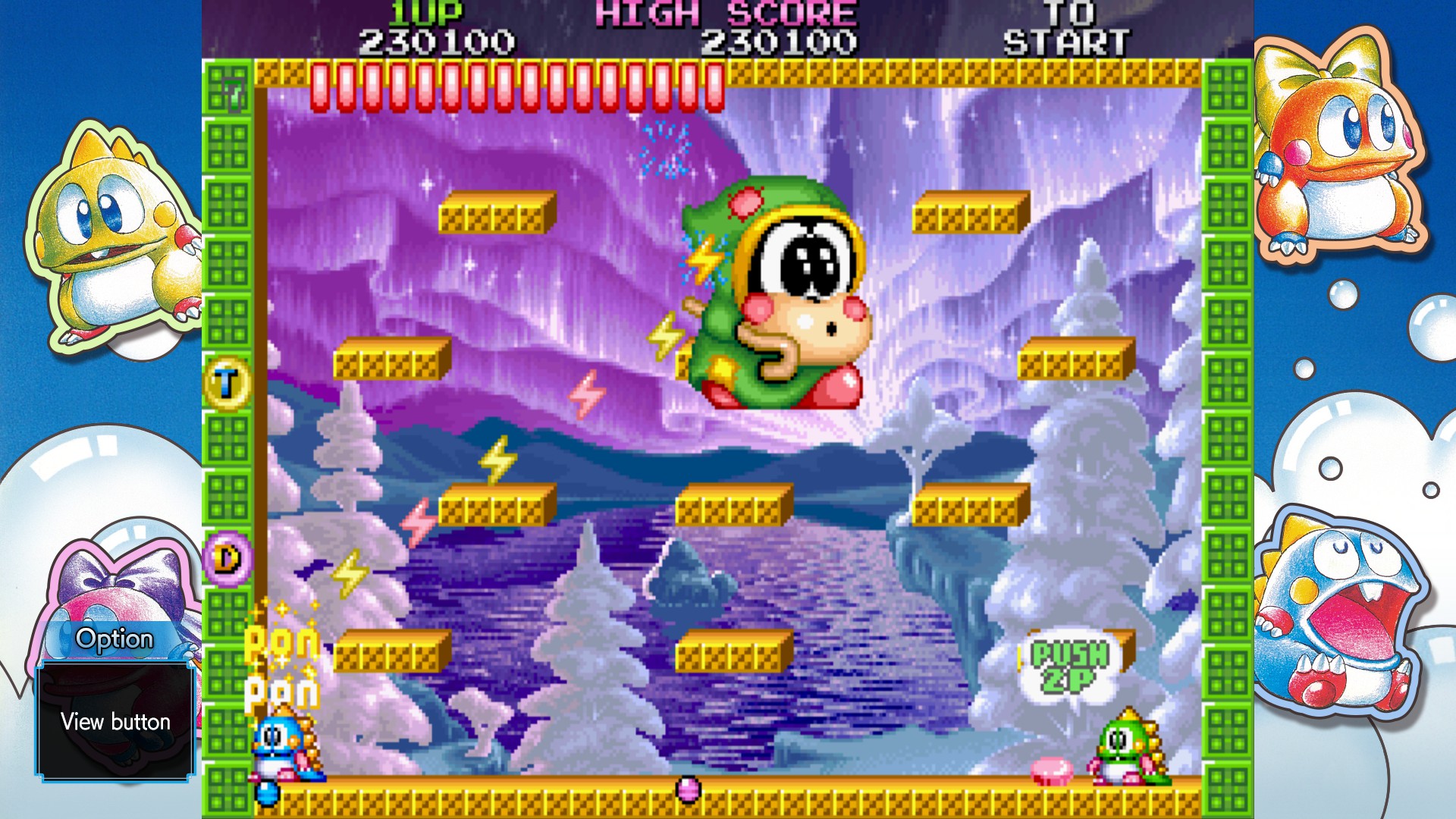
Taito hasn’t forgotten that Bubble Bobble fans might just want some classic Bubble Bobble action in with their new games; for Bubble Bobble 4 Friends that was the arcade original, but here you instead get 1994’s Bubble Symphony – or to be more accurate, its 1997 Saturn port – as a standalone game that launches instead of Bubble Bobble Sugar Dungeons at launch, at least on the PC version I purchased.
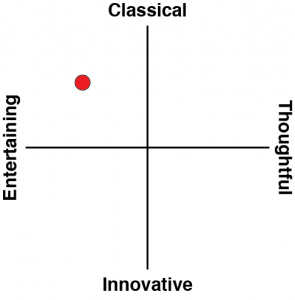
Bubble Symphony is great fun and always has been, even though it’s basically just Bubble Bobble with a 90s swathe of fresh paint over it, really. There’s solid value here if you don’t already own a copy of Bubble Symphony, and if I was just reviewing it, we’d be talking easy 5-star territory here, game over. But Bubble Symphony is effectively your “bonus” game for buying Bubble Bobble Sugar Dungeons, and that’s a title that ultimately left me wanting.
Bubble Bobble Sugar Dungeon’s difficulty curve isn’t insurmountable, but ultimately it just doesn’t end up being all that much fun, and it’s maddening to me, because it’s so very clear how close it is to being a game that, instead of being annoying could have that “just one more go” factor baked into it.
A little more generosity in timing, or earlier unlocks for certain upgrades could aid players in feeling like they’re making progression rather than just grinding the same levels over and over hoping they don’t get an unlucky sequence of levels to play through. Sadly, with modern game development being what it is, the likelihood of a post-game difficulty tweak seems remote, because it’s quite feasible the actual staff who made Bubble Bobble Sugar Dungeons have been shuffled onto other projects. Taito could have fixed up Bubble Bobble 4 Friends, but it essentially never bothered to do that either, so my hopes are not high in this respect.
I love the ambition of Bubble Bobble Sugar Dungeons, and there could have been a great game here, rather than just the bare bones of one.
It is way, way better than Bubble Bobble 4 Friends, and it could be great for you if you like your games on the とても難しい side, or if you don’t already have a copy of the still excellent Bubble Symphony to hand. If you’re after that classic Bubble Bobble gameplay, however, the original is still the best.