2025 is finally done and dusted. It’s been a big year with a lot of great game releases, despite some incredible turbulence in the industry. As we always like to do at DDNet, we’re taking a look back at the year that was, and some of our highlights. Trent spent the year navigating the balance between major life milestones and the quieter personal struggles that shaped his 2025, all while finding time to reflect on some significant moments in gaming.
As the year comes to an end, major events like Christmas and New Year arrive for one final hurrah before the cycle begins again. For many, the exchange of video games to kids and adults alike creates a period where everyone becomes attached to their consoles, consuming whatever game they received during the holidays. But it’s also a time that invites reflection on what has happened throughout the year and what the new year might bring.
For me, this year’s reflection brings a lot of internal conflict. While publicly I might share major milestones, such as getting married earlier in the year, those who know me understand that private personal and professional struggles have shaped 2025 more than those major milestones ever could. Looking back through a lens focused solely on video games reveals a year of incomplete games, missed opportunities, and skipped titles more than any previous year, as adult life took priority over what was once an all-consuming hobby.
That’s why the items I’m highlighting this year aren’t necessarily positive. Instead, they’re changes and experiences in the video game industry that need to be discussed. Each point also carries a word of caution, or anticipation, for what next year will bring.
1. Nintendo Switch 2 Launch
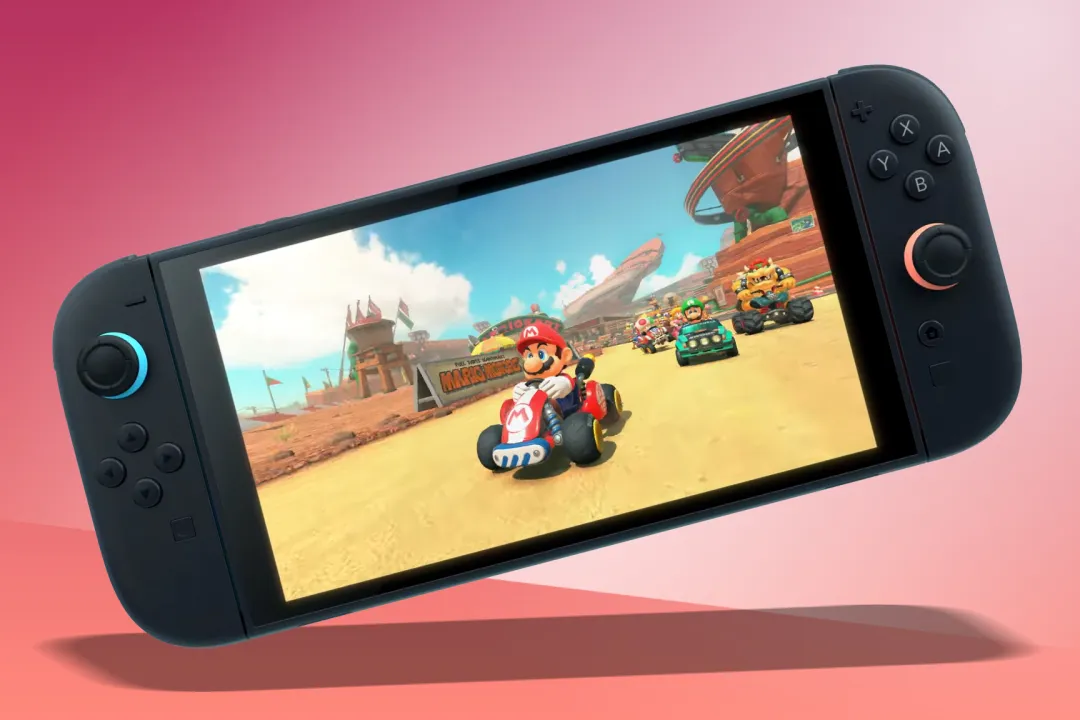
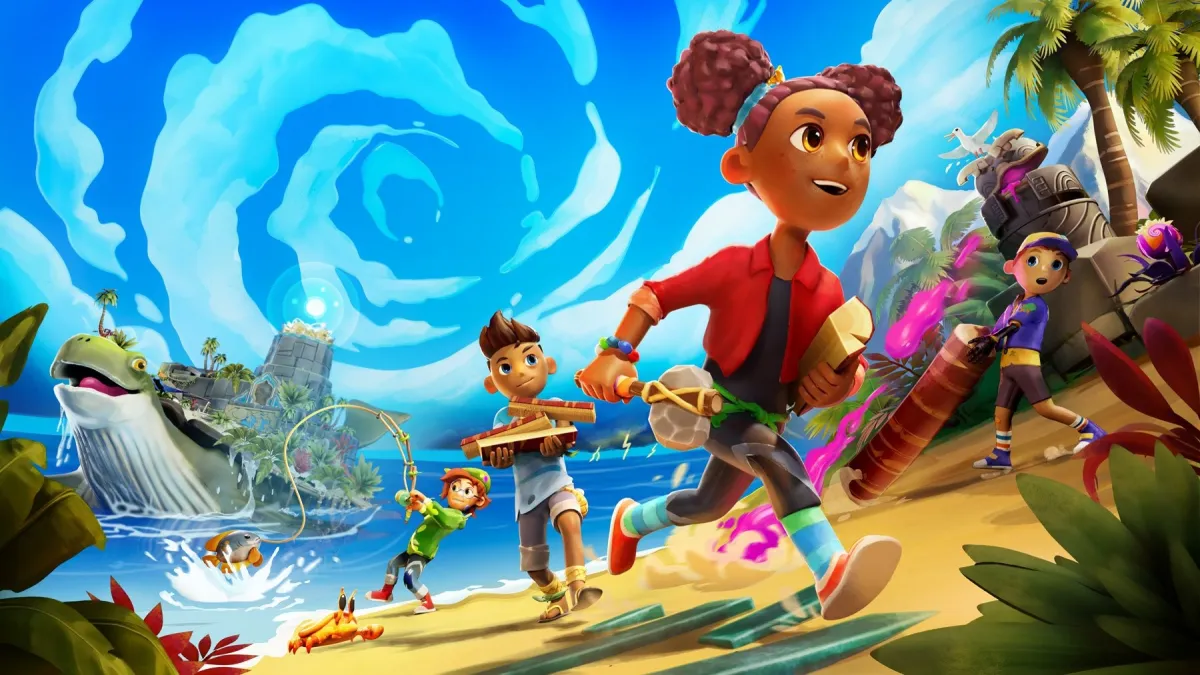
This year brought the launch of the Nintendo Switch 2, the successor to a console that shook up the industry arguably more than the Nintendo Wii did. The launch came with a few surprises, including Survival Kids, which unfortunately was a major disappointment for me. (See my Survival Kids 2 Review for why)
As a launch title, Survival Kids required blind faith before reviews came out if you wanted to experience it day one. For me, Survival Kids is a series as fundamental to my gaming tastes as Another Code: Two Memories, the Nintendo DS game that received a Switch release last year. That remake also prompted strong opinions about how it was handled. I had recently replayed the DS original before the Switch remake was announced, which made me more aware of the changes, both good and bad. That experience with the remake had me excited for potential Kyle Hyde game remasters (Hotel Dusk/Last Window) on the Switch as well—which sadly never came.
The point I’m trying to make is that the Nintendo Switch 2 launch came with mixed emotions. The console will always be a good console; it’s the successor to one of the most lifestyle-compatible systems ever created. While handhelds were already trending this direction, the major industry shift driven by the original Switch’s success cannot be ignored. It’s a change similar to the wave of motion control that the Wii created. However, the Switch 2 is a slow burn, and that’s not just because of whatever internet meme is circulating about Nintendo.
The current generation of consoles, except for the original Switch, represents the climax of trends that seek instant gratification from corporations rather than being “for the gamers,” which will be successful in their own right but ultimately a blip on the industry as a whole. The shocking truth is that even though the PlayStation and Xbox consoles feel like they only just launched, they’re already mid to late in their own cycles. We may see new launches from them in the coming year or two, whether a full generational refresh or a partial reboot with “Pro” versions.
Console launches should create synergy between corporations and gamers. The rush and excitement of a new launch sparks discussion about the possibilities of new gimmicks, games, and trends that will shape the next few years. But outside of the original Switch, that spark hasn’t existed for new consoles in a while, from both the community and professional media.
Also, good advertising is often lost in the age of content and brain rot, where any message is presented as a good message for a brand. Remember the days of E3 when Ubisoft positioned themselves not only as a gamer’s dream but as one big family? While that was marketing designed to build support against a hostile takeover, and the company’s current direction may lead some to dream of buyout possibilities, that era had a spark that’s long gone. Even Devolver Digital, which has its roots in guerrilla marketing campaign company Gamecock Media Group, has struggled to make its unconventional media conferences feel anything but directionless.
The point is that earlier generations attempted to grasp gamers’ attention with more story and ambition, which helped bring players along for the emotional journey toward the industry direction they proposed. In the age of content blurring into sameness, it’s harder to break the mould and create the emotional attachment needed for a product. That’s why gamers are more attached to games with dopamine-mining replay loops and flaky toward anything outside their current social media circles.
Which is why the Nintendo Switch 2, as a successor console, isn’t going to be a revolution. It’s more of the same. With a solid launch window lineup from Nintendo, games like Mario Kart World and Donkey Kong Bananza were always going to feel flat against previous generations’ progress in those franchises. Mario Kart World failed to provide my vision for the game (which was “Mario Kart: Forza Horizon”). But in the broader community, it failed to meet gamers’ expectations of a launch title having the same depth as a decade-old title, causing it to burn out quickly. This challenge has been seen time and again this generation and will continue to be an issue.
Donkey Kong Bananza, despite facing similar challenges, was more favourably received in the community, and by me as well. Matt gave the game 4.5 out of 5 stars (see review) and praised its smashing mechanics. While I love story cues in games for emotional absorption, Donkey Kong Bananza fulfils the need for a game that just feels good for button mashing. This is something on the level of the original Mario having that initial play loop that teaches you to fail and then teaches you to jump. It just feels good.
Nintendo has continued this approach with the Switch 2, bringing additional GameCube games to be modernised. I’m generally against playing games on the original GC, as the controls and design of many games from that era haven’t aged well. But that doesn’t mean there aren’t titles worth pulling from that vault, either through the Virtual Console-style service in Nintendo Online or through full remasters.
Heading into 2026, I expect more games from this era to be brought back, as well as Wii and DS titles. Remember: the kids who played the Wii as their first console are now adults who yearn for the nostalgic reboots that older generations have already experienced. Nintendo’s generational shift within the company is progressing well, which could lead to developers wanting to revisit games from the era they grew up in, or create more unique approaches to titles, as they did with Splatoon.
With that in mind, Pokopia is a game to watch, and I’m excited for it. For those who haven’t heard, Pokopia brings vibes of the Pokémon Mystery Dungeon series but delivers an Animal Crossing-style experience instead. You play as a Ditto who just wants to be everything and has this oddly scary humanoid form that raises a lot of questions about the Pokémon universe. Some might say we’re getting another wave of crafting games, but for the Pokémon series and Nintendo in general, this is still a unique and surprising game to even consider, given The Pokémon Company’s traditionally conservative approach to the franchise.
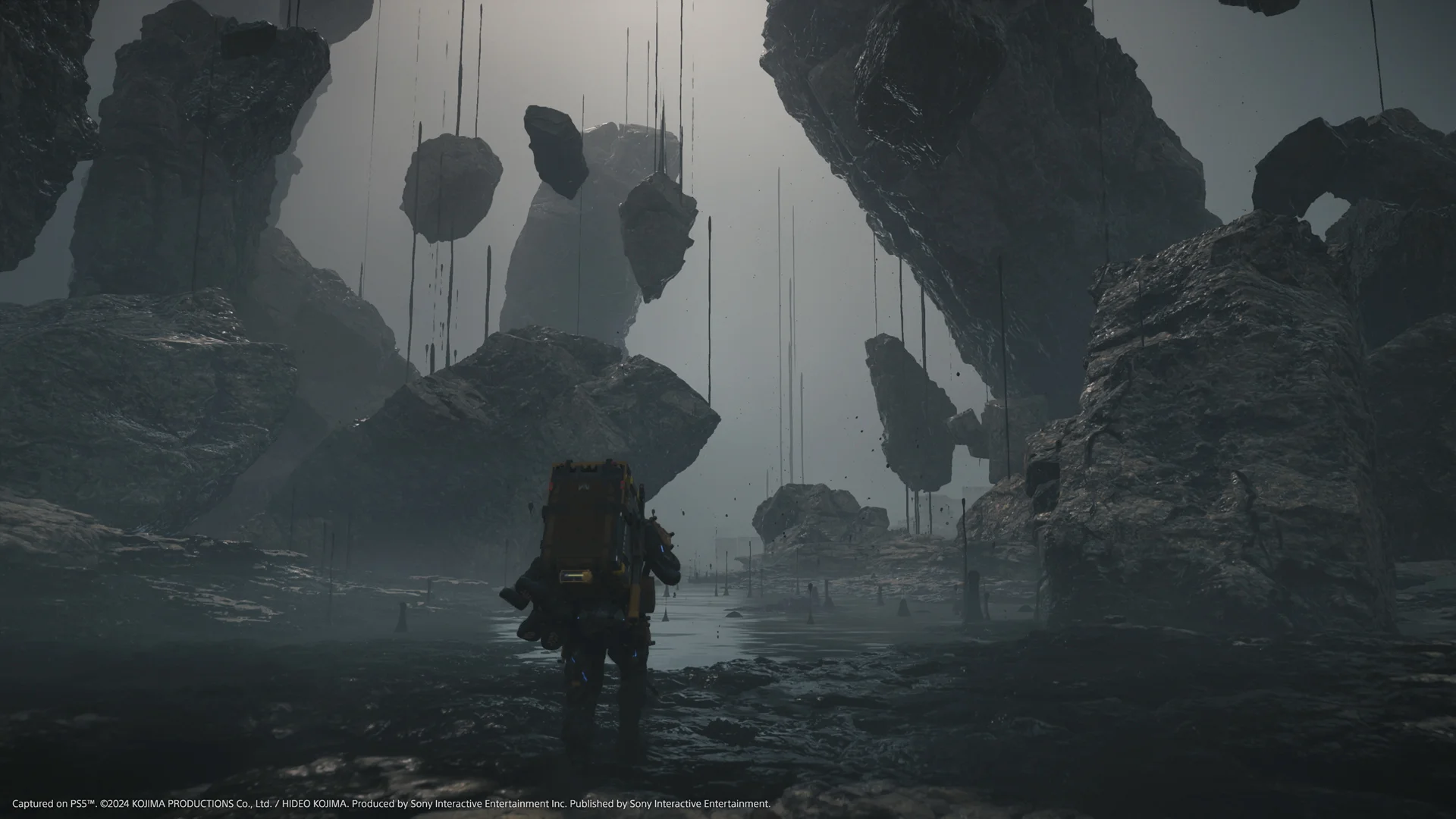
2. Death Stranding 2: On the Beach
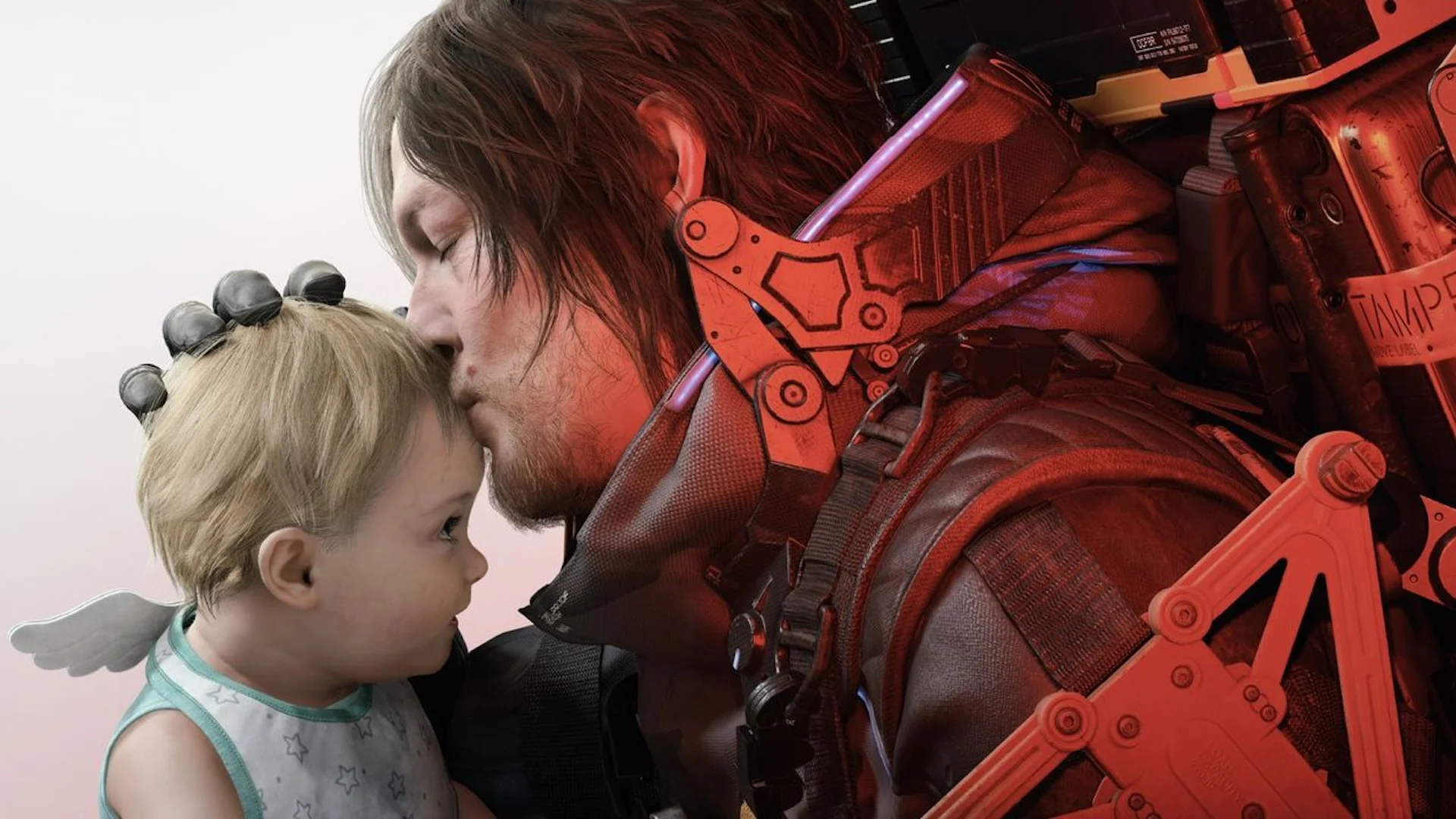
As groundbreaking as the original Death Stranding was for bringing walking simulators into the mainstream, its sequel kind of rushed to launch and was then forgotten. Something in me put it in the “why did this game need a sequel?” pile, and for some reason Death Stranding is the only Sony game with Nintendo-level pricing (no crazy deals for the sequel post-launch), so it went into my “I’ll probably miss out on it this year” pile.
But I didn’t miss out. I got it for my birthday and have been enjoying it. Matt reviewed the game and gave it 5/5 (see review), and I’d agree it exudes quality. But I’d disagree on one fundamental point: the artistic indulgence. The game doesn’t deliver it the way I’d hoped.
The original Death Stranding made me a Hideo Kojima believer because of how it appealed to my desire for video games to create emotional connections. To use a different example instead of my usual broken-record reference: Golden Sun on the GBA does this in its opening rain sequence. The weather becomes a character in itself, and the urgency of action creates a lead-in that, without it, could have easily made Golden Sun just another RPG. This example works better when discussing Death Stranding because audio design is crucial to its sequences, which was something the original incorporated brilliantly. The sequel, however, didn’t make waves with its opening sequences and feels more like a middle act rather than amping you up.
The saving grace that created that fundamental emotional connection for me, putting this in the category of a game I’ll finish, even though it’s a good game that should be finished regardless, is the location. Set in Australia, the strand plays better with the environment and Aboriginal stories of the land. While the game doesn’t directly incorporate Australian mythology, as my home country it brings that knowledge with it regardless of whether it was intentionally incorporated. The strand moments felt more mysterious, and the cryptid-style designs made me think of our local myths. I’m near a famous spot called the Pilliga Forest, where Yowie and Bunyip stories are often told, and the game made me draw these connections even if they weren’t intentional.
This area has many ghost stories incorporating Australian cryptids, and if you enjoy the supernatural, it’s worth looking into. Some are tales that became local lore despite being massive yarns, while others make you wonder if something’s really out there. The Pilliga Forest Princess story, for example, can be warped into stories of Yowie figures attracting truck drivers deep into the forest for revenge. These stories shaped the area I live in and modern Australian supernatural mythology. When games use Australia as a backdrop, these stories enhance the unexplained and connect better than American mythology like Bigfoot. Though I’m disappointed Kojima didn’t come out as a Tasmanian Tiger truther and have them randomly appear, creating lore that maybe they’re out there.
The future of games as an art form, as AI and other mass-produced values devalue the industry, lies in concepts that take our modern challenges and make them adventures. Games using unconventional gameplay mechanics to tell these stories will be critical to standing out amongst the slop.
Some games coming out next year and beyond embody these ideologies, and Kojima himself is working on something new. If new titles can scratch this itch, the industry will be more vibrant than before. Darker stories have an important place in gaming, and not everything needs to be wrapped up in a bow. There needs to be more ambiguity in the purity of protagonists and the goals of the worlds we play in, but a clear vision and politics must be set by developers to ensure their work encourages positive changes in our world.
3. What I Missed
There’s a lot I missed and have yet to play, but that doesn’t mean these titles shouldn’t be on my highlight list. For many gamers, some may already be forgotten or easily buried in the playlist as next year comes around. These games deserve appreciation for what they do, and we shouldn’t neglect to pick them up before next year’s rush of new releases.
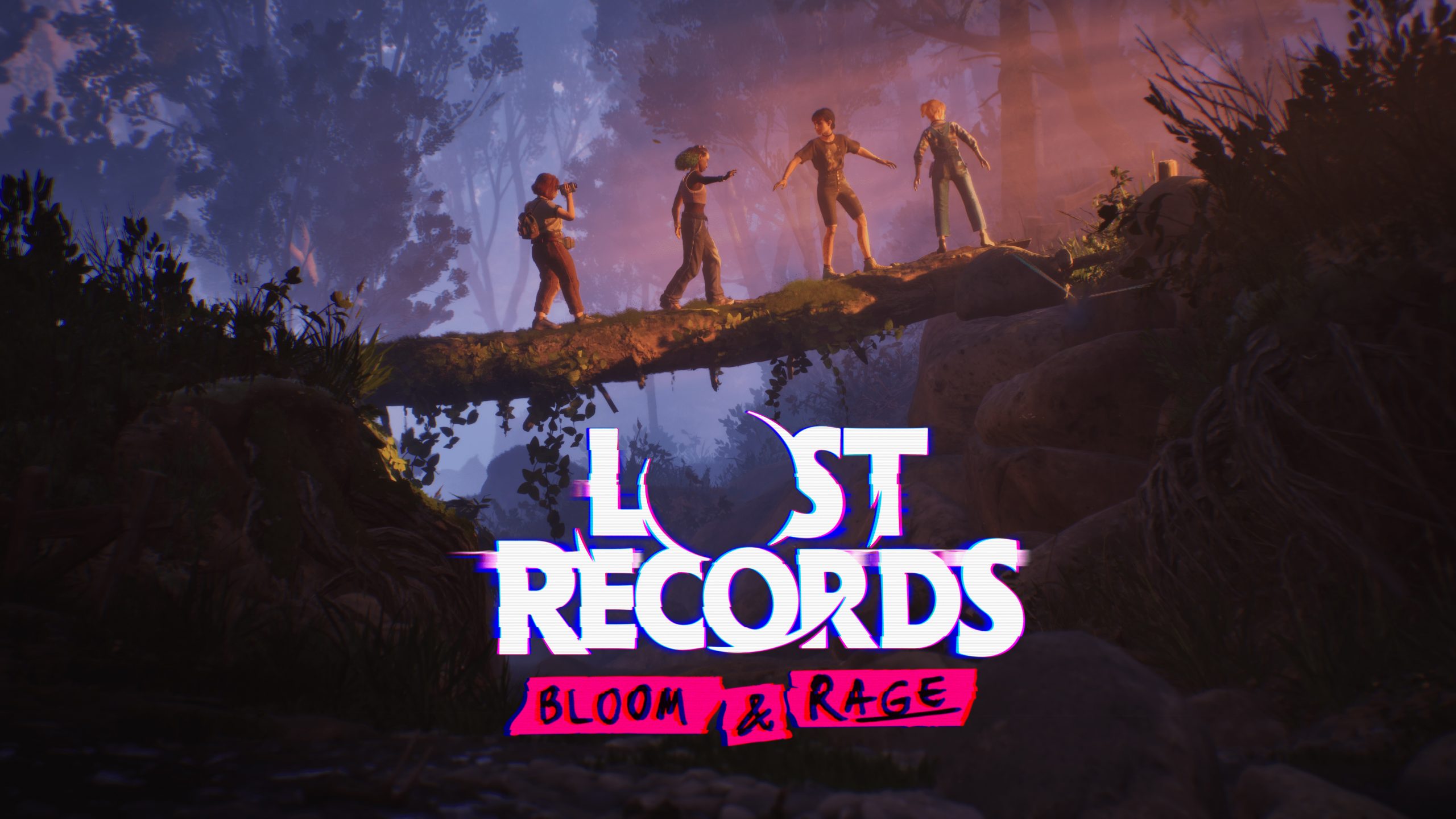
The first title in this category is one of the first major releases from DontNod since Life is Strange. With Square Enix now solely developing that franchise with Deck Nine, the original developers have moved on to publishing other titles, including Lost Records: Bloom & Rage.
I usually appreciate even the lower-rated titles in their library and have a similar fondness for CiNG titles that didn’t burn as brightly as some of their other games. So even if this title were weak, I’d still find joy in it. Twin Mirror and Tell Me Why are post-Life is Strange games from them that didn’t seem to resonate with many people, but I’m a strong advocate for both. I’d say both titles are stylistically similar to Remember Me and share similarities with Deck Nine’s Life is Strange: True Colors. The fact these titles can easily blur together didn’t help their reception.
Lost Records, however, has more favourable reviews and reception, so I won’t be alone in advocating for it. It takes 1980s tropes and dumps them into the 1990s. While I’d argue that’s the worst decade culturally (aside from the early 2000s), it’s fresh enough to make the title unique.
Don’t Nod should hopefully continue making strides in the narrative genre in 2026. Additionally, their upcoming title Aphelion will set players in space in a survival game developed in partnership with the European Space Agency, providing gamers with an experience closer to what Matt wanted No Man’s Sky to remain (see review) with a dash of their more mainstream genre takes from Remember Me and Vampyr.
This year was generally a good one for narrative-driven adventure games, with a handful of critically acclaimed titles releasing. Dispatch, Promise Mascot Agency, and Blue Prince are also worth checking out.
Narrative-driven games come with a word of warning, as writing can now be easily generated by AI to create slop or narrative paths used to enforce political propaganda rather than exploring themes thoughtfully. As we enter the new year, it’s important to examine games more critically. While avoiding AI-assisted games entirely could mean avoiding the hobby altogether, speaking up still matters even when voting with your wallet isn’t possible for every title.
Games will become progressively more difficult to verify for AI use, and just like issues such as game crunch, widespread adoption doesn’t make something acceptable.
In the new year, I look forward to narrative-focused games but remain cautious about those that devalue human roles in development. If gaming is to be taken seriously as an art form, it cannot develop with AI-generated content from glorified chatbots. Tools that perform specific tasks may eventually have their own role to play in development. However, tools or techniques that use AI to produce content for content’s sake will always devalue the player and the product.
One such AI tool from Ubisoft allows procedurally generated narrative content. This sounds great until you realise that smaller games shouldn’t need narrative elements without human direction, and larger games using it are just padding.
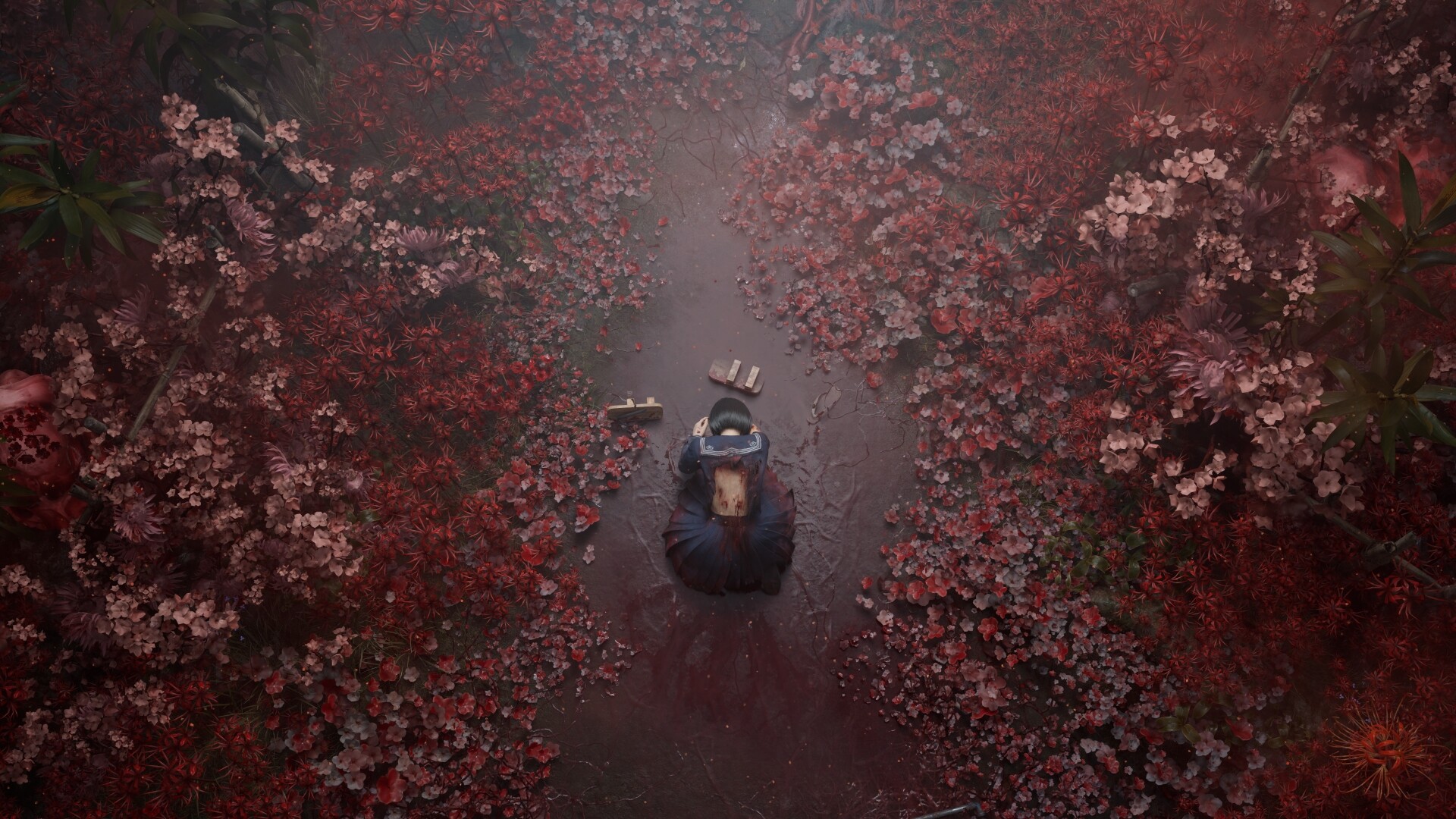
The final game I want to mention is Silent Hill f. Not since Silent Hill: Shattered Memories have I been interested in what Konami is doing with the IP.
Shattered Memories was drastically different from what the franchise was doing at the time and what other horror games were doing. Since then, we’ve gotten more experimental titles exploring story-first and psychological horror, from both indies and AAA studios. But for its time, it was special. It stood out, and it wasn’t a large time commitment.
Silent Hill, from a consumer perspective, has been up and down since P.T., which angered fans with its removal. Releases since have felt safer conceptually. More recently, however, Konami has been releasing Silent Hill games that explore what it means to be a horror game. Silent Hill f is one of them.
The rest of the team at DigitallyDownloaded.net have been advocates for unique horror experiences, and Matt has already reviewed Silent Hill f. If you want to know why it’s on my list of great 2025 games—even without playing it yet: check out his review.
4. What You Shouldn’t Miss
Finally, a look forward as I advertise an upcoming game Matt is developing. You shouldn’t miss The Last Waltz. Go ahead and wishlist it on Steam now: The Last Waltz on Steam