
Before I played Bustafellows, if you had told me that you could take the narrative qualities of noir fiction and pair it with the otome genre, I wouldn’t have believed you. As a genre, otome isn’t quite the “doe-eyed romance and frivolity for girls” genre that those who haven’t played them sometimes think. In fact, otome visual novels can and often do go to some wildly eye-opening places. However, noir is still an odd pairing. Thankfully, it worked, and it works in Bustafellows season2 as well, even if the developer and publisher forgot proper capitalisation and to add the space before the “2”.
Noir is a personal favourite genre of mine, and from Raymond Chandler to the neo-noir masterpieces like Nightcrawler, I will always find time for more of it. A big part of the appeal of it is just how loose it is with the morals of its characters, and how it then uses that as a way of holding a mirror up to society. As noted in this essay: “The character of Walter Neff (Fred MacMurray) in Double Indemnity is the perfect noir male lead. This is because he’s presented as an extremely charismatic and amicable man who, on the inside,e is truly manipulative. He’s also a morally flawed individual. Neff is complemented well by the seductive and dangerous Phyllis Dietrichson. She plans to murder her husband to collect his sizable life insurance payout.”
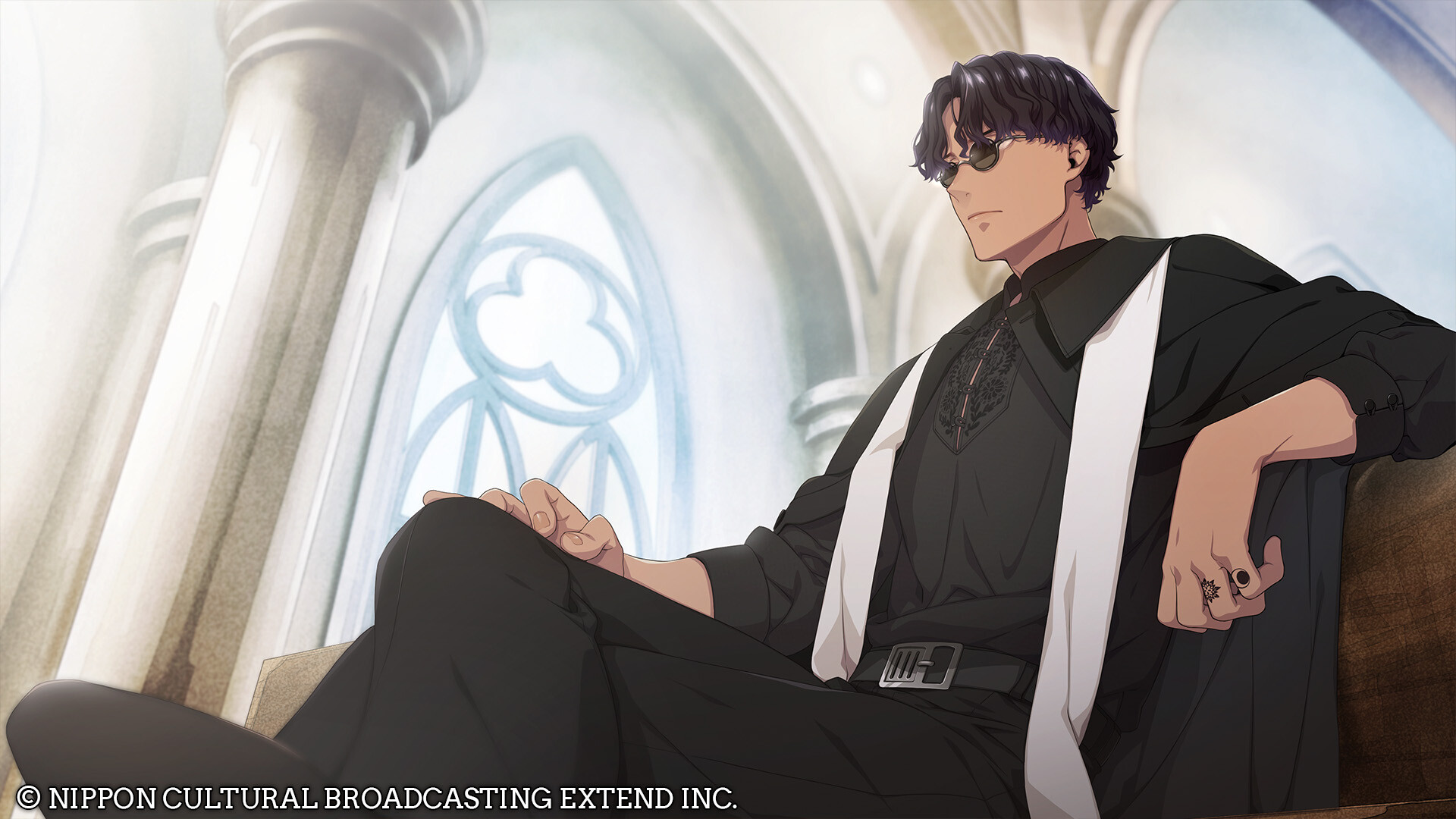
The same could be said about most of the cast in Bustafellows. Take Limbo, for example. He’s basically the antithesis of Phoenix Wright. Where Wright is consistently inspired to do good in the name of justice and the nobility of the defence attorney profession (naïve, yet charming), Limbo is the more morally compromised example of a defender that does what he needs to to get his morally compromised clients away with whatever it is they did. That he pulls it off while being so charming and likable is where the noir elements get driven home in style.

The rest of the cast all follow in a similar vein to Limbo, including the protagonist herself in many cases. Unlike many other noir tales (particularly modern neo-noir and the likes of Nightcrawler), Bustafellows season2 isn’t overly invested in dipping everything in a high-contrast darkness to ram home how black a lot of its moral musing is. The aesthetic is best described as “slick and jazzy” instead. But beating underneath that is some musing on human nature that Chandler himself would have been impressed with.
It’s also a testament to the quality of the writing that the characters can so effectively blend their close, comfortable relationships and group dynamic with the pretty horrible things that they are to everyone else that crosses paths with them. One of the most intriguing things about Bustafellows is that if you skim it, it does appear to be a bright and positive otome, as per the impression that the genre leaves on laypeople. It’s only when you start actually thinking about what’s going on that those facades, smiles, and bright anime characters start to take on new context. This, too, is excellent noir, as the genre loves to highlight how the corruption tends to exist underneath polite society.
Fair warning to everyone that might be interested, though: You absolutely must read the first Bustafellows first, to conclusion, and get the “proper ending.” That’s quite a slog (though the first Bustafellows is so good you should have done that already anyway). That 30+ hours is necessary however, as Bustafellows season2 takes off immediately after events of the first, and doesn’t provide even the thinnest of recaps to catch you up. As it’s been four years since I played Bustafellows, it was initially disorientating to try and follow the plot and the various dramas the characters are immediately going through. Once that fog cleared and I started remembering who was what, however, I settled into its rhythm quickly and was able to enjoy the narrative from then out. If you do play this before the first game for whatever reason, you should know that the introduction does effectively spoil the ending of the first.
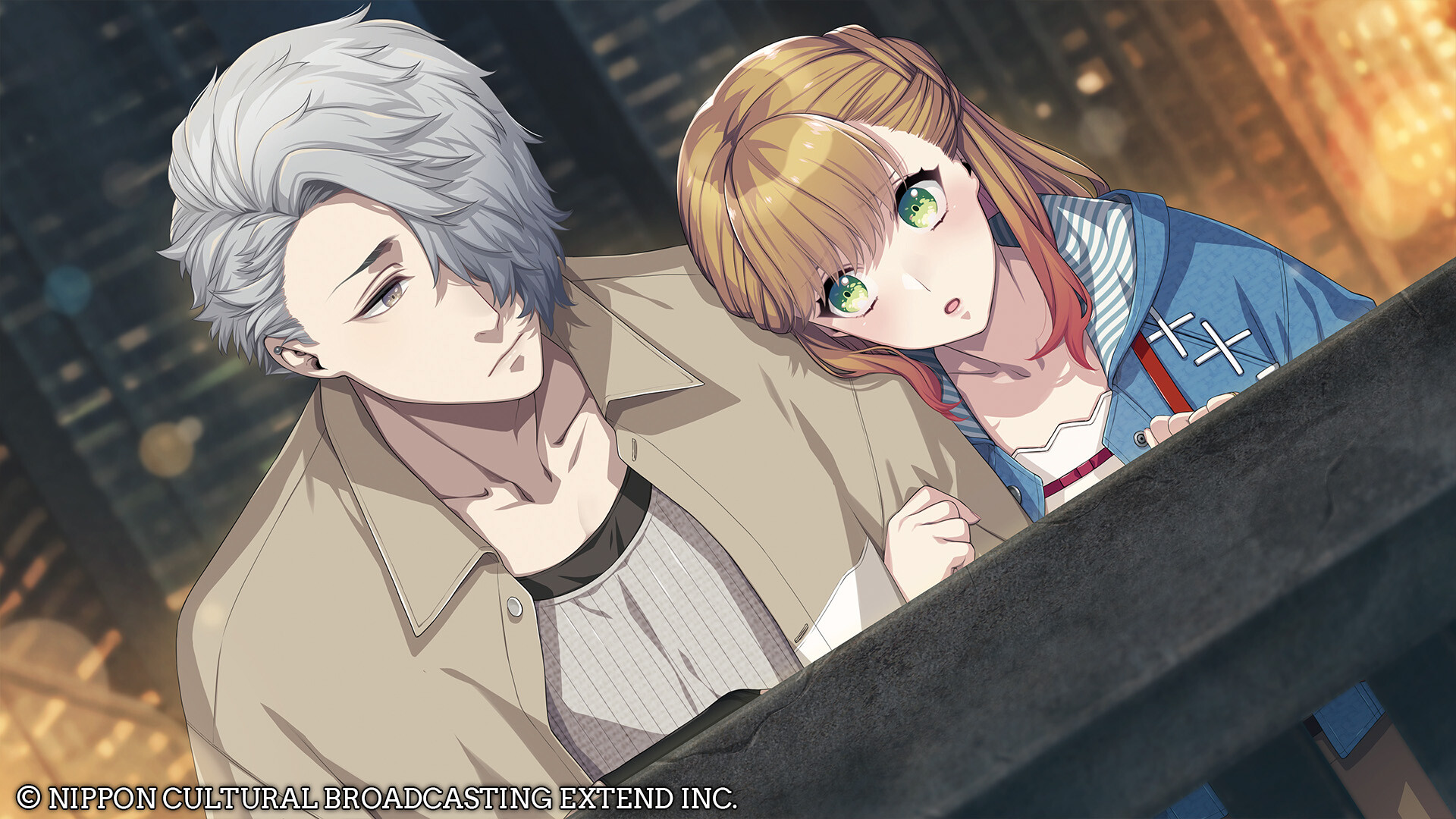
On the romance side of the narrative, one of the great things about sequels to otome games is that the protagonist no longer needs to find love (or “love” as the case might be). Instead we get to watch as the relationship starts to play out, and if nothing else means we can enjoy a story with fewer common tropes that even something as well written as Bustafellows was not able to completely break away from.
What might make some people uncomfortable, meanwhile, is how a few narrative elements will come across as uncomfortably reflective of the real world. Police violence is a particularly big theme, but what really got me was the way the game throws in a full-throated commentary on immigration. It’s pretty obvious the position the writers took, but the presence of the “debate” at all might be distressing to the many (many) people currently being affected by it all.
In fact, even in comparison to the first Bustafellows, anyone coming to the sequel because it’s got cute guys and a cute protagonise are likely to walk away thinking that this was all window dressing and the developers threw the romance in as window dressing that they were obliged to for the format, when they really wanted to explore some deeper themes. And good on them for that, but the dissonance between what the writers wanted to achieve and what they needed to in writing an otome highlights some structural limitations in how otome are made.
Was Bustafellows season2 strictly necessary? Probably not. The original was so beautifully constructed and went out with a bang. By exploring events past that bang, we do get a chance to get to know the characters even more deeply, and the story is every bit as well-written and engaging. So while it’s not strictly necessary, I am not by any means complaining about having the opportunity to dip back into this world again, either.