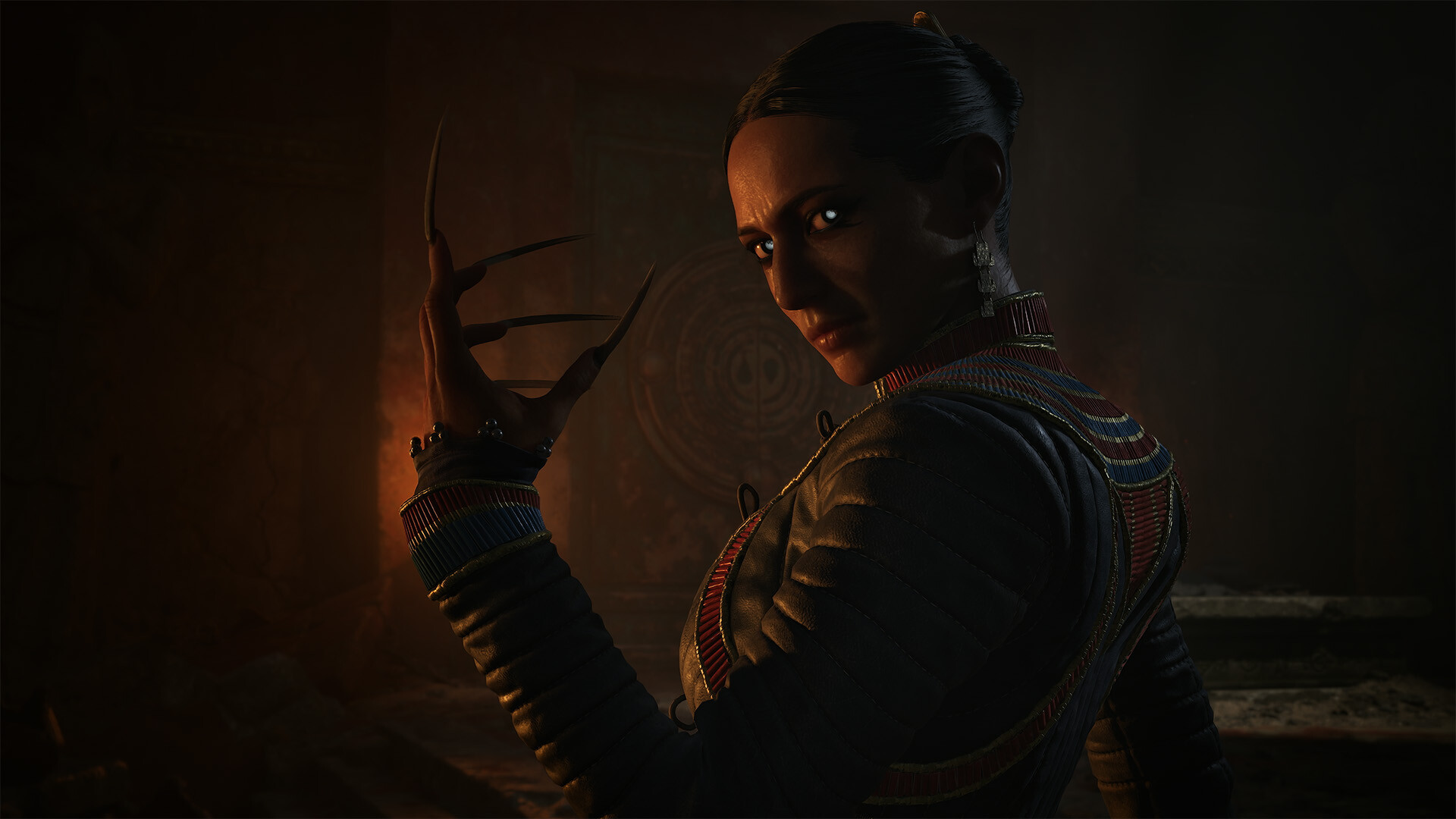


There is a comfortable lie at the heart of almost every open-world RPG. The idea that the world is ending (or some other equally dramatic events are unfolding), but all of it is waiting on you to stop it and save the day. The Blood of Dawnwalker, the debut title from Rebel Wolves, challenges this idea. Its protagonist, Coen, has thirty days and thirty nights to save his family, and the game means it. Every meaningful choice spends time, and time, once spent, does not come back.
“In many games you have this problem, a bit of an immersion-breaking thing, where you have this goal, time is running out, but you can still go and do whatever you want,” narrative writer Piotr Kucharski told me after I had played through the game’s opening hours. “You can go fishing, you can go stargazing, and the world will wait for you until you tackle the main quest. We wanted to put more pressure on that.”
The important distinction is that the pressure sits on the fiction, not on the player. The clock does not tick in real time, and idle exploration costs nothing. You can wander the world and read everything you find without spending a minute. It is only when you do something narratively consequential that the game flags the expenditure. Time in Dawnwalker is a resource you spend deliberately, and is finite.

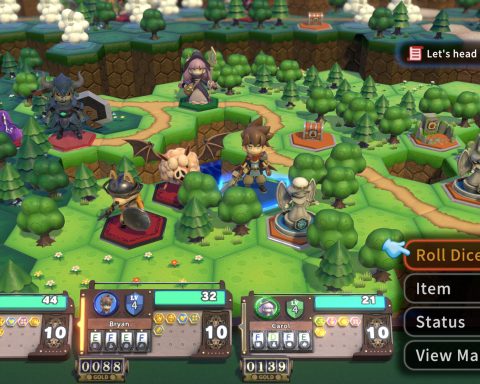
Fascinatingly, this is very similar to earlier Koei Tecmo Atelier JRPGs, before that series’ developer, Gust, decided fans didn’t want it. Dawnwalker couldn’t be more different to that cute and comfy JRPG series – this is a blood-soaked dark fantasy in its truest sense, but it is an amusing parallel between the two.
“We wanted our players to feel the weight of their choices,” Kucharski said, “but also to see that these are your choices, this is the way you craft your story. Treat it seriously.”
The consequence of this design is stark, and the game is honest about it from the first hour. You will not see everything. In the section I played, quests and optional objectives piled up faster than any player could clear them, and the “quest failed” notifications started arriving with a regularity that would read as punishment in any other RPG. That is a confronting proposition for a genre whose most devoted audience is conditioned toward completionism. It is also a proven commercial risk.
When I mentioned that Gust dropped the clock mechanic because players felt tense about racing against it, Kucharski didn’t shy from acknowledging that this might be an issue for some in Dawnwalker. “Frankly speaking, as a gamer I don’t like to be rushed. I’m one of those guys who tries to get everything.” What sold him on Dawnwalker’s vision, he said, was submitting to the premise in his own playthroughs, accepting that the game is asking you to make choices and live with them rather than simply grind your way through everything. “At the end, I found out I was having a lot of fun.”
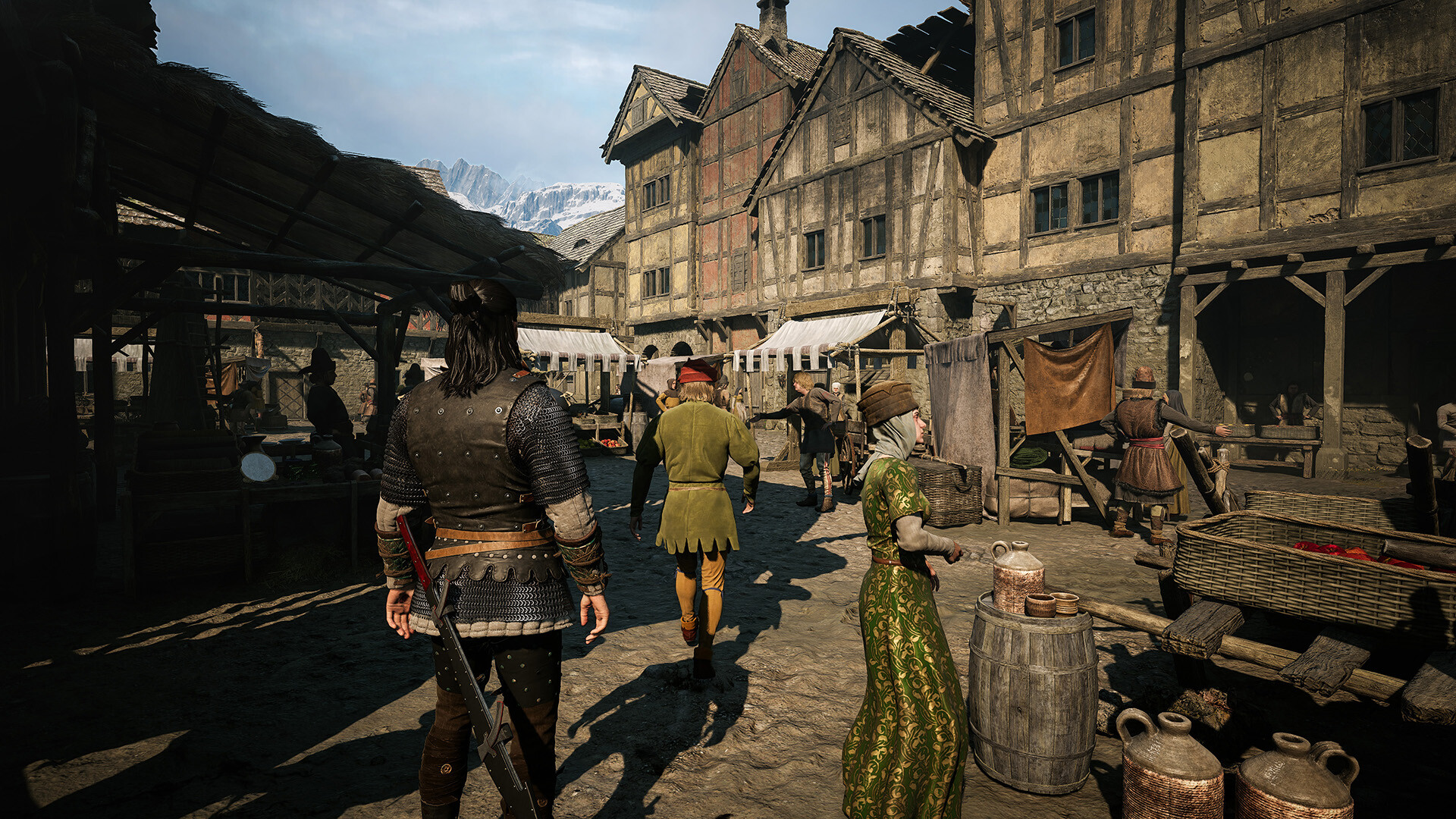
The load-bearing idea is what he calls “failing forward.” The narrative team, writers and quest designers together, have built the quest structure so that a failed quest is never a dead end. It is never a game over, never a title screen. It is simply the story unfolding differently. “We outright say you can do whatever you want to. But there is a thing going on in the world around you, and there will be consequences to how you interact with that would and move through its in time.”
The game telegraphs this most clearly in its small temptations. Kucharski described moments where a quest is all but wrapped up and a companion turns to you with one more thing, a detour or a favour or a curiosity worth chasing. Follow them and you spend time you cannot recover. In exchange you might get a new questline, or a piece of dialogue that reframes who that character is. It is a design that quietly forces a kind of triage, and in doing so it makes the player’s values legible in a way that a checklist of side content never can. Which quests you let die says as much about your view of Coen as any dialogue wheel.
In addition to Atelier, another title that I kept finding myself seeing in Dawnwalker was Disco Elysium. Not mechanically, because Disco Elysium never forces the clock on you (and doesn’t really have combat, where Dawnwalker has a lot of that). But both games share the conviction that the shape of a playthrough should be an authored expression of the player, that the road not taken matters as much as the road taken, and that a narrative’s integrity is worth more than its accessibility to completionists.
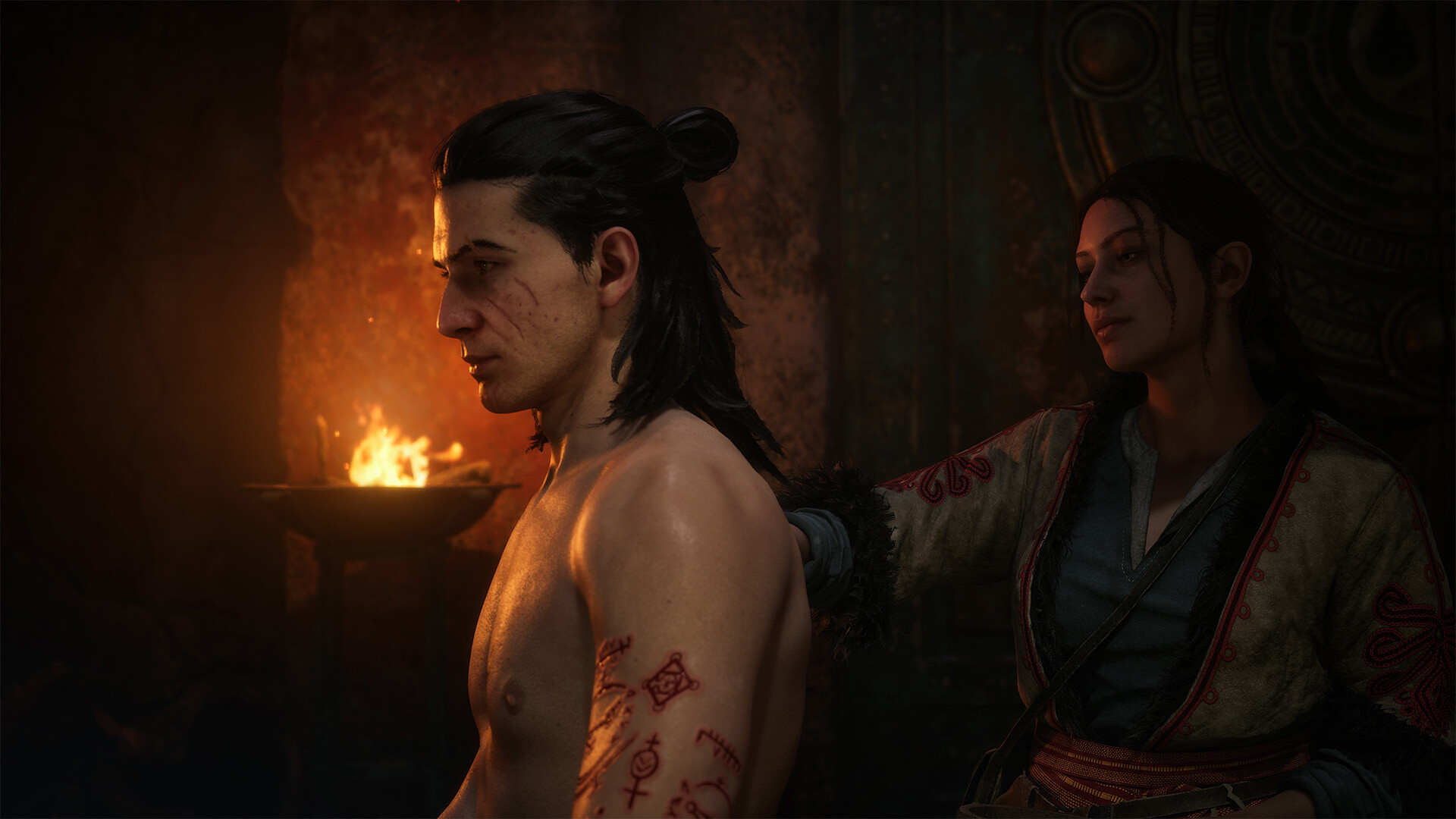
In Disco Elysium playing as a communist has a very different taste to playing as a fascist. The way that Dawnwalker’s Coen evolves is clearly going to be similar, although I only got hints of that from the preview session. He begins the game as a young man from a hard background, marked by family tragedy, and defined, deliberately, by empathy. “He knows what people are going through, what emotions they’re carrying. He sees the pain in their hearts and he’s able to act upon it,” Kucharski said.
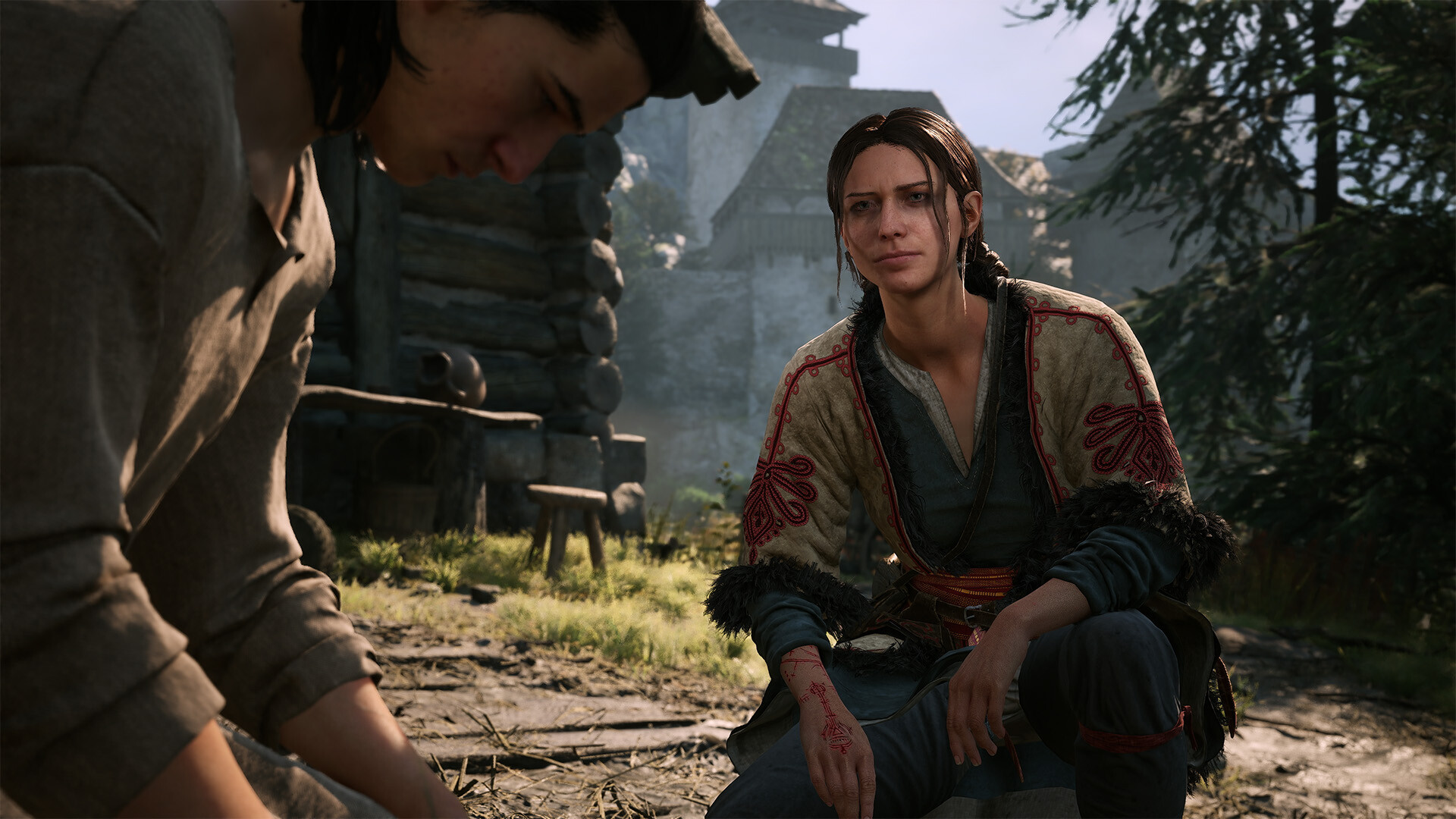
But that’s only fixed at the start. Everything after it belongs to the player. The game’s central conceit, human by day and vampire by night, is also its central moral instrument, and the question of how far Coen leans into the bloodthirsty half of his nature is left open. Remain the good son trying to save his family. Burn it all down for revenge. Or discover that what the curse really offers is the first genuine freedom of his life. “These are the questions we’d like the players to tackle,” Kucharski said.
The writing challenge, he admitted, was keeping Coen recognisably one person across all of those trajectories. “If you embrace the darkness, it happens gradually, not like a light switch. It was quite challenging, but I think we stuck the landing,” Kucharski said. Different endings follow, naturally. Things that happen to Coen, and, as Kucharski put it with some care, things that happen because of him.
What I find interesting about that idea is that this Dawnwalker is conceived as the first chapter of a saga, which raises the spectre that haunts every choice-driven series, the eventual flattening of player decisions into a canon state. By that I mean that when it comes time for Dawnwalker 2, what Coen will be the “official” Coen that players will then need to start shaping again?
Kucharski’s answer is a fact-tracking system woven through the game’s dialogue and quest design, with the intention that saves carry forward into future instalments. He was happy to have the structure compared to Mass Effect, with the caveat that the games in his series may be set centuries apart, meaning that the recurring character texture might be different. “Many people will be dead,” he noted dryly, “so it’s a bit easier for us.” The instalments are meant to stand as self-contained stories, connected by buried lore and returning figures the team has already sketched out. The promise, in his framing, is that when you start the second game, you will recognise that you are continuing your playthrough, not resuming a developer’s.
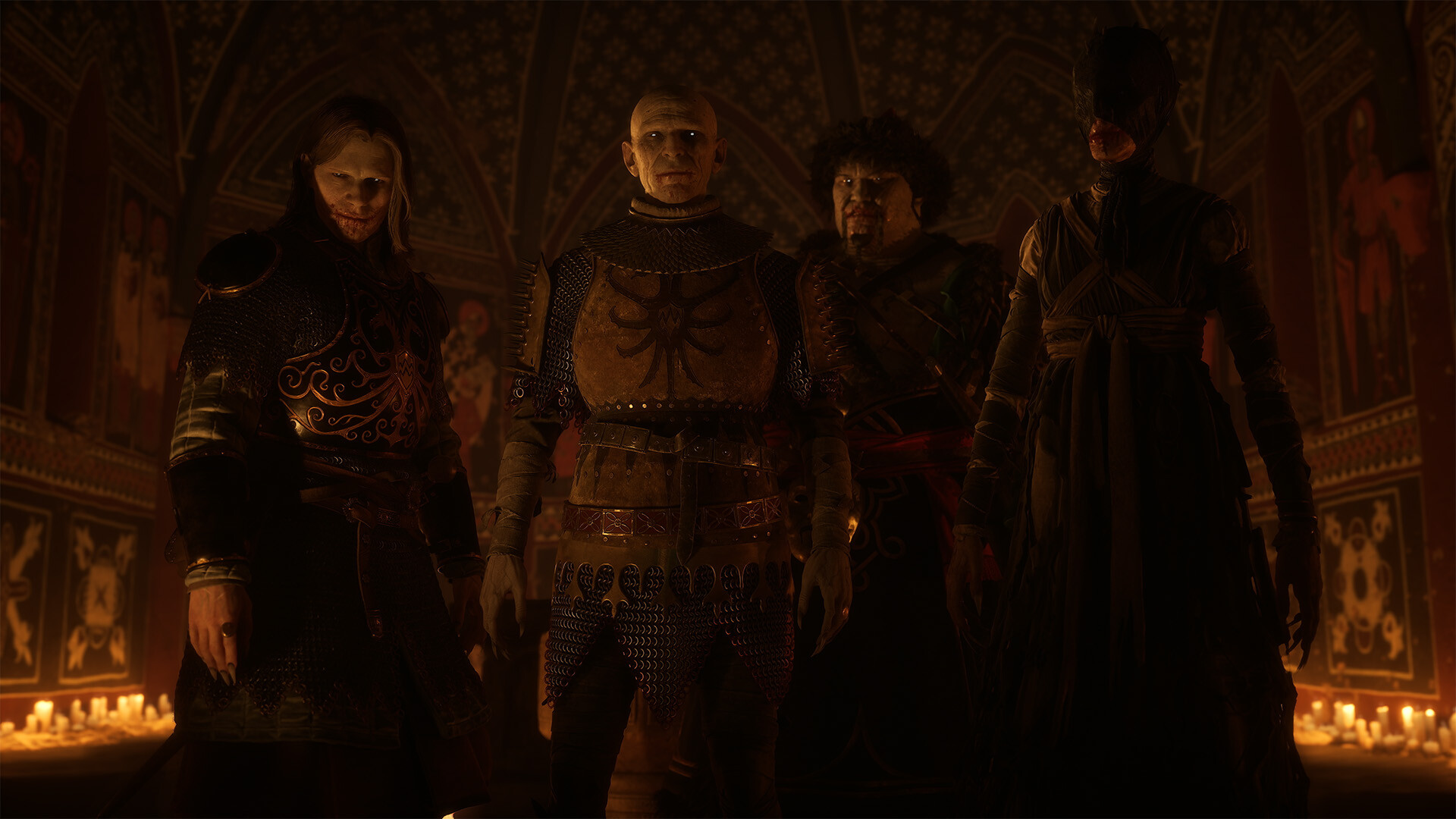
Even within a single game, he is untroubled by the reality that large parts of it will go unseen. “I’m really fine if players don’t even see some of the quests I wrote,” he said, a remarkable thing to hear from a writer. “To me, the game is all about creating your own experience and your own path. There is no right or wrong way to play, and every playthrough will be a valid one.” He pointed to the long afterlife of secrets in older games, the discoveries that surface a decade later and reignite whole communities. “Probably someone will see it at the end of the day.”
If the structure is the game’s argument, the setting is its atmosphere, and it is a canny choice. Vale Sangora is an invented region of the Carpathians, Romania-adjacent, or perhaps closer to the Slovakian or Polish stretches of the range, which is to say precisely the territory the entire Dracula tradition emerges from and which, oddly, almost no vampire game has actually inhabited. The mountains offer practical conveniences too, naturally corralling an open world without resorting to invisible walls.
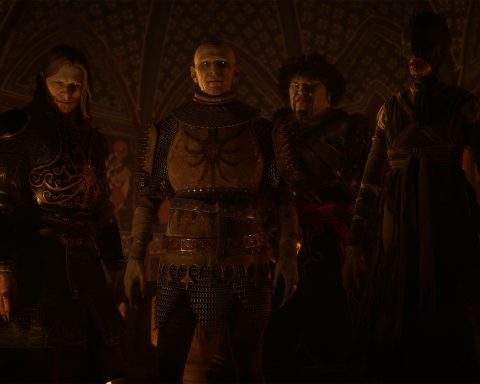
Meanwhile, Rebel Wolves’ approach to the history is pragmatic. The team have aimed to be accurate wherever accuracy does not obstruct the story. Characters reference real events of the period, readable letters are drawn from genuine historical figures, and the team dug into primary sources for texture. Kucharski’s own research for the game’s cathedral sequence, glimpsed in one of the first gameplay presentations, involved reconstructing what a medieval mass actually looked like, prayers included, before letting the fiction warp it. “The vampires changed some things,” he said. “They incorporate religion to use for their own needs.”
The folklore gets the same treatment. It is drawn heavily from Slavic, Balkan and Romanian tradition, then twisted so that even the folklore literate will not have the answers in advance. Some of the research was less archival. Kucharski, an avid hiker, holidayed in Romania last year, and the Polish Carpathians are close enough for the team to simply walk into. The game’s mountains, he said, feel like the real thing, and the artists worked from real vistas.
Overall, my sense of the game is that the developers are quite genuine about their intent to offer something that puts the story first, and systems in service of it. There is a willingness to let the player experience the game on their own terms, which is both something that every open-world developer will claim, but is harder to back up when you’ve got a specific story that you want to tell. It’ll be interesting to see if The Blood of Dawnwalker can deliver on the mission, but my early impressions of it are very positive indeed.


The atelier comparison doesn’t really work imo. Atelier is a cosy cutesy game where the world wasn’t at stake. The time management aspect was a complete paradox to the rest of the game. In Dawnwalker, from what I’ve seen, the story, setting and the clock ticking all compliment each other.