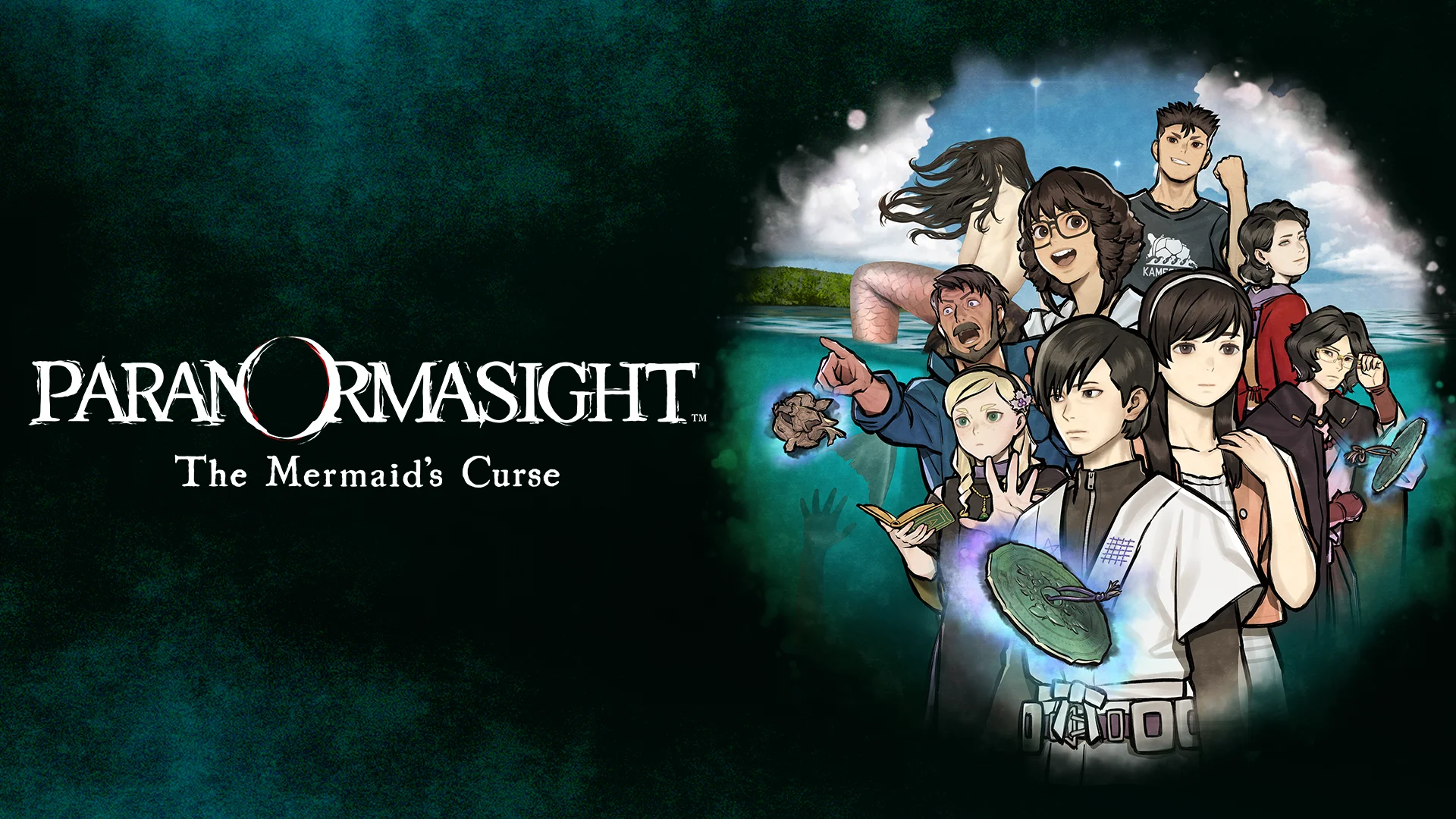


Back in 2023 (dear lord, time flies fast), Paranormasight: The Seven Mysteries of Honjo was a surprising release by Square Enix. By that company’s standard, it was a humble and straightforward visual novel, but clearly the execs had seen the success of Danganronpa, AI: The Somnium Files, Famicom Detective Club and others and wanted a piece of the pie. The result was one of my favourite games from the publisher in years. That was clearly enough of a success that we’ve got a second one, and Paranormasight: The Mermaid’s Curse does not drop a beat.
The Mermaid’s Curse follows what its predecessor set out very (very) closely. Based on actual Japanese yokai and horror storytelling traditions, and set in real locations within Japan, players are presented with a spooky, and at times intensely so, mystery to solve. In this case, as the title suggests, it’s about the Japanese equivalent of the mermaid.
Some might find The Mermaid’s Curse ponderous at times, because the writing team clearly wanted to share something about the region and the storytelling traditions that underpin this particular mystery. I suspect that most people who will pick up this game, however, especially those coming from the predecessor, will have an appreciation for that knowledge transfer, and will instead come away with an interest in visiting to see it all for themselves.

A lot of that information ends up playing into the puzzles and decisions that you’ll need to make as you play, and while The Mermaid’s Curse is a visual novel, it is more interactive than many of the others that we review at DDNet. You’ve got the ability to spin the camera around in a full 360 degrees to investigate areas, and there is even a diving minigame to enjoy this time.
Like with the previous game, time is also part of the interaction. There are various characters that you’ll play as, and each has their own, overlapping timeline of events. The way that these timelines diverge, come together, and then spin out is complex and nuanced, and it’s a fascinating example of writing that you’re able to play through and have the mystery drip-fed out to you in a way that is both coherent and places you so actively in the role of piecing it all together.
It would, of course, be very unfair of me to actually talk through any of the story beats – always an issue with reviewing a narrative-driven game, but particularly an issue with something as brilliant as The Mermaid’s Curse, because they’re not much else to actually talk about.
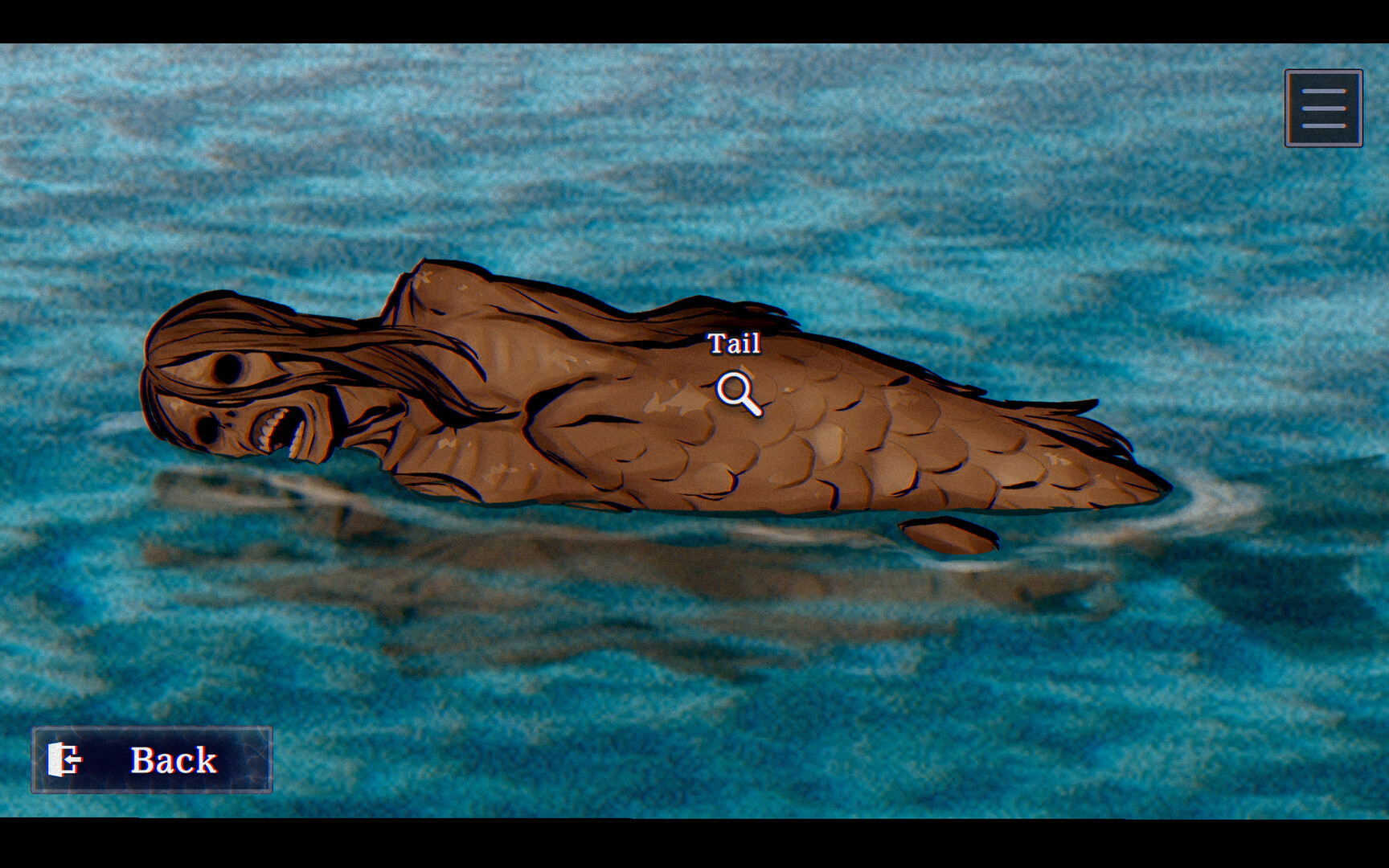
All I can really say here is to point you to my previous review and say that The Mermaid’s Curse is every bit as good as it, and perhaps even slightly more compelling. The predecessor’s “Seven Curses” concept is a relatively well-trodden urban legend in video games, and you’ve probably played at least one or two games that leverage it (possibly without realising). Japanese mermaids, however, are a less frequent topic, so the story itself comes across as a fresher mystery and even more intriguing for it.
You’ll need to work for your answers at times – Paranormasight delights in throwing the occasional wicked puzzle at you, requiring you to look at things from a very different angle. There is a “storyteller” character that will occasionally pop in and give you hints, but progress can stall at times when a particularly challenging puzzle stumps you. The brilliance of it is that you will, through some trial and error and thought, come up with a solution eventually, and it’s the kind of puzzle system that feels rewarding and earned when you do.
A couple of final notes: Firstly, Paranormasight: The Seven Mysteries of Honjo was an almost surprisingly intense experience at times, and characters can and would die in gruesome and uncomfortable ways. Many scenes were unsettling in their atmosphere, and several of the themes within the character arcs were dark. The sequel is the same, so go in prepared for that. I know that in 2026 we tend to expect horror video games to be monster blasting big action catharsis, but this is a quieter and more literary type of horror.
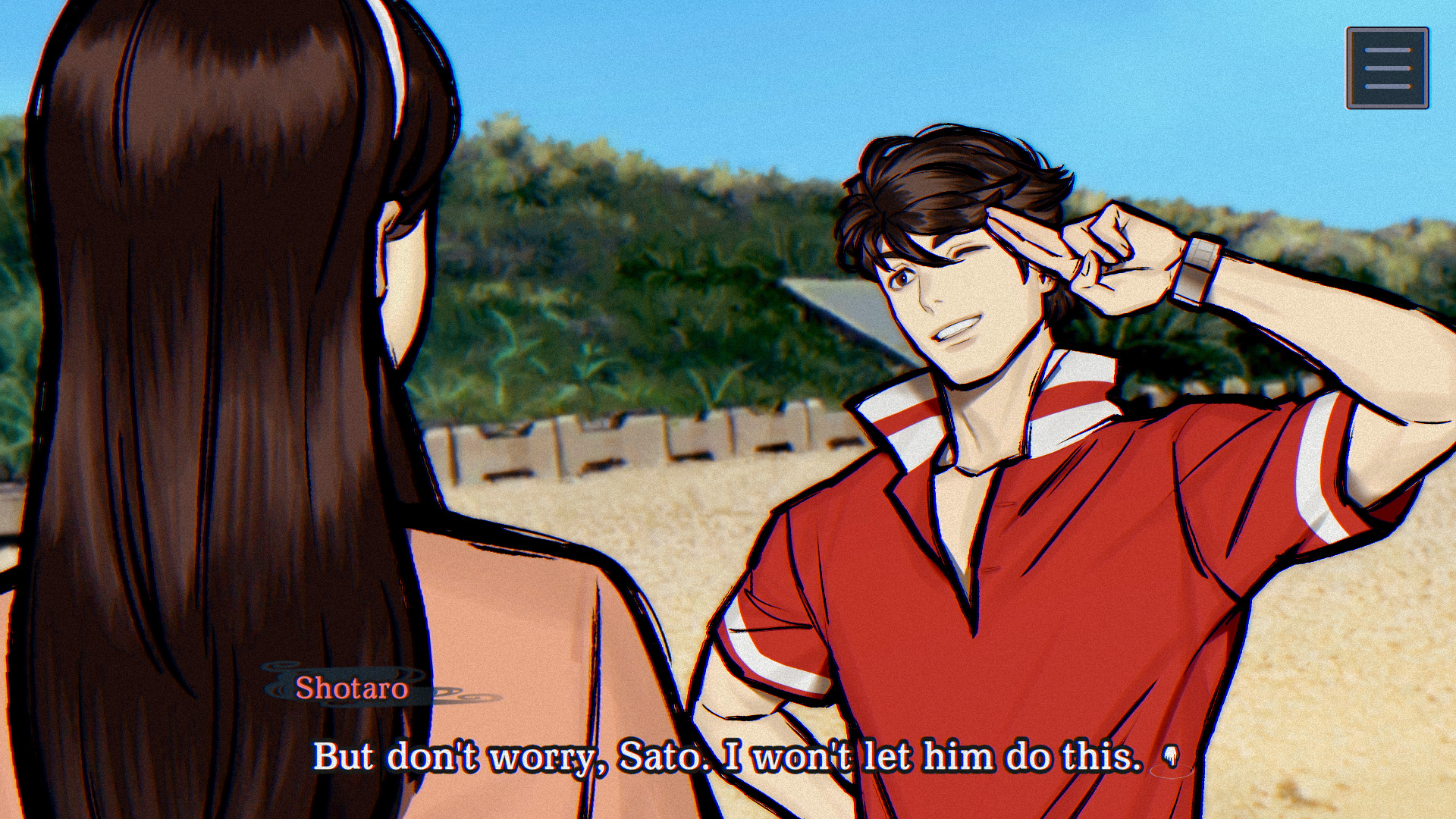
Secondly, do play the first one first. The storyteller character even tells you to at the start. The Mermaid’s Curse is a self-contained story, but the two are connected in a way that means you’ll enjoy the overall experience more if you play it in the order intended.
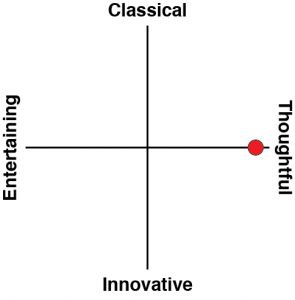
This is a shorter review, but there’s not much else to say. This is a genuinely well-written, complex, literary-quality mystery horror story that will teach you something about Japanese ghost storytelling traditions and does an exceptional job of highlighting one of the country’s more interesting, if less-visited, locations. It’s filled with intelligently structured and rewarding puzzles, and the gorgeous art really makes the atmosphere sing. I’m so very impressed that Square Enix has seen the value of these visual novels, and happy that they’ve been such creative successes. With any luck, this one is also enough of a creative success to earn a third, because there are a lot of ghost stories right across Japan that this series could go places.




Yes! I was so happy to see this series continued. Love the first game and just started this one. Another highlight in these games is the music as well. Beautifully haunting at times.
100% agreed. Would buy these soundtracks on CD to listen to while working.