
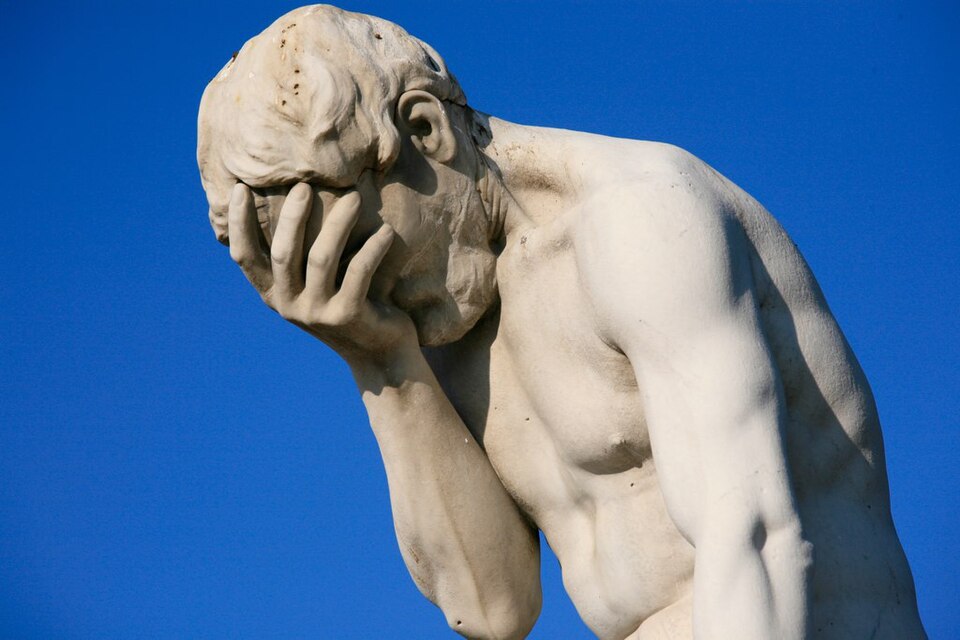
Sony has filed a patent for an AI-based technology that would allow the company to censor game content in real time. This is the latest example of the libertarian tech culture and capitalistic big business kicking the arts in the balls. In this case, with a steel-capped boot.
As described in Interesting Engineering, this patent “aims to make games adaptable to different audiences without changing their core design.”
“The patent describes AI models that scan gameplay in real time. The system identifies content that users want to censor. It then applies filters without interrupting gameplay.
“According to the filing, ‘Artificial intelligence (AI) models are disclosed to customise audio video (AV) content, such as video game content, based on user-provided content filtering parameters.’”
There’s no guarantee that Sony will follow through with this, and companies constantly patent ideas that they have no intention of actually using. If it does implement the technology, you can be sure that it’ll be written up in the most positive-sounding “consumer-friendly” terms. After all, on one level, it does SOUND good that a consumer can consume content without the content offending them and making them feel like they wasted their dollars in consuming that product. If seeing boobs offends you, you can consume the game and just have the boobs removed! If blood upsets you, you can have your Mortal Kombat but bleep out the fatalities! There won’t be a single content product that could offend any consumer on the planet! It’s the most glorious innovation for capitalism, a Total Addressable Market (TAM) of literally everyone!
This is how the suit-wearing, MBA-owning capitalists that run Sony (and all the companies that will license out this patent) think. Not once did any of them stop to think about whether this is good for the arts, or if it’s even ethical. Because who cares about the artists, right?
Here’s the thing about the arts: Sometimes art can be confronting and, ethically, we need to respect the integrity of artists and allow them to be confronting if that is their vision. And I would argue that it’s actually critical to the social role of the arts. When you find a work of art confronting, it forces you to think (shocking, I know). You need to process why it offends you. Perhaps discuss it with other people (even if that “discussion” is just to jump on Twitter and whine about it). If the artwork is particularly well done, though, by thinking about the confrontational themes, aesthetics, and narrative elements, you may learn something. You might start seeing a subject from a different perspective.
The very best artworks can actually lead to a shift your opinion on a matter and enlighten you.
I’ll give you a personal example of this happening: I used to be pretty firmly anti-euthanasia. I fundamentally believed that life was so inherently sacred that we all had an obligation to maximise the length of our lives, regardless of our health and other circumstances.
Then I watched The Sea Inside, an absolutely incredible film starring Javier Bardem and directed by Alejandro Amenabar, telling the real-life story of a writer who was left quadriplegic after a driving accident, and then spent nearly thirty years campaigning in support of euthanasia.
I found the film to be very uncomfortable. Not for sex scenes, not for violence, but the themes of the film itself directly challenged my own perspective on the matter. Did The Sea Inside directly change my views? Of course not. But following on from that film, I went and learned more about Ramon Sampedro (the person who Bardem played in the film), and in better understanding the pro-euthanasia argument I have, over time, shifted my own views on it (I now support charities that campaign for assisted dying like Go Gentle Australia).
Not all artworks change my perspective on things, of course. Sometimes I come across a confronting book or film that affirms my position on things. I read and respect Yukio Mishima’s writing, though I find it morally and ethically challenging, and I’m not about to slide towards the right-wing fascism that he represents. I read and have no respect for Ayn Rand’s writing, though I felt it was important to understand her work. I find it enormously confronting and offensive, both in terms of the themes and just how poorly written those books are, and I’m never going to become a libertarian.
The point is, art can be challenging, even offensive, and it’s important that we’re willing to experience such art because being challenged is how we build and test our own views of the world. If Sony’s little patent here has its way, that will be largely off the table with the games we play, because suddenly all anyone is going to see and experience is the stuff they’ve already decided they like, agree with, and find acceptable. What sounds like a win for consumers, that they no longer need to risk seeing something that upsets them, is just terrible for society. We already have enough of a problem with people falling into their little echo chambers and becoming increasingly militant and intolerant of anything that questions their views on something.
I’ve said it many times now, but the tech industry, which has a vested interest in making people as stupid and pliable as possible. The more mindless consumers there are, the easier it is to rake in massive profits. These companies are actively driving a tech-fuelled dark ages of poor quality information, outright misinformation, censorship, anti-intellectualism and low education. They would give us all lobotomies if they could, and this latest patent is one of the more egregious and blatant efforts to do so virtually.
Those in power have always hated the arts and artists, for their ability to inspire, inform, challenge and undermine those power structures. Never have the arts been so threatened as now, and what distresses me is that, all it takes is for them to jingle the keys by producing “fun” games or “cool” AI applications for mainstream society to buy into this hostility and ongoing assault the arts.
We’re all being played.




Well said. 👏🏽 👍🏽
Every so often I get inspired. Unfortunately too often that inspiration comes from a negative place.
Well, this was nice to see during my Christmas vacation. 🤬😭
I guess my question is, if they do implement this, and I really don’t want them to, one way or the other, but if they do, is it going to be something that’s automatically implemented or can we opt out, because if the former, I’m done with my ps4!
I don’t think it would be mandatory or anything, thankfully. But then Twitter doesn’t need to be mandatory for Twitter to have an enormously negative impact on our culture. I am very worried about where these tech corporations are moulding society, even if there are people like us that would never personally sign up for it :-/
This isn’t libertarian, this is safe-space, “content warning” Tumblr culture slipping down the slope that was warned about 15 years ago.
Funny how people tend to blame capitalism for what wannabe socialists promoted not that long ago.
If you ever sincerely uttered the phrase “all art is political”, this is your doing.