

When it ain’t broke, don’t fix it. And in the case of Hideo Kojima games, they’re never broke. Konami’s new Metal Gear Solid Delta: Snake Eater is a very different kind of project to the Silent Hill 2 or Resident Evil remakes that really turned heads in recent years. This title is a textbook case of a development team too timid to try much of anything with it. But then it’s also one of the greatest games of all time so I’m glad they didn’t break it.
Delta is, of course, a “remake” of Metal Gear Solid 3, a title that is either famous or infamous for having cut scenes that run on for so long that it is clear that Kojima aspired to be a filmmaker before turning to games. It’s a pity that the discussion about the plot often gets reduced to that point over how long the cut scenes are, because Metal Gear Solid 3 also has a lot to say about war… and a lot of criticism over how certain countries conduct themselves with regard to the military.
As this excellent essay on the Metal Gear series as a whole states: “At its core, Metal Gear isn’t about winning, or doing your duty, or enjoying the spoils of battle after beating up a bunch of people because some middle-aged guy in a beret told you to. It’s about humanism. It’s about empathy. It’s about finding things to cherish in life despite its horrors. It’s about breaking the cycle of violence you’ve been forced into by leaving the world a slightly better place than it was when you got there. And, cheesy as it may sound, it really is about love. Loving others! Finding a capacity for love you didn’t even know you had! Loving the world and wanting to make it better on your own terms, not the terms you’ve been given by someone else.”

It is so enormously rare to have works about war in any medium – let alone games – be genuinely willing to be critical of war. While there are plenty that claim “gritty realism” or go out of their way to show how violent and cruel battlefields are, that’s usually done in the context of celebrating the valour of the soldiers or justifying one side of the conflict or another as a light in the darkness. Each Metal Gear game, and especially 3/Delta, has a very different texture, and if you’re capable of sitting through those cut scenes and actually pay attention, you’ll walk away from this experience in a pensive and reflective mood.
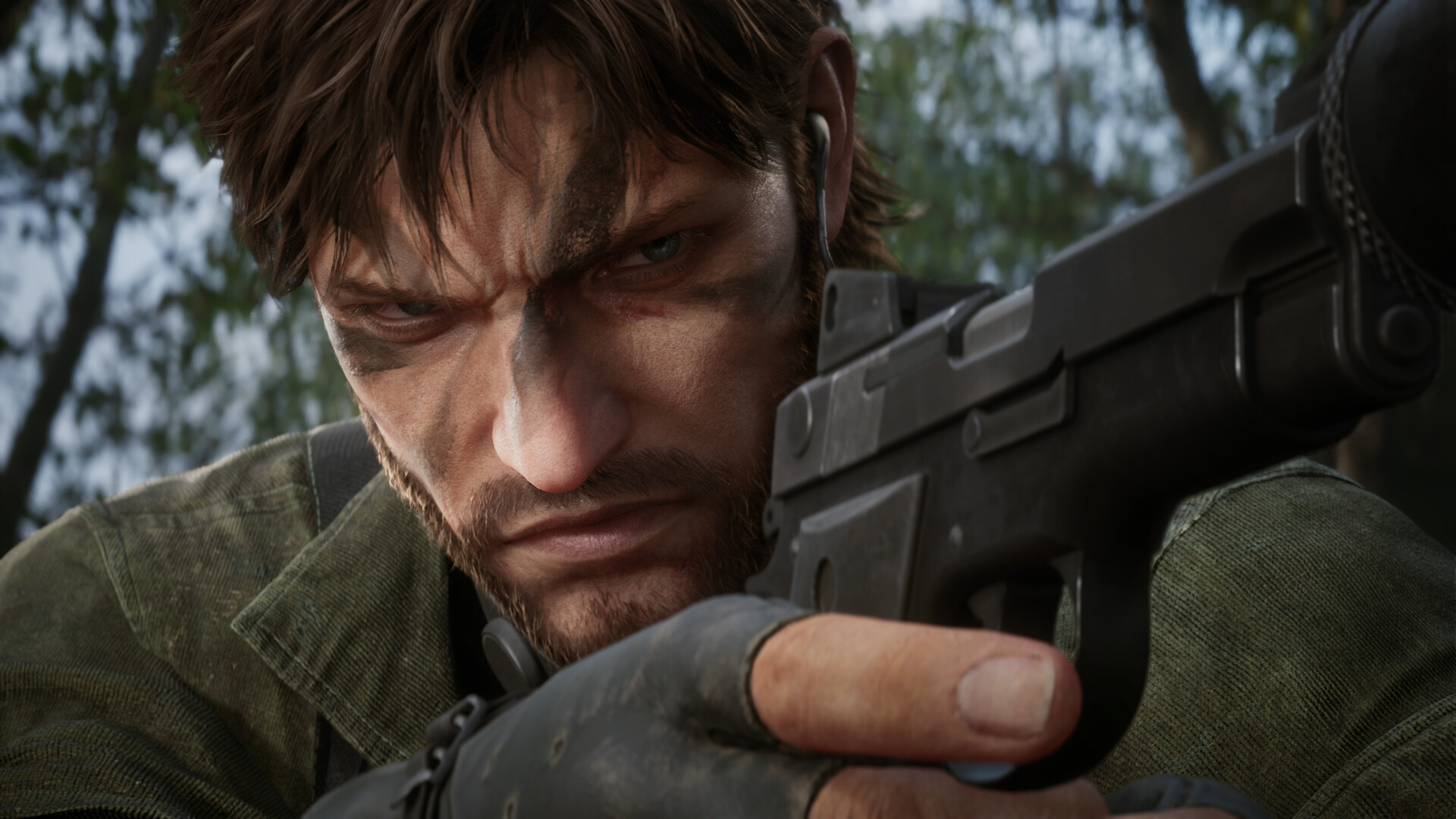
Helping nail home the cinematic quality of the game is the fact that Delta is stunning to look at. The development team may have focused all their efforts on this exclusively, but it was worth the effort. The animation quality, art direction, and environments have all been polished to the point that you wouldn’t have known that the base of this was released back on the PlayStation 2. This thing looks and feels native to the PlayStation 5, though it does perhaps push the hardware a little far, as there were times that even I – a guy who struggles to care about the difference between 30 and 60fps, noticed slowdown.
The other big change – really the only other big change – is that you do have the option of playing the game with a revamped control and camera system. Flicking that option on makes Delta play like any other modern third-person action game, and I would argue is a much better experience, especially given the intricate stealth system and complexity with which enemies are arrayed throughout the environment. It’s not easier by any means. In fact, the shift in perspective makes fully monitoring the environment even more important. It’s just more enjoyable and immersive… though you can revert to the traditional option if you’d rather.
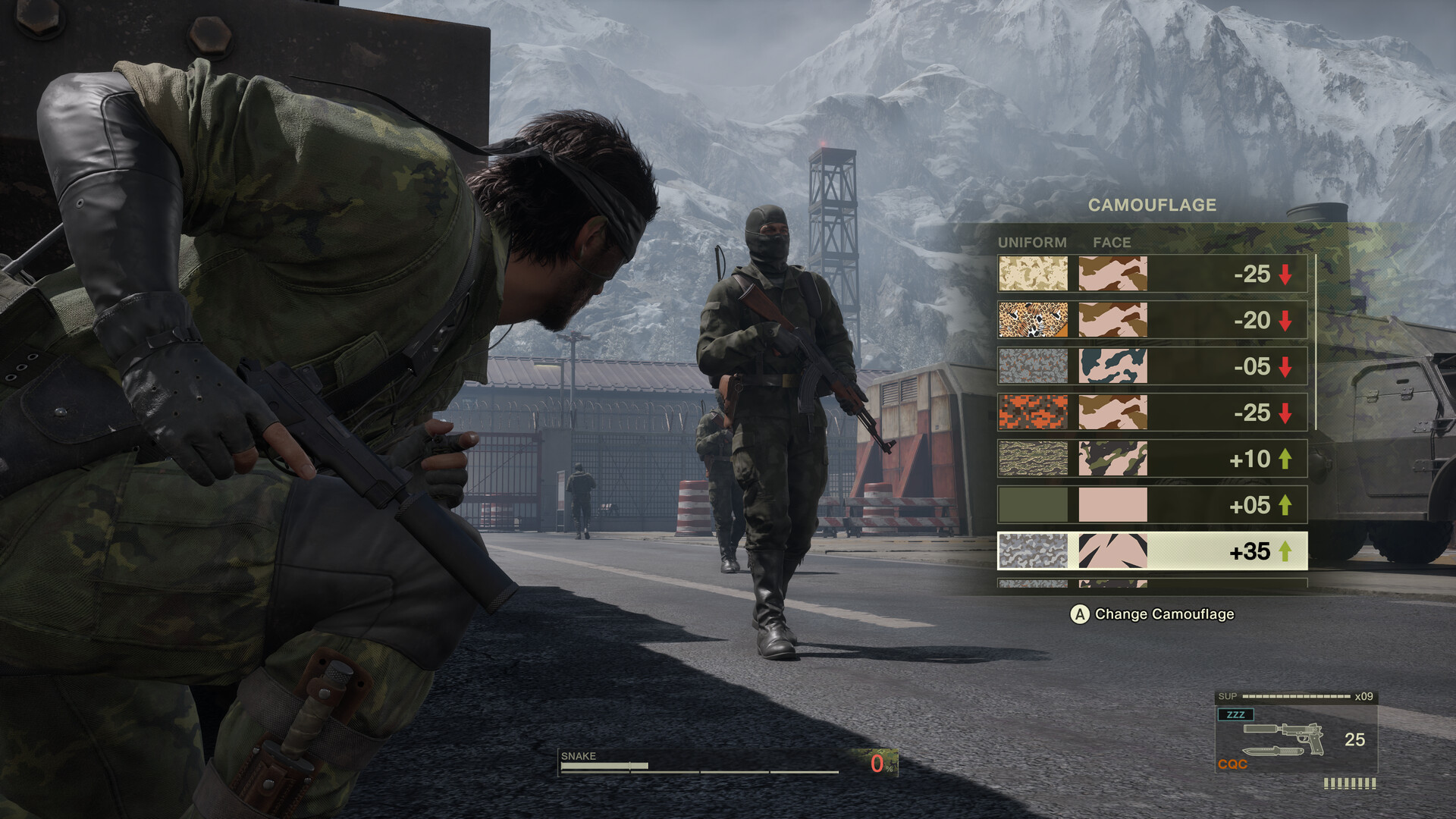
There are some other tiny incidentals that have been thrown in. The camouflage system is a minor, yet welcome, quality of life improvement, as Konami has made it easier to swap between costumes on the fly. Given how often you do need to change camo, those seconds saved do start to build up. There are also some additional collectibles for the completionists.
That is it for Metal Gear Solid Delta, though, and this puts us in something of a conundrum. On the one hand, we’re talking about the game that is to Kojima what Dr. Strangelove is to Stanley Kubrick (i.e. the masterpiece in a resume that basically has no misses). Even considering how brilliant Death Stranding is, Metal Gear Solid 3 is just something special, meaningful, and important as a work of art. It’s hard to see how anyone could improve on it, so it didn’t really need a “remake” in the way some other titles do. On the other hand, this really isn’t a new game, and while it wouldn’t be fair to say the remake’s efforts were “lazy,” it’s also hard to shake the feeling that where the Silent Hill 2 remake was exciting by virtue of how new it was, this is just that game, that we’ve already played and loved to death, in a prettier dress. But hey, if you’ve somehow not played Metal Gear Solid 3 before, this is going to blow your mind.