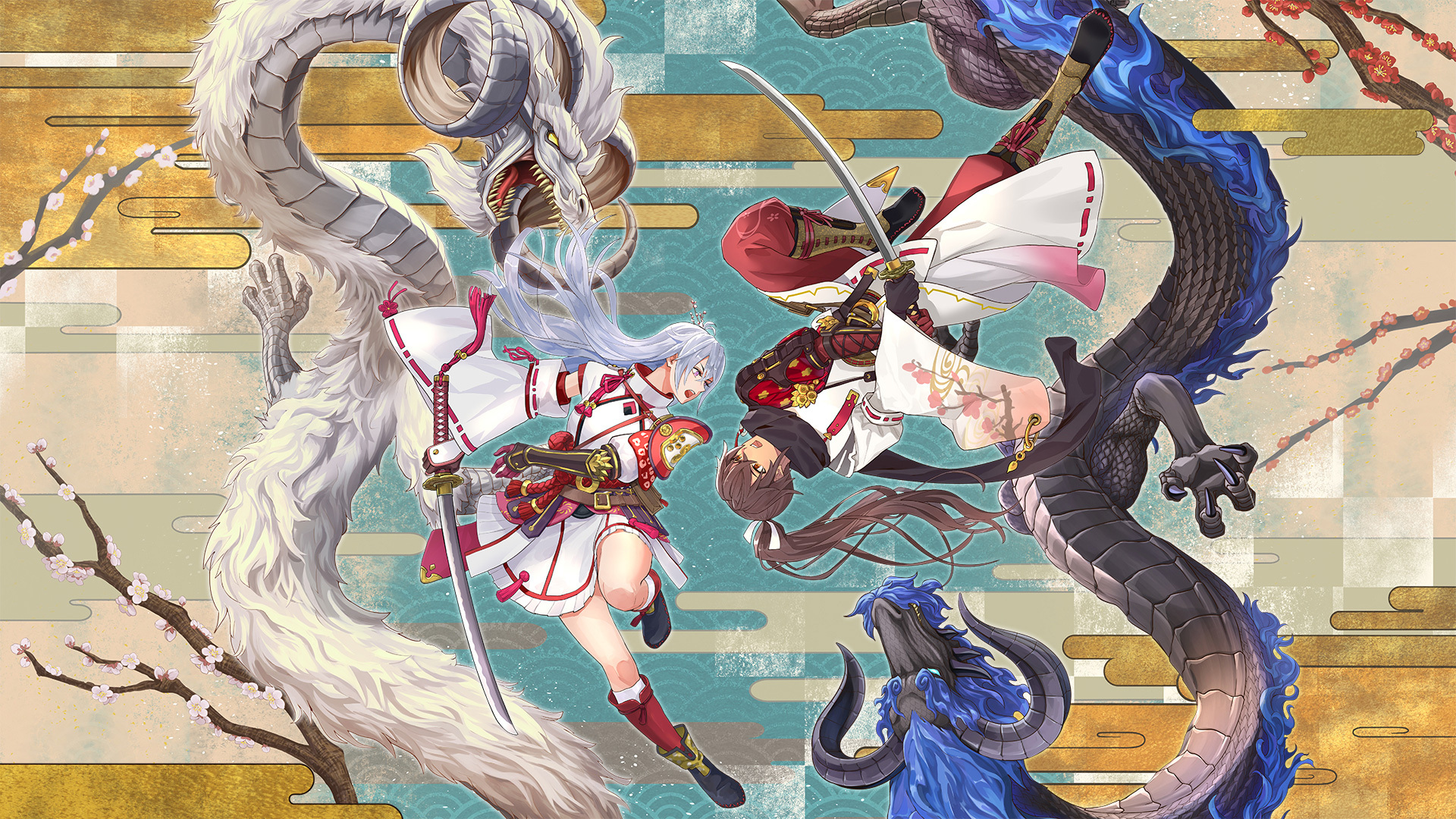


Once upon a time, Rune Factory was a simple matter of asking “What if Harvest Moon had some combat bits?” That was perfectly adequate in its own right, because it did add a fun way to take a break from farming and small-town socialising and to flex some muscle, but no one would have said that they were particularly heavy hitters within the JRPG genre. That’s been steadily changing over time, however, and this new one, Rune Factory: Guardians of Azuma, really does a great job of blending it all together.

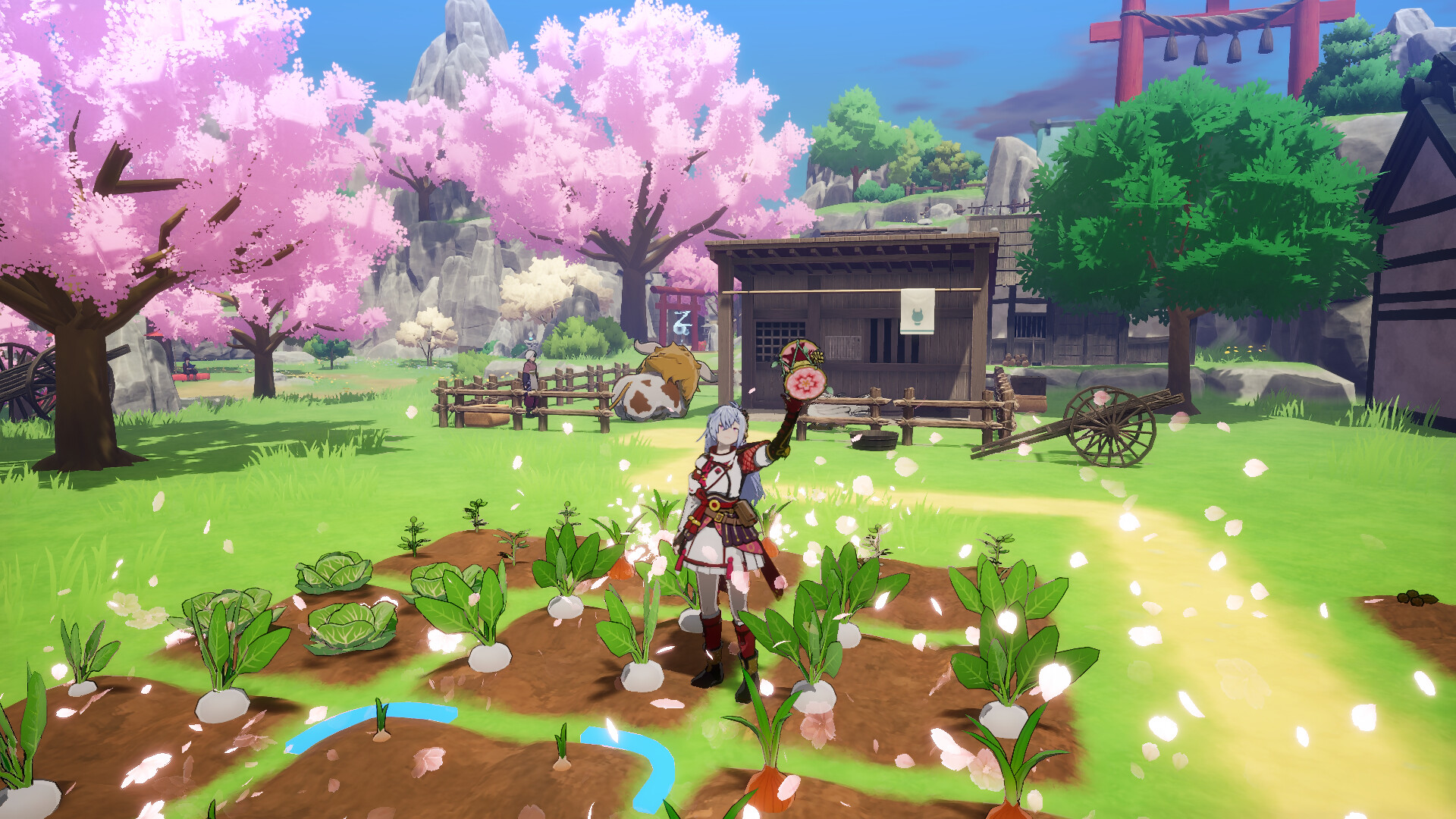
Before we get into that, however, the first impression that Guardians of Azuma leaves is exceptional in its own right. The series has always had the anime aesthetic in the characters and monster designs, but the towns themselves have been fairly culturally non-specific. Guardians of Azuma goes in a different direction. The four villages that you’ll spend all your time in (when not wandering and fighting your way around the open world), are quite specifically Japanese, from the Torii Gates, to the clothing, to your own protagonist’s role as an “earth dancer” – a quite specifically Shinto-coded community role even if Shinto is never specifically named in the game (I can’t remember if the character’s belief system is ever actually named or not).
Does this different setting make any real difference to how Rune Factory plays? No, not really. There are new features in the game that we’ll get to, but it didn’t need to be culturally specific to apply. And yet by the same token, it’s hard to shake the feeling that not only this Rune Factory, but every one that comes after it, really should be designed the same way because, indeed, the entire series should have been like this.
For those who aren’t so familiar with Shinto, it is an animist faith, whereby everything has some kind of spiritual power. This means humans and animals, but also inanimate objects, plants, art, and just about everything else you can see in the world. Regardless of how you feel about religion, there is something appealing about the philosophy of animist faith, because it encourages people to have a deep reverence and respect for everything in the world, whether it be something they hunt and consume, something they make, or something they might otherwise harm. This is a digression, but that’s why the Japanese have things like kintsugi, or the art form of repairing broken pottery pieces. It’s practical, as it means you’ve not lost a bowl or plate or whatever, but it’s also a spiritual exercise for them in recognising the spirit and vitality of that bowl.
The point I’m getting at here is that Guardians of Azuma embraces the Japanese heritage, and so suddenly, all the small actions take on a deeper cultural meaning. One gameplay mechanic requires that you revitalise the world by doing an earth dance for plants that have shrivelled following the influence of a dark dragon. This is akin in tone and theme to kintsugi. Farming itself is presented as a spiritual activity, and the spirits of the land now have a cultural resonance. There is thematic value to actually setting a game in a specific location of the world, and Guardians of Azuma capitalises on that to give you something that doesn’t just look aesthetically stunning, but it feels like it has a real weight to go with it.
The other thing that the Japanese are well known for is having a strong sense of community and a communal work ethic, particularly in the smaller towns. This plays out in Guardians of Azuma, too. Early on, you find yourself thrust into the role of the head of the village, and before long, it becomes clear that you’re going to have a lot of things to juggle. Thankfully, as you develop the village, the locals help you out in a somewhat pseudo-management style. You set down the foundations, and then residents take up the operation of the town from there. They’ll run the stores and tend to the crops for you. Thematically, it really works and gels well with the Rune Factory formula. Practically, it also helps to ease back on the repetitive tasks that have held this series back for some players. Doing the same busywork day in, day out can cause a game to drag. However, here there’s much more room to set-and-forget the more tedious activities so you can focus on the bigger picture stuff… which just happens to be more enjoyable anyway.
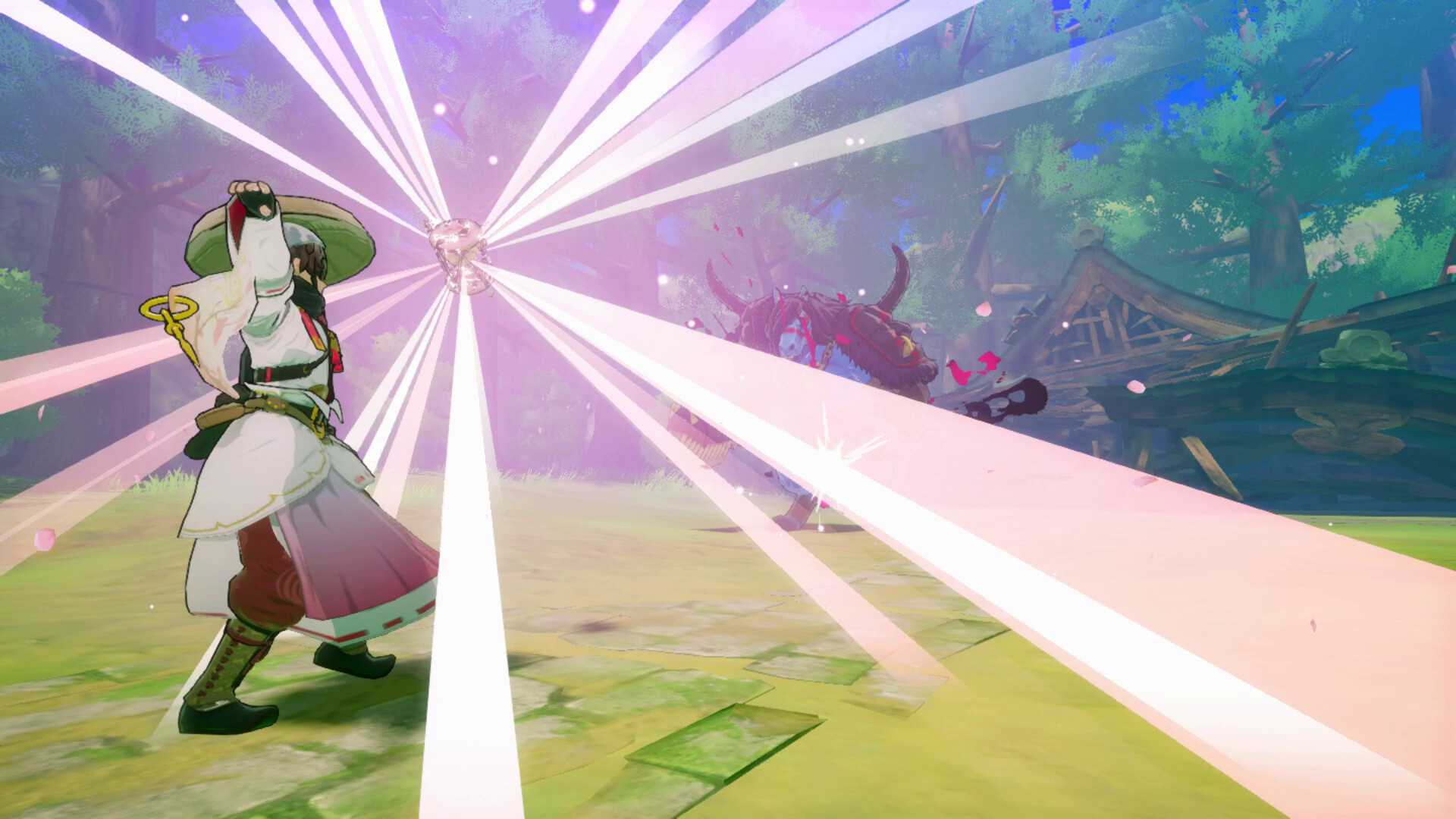
In other words, you have plenty of room within your day-to-day (which does tick by in a reasonably paced real-time) to go out, explore, and fight enemies. Guardians of Azuma has a fairly nice-sized open-world map, filled with icons to track down. It’s also got a decent combat system, with some fairly fast-paced hack-and-slash combat. Positioning is particularly important to defeating enemies, and especially with the bosses, there has clearly been some thought put into making sure that each encounter has its own unique quirks to sort out.
Just don’t expect any of it to be particularly challenging. Even on the highest difficulty setting, Guardians of Azuma is a comfortable experience that isn’t aiming to stress or test players. That’s okay! Not every game is there to compete with the Souls series, and indeed, if you weren’t breezing through Guardians of Azuma, you would think that the combat designers had missed the overall point of the game. Rune Factory has always been about laid-back, casual play, and the kind of game you’d pick up over a rainy weekend or as a way to de-stress after a particularly difficult day at work. The challenge in here is calibrated perfectly for that.
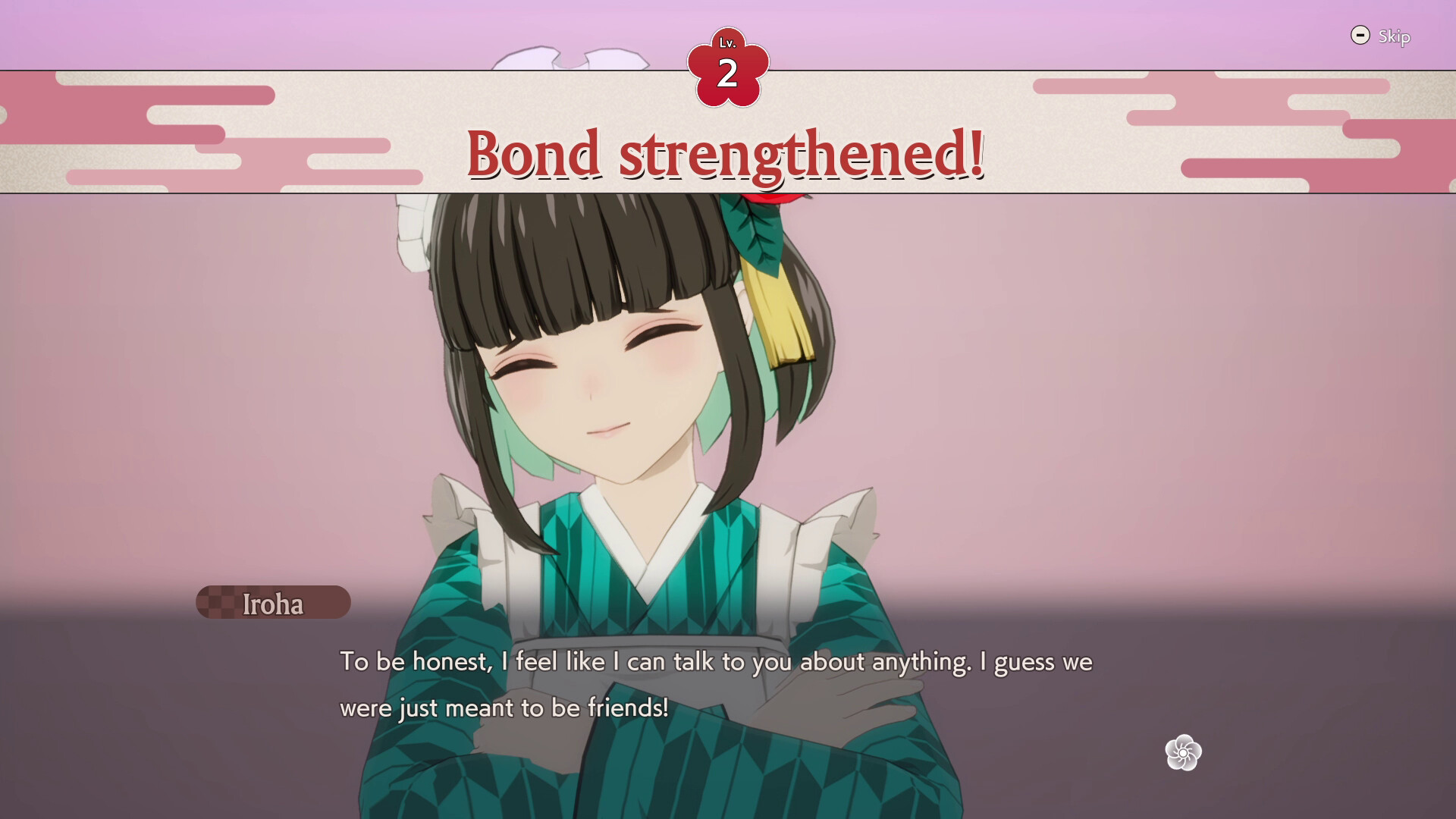
Finally, there are, of course, romance options and a large cast of characters to decide who you want to woo. These little narrative arcs feature plenty of humour and are played for the fan service of it all, but they’re also sweet and endearing. Where the main story of Guardians of Azuma is quite forgettable, the interactions with characters and your future spouse make sure you walk away with something memorable from it. Otherwise, it is unfortunate, but Azuma is far more intellectually engaging for the way it displays its Shinto themes than its explicit narrative.
Thanks to its laid-back, low-pressure vibe, aesthetic warmth and overall wholesomeness, Guardians of Azuma captures the comfort food quality of the entire Rune Factory series. Meanwhile, thanks to a vastly improved visual engine, accessible interesting combat, and an exceptional setting, it also takes a strong step forward from its predecessors. This is the strongest entry in a beloved series, and made all the more special because, after the original developer of the series closed shop, it looked like the entire series was dead for several years. This is a pretty good statement that there’s still so much more that it can offer yet.