

Hideo Kojima is the video game industry’s big auteur. The Stanley Kubrick of games. The guy who somehow gets a big budget to make his strange experiments, even when they defy the industry best practice, and as we all know, the games industry is very best practice orientated. It’s all well and good to say these things, but ultimately, they don’t mean much unless you’re going to treat Kojima’s work with that level of respect as art. It’s not something this entire industry is really equipped for.
Case in point: Death Stranding 2: On The Beach is a proper sequel. The games industry, being the overly commercialised and capitalistic nightmare that it can often be, makes sequels because popular things earn more money when there are more of those popular things. Whether the sequel pitches itself as a chance to get more of a favourite character or world, or trades on the popularity of the name itself and some common aesthetic threads, even as it changes the narrative and plot each time (think Final Fantasy), the goal is simple and pure in intent: it’s a sequel because its predecessors were popular enough to warrant one.
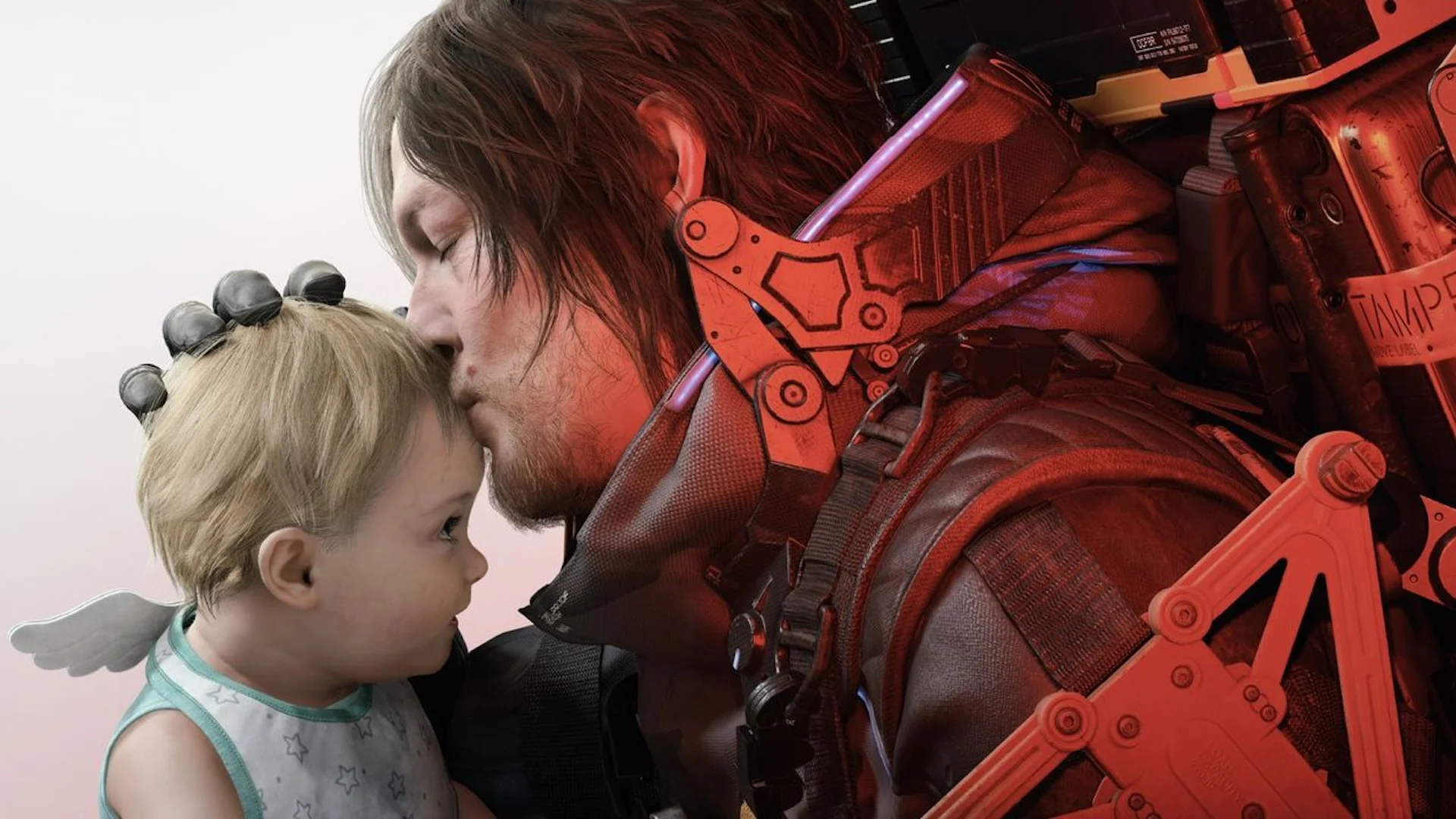
Death Stranding 2 feels very different and more akin to what a sequel really should be, creatively speaking. It is not only a continuation of the themes of its predecessor, and an excuse for most of the cast to return for another run, but it’s also a direct answer and challenge to its predecessor, too. Death Stranding was many things, but one of the most important things was that it was a game about the importance of connection, between people and societies. Death Stranding 2 is a game about the pain that these same connections can bring.
Without giving away spoilers (and it is incredibly frustrating to have this kind of restriction, because good art demands to be actually analysed, not glossed over for fear that it might be “spoiled” for someone like a football score), Death Stranding 2 tells a story of the pain of death (even by the standards of apocalyptic scenarios), betrayal, manipulation, deceit and imperialism. These are all things that a people and societies risk opening themselves to when they allow themselves to form connections. The question then becomes “well, is it worth it?” and most of Death Stranding 2 is focused on puzzling through that question, with the kind of complex, weaving narrative that only Kojima could deliver.
It must be difficult to perform in a Kojima production. Where cinema and television alike both tend to aim for a kind of straightforward realism in the performances, Kojima’s writing has a distinct rhythm and cadence to it, and it is densely layered with meaning, overall being more akin to the more complex end of theatre. If it were not performed well, it would come across as very stilted, and uncomfortable rather than intriguingly unnatural. Whether it’s names like Deadman or Die-Hardman, dialogue that is very clearly self-aware and often very dry in humour, or a litany of science fiction terms that are used as though everyone (including the player) is familiar with them from the opening moments, Death Stranding needed excellent performances to “sell” it.
While they don’t share any particular themes, Kojima’s writing often reminds me of Anton Chekhov’s, and it comes down to how difficult it is to actually perform their scripts. I’ve had the fortune and misfortune of seeing both an excellent and an utterly terrible performance of The Cherry Orchard, and the terrible one didn’t come down to the quality of the actors as much as the simple fact that they struggled with delivery, and so Chekhov’s beautiful language came across as stilted.
Kojima’s theatrical style could have done that, but thankfully the combination of professional actors and directors avoid that problem entirely (and as a side note I love the way Kojima basically got his ideal dinner party table of filmmakers together to get them into this game – between Miller, Del Toro and Refn in particular he has an incredible taste in films). Some of the lesser roles do struggle and hint at just how badly the wheels could have fallen off, but the major performances all nail the rhythms that give Kojima’s writing a distinct and elevated quality. Something so incredibly rare in video games.
Overall, it will be fun to read people’s essays and analysis of Death Stranding 2 in about a year or so when people can do so without fear of being rapped over the knuckles for spoilers. All I can say right now is that the intensity and intelligence of this game is both a continuation of the first Death Stranding, but also a clear case of Kojima challenging himself and playing devil’s advocate to his central thesis. It’s mature and thought-provoking, loaded with symbolism and metaphor, while also being entertaining when it needs to.
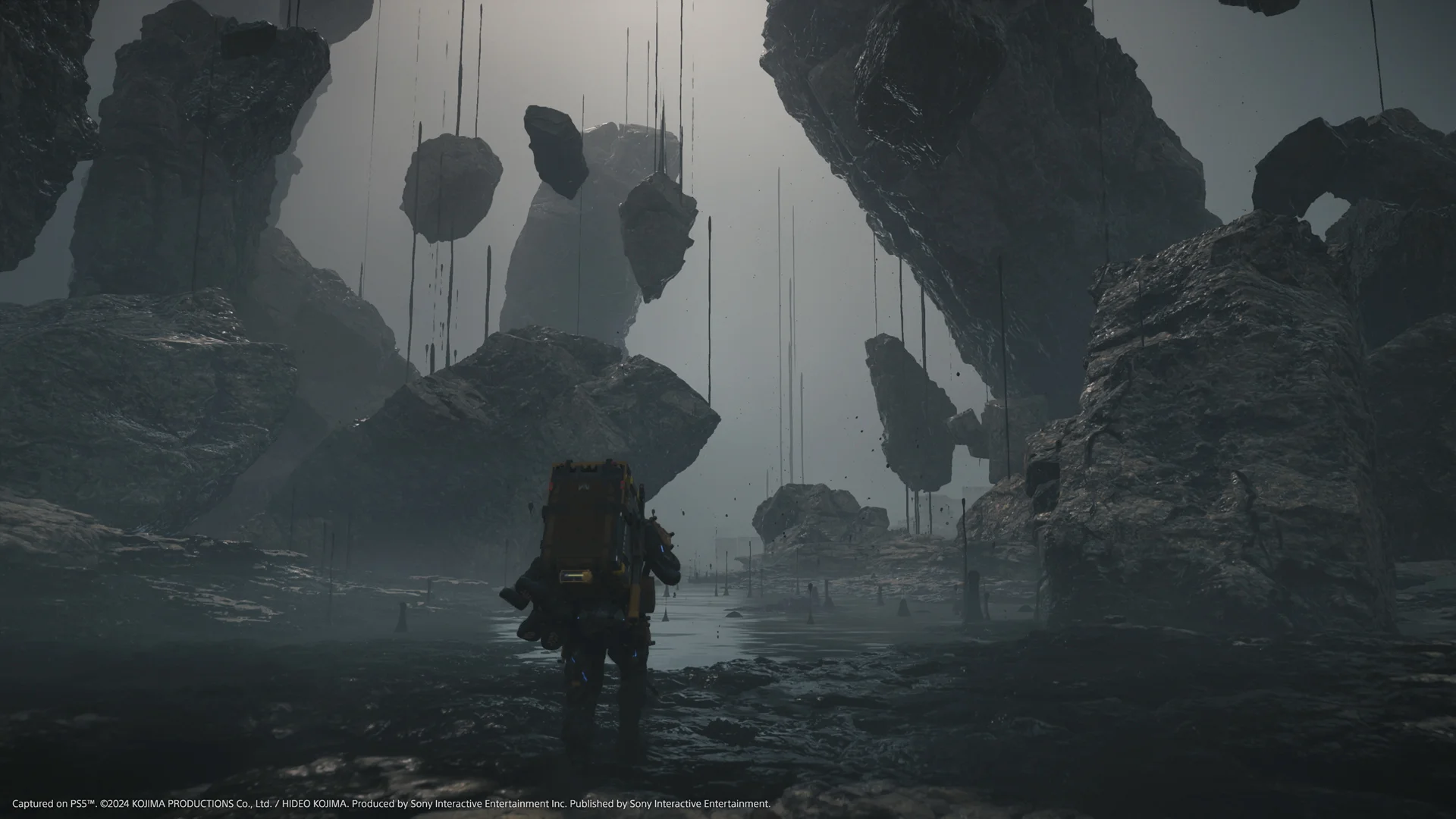
As something to play, Death Stranding 2 is an extension, too, without being much of a deviation from its predecessor. The core focus is still on taking packages and manually couriering them from one location to the next, wandering across a desolate landscape as you do. After a “brief” intro in Mexico, it’s largely set in Australia (and quite effectively so), so it has a different set of aesthetics, and consequently does feel fresh, even as you’re doing the same thing, hour after hour.
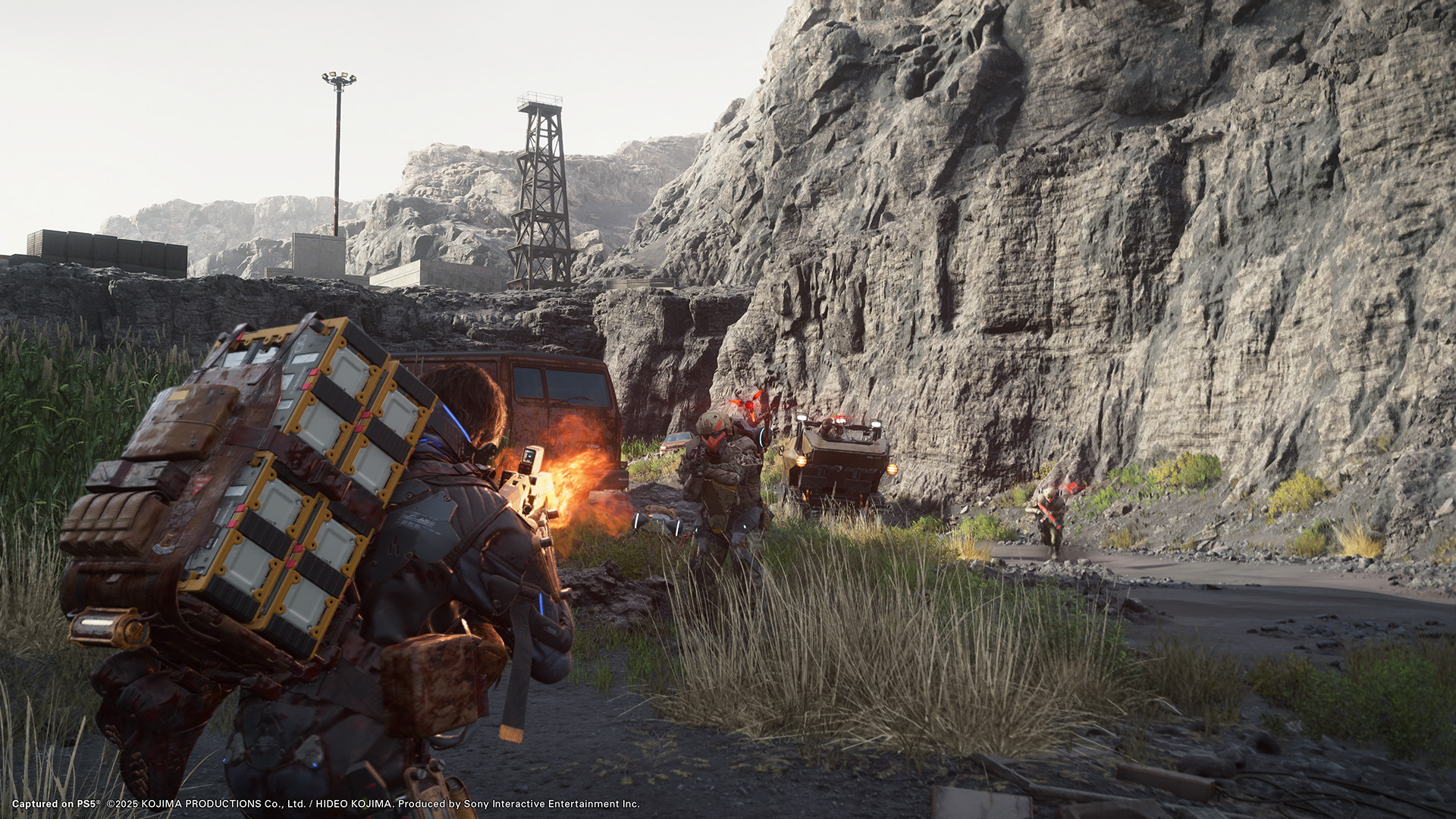
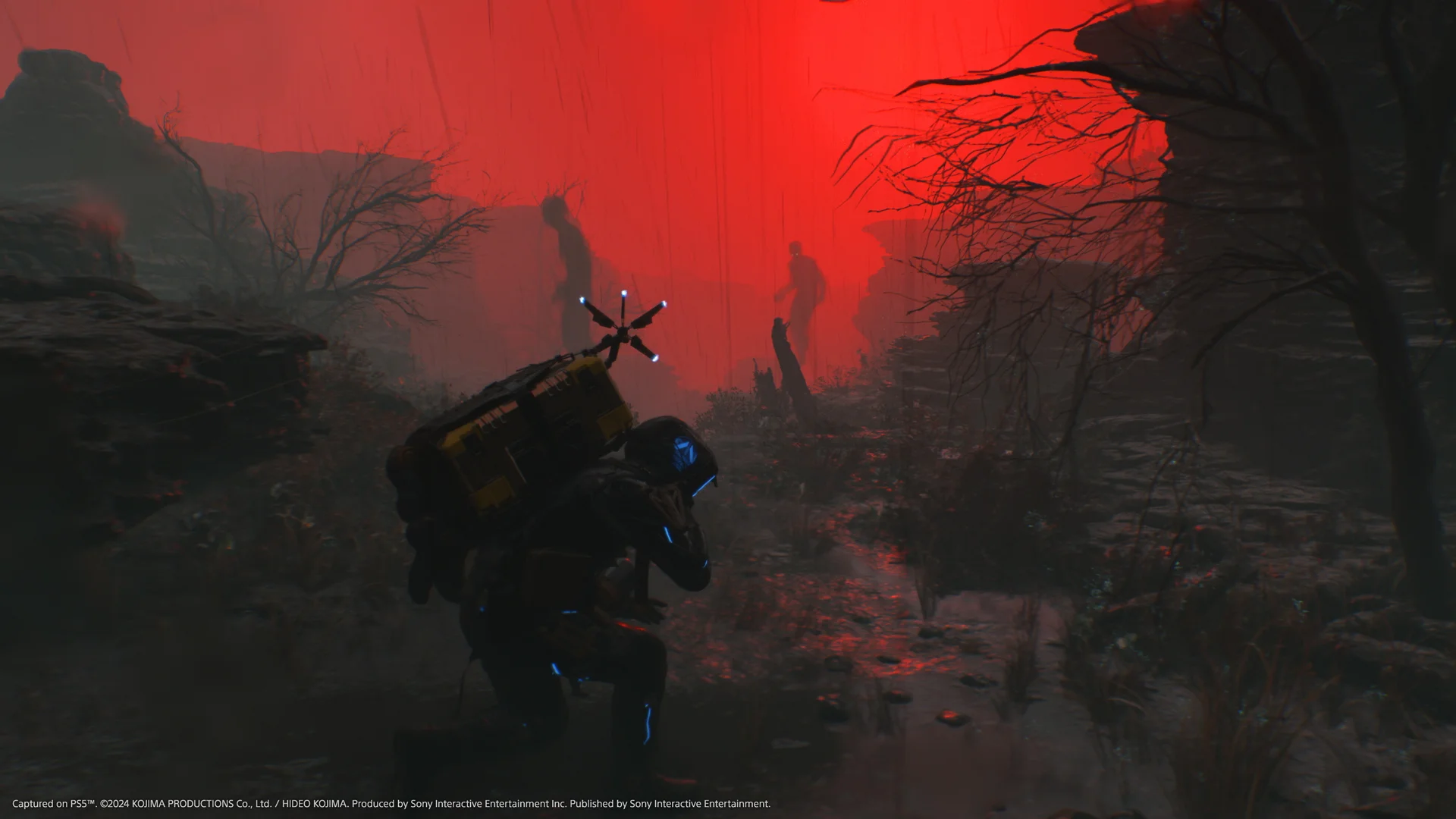
There is, however, a bigger focus on combat. With Death Stranding so much of the combat could be easily avoided with a bit of creativity and patience. Death Stranding 2 is much more effective at pushing you into bottlenecks, whether that be with the undead, eerie BTs, or the many human rebels and bandits that. You can stealth around some of them, but hostile conflict is another consequence and risk with building connections within society, so Kojima made sure you’ll be getting your hands dirty often. Thankfully, for those who aren’t too keen on action games, there is a lot of help available through the online features. Just as with Death Stranding 1, other players can set down infrastructure and helpful items to help you both navigate the world and face its threats, and as with Death Stranding 1 it’s a wholesome and heartwarming example of the power of human collaboration, even if it’s all indirect support.
Australia’s a big place, and it’ll take you anything up to 100 hours to achieve full completion. Not a second of it is wasted. Death Stranding 2 is, like its predecessor, methodically paced and heavy on the slow, molasses-style melancholia. That’s driven home with its exquisite and pensive soundtrack. In a world where video games are steadily amping up the action, that too is yet another Kojima subversion.
The man is a genius and he will be remembered as the game industry’s first real auteur. Miyamoto and many others were great game developers and artists before Kojima, but Kojima is a true, bona fide auteur. Death Stranding 2 doesn’t harm that legacy in any way.