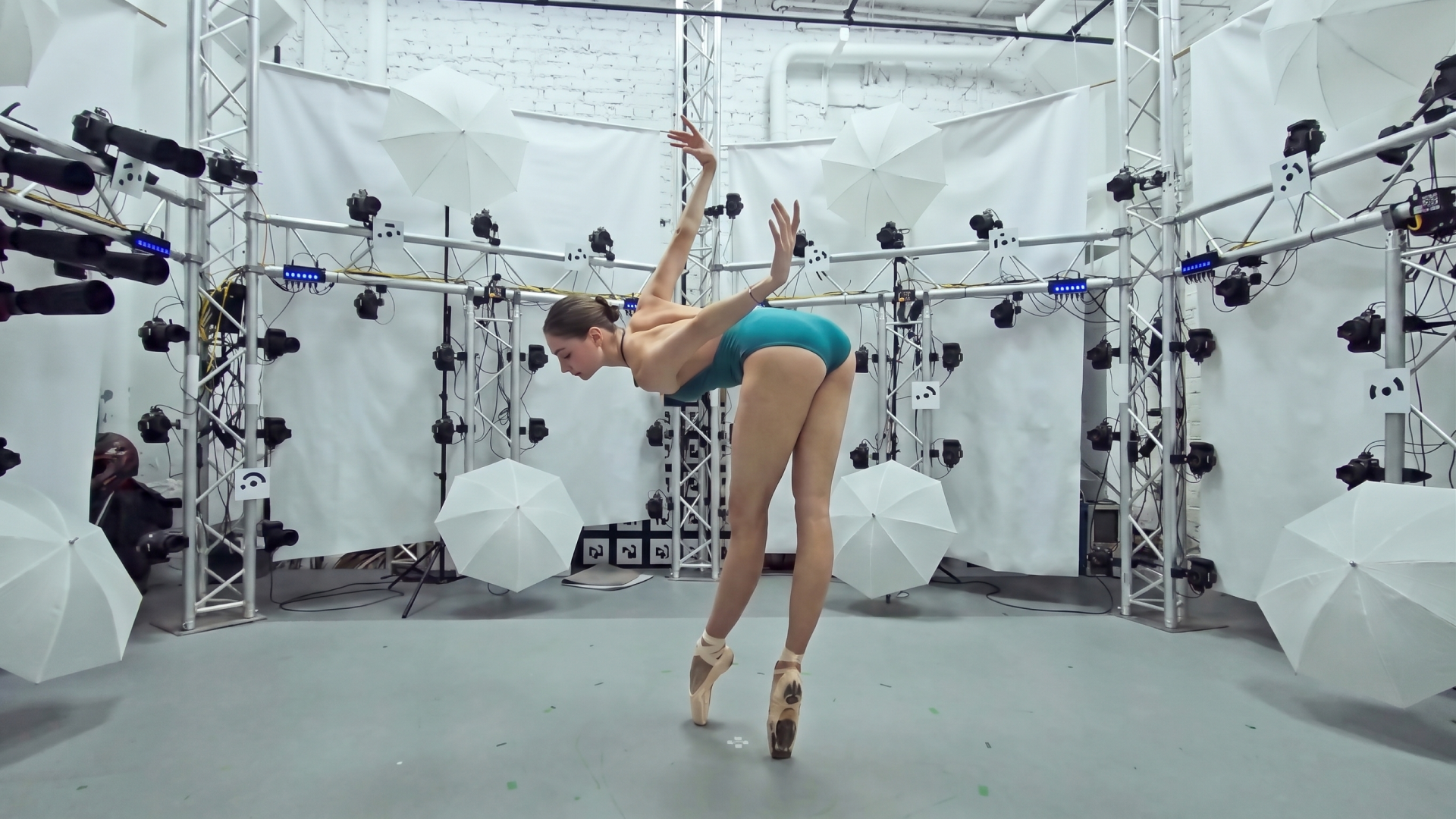


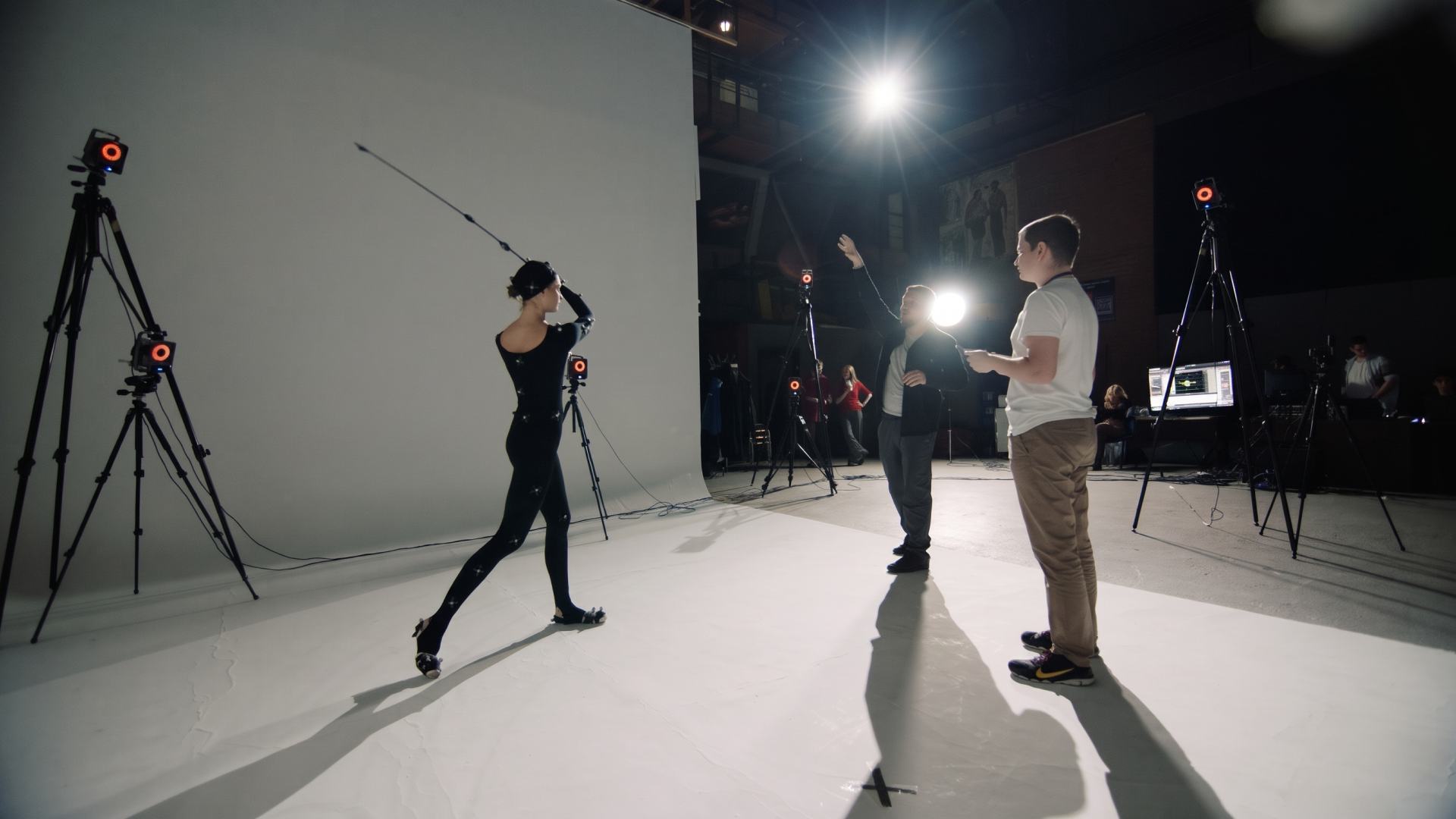
Watt Studio didn’t cut corners when it decided that it was going to make a game based on the beauty and movement of ballet. A lesser studio might recruit a local amateur or teacher to support, but no. Watt Studio went to arguably the most revered ballet company on earth, the Bolshoi, and recruited superstar principal dancer Alena Kovaleva to provide the motion capture that would become the core of the combat in Tsarevna: Age of Tales.
If that isn’t taking authenticity seriously, nothing is.

The game is a third-person action adventure set in a dark fantasy world drawn from Slavic fairy tales, and it is due on PC in 2027. The Belgrade-based studio is claiming that it is the world’s first ballet-inspired action game (and certainly the only one I can recall), with a heroine modelled on the Swan Princess and a move set built from classical technique.
There is very little crossover between video games and ballet, so my first question for CEO, Egor Tomskiy, was what made him and his team think the two belonged together in the first place.
He said the project began as an action game rooted in Slavic folklore, and that Tsarevna emerged early on as a graceful heroine who could also take on hordes of enemies. The Swan Princess, one of the most recognisable figures in Russian fairy-tale culture, was a key reference, and that naturally led the team to Swan Lake. There was a connection closer to home as well, because Tomskiy’s daughter studies ballet, and through that he developed an appreciation for just what goes into the art form and what real grace looks like.
“At some point, we started asking ourselves: what if ballet movement itself became the foundation of the combat system?” Tomskiy said. “We put together a small prototype, and within about a month, we realised the idea worked.”
That confidence arrived well before the team understood the size of the job.
“At the time, we had no idea how many technical and game design challenges we’d face when translating professional ballet choreography into a combat system,” he said. “But even that first prototype showed us that this combination had a unique identity.”
The cost (and benefit) of authenticity
What makes Tomskiy’s account persuasive is how often ballet forced the studio to change its plans. Watt Studio has treated the art form as a discipline with its own physical rules, and the rest of the design has had to make room for them.
“For us, ballet is about much more than aesthetics and movement. It combines beauty, strength, discipline, and absolute control over the body,” he said. “That contrast is particularly interesting to us; a movement may look effortless and graceful, but it takes tremendous physical strength to perform.”
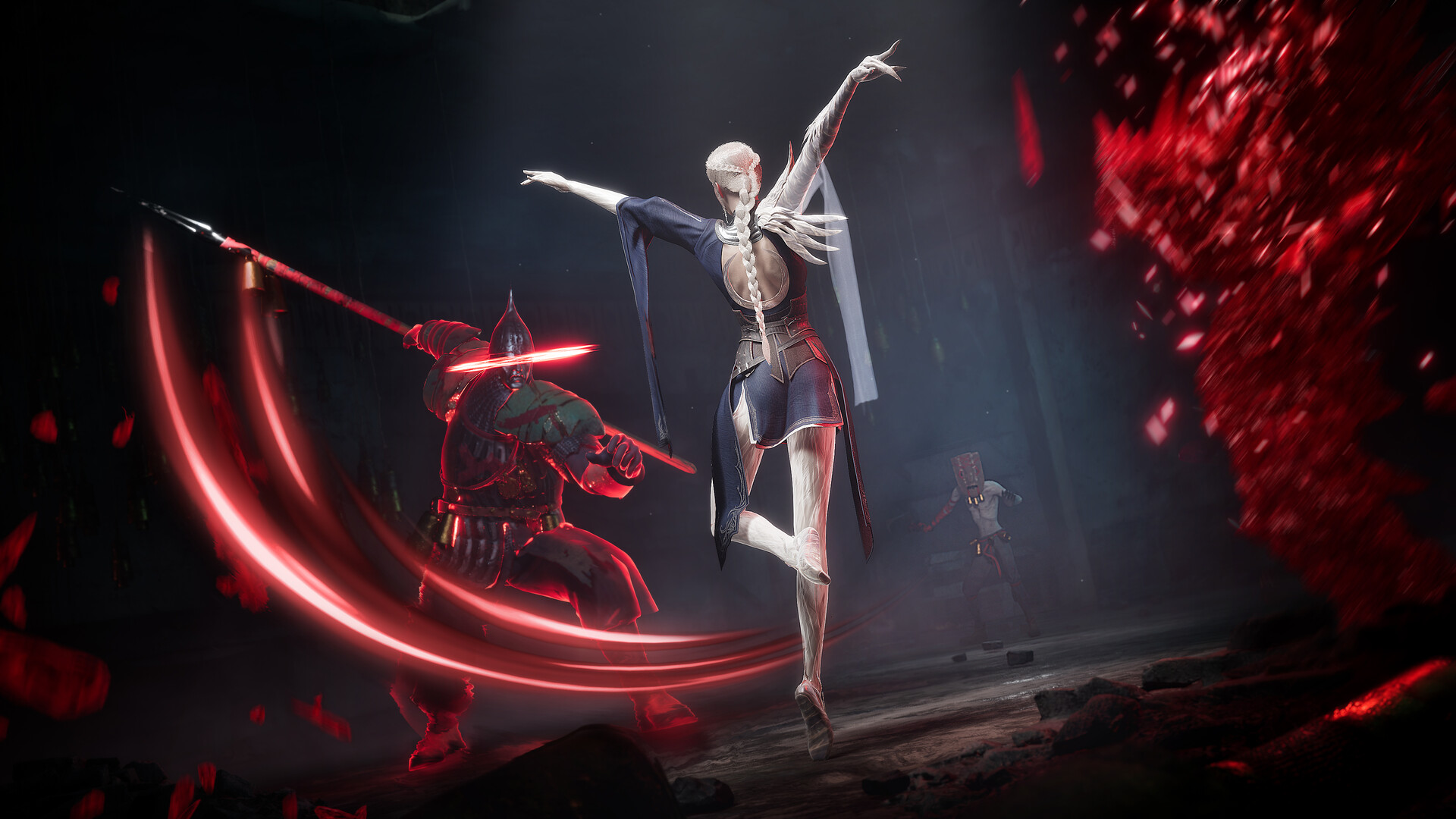
Those principles carry through to the mechanics. Rhythm, balance, rotation and the use of momentum all inform how Tsarevna fights, and she has two combat stances, a basic stance and an en pointe stance, each of which changes her attack patterns and effective range.
The aim, Tomskiy said, was “taking the language of this art form and using it to build our own combat system and create a distinctive heroine”.
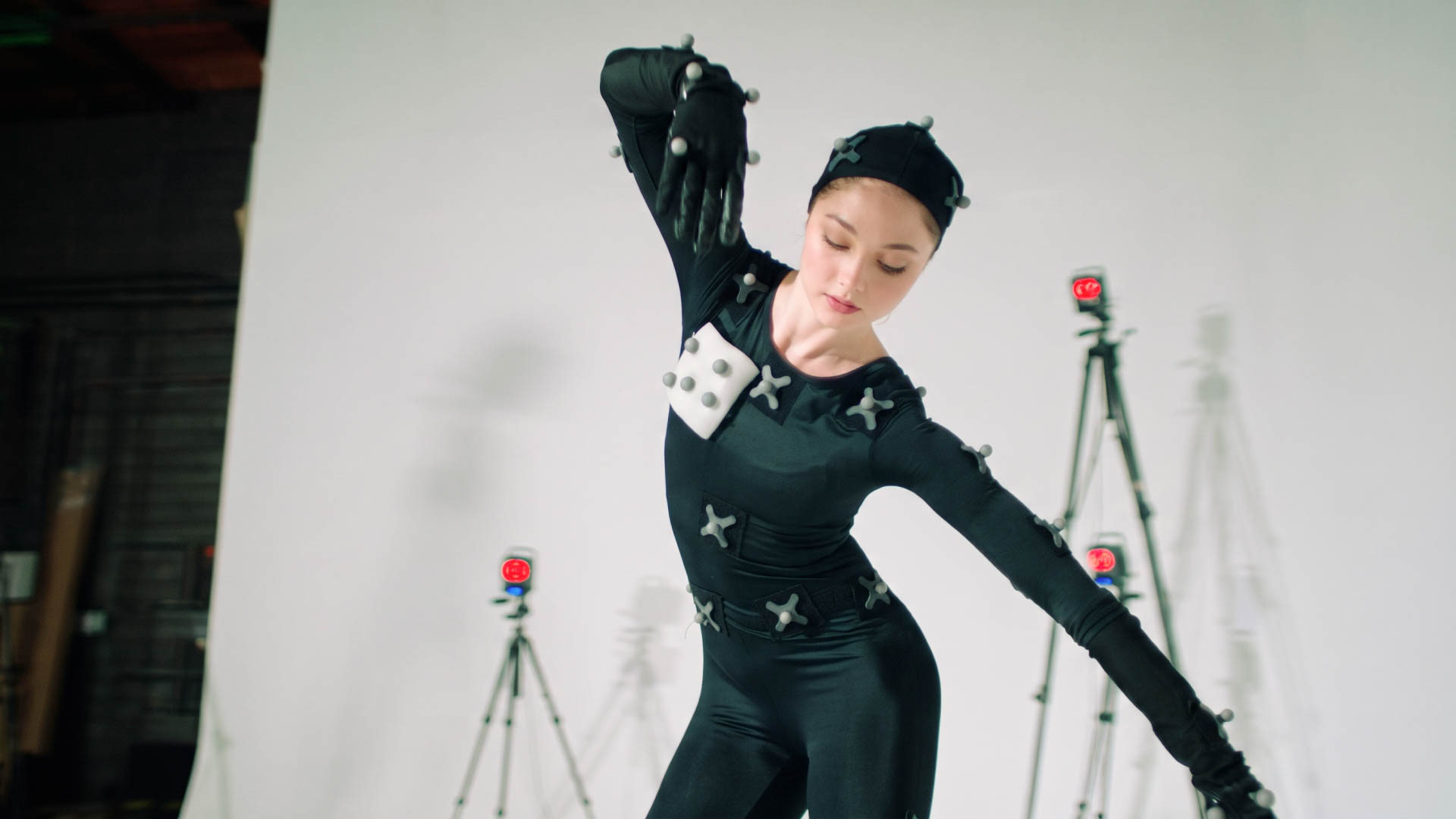
Being clear with that language was made easier when working with a dancer of Kovaleva pedigree, experience, and talent, who made her own Swan Lake debut on the Bolshoi’s historic stage as a teenager. Tomskiy said casting a professional was the only way to make the idea credible.
“It was essential for us to work with a professional ballerina because you simply can’t convincingly replicate ballet movement without precise control of the body, balance, arms, and legs,” he said.
But, of course, there’s a flip side to this: Just as there was nothing out there for a game developer to draw on and understand how to interact with ballet, ballet dancers themselves have very little experience in working on game projects. Motion capture in its entirety was new to Kovaleva, and Tomskiy said she was as curious as the developers to see how her technique could become a combat system. She settled in quickly on set and was soon advising the team on the movements.
Her performance then had to be adapted for play.
“A movement that looks beautiful on stage might be too slow or difficult to read in combat. So we speed up certain elements by two or three times, adjust their range of motion, and work on getting the timing of each strike right,” Tomskiy said. “At the same time, it’s crucial to preserve the recognisable quality of ballet movement and make it convincing as a weapon.”
In comments to videos I’ve seen on Tsarevna I have seen several people point to the likes of Bayonetta as games that are also “inspired” by ballet, and it is worth drawing the distinction here between what Bayonetta did and what Watt Studio is aiming to achieve. While Bayonetta was clearly inspired by the flexibility and mobility of dancers, the developers there had no obligation for their movements to achieve authenticity. Tsarevna aims to be authentic ballet, as a core part of its aesthetics, theme and narrative.
The shoot also left the team with a funny story. They were using a drone to capture extra footage, and during a series of fouetté turns it flew a little too close to Kovaleva.
“The operator had clearly underestimated the range of a ballet movement, and Alena accidentally kicked the drone while spinning,” Tomskiy said. “Thankfully, everyone was unharmed, including the drone. We got some great footage out of it, and fairly literal proof that ballet really can be a weapon!”
As the team went along with development, Tomskiy added, they did discover that the nature of ballet also meant that there would be creative limitations to work with – a challenge that the team ended up relishing.
“One of our first realisations came when we tried giving Tsarevna a regular sword. We quickly discovered that it restricted her arm movements, which are essential to the expressiveness of ballet,” he said. “That’s what led us to create a magical weapon that moves alongside the heroine and responds to her movements.”
According to the game’s Steam page, that weapon can change form mid-battle, from a sword into a barrage of daggers. And just to maintain the theme of authenticity, the studio also brought in a historical fencing specialist to explore where fencing and ballet movements intersect, and Tomskiy said that combination played a major role in shaping the game’s combat language.
I asked whether he was concerned that players you may never have actually stepped foot into a theatre to watch a ballet performance (sadly, far too many people haven’t) might fail to appreciate what ballet brings to an action game. Tomskiy said the studio’s experience on the show floor at ChinaJoy, Tokyo Game Show and G-STAR points the other way.
“In practice, we’ve found that ballet actually makes people more interested in the game,” he said.
Some visitors recognise the movements because they or someone close to them has studied ballet, he said, while others simply respond to the physicality and the contrast with combat. At the same time, the team is, of course, hoping that ballet fans will appreciate the effort.
At one of the studio’s first events, a woman who turned out to be a ballet enthusiast stopped at the booth, watched the gameplay with delight, and later returned with her son, a gamer, to show him.
“That moment really stuck with us: the same game appealed to them for completely different reasons. She connected with it through ballet, while he was drawn to it as a video game.”
To that end, Tomskiy is careful to point out that players will need no prior knowledge of ballet or its terminology, and the studio tests regularly to make sure of it.
“They discover it through the gameplay itself via Tsarevna’s movements, combat stances, attack combos, and the rhythm of the fights,” Tomskiy said. “We regularly test the system with players to see how intuitive it is without additional explanations and how naturally they learn to use it through the controls.”
Tsarevna for Smash Bros. Please.
Games of this kind depend on their protagonists. Bayonetta worked because of Bayonetta, and Devil May Cry because of Dante, so I asked what Watt Studio has done to give Tsarevna the same pull.
Tomskiy began with her story.
“She sets out on a path of revenge and is gradually transformed by the power she encounters along the way. That transformation is important both to the story and to how players perceive her.”
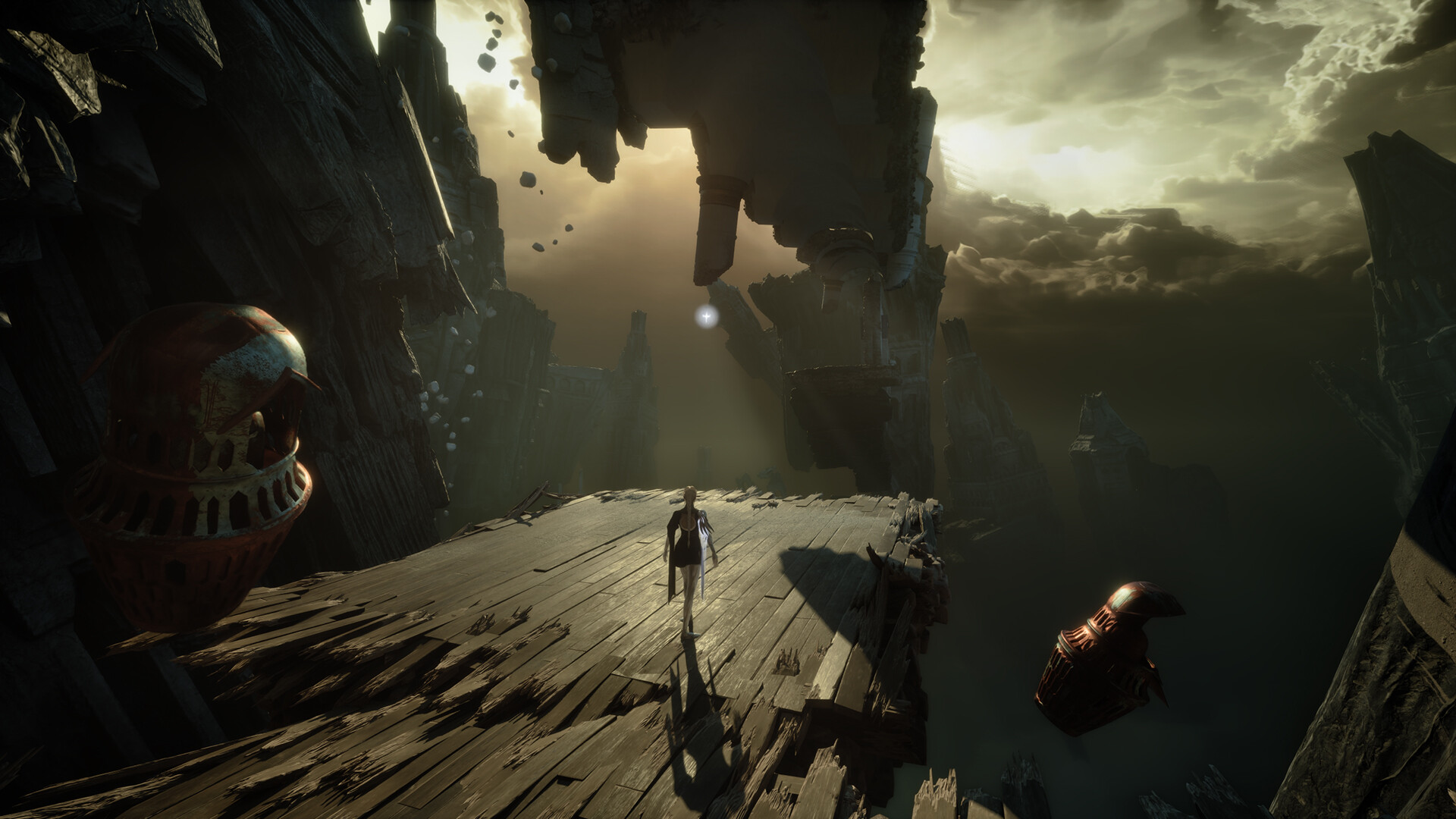
Her look has changed too. The studio recently released a character trailer revealing a redesigned Tsarevna, with a refined model and a costume whose moving elements are meant to sharpen her silhouette in motion and emphasise the ballet in her fighting. The design still draws on the Swan Princess, reimagined through a dark fantasy lens.
“We want players to recognise her by her silhouette, movements, and personality even before they know her full story,” he said.
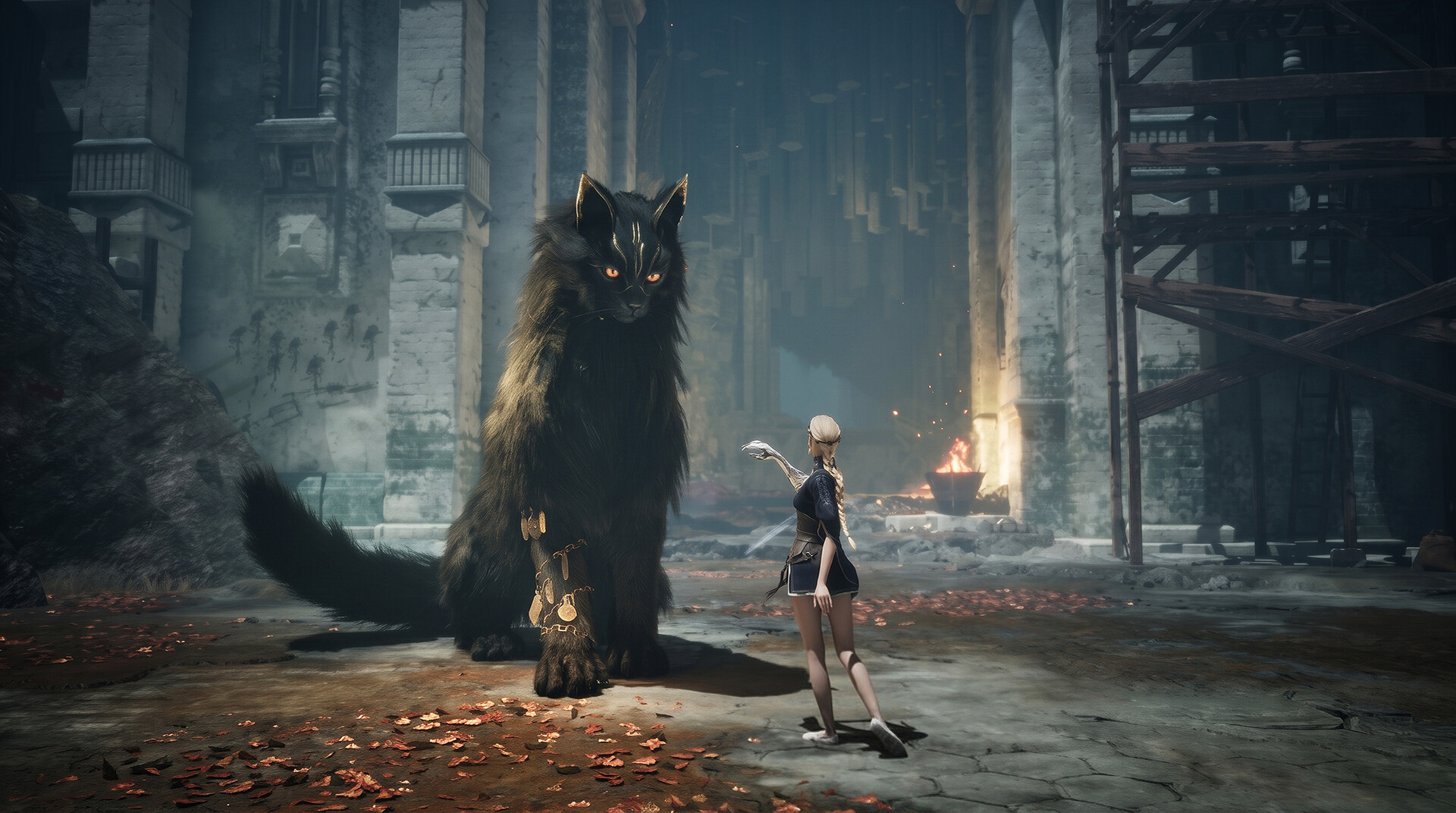
She also travels with Bayun the Cat, a huge companion who joins her in combat and who, in Tomskiy’s words, “brings a completely different energy to their partnership”.
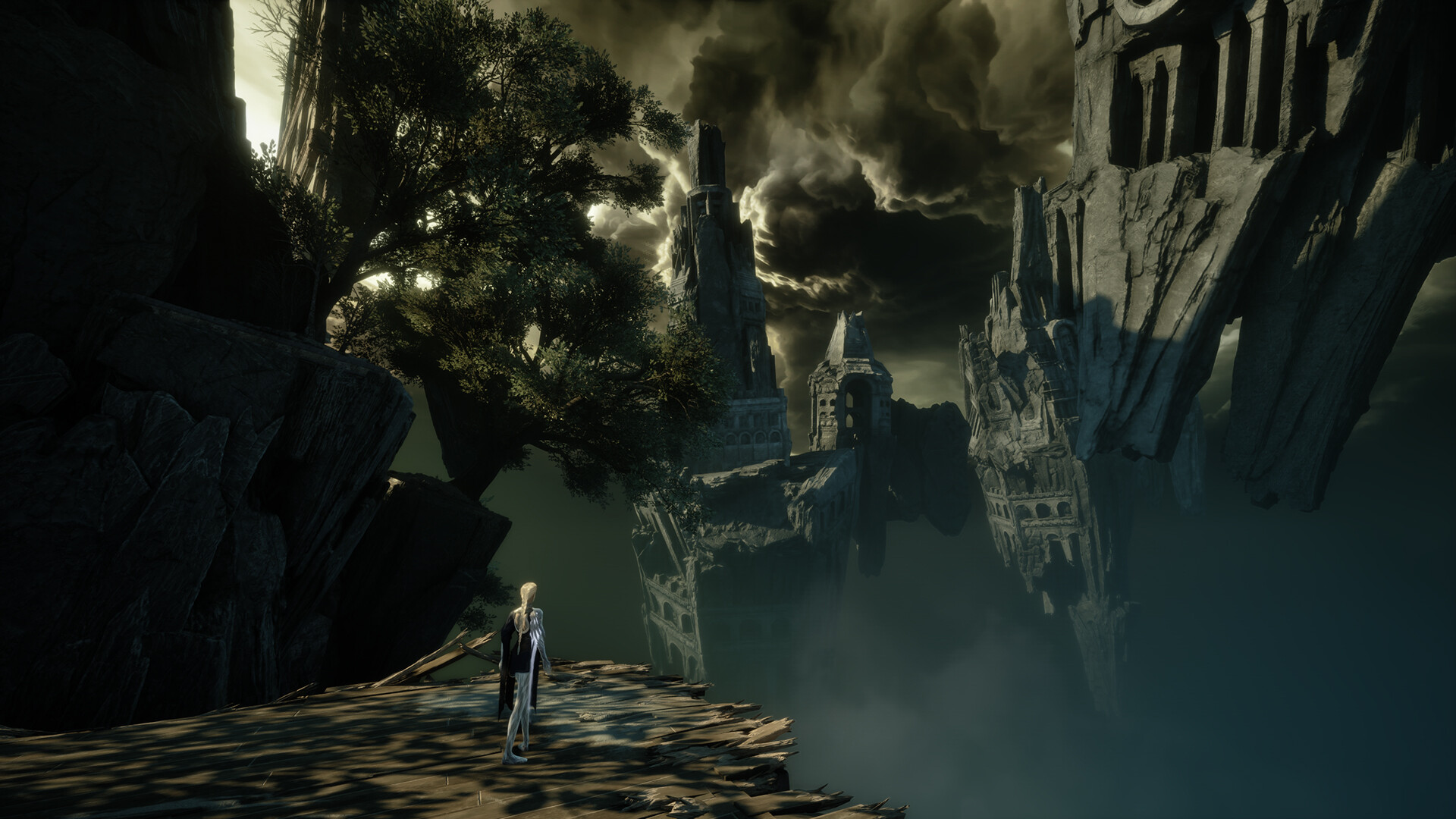
Ballet is a culturally specific art form, and the world around it in Tsarevna is just as rooted, drawing on Slavic fairy tales, mythology and architecture and reinterpreting them through dark fantasy. Tomskiy said that cultural foundation is very important to the studio, and that the game also has to resonate with players who know nothing about it.
“You don’t need to know who Koshchei the Deathless is or what Iriy means to understand the story, connect with the characters, and enjoy the game,” he said. “If Tsarevna becomes someone’s first introduction to these images and inspires them to explore their origins after playing, we’d consider that a great result.”
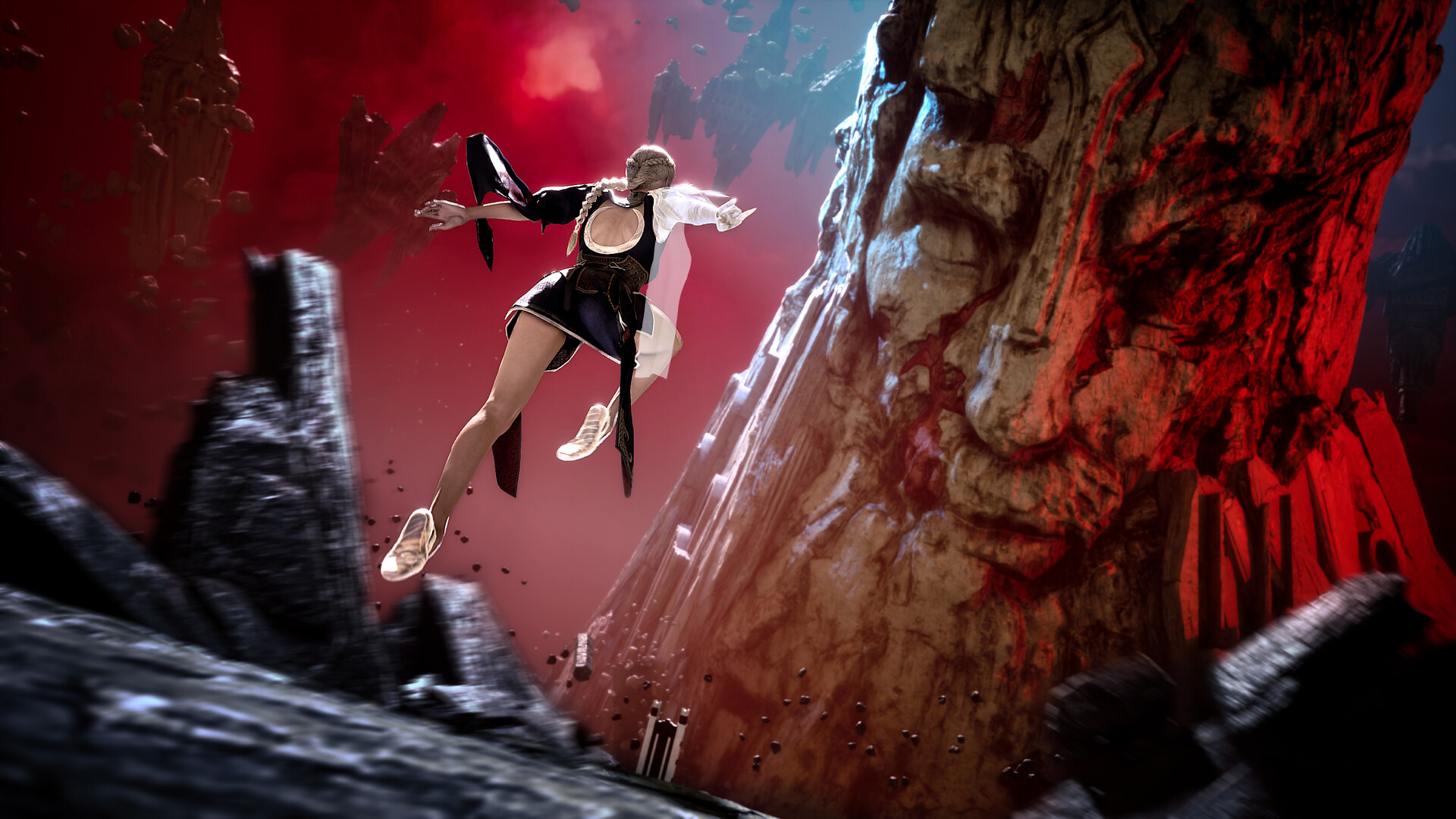
Given that The Witcher primed an entire generation of gamers to be interested in stories with Slavic themes, it would seem a safe bet that the cultural background of Tsarevna will also resonate.
Then there is the music. Ballet isn’t ballet without it, and having worked on a dancesport game myself, I know how difficult it can be for a composer to step into such an unfamiliar genre (seriously, I’ll never forget the faces of my music team when I tried to explain to them how Paso Doble music is constructed). For their project, Watt Studio chose an original score over the existing repertoire from the very beginning.
“Existing ballet music is incredibly powerful in its own right, but we wanted the soundtrack to grow out of the game’s world, Tsarevna’s story, and the rhythm of its combat system,” Tomskiy said.
Composer Alexander Billione has written a theme for Tsarevna that evolves as she does, within a score that combines folk influences, choral singing and symphonic arrangements with more contemporary and experimental techniques. The main theme was recorded with the live Opensound Orchestra and released as an orchestral video in August.
(For the record, it’s a cracking good piece of music, however much I’m waiting to see how it properly marries up with ballet movement).
“At the beginning of the story, it has more light and fairy-tale wonder to it. But as the heroine experiences loss and becomes increasingly consumed by revenge, the music grows darker and more intense,” Tomskiy said. “The main theme remains recognisable throughout, allowing listeners to hear just how far Tsarevna has come.”
Asked what response would tell the studio the project had succeeded, Tomskiy described players finishing the game with a strong impression of Tsarevna herself, her story and the combat system.
“If they discuss their favourite combos, remember the characters, recognise our music, and say that ballet genuinely works as a gameplay mechanic, we’ll know we’ve achieved what we set out to do.”
Commercial success matters as well, he added, because Tsarevna is intended as the first step in establishing an Age of Tales universe that the studio wants to keep developing. Another measure would be players reaching the end and wanting to come back for the next story. And if Watt Studio would like to base that second story on another form of dance, well, ballroom movement is rather beautiful too. Just saying, I am available for consulting.
Jokes aside, this game’s pitch and hook is quite obviously one that I was always going to be partial to, but it’s also the kind of thing where many other game studios would watch a ballet recital or two, hire a local dance school space and get a student to do a bit of movement on point for motion capture, then otherwise copy Bayonetta and claim they’ve made a “ballet game.” The intense respect that Watt Studio has for the art form is clear, and their intent to do it justice is admirable. I cannot wait to get hands-on with this game next year.