“I think the most difficult part is, above all, striking a balance between “preserving what makes Dragon Quest what it is” and “delivering a new experience with a new title.”
The latest in the long-running Dragon Quest Monsters series is imminent (it’s hard to believe that it’s been going for 28 years. I remember having the original on my Game Boy Color and playing it over and over and over again)… so we sat down with the producer of Dragon Quest Monsters: The Withered World, to get a sense of what the team were aiming to achieve with this new one, and how they went about it.

DigitallyDownloaded.net: What got you creatively excited about this game, and what did you and the team look to bring to it?
Takuma Shiraishi (TS): I believe the greatest appeal of Dragon Quest Monsters is, above all, the ability to recruit monsters, synthesise and raise them, and build your very own party. So, while preserving that core appeal in this title as well, I wanted to create a game where players could feel even more than ever before that they’re truly adventuring alongside their monsters.
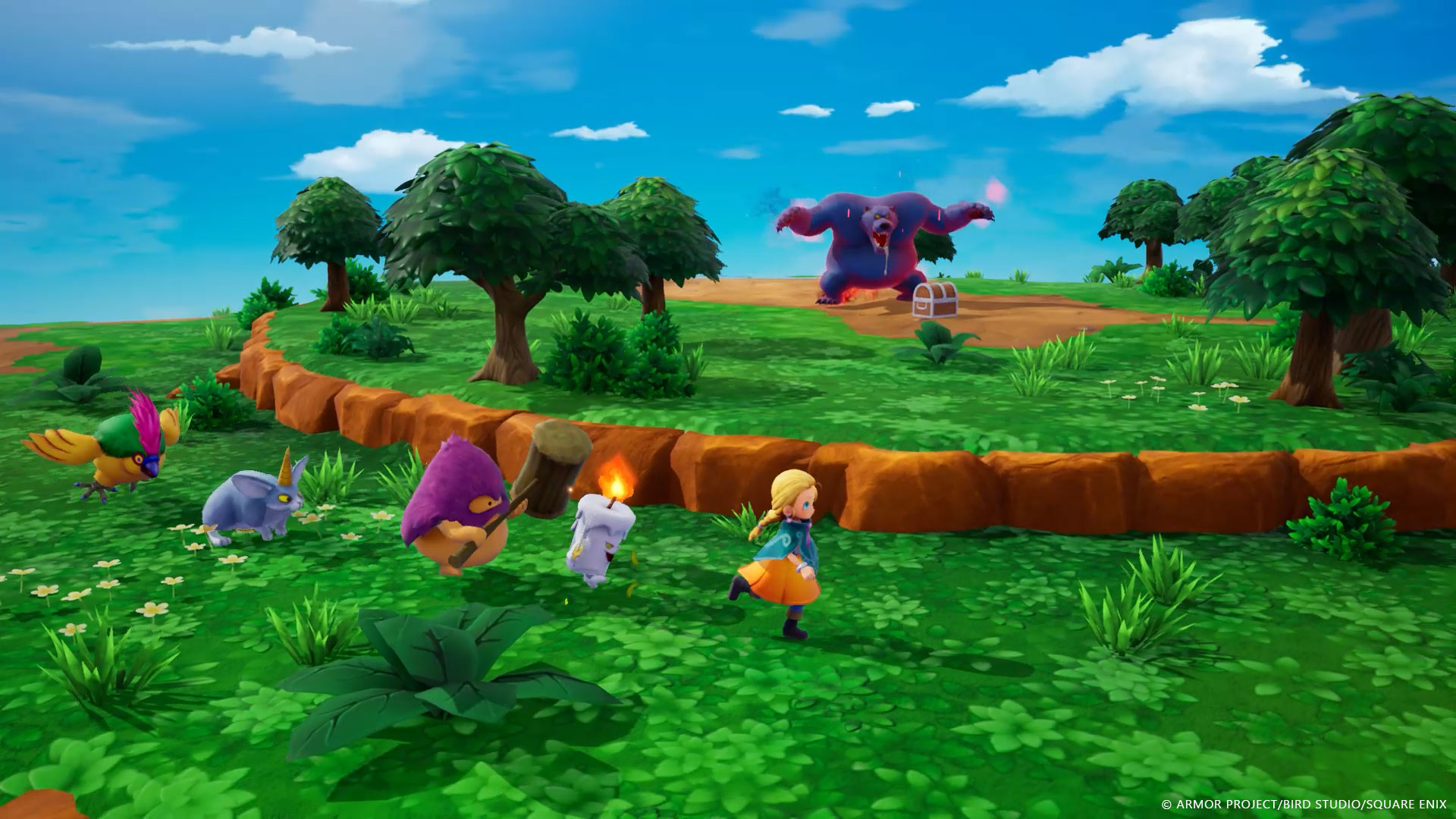
To that end, we’ve made it possible to explore the field with your favourite monsters by your side, and we aimed to design the world itself in a way that lets you sense how the monsters live.
We’ve also made synthesising and raising monsters more accessible, while introducing new gameplay elements, such as Joint Battles and The Wrangler’s Gauntlet, that let players put the monsters they’ve strengthened and their synthesis knowledge to use in new ways.
While staying true to the series’ essence, how could we expand the joy of encountering monsters, recruiting them, and adventuring together? That was the aspect our team was particularly eager to tackle.
DigitallyDownloaded.net: When a series has 28 years of established rules, where have you found room to genuinely surprise players with this one?
TS: The Dragon Quest Monsters series has been around for 28 years, but if you consider the Dragon Quest series as a whole, it’s been 40 years. When developing a new title for such a long-running series, I think the most difficult part is, above all, striking a balance between “preserving what makes Dragon Quest what it is” and “delivering a new experience with a new title.”
Since Dragon Quest is a series with a very long history, many fans have their own ideas and memories of what Dragon Quest means to them. I believe these are incredibly valuable assets to the series.
On the other hand, when creating a new title, I believe we must do more than simply repeat what we’ve done before. We also need to introduce new appeal unique to that title, as well as ways to play that are suited to the times.
With this title as well, while carefully preserving the core enjoyment of Dragon Quest Monsters, we also took on new challenges in areas such as the visuals and field gameplay. Of course, we didn’t know the right answers from the start. Through repeated discussions with the development team, we made one decision after another, asking ourselves questions such as, “If we change this, will it still feel like Dragon Quest?” and “Is this something we should preserve?” It’s a challenging process, but I also believe it’s part of what makes creating a new Dragon Quest title so exciting.
In terms of specific examples, as mentioned in the response to your first question, we’ve fostered a sense of connection by allowing players to take their monsters with them. We’ve also made synthesising and raising monsters more accessible, while introducing new gameplay elements, such as Joint Battles and The Wrangler’s Gauntlet, that let players put the monsters they’ve strengthened and their synthesis knowledge to use in new ways.
DigitallyDownloaded.net: This is the first Monsters game made since Akira Toriyama’s passing, so what did the team have to understand about his design sensibility to create new monsters that felt like they belonged?
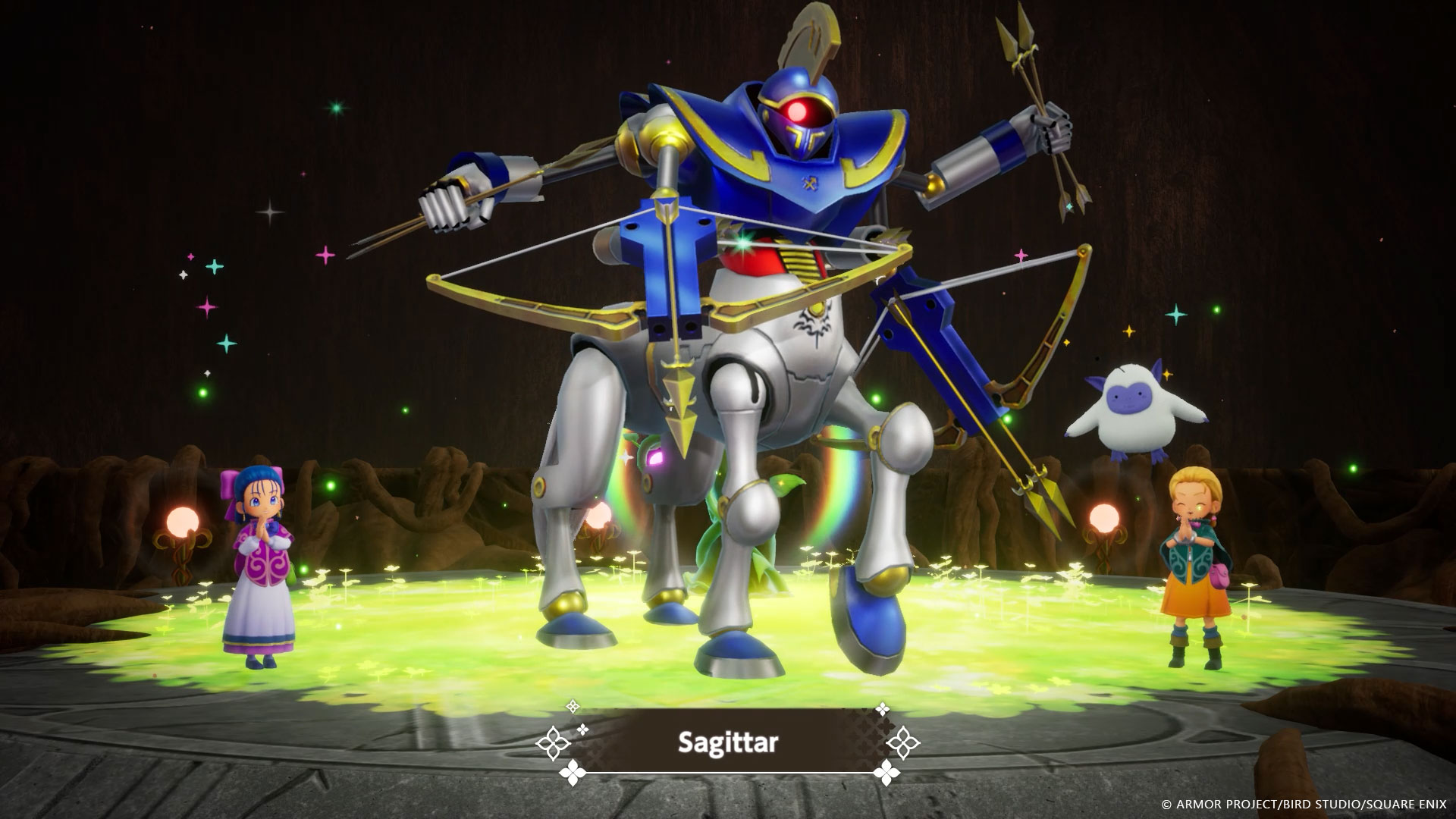
TS: Yuji Horii has been involved in overseeing the project at every major milestone, from the initial concept to the scenario, characters, and even the names and designs of the monsters. Regarding Bianca and Nera, we went through multiple rounds of review to ensure that their relationship and growth in this title would come across clearly, while also respecting the impressions players have of them from the original game.
When it came to monster designs, we first gathered a wide range of ideas from within the project team, with everyone contributing a large number of rough concepts. We then went through the selection process while taking into consideration game-related factors such as monster families and ranks. Throughout the design process, we also kept in mind our respect for Akira Toriyama, who was responsible for the monster designs in the Dragon Quest series. With General Director Yuji Horii having the final say on the completed designs and monster names, I believe we’ve been able to create new monsters that truly capture the spirit of the DQ series.
DigitallyDownloaded.net: There is an unprecedented level of saturation in “monster collecting” RPGs now. Beyond the obvious distinctiveness and heritage of Dragon Quest, what do you think this title offers that will help it stand out against that competition?
TS: While this is a characteristic of the Dragon Quest Monsters series as a whole rather than just this particular title, I believe its greatest distinguishing feature is the experience of synthesising the monsters you’ve recruited and building your own party as you progress through successive generations.
The synthesis system isn’t simply a matter of combining one monster with another. It’s a very carefully designed system that takes into account factors such as the monster families and parameters of the parent and grandparent monsters, as well as the inheritance of Talents.
DigitallyDownloaded.net: What is the most challenging thing to get right when designing a monster collecting RPG?
TS: I think the biggest challenge is offering a wide range of choices without making the game feel overwhelming.
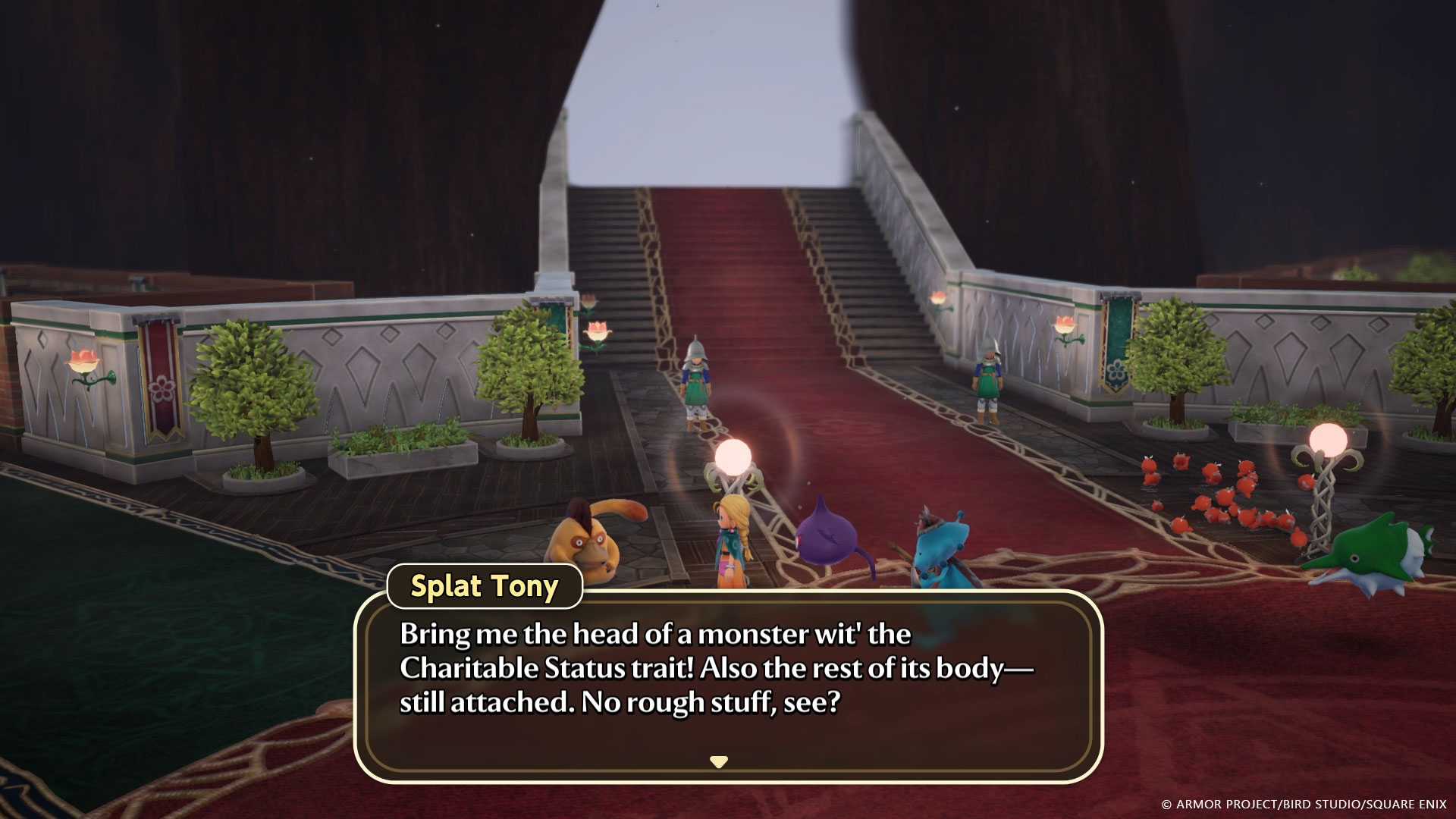
One of the biggest appeals of Dragon Quest Monsters is being able to recruit your favourite monsters from a large selection and build your own unique party through synthesising and raising them. On the other hand, the more choices you introduce, whether in synthesis, Talents, or party composition, the more players have to learn.
That’s why, in this game, we place great importance on striking a balance where “players can explore the gameplay as deeply as they like, but still enjoy the game without having to understand everything from the start.” Simply collecting your favourite monsters is fun in itself, and by synthesising and raising them further, you can discover even greater depth in the gameplay. I believe finding the right balance between accessibility and depth is the most challenging part, but also what makes this genre so interesting.
DigitallyDownloaded.net: Was there any particular reason to focus this game on the idea of a “withered world?
TS: Actually, the project didn’t begin with the theme of a “withered world.” We first considered the visual style and atmosphere of the game, and then built the protagonists, story, and world around that. During this process, we found that the premise of Bianca and Nera embarking on an adventure through a withered world and gradually reviving it fit the atmosphere of the game very well, and this is how the concept took its current form.
We also didn’t intend for the overall tone of this title to lean more toward a world of decline and desolation than in our previous works. However, since the setting revolves around the protagonists saving Witherwood (a land of withered trees), and this is central to the story, we decided to highlight it in the subtitle as well.
While the central storyline of “reviving the Kingdom of Witherwood,” has its share of serious moments, the individual scenarios in each world are designed to be relatively lighthearted and easy to enjoy. The relatively cheerful tone characteristic of previous titles in the series is still very much present, so we hope players enjoy it.
DigitallyDownloaded.net: Which influences from outside video games found their way into this one?
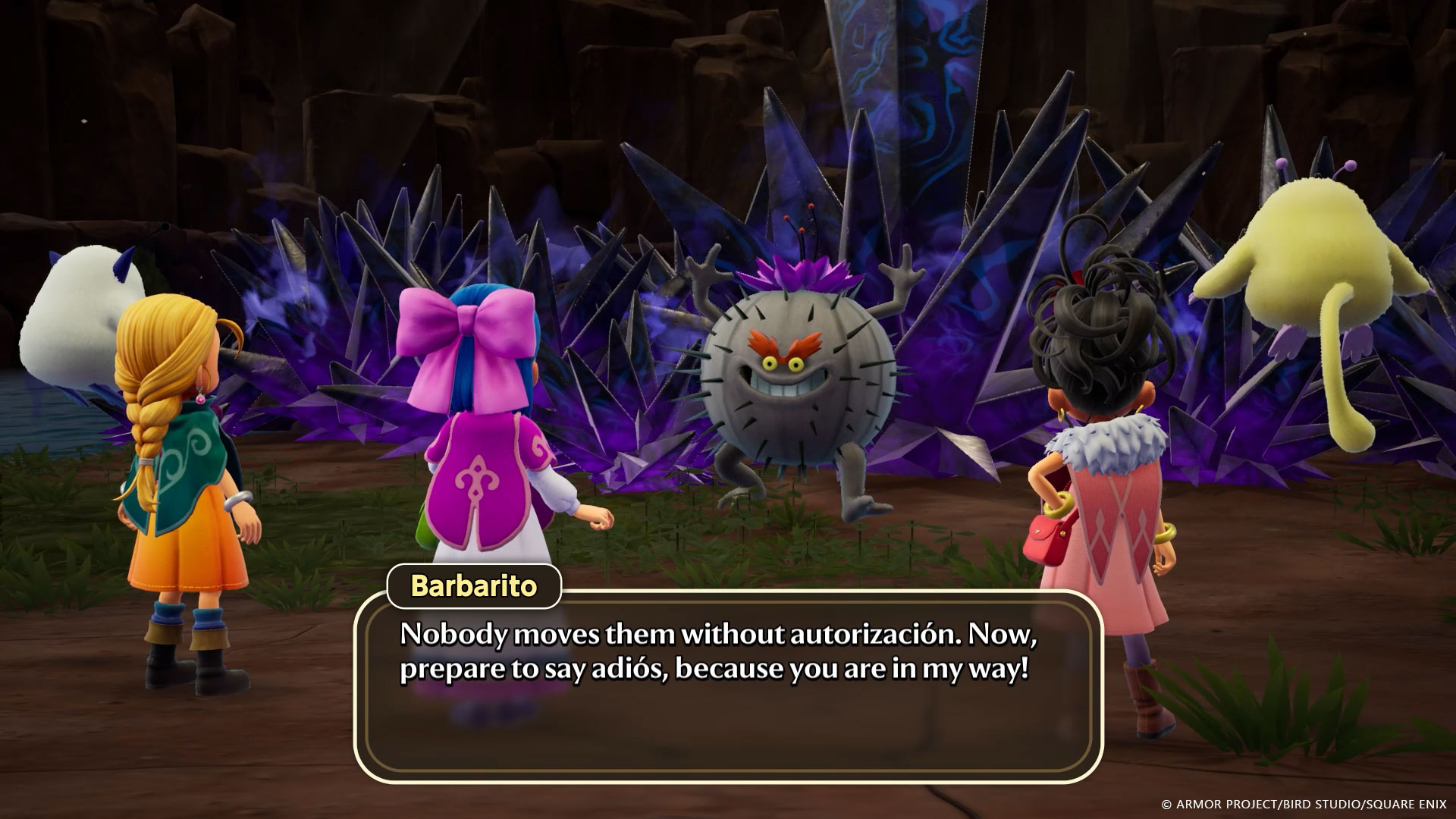
TS: There isn’t any one particular work, such as a movie or novel, that directly influenced us. However, with this title, we placed great importance on creating a “cute and approachable world” as one of our core creative directions. With that in mind, we consciously aimed for an atmosphere that feels like embarking on an adventure through the world of picture books or fairy tales, where simply looking around is enjoyable in itself.
The picture-book-style presentation in the game’s opening sequence and certain event scenes is also a reflection of this direction. From the characters’ proportions and the rounded appearance of the horizon to the fields where players walk alongside monsters, we aimed to create a world that makes players feel, “I’d love to walk through this world,” rather than one that simply depicts a realistic setting.
DigitallyDownloaded.net: As producer, how do you protect the team’s riskier creative ideas from being sanded down by schedule and budget pressure?
TS: I think every team has its own approach to development, but we generally don’t follow a process of freely brainstorming ideas and then cutting them back later to fit the schedule or budget.
From the early stages of planning, we work together with the development team to consider both “what kind of experience we want to create with this project” and “how we can bring that experience to life.” Therefore, as a producer, rather than simply “protecting” an idea, I believe it’s important to understand what makes that idea compelling at its core and create an environment where it can be brought to life in the best possible way.
My role as a producer is to consider the concept and its feasibility in parallel from the very beginning, create an environment where the team can take on new challenges, and guide the project all the way through to its final release as a finished product.