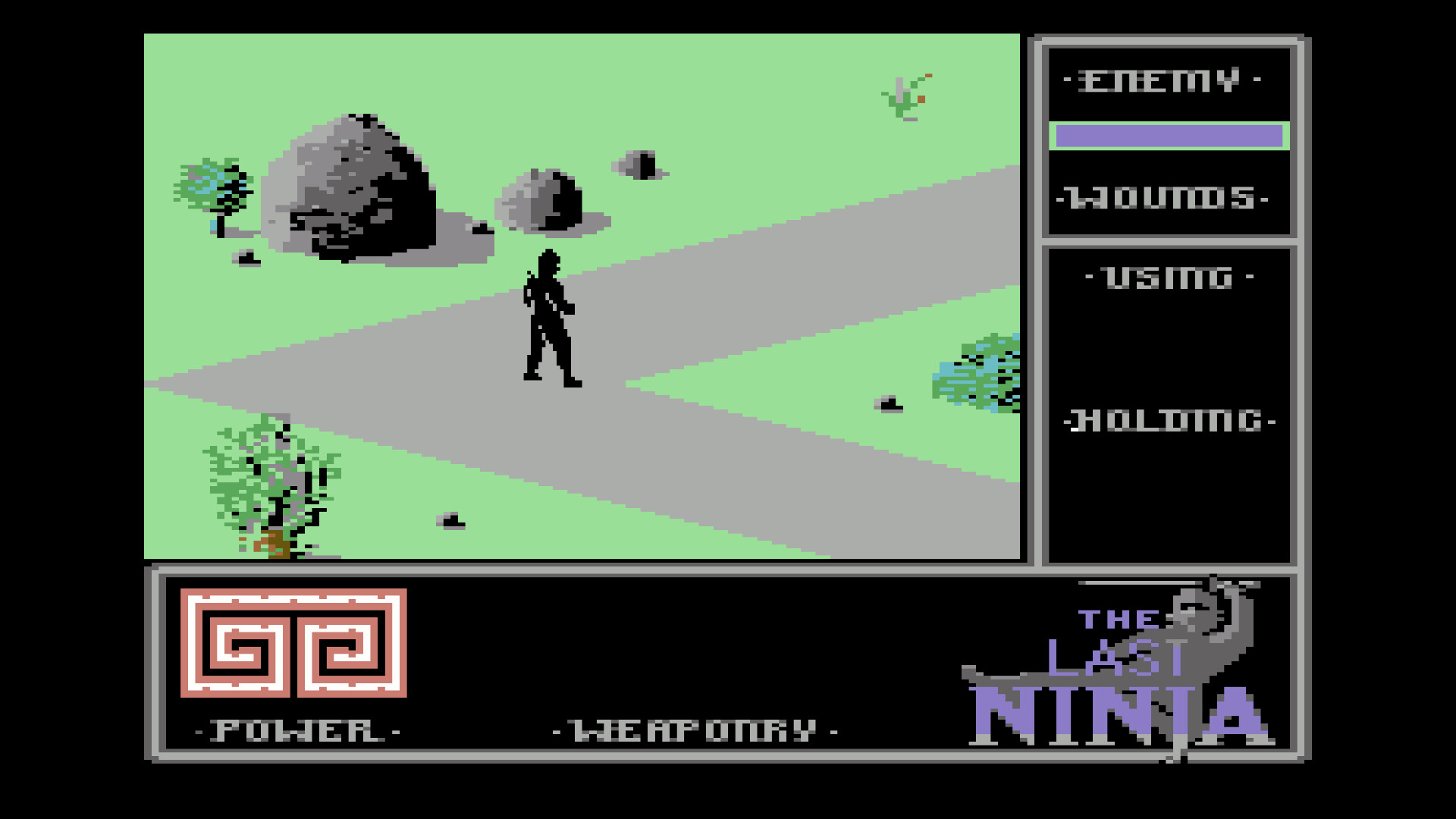


I am a firm believer that as many video games, be they popular, good, bad, and loathed, should be preserved as possible. All these retro collections that have been released by publishers to cash in on their classic properties (and undermine the value of emulation and the second-hand market) have been both good for the publisher’s business model, and the games themselves. However, the qualities that make some retro titles classics will struggle to translate in 2026, and The Last Ninja is a very good example of this.
The Last Ninja was a major hit on its original release back in 1989. With more than four million units sold on its Commodore 64 release, it was the best-selling game on the platform of its time, and the reviews were breathlessly enthusiastic for the most part.
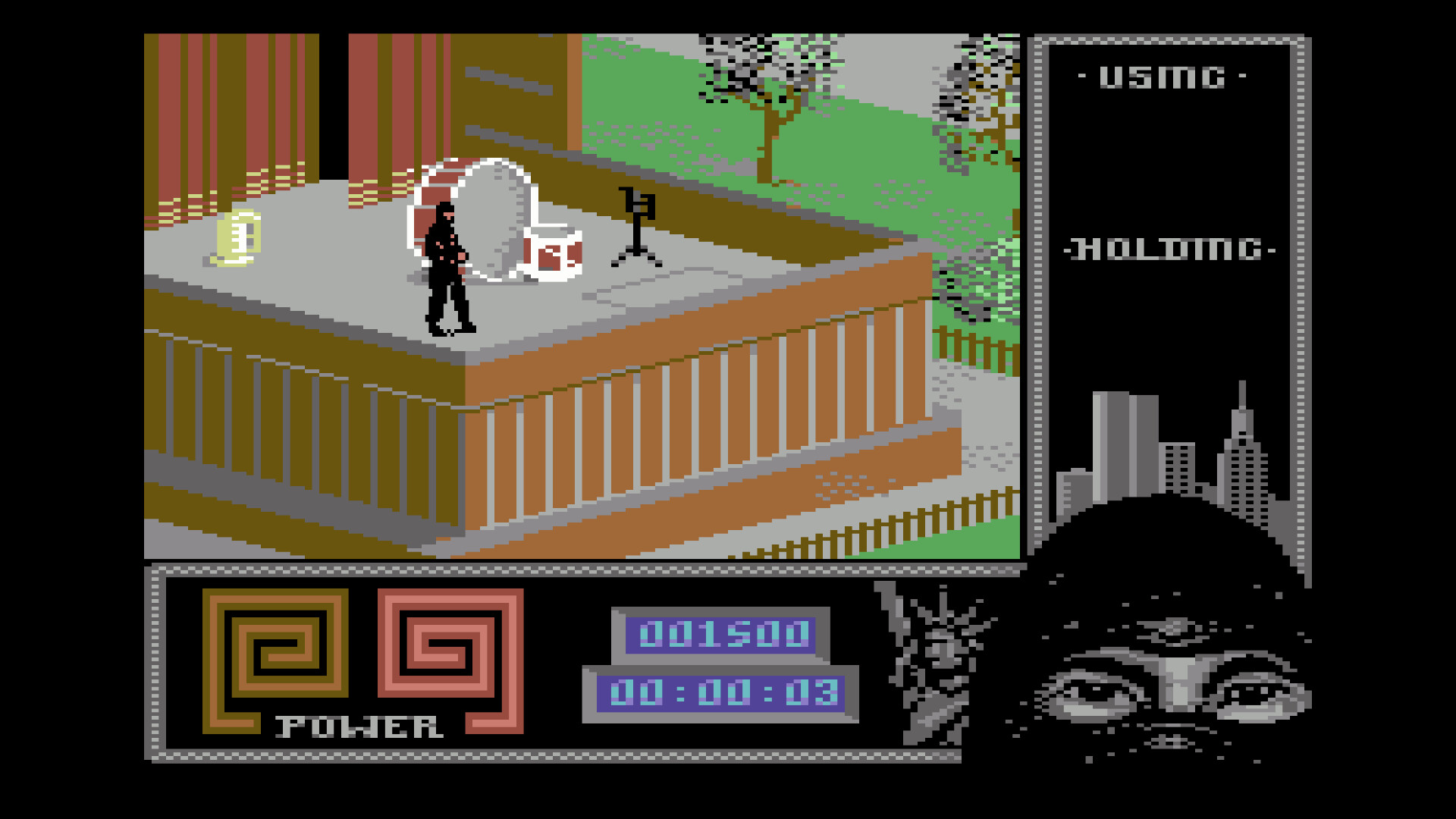
However, the things it was celebrated for aren’t going to translate into things players today recognise. It was considered a particularly beautiful game, filled with graphical detail and advanced visual techniques. That was then. Now it’s going to be seen as primitive, without a particularly unique character or art direction to charm players to it.

The game was also celebrated for the complexity of its gameplay systems. From the isometric perspective of the action, you can target specific body parts with your attacks. There are multiple weapons that you can find and equip. There were also some environmental puzzles that required some precision to navigate through. The problem with this is that the game really doesn’t play intuitively, with simple actions like turning your character to face the way that you want them to move being something that requires learning and practice.
And then the actual solutions to many of the puzzles are not clear. In fact, in one of The Last Ninja games (perhaps the second) where I got stuck for a long time almost from the start because the environmental design didn’t make it clear where I could move next.
The Last Ninja was innovative in the way it allowed for a freedom of movement, and a technical complexity in the combat, and it is exceptionally challenging as a result, but it’s a kind of challenge that comes across as very frustrating today. It’s very hard to avoid being hit by enemy attacks, as you’re required to press down on a button in order to make your own attacks, making switching to evasive maneuvers clunky and cumbersome. A couple of times I threw my character off a cliff (to his doom) because I was preoccupied with trying to get the guy to turn around to face an enemy. You do get better at it with practice, but it requires a tolerance threshold that will be beyond most modern players. Those retro classics that tend to be well regarded today are still simple to pick up and play, and The Last Ninja simply isn’t.
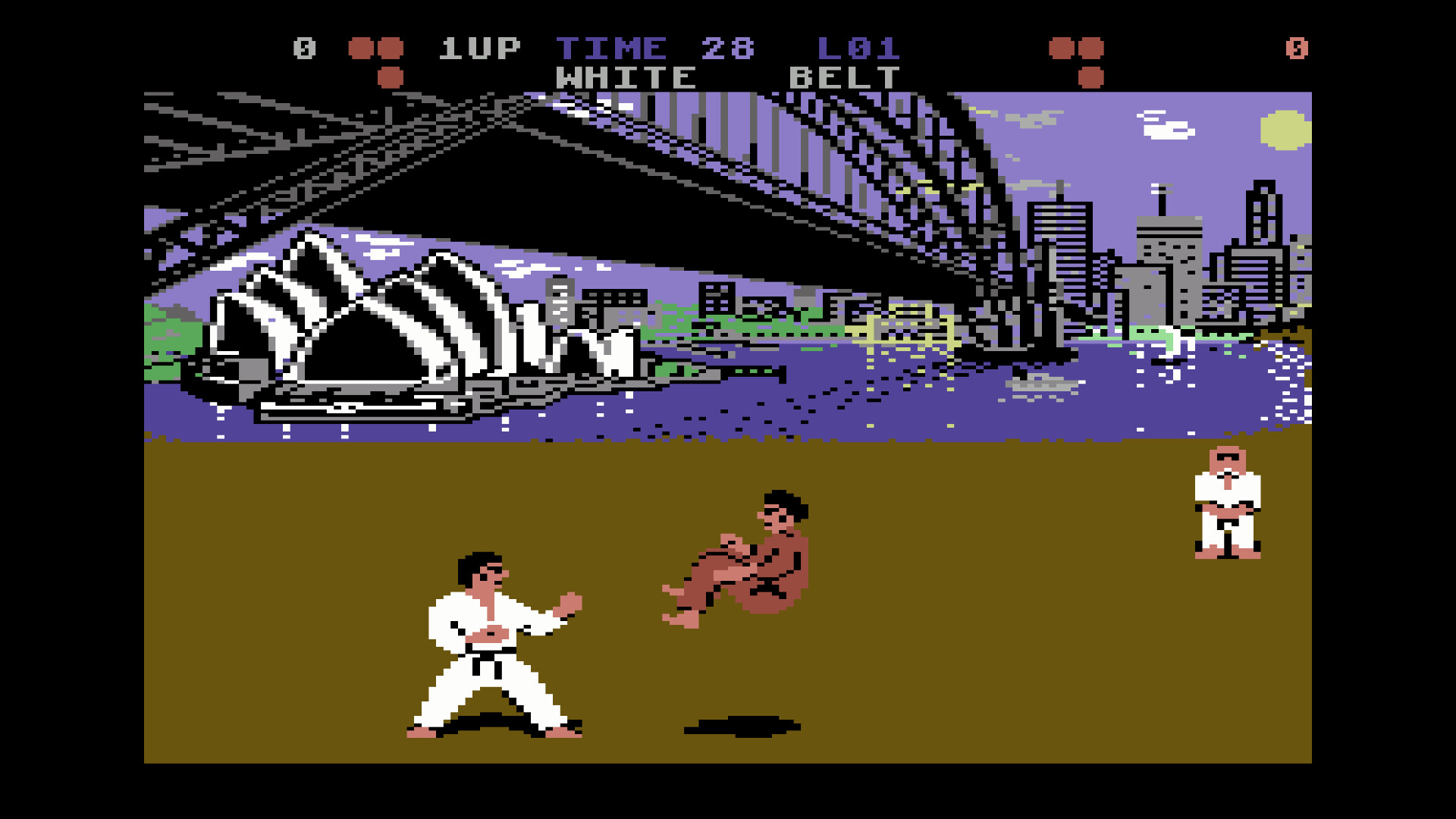
The collection also includes System 3’s other classic property: International Karate, as well as IK+ and the lesser-known Bangkok Knights (which I have not really bothered with). These are real classic fighting games, predating Street Fighter by several years. International Karate was another major hit, shifting 1.5 million copies. Rather than trying to reduce an opponent’s health, however, with both IK and IK+ the goal is to simply score a solid hit, much like most real martial art fighting competitions, and doing so earns you a point. The first one to two points wins.
This results in some exceptionally fast and furious bouts, as a “round” might last just a few seconds before someone lands a hit. There’s a great deal of skill involved in being good at International Karate, especially around the split-second timing that can mean the difference between a hit and being hit. The AI is also quite famous for being a realistic challenge, in case you’re not able to find anyone to play against.
However, the move selection is severely limited (the game is played with one single button), and there isn’t a roster to select between, so much of the appeal of modern fighting games simply isn’t present here. Also, there are specific maneuvers to turn around if your opponent ends up behind you, which is just an obscenely clunky mechanic for a fighting game.
This collection was a big success on Kickstarter and there’s clearly an audience that fondly remembers the titles in it. The developers have done a good job collecting together different versions of each game and ensuring the emulation runs without an issue. For such a niche title it is surprising that the developers didn’t put any effort into bonuses. Perhaps the video documentary clips that Digital Eclipse have pioneered in their “digital museum” projects would be a bit much, but there could have been a digital art book, some bonuses and Easter Eggs, or just something to reward the fans that goes beyond the games.
The long and short of it is that The Last Ninja is not likely to find new fans. The archaic nature of them makes them awkward to play, whereas there are plenty of other retro options that are much more instantly familiar and comfortable to play. They are enormously important, influential games, however, so if you’re here for the history and heritage of video games, then by all means, struggle through this collection, because it is right up there with the most famous retro series that we just don’t talk about that much.






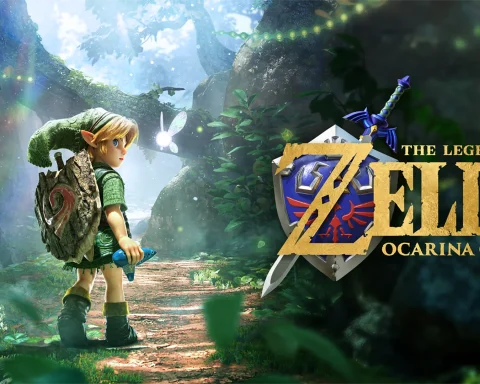
I’ve always found it fascinating how, if you were there at the time, you can somehow still recognize the advanced graphics of the time for what they were, even after having lived through nearly three decades of constant technological improvement. 🥰