

Disclaimer: I’m making this quick disclaimer so it’s clear and up-front. I did work with Big Ant in the past, and contributed to cricket games that they have previously released. During the term that I worked for Big Ant, I did not review their games, nor did we cover them in any capacity on DDNet. However, it has now been half a decade since the terms of my employment (not since the acquisition by Nacon), and Cricket 24, let alone Cricket 26 was not in development when I left the company, so I have no professional concerns with reviewing their games. Neither I nor DDNet has any commercial connection to Big Ant or Nacon.
It has now been more than a decade since Big Ant released its first cricket game (Don Bradman Cricket). The developer has gone through peaks and troughs since, but it’s hard not to be impressed with how far it’s come from that initial, ambitious release to arrive at Cricket 26, where so much of that ambition is fully realised. This is its cornerstone sports series, and it’s a series that deserves respect.
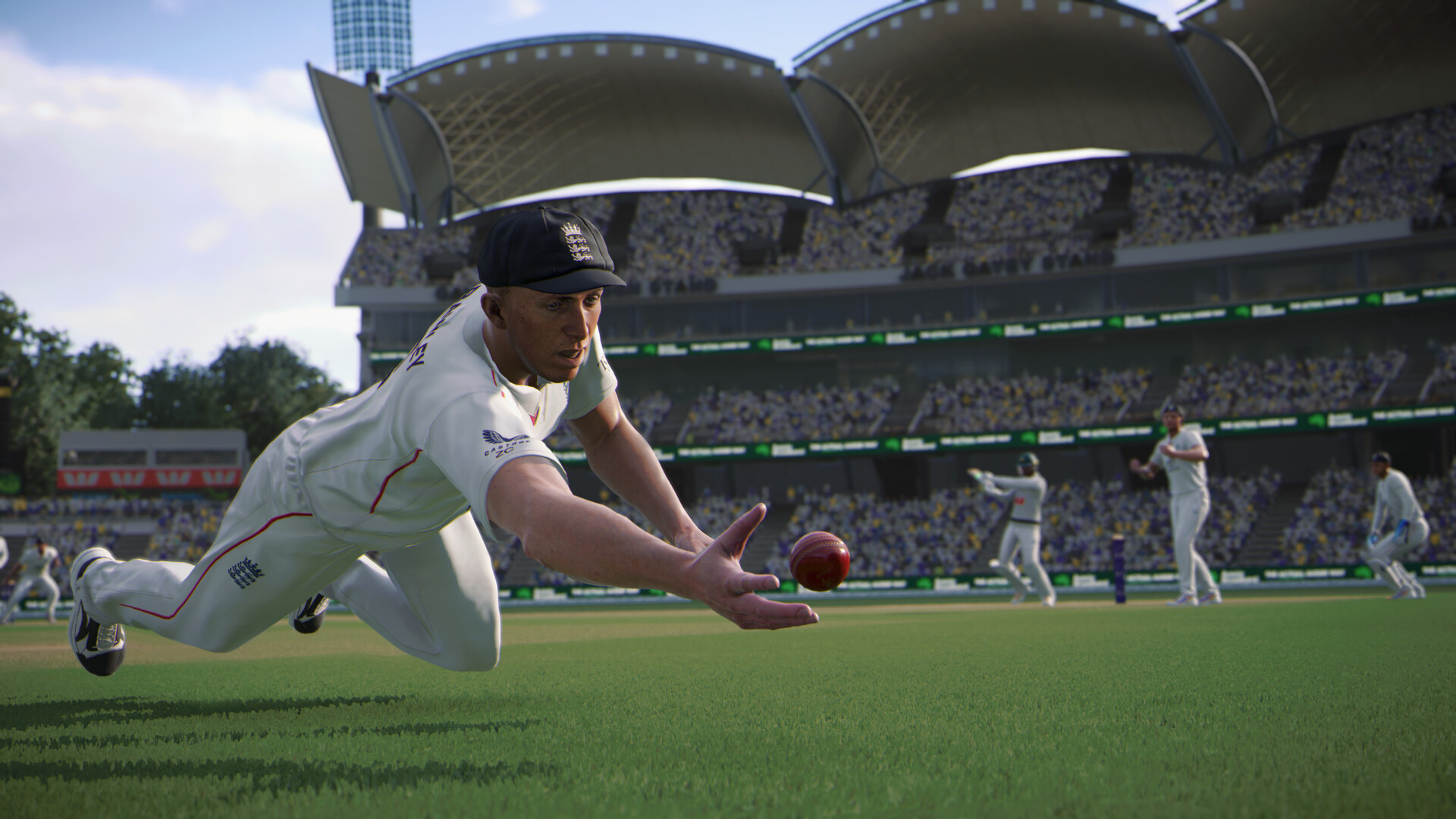
In fairness, Big Ant has now settled into a rhythm of iteration over innovation, and to an extent, it’s a pity that it has done that because there is still some work that needs to be done before Cricket 26 can stand next to the likes of EA’s football and 2K’s basketball games. But we’ll get to that. Firstly, though, there have been improvements. With this iteration of Cricket, the fielding received the bulk of the attention, and it’s markedly better this time. AI-controlled players no longer stand around, leaving the ball to roll past them, and the overall animation quality of the fielding is better – fewer strange contortions when diving for catches or tossing the ball back from an awkward position.
This is a good and much-needed update. Additionally, it’s more subtle, but the general flow of play is better. Animations are more precise and better in context to the action. There are fewer instances of batters doing weird things because the ball went somewhere while the player was trying to play a shot that wouldn’t have worked. Cricket 26 consequently feels like a really slick game in the hands, and it’s really hard not to be impressed by the moment-to-moment action.

However, I remain bothered by the AI, and I know that’s becoming a familiar refrain with my reviews of Big Ant games, but it really is the only thing that I feel holds them back from that top tier now. When you’re batting, it’s a little bit arbitrary in that the AI sticks to set bowling areas regardless of the context of the game, but will then do some really weird things at random that seem designed to either give your runs a boost or make it near impossible to avoid losing a wicket. But despite that, it is also highly playable and feels fair. I could spend all day batting in Cricket 26 and not have a complaint in the world, even when my best players do get out, because it’s almost always the case that I really did deserve that. The bowling, meanwhile, is also arbitrary, but in this case, it’s not as enjoyable to grapple with. It very much feels like it doesn’t matter what you do as a bowler, be that setting field tactics, picking the right line and length to bowl, or just playing the right bowlers for the situation. You could be a savant who could set the perfect field and hit the right spot on the pitch to bowl to that field with every single ball, and if the AI has decided that it’s a run-making over, it doesn’t matter what you do, the AI will magically hit gaps with precision for fours and sixes.
Meanwhile, when it’s time for the AI to concede a wicket (based on what the difficulty level says the AI should be scoring), then you could throw down the most rancid balls, and the AI will keep having near misses after near misses until you finally get a ball in enough in a zone that the game’s engine can justify a wicket. In fairness to Big Ant, Cricket 26 is somewhat better than its predecessors about this overall (or perhaps it just feels that way because of its newness). However, within a game or two, I still ended up going through the motions with bowling, feeling more like the result will be ultimately determined by the numbers crunching in the background than anything I was actually doing. Given how long a cricket game lasts (well, unless you’re playing as England and Bazzballing your way to losing a five-day test match in two), for a big chunk of the playtime to feel so hands-off and unrelated to skill is a big chunk to be disengaged with. It works and is mechanically playable, but it’s most definitely the weaker side of the experience.
Obviously of this is an issue when playing with friends and the AI is largely taken out of the equation, but it’s high time the developers put addressing this gamefeel issue (I hate that term, but it fits here) at the top of the priority list. Cricket 26 is more difficult than previous cricket games, and that’s a good thing for people who are going to spend a thousand hours with it. But any difficulty that leans heavily into the “A” of “AI” is not as satisfying as those games that build real tactics and game plans into the AI-controlled teams.
As a secondary priority with the AI, it would also be nice to see more personality in the characters. Bowling animations are different and superficially look like how their real-life counterparts have their own quirks in their bowling action. However, when you have to square off against Mark Wood and Jofra Archer running in on opposite sides of the wicket you’ll realise that you wouldn’t be able to tell the difference between them were it not for the character models. In the real world, both men bowl about 150km/h, and facing off against that will make you wet your pants, but outside of that, they both have their unique personalities and attitudes towards bowling that should have made actually playing them unique and different batting experiences.
Is all this asking a bit much of a small developer (by sports game standards)? Yes, it is, and I’m not letting this factor into the score because it’s more of a wishlist item than a real criticism of what I played. Creating quality AI systems in something as tactically complex as sport, and a sport where individual personalities are so on display, no less, is a hugely challenging task. Cricket has so many personalities that Big Ant’s broad stroke “personality types” is a reasonable compromise, though there’s not really enough difference between those personality types to notice. Conservative players still have no problem hitting big sixes or bowling high-risk bouncers at you. If they could even get this working to the point that you could tell what type you were playing without checking their stats screen, then that would be a good first step in breathing an organic sense of life into the game, and making sure that teams, with their different mix of attitudes, did feel different to play.
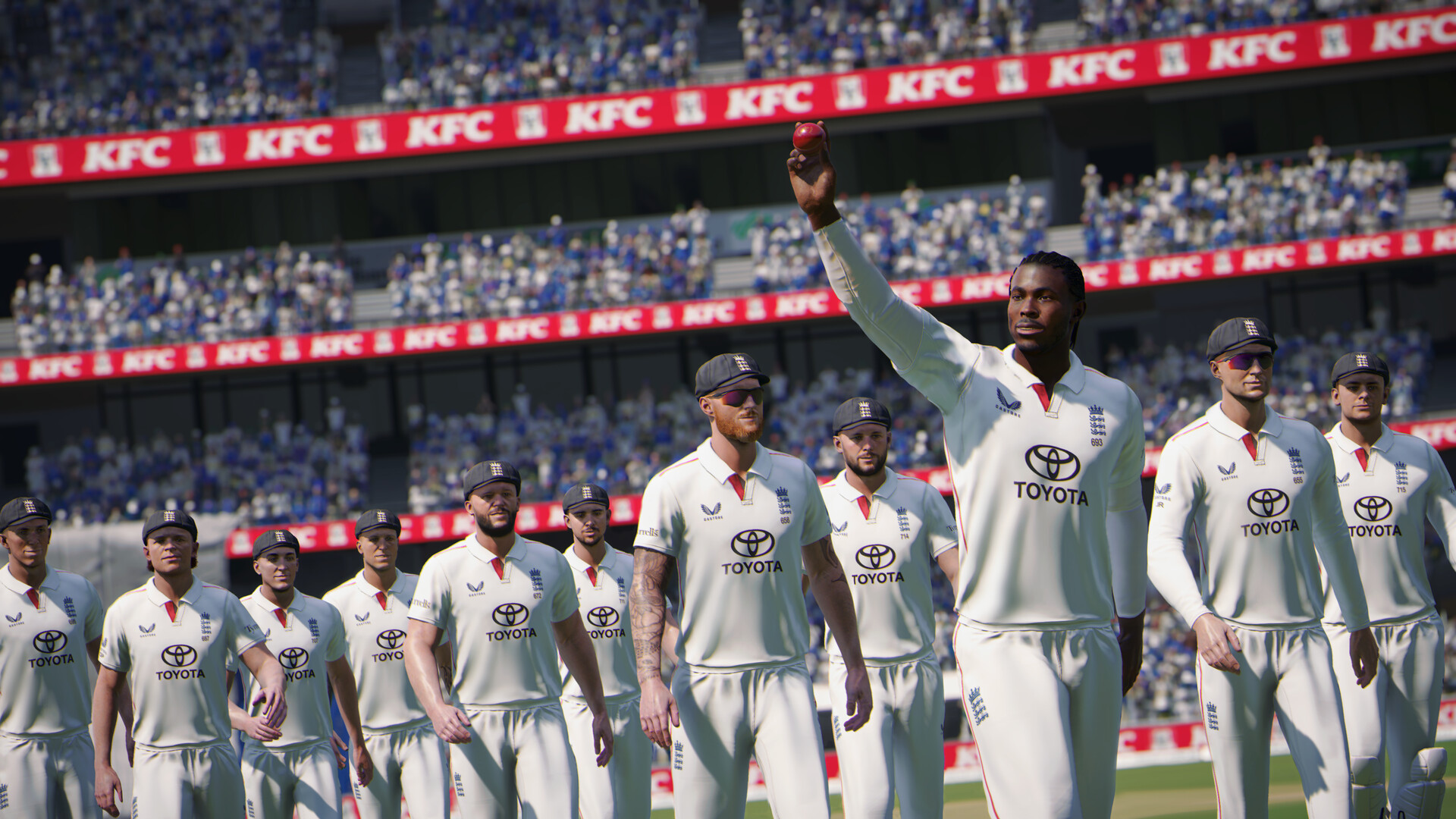
I only dwell on it because the AI issue really is the only thing that holds Cricket 26 back. As far as the visuals go, the authenticity is exceptional, with highly detailed and well-rendered character models. Stadia also have a nice boost in this edition, especially the grass and other fine details. The lighting is much (much) better too, which adds to the cinematic quality of matches.
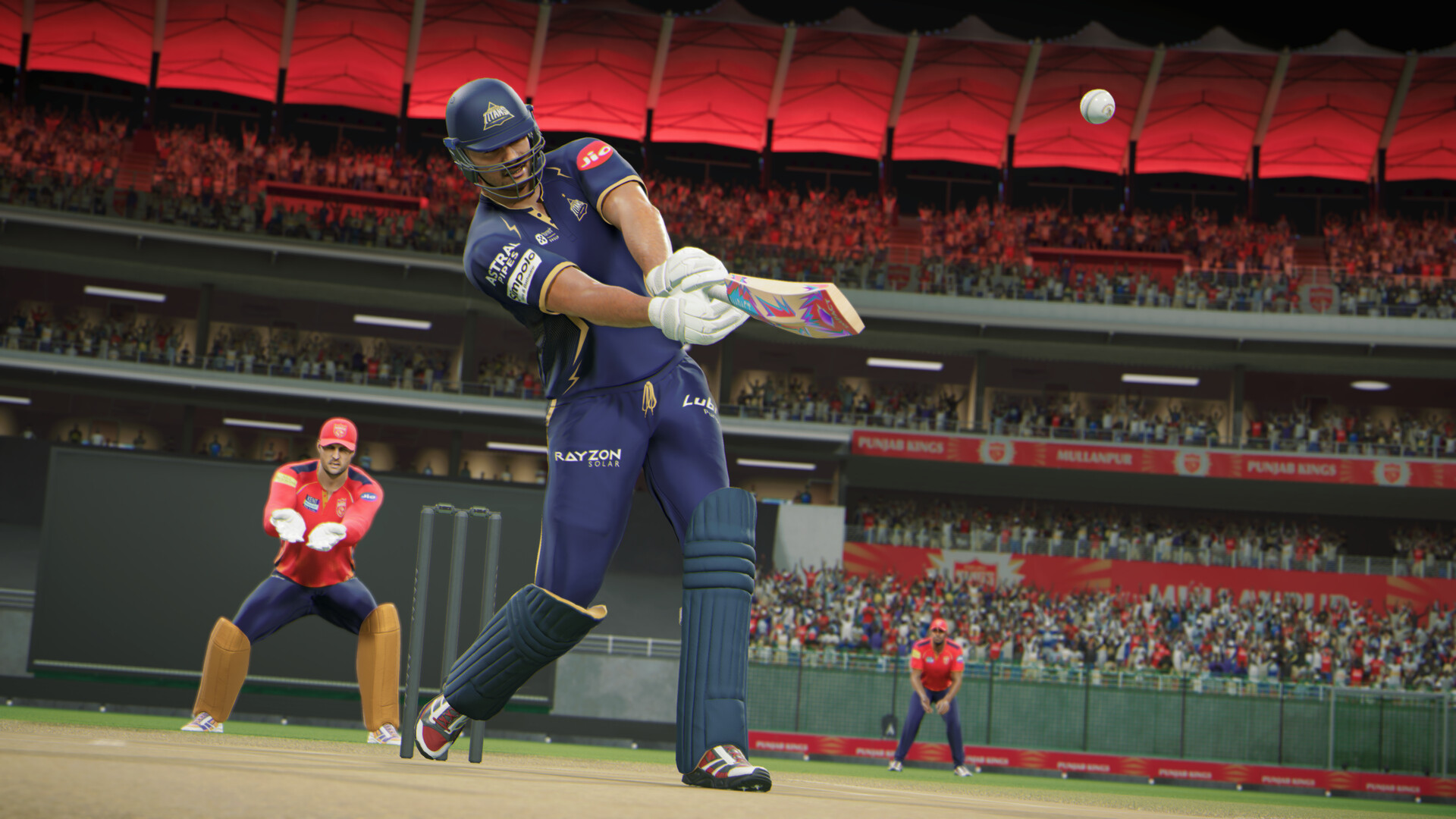
There’s also good work that has been done to boost the atmosphere of matches by including outside management items. In the Ashes, you can choose from some basic activities between matches to maintain the team, and also participate in interviews, with the right answers boosting confidence (performance) in the match itself. These are features from Big Ant’s career mode, and not exactly the most complex simulation mechanics, but they add flavour and texture, and help make Ashes mode feel more than a succession of five tests.
For those that don’t want to play the Ashes series, there are the usual bevvy other other Big Ant modes, such as massive number of tournaments, their take on ultimate team, and the ability to create teams, which is useful for everyone who likes the teams outside of the licenses that the developer holds (my Japanese team is unstoppable)… though there are an awful lot of licenses and official teams now. Most of the most popular forms of cricket and players are covered. This is all just building on what we’ve seen before, but combined, it’s enough to comfortably make Cricket 26 the definitive version of the Big Ant version.
Finally, but by no means least, there are far fewer bugs or quirks that need to be patched out! For several years now, Big Ant has been in a rhythm where it launches a game and then needs daily patches for a few weeks before it stops crashing at inconvenient moments. The games inevitably land in a place where they’re a lot of fun and fans of the sport can appreciate them, but the journey in getting there can feel like a rocky road at times. That’s the downside to ambition, and Big Ant’s games have always had an enormous scope ambition. Cricket 26 is different, though. I’ve yet to even have an incident that I would say needs to be patched. It’s very playable right out of the box, just in time to play alongside what seems set to be a very one-sided test series (if nothing else, the cricket’s better in the video game).
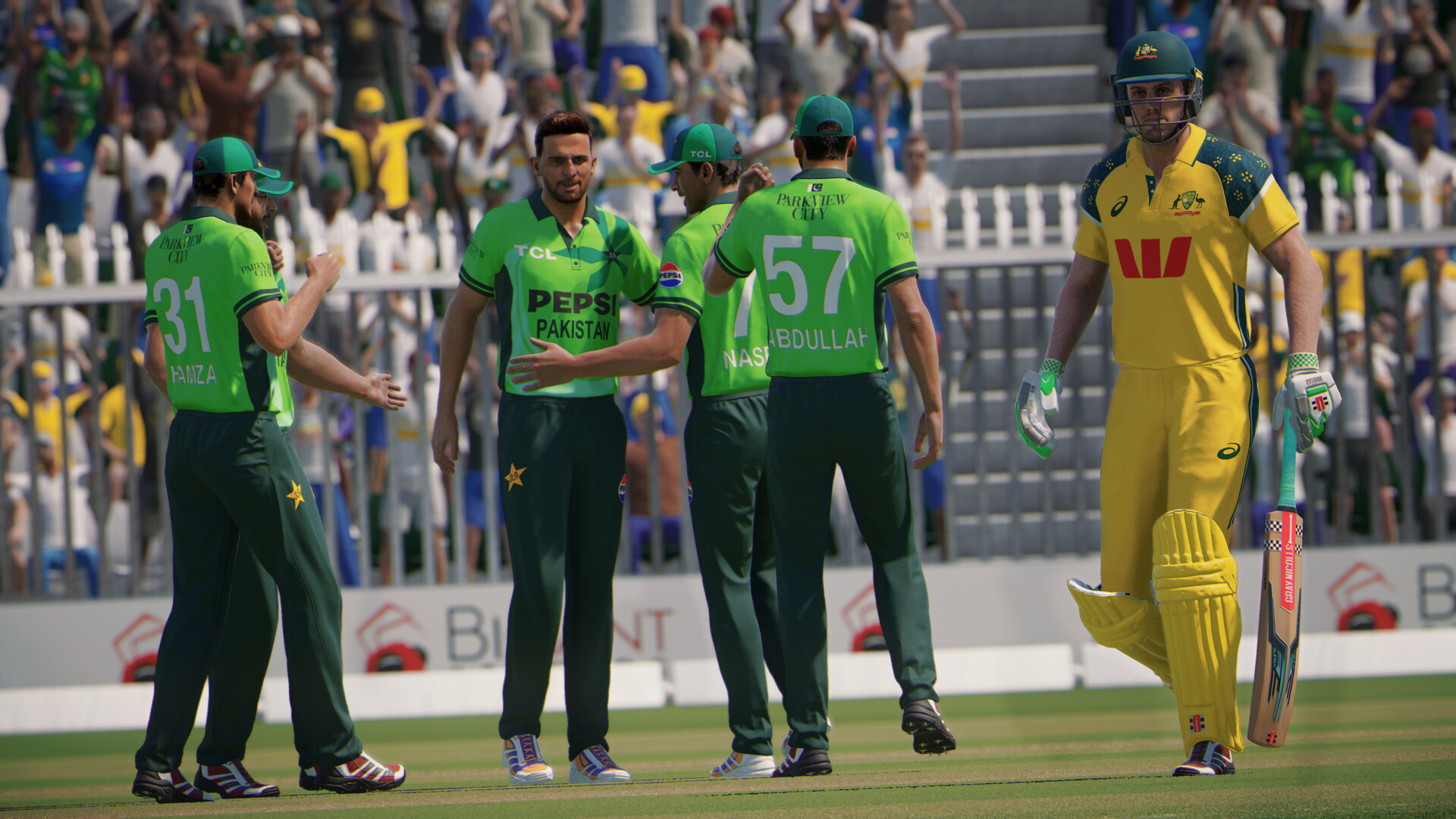
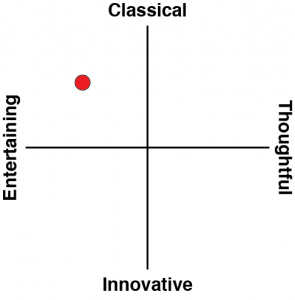
Cricket 26 is iterative, rather than a bold new vision for how cricket games should play, but Big Ant’s earned the privilege to approach its cricket games like this now because they’ve spent the past ten years building up to a cricket series that already offers a quality simulation of the sport. It might not have the investment of the big blockbuster properties, but nonetheless, this year’s Cricket offers an earnest, enthusiastic, and high-quality take on the sport for fans. I’ve always been an admirer of the vision and clear passion for the sport that Big Ant has, and I fully expect that this new title will occupy yet more hundreds of hours of my time.